Handmade Teacher Gifts Kids Can Actually Make
Learn 8 handmade teacher gift ideas kids can make with supplies you have at home. Age-appropriate, budget-friendly, and meaningful projects teachers actually treasure.
Erika Wong
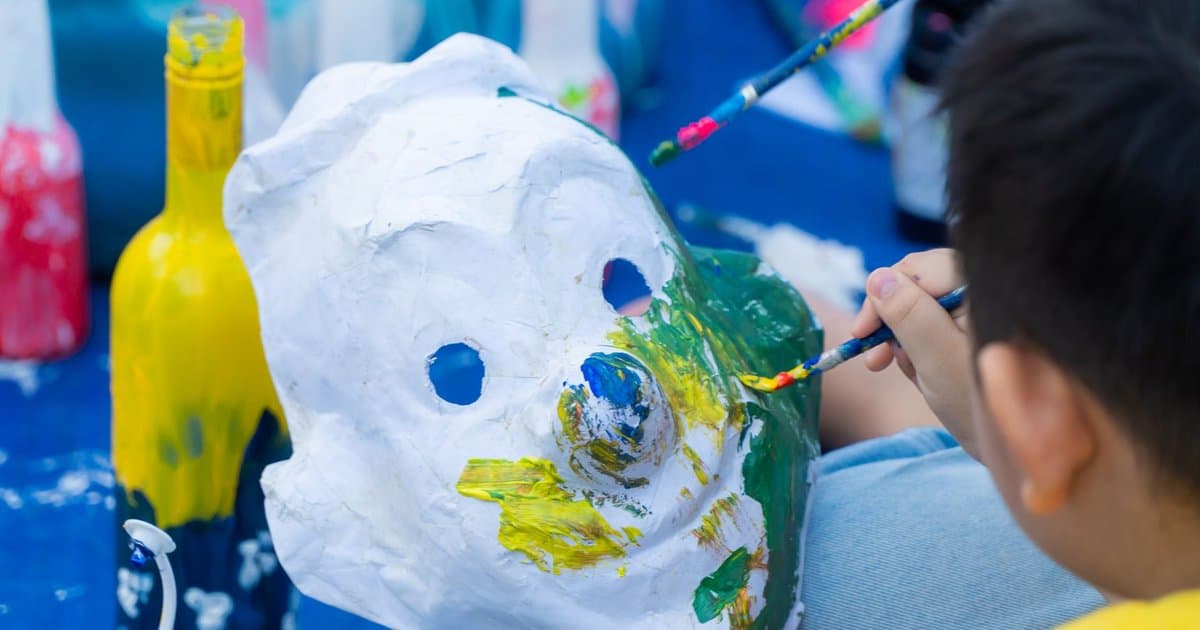
You want to show your child's teacher you appreciate them. But between the school drop-off rush and everything else on your plate, organizing a gift can feel like one more thing on an impossible list. Here's the good news: the best handmade teachers day gift ideas don't require a Pinterest board, a craft store haul, or hours of your weekend.
They require your kid, some basic supplies, and a little time.
Teachers consistently say that handmade gifts from students are among the most treasured items they receive. According to a 2014 survey by the National Education Association, educators ranked personal notes and handmade items among the most meaningful forms of appreciation, far above generic store-bought gifts. Your child's wobbly handwriting and lopsided heart drawing? That's the good stuff.
This guide walks you through practical, age-appropriate projects your child can actually make.
Why Handmade Teacher Gifts Matter More Than You Think
When a child spends time making something for their teacher, two things happen. The teacher receives something genuinely personal. And the child practices gratitude in a concrete, hands-on way.
Research on gratitude in children supports this. A study by Hussong et al. (2019) published in The Journal of Positive Psychology found that children who actively practiced expressing gratitude, through actions, not just words, developed stronger prosocial behavior over time. Making a gift is one of the simplest ways to turn "thank you" into something tangible.
Teachers notice, too. Many educators report keeping handmade cards and artwork for years, sometimes decades. A decorated mug becomes a daily coffee companion. A handprint canvas hangs in their home long after the school year ends.
Budget matters as well. Handmade gifts typically cost under $5 in materials, yet they never feel cheap, because the investment is effort, not money.
What Makes a Good Handmade Teacher Gift
Not every craft project makes a great teacher gift. The best handmade teachers day gift ideas share a few traits: they're practical, age-appropriate for the child making them, and don't require a degree in fine arts to look nice.
Aim for something the teacher will actually use. A decorated pencil holder sits on a desk every day. A laminated bookmark goes into a book that night. A heartfelt card gets pinned to a bulletin board.
Avoid anything heavily scented (candles, lotions), many people have sensitivities. Skip highly perishable food unless you know the teacher's preferences and any allergies. And steer clear of projects that require so much adult help that the child's contribution is minimal.
The National PTA recommends gifts that are "thoughtful, not expensive" and suggests involving children directly in the creation process to make the gesture more meaningful.
8 Handmade Teacher Gift Ideas Kids Can Make
These eight projects use common supplies, take between 30 minutes and two hours, and can be adapted for ages 3 through 12. Each one includes age notes so you can match the project to your child's skill level.
You don't need to buy specialty materials. Most of these work with what's already in your junk drawer or craft bin.
Decorated Mug or Cup (Ages 4+)
A plain white ceramic mug from a dollar store transforms into a daily-use keepsake with oil-based paint pens or ceramic markers. Let your child draw patterns, write their name, or doodle their teacher's favorite things.
After decorating, bake the mug at 350°F for 30 minutes to set the design. Once cooled, it's dishwasher-safe and durable.
Kids aged 4–5 can make simple dot patterns or handprints. Kids aged 6+ can write short messages or draw detailed pictures. This works beautifully as either an individual or class gift, each child decorates one section of a large mug or travel cup.
Personalized Bookmark Set (Ages 5+)
Cut cardstock into rectangles (roughly 2 × 6 inches). Give kids markers, colored pencils, stickers, or collage materials and let them design three to five bookmarks.
Laminate them using a laminator or simply cover both sides with clear packing tape. A set of bookmarks feels more substantial than a single one and gives the teacher options.
Encourage variety: one silly design, one with a quote the child likes, one with a drawing of something from class. Kids aged 7+ can write favorite book titles or inspirational messages. According to Scholastic, teachers read an average of 25 books per year for personal and professional development, so bookmarks genuinely get used.
Thank-You Card with Custom Illustration (Ages 3+)
This is the single most impactful handmade teachers day gift idea, and it costs almost nothing. Fold a piece of cardstock in half. On the front, your child draws or paints something. Inside, they write (or dictate) one or two sentences about why they appreciate their teacher.
That's it. Keep it simple.
For ages 3–4, fingerprint art or a basic drawing works beautifully. For ages 5–7, encourage a specific detail: "Thank you for reading us that book about frogs." For ages 8+, a longer note with a watercolor illustration shows real thought.
Teachers keep these. A 2018 survey by Educators Financial Group found that 75% of teachers said handwritten notes from students were their favorite type of appreciation.
Pencil or Pen Holder (Ages 5+)
Clean out a tin can or find a small jar. Remove labels, wash thoroughly, and let your child decorate the outside with paint, washi tape, stickers, or glued-on construction paper designs.
Fill it with sharpened pencils, colored pens, or highlighters. Teachers always need writing supplies within arm's reach, so this gift combines creativity with genuine daily utility.
Washi tape is particularly good for kids who feel less confident about drawing, it's foolproof and looks polished. This project takes under an hour, even for younger children.
Handprint or Fingerprint Art Keepsake (Ages 2+)
This one works best as a class project. Each child adds their handprint or fingerprint (using washable paint) to a canvas, frame mat, or wooden plaque. Add names, the date, and the class or grade.
The result is a snapshot of the entire group, something teachers display in their classrooms or homes for years.
Paint-based prints last longer than ink stamps. Use bright, varied colors and plan your layout before tiny hands start pressing. A parent volunteer or teacher aide can coordinate this during class time in about 20 minutes.
Decorated Plant Pot with Seeds or Seedling (Ages 4+)
Terracotta pots are inexpensive and take paint beautifully. Let your child decorate one, add potting soil, and plant herb seeds (basil or mint are practical) or a small seedling.
Attach a tag with the plant name and basic care instructions. Check first that the teacher has windowsill space and interest — not everyone wants a living gift. But for teachers who do, this is a gift that literally grows.
Homemade Treat in a Decorated Container (Ages 6+, with supervision)
Cookies, brownies, or no-bake energy bites made by your child and packaged in a hand-decorated jar or box make a thoughtful gift. The child feels genuine pride in creating something from scratch.
Always label with a full ingredient list to flag allergens. The CDC reports that food allergies affect approximately 8% of children and many adults — so this step isn't optional, it's essential. Include a small card explaining what the treat is and when it was made.
Age-by-Age Guide to Handmade Teacher Gifts
Not sure what your child can realistically handle? Here's a breakdown.
Ages 2–4: Handprint art, fingerprint stamps, simple paintings, sticker-decorated cards. Adult does the setup; child does the fun part. Expect mess.
Ages 5–6: Decorated mugs, simple bookmarks, thank-you cards with drawings, washi-tape projects. Kids can work semi-independently with materials laid out for them.
Ages 7–9: Multi-step crafts like plant pots, pencil holders, bookmark sets, and baked goods with supervision. These kids can follow basic instructions and add personal touches.
Ages 10+: More intricate designs, calligraphy-style lettering, curated gift sets, and projects for multiple teachers. They can handle planning, execution, and presentation largely on their own.
Match the project to your child's attention span and fine motor skills. According to ZERO TO THREE, children develop fine motor control at varying rates, so a 5-year-old who struggles with scissors might thrive with paint pens instead.
Supplies You Probably Already Have at Home
You don't need a craft store run. Start here:
- Basics: Markers, colored pencils, crayons, construction paper, scissors, glue sticks
- Upcycled containers: Clean tin cans, glass jars, cardboard tubes, small boxes
- Optional upgrades: Oil-based paint pens, washi tape, clear packing tape (budget laminating), stickers
- For baking: Standard pantry ingredients plus a decorated jar or box
If you do want to pick up a few extras, dollar stores carry ceramic mugs, terracotta pots, and craft supplies for $1–$3 each. Total cost for most projects stays well under $5.
Constraints actually spark creativity. When kids don't have unlimited options, they problem-solve and improvise — which often produces the most charming results.
Teacher Gift Etiquette: What to Avoid
A few guidelines keep your gift appropriate and appreciated:
Check school policy first. Some schools discourage or limit teacher gifts, particularly gifts over a certain dollar value. Many districts set a $25 limit. The NEA recommends checking your school's handbook or asking the front office.
Skip strongly scented items. Candles, perfumes, and scented lotions can trigger migraines or allergies.
Never give alcohol or overly personal items, regardless of how well you know the teacher.
If your child has multiple teachers, keep gifts similar in value and effort. A handmade card for each teacher is always appropriate and avoids awkwardness.
Respect "no gifts" requests. If a teacher says they don't want gifts, honor that. A sincere verbal thank-you or a short note is always welcome instead.
Personalizing the Gift for Your Child's Teacher
The difference between a nice gift and a memorable one is personalization. Listen to what your child says about their teacher. Does Mrs. Chen love coffee? Decorate a mug. Does Mr. Patel keep plants on the windowsill? Make a painted pot.
Encourage your child to mention something specific in their card: a lesson they enjoyed, a time the teacher helped them, or something that made them laugh. "Thank you for teaching me how to multiply" means more than "Thank you for being a great teacher."
Some parents find that reading a personalized story about gratitude or gift-giving helps younger children understand why the effort matters — seeing themselves in a narrative about doing something kind for someone they care about can make the whole experience click.
Reference the teacher's name on the gift. That small detail signals: this was made for you, not grabbed off a shelf.
When Handmade Gifts Work Best — And When to Skip Them
Handmade gifts shine for genuine appreciation moments: Teacher Appreciation Week (typically the first full week of May), end-of-year thank-yous, and winter holidays.
Plan ahead. Start one to two weeks before you need the gift so your child has time to create without pressure. Rushed crafts feel stressful for everyone.
Skip the handmade gift if:
- Your child genuinely doesn't want to make one (forced gratitude isn't gratitude)
- The teacher has explicitly declined gifts
- You're buying for a large group of staff members — a group card or classroom supply donation works better
Some teachers prefer donations to their classroom wish lists or supply funds. It's always worth asking. Quality beats quantity, and one heartfelt gift outweighs five obligatory ones every time.
How to Present the Gift
Presentation doesn't need to be elaborate. Wrap it in tissue paper, put it in a simple bag, or hand it over as-is. What matters is the handwritten note from your child and the moment of giving.
If possible, have your child hand the gift directly to the teacher and say thank you in person. That face-to-face moment is often what teachers remember most.
For class gifts, an oversized card signed by all students adds a meaningful finishing touch. Keep the logistics simple — a parent volunteer can coordinate signatures over a few days.
Key Takeaways
- Handmade gifts from students are among the most treasured items teachers receive
- The best projects match your child's age and fine motor abilities
- Most gifts cost under $5 and use supplies you already own
- A handwritten note is the single most important element of any teacher gift
- Check school policies and teacher preferences before giving
- Never force a child to make a gift — genuine appreciation can't be manufactured
Get practical parenting tips delivered weekly
Evidence-based guidance for the moments that matter. No spam, unsubscribe anytime.
Frequently Asked Questions
Keep reading

Supporting Siblings During NICU Stay: What Parents Need to Know
Help siblings cope with NICU stress through honest explanations, routines, and connection activities. Most behavioral changes resolve within weeks of discharge.
10 min read

Teaching Empathy Through Children's Stories: A Practical Guide
Learn how to teach empathy through children's stories with practical techniques. Research shows kids develop stronger peer relationships with regular diverse
10 min read

How to Motivate Students on Classroom Behavior (Strategies That Work)
Master 8 proven strategies to motivate students on classroom behavior. Learn why specific praise and consistency outperform rewards, plus tools that work.
9 min read
Get weekly parenting tips backed by research
Evidence-based guidance for the moments that matter. No spam, unsubscribe anytime.