DIY Craft Ideas for Teacher Appreciation Week (Easy & Meaningful)
Simple, meaningful DIY craft ideas for teacher appreciation week. Age-appropriate projects from preschool to upper elementary, all under $5 and doable on a weeknight.
Erika Wong
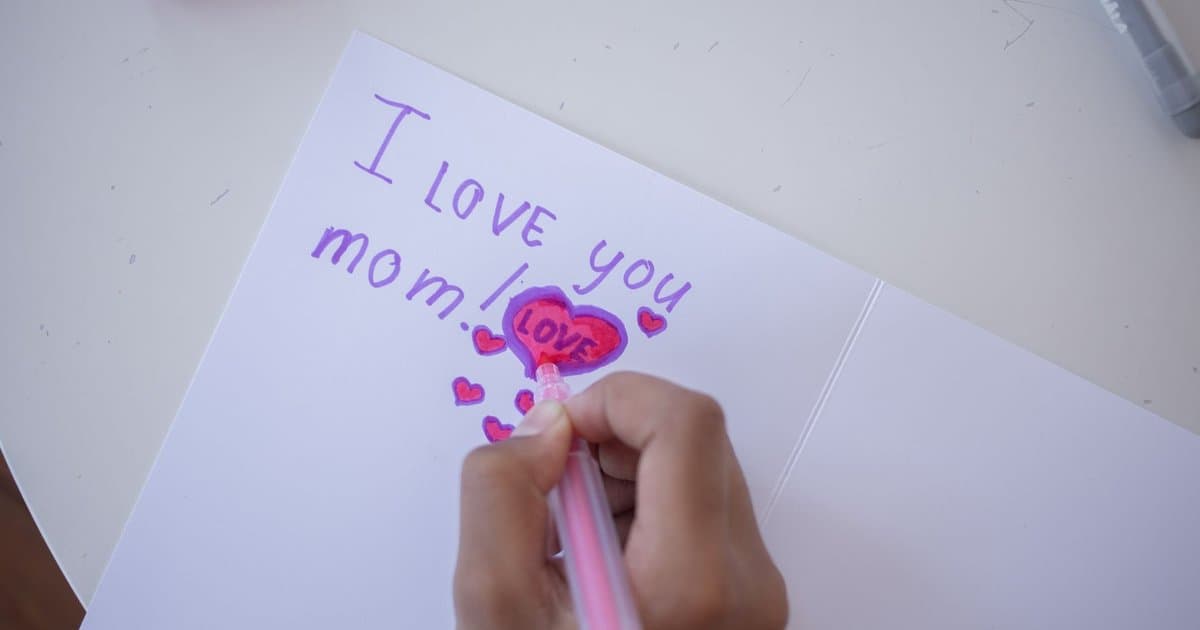
You want to do something special for your child's teacher, but the Pinterest-perfect projects feel overwhelming, and a gift card seems impersonal. You're not alone. Every May, millions of parents scramble for craft ideas for teacher appreciation week that are actually doable, on a Tuesday night, with a four-year-old, using supplies you already have.
Here's the good news: teachers don't want perfection. They want something real. In a 2014 survey by the National Education Association, 90% of teachers reported feeling that their work was undervalued. A small, handmade gesture from a child can cut through that feeling in a way that store-bought gifts rarely do.
This guide walks you through meaningful crafts sorted by age, budget-friendly options, coordination tips for classroom-wide projects, and when to skip crafting altogether without guilt.
Why Handmade Teacher Gifts Matter More Than You Think
Teachers consistently say that handmade gifts from students are the ones they keep for years, sometimes decades. Research in the Journal of Marketing by Morewedge, Holtzman, and Epley (2007) found that handmade gifts are perceived as containing more of the giver's "essence," increasing their emotional value to the recipient.
For children, the act of making something matters just as much as the giving. Creating a gift builds a sense of agency and pride. Your child learns that their effort, not money, is what makes appreciation meaningful.
Handmade crafts are also budget-friendly. Most projects in this guide cost between $1 and $5, making them accessible for every family. When 25 families each spend $15 on a store-bought gift, the teacher ends up with a pile of mugs and candles. A single handmade card with a specific, heartfelt message? That goes on the bulletin board.
Choosing the Right Craft Ideas for Teacher Appreciation Week by Age
The best craft matches your child's fine motor skills and patience, not your ambition. Pushing a reluctant five-year-old through an intricate project creates frustration for everyone.
Ages 3–4 (preschool): Stick to painting, stamping, and gluing. Handprint art, decorated paper bags, or painted rocks work well. Expect 10–15 minutes of focused effort.
Ages 5–7 (early elementary): Kids can handle simple folding, cutting with safety scissors, and writing short messages. Bookmarks, thank-you cards, and decorated picture frames are ideal. Plan for 20–30 minutes.
Ages 8–10 (upper elementary): Multi-step projects become possible, collage, ceramic plate decorating, or coupon books. These children can also write meaningful notes independently.
According to the CDC's developmental milestones, most children develop the fine motor control for cutting and drawing shapes between ages 4 and 5. Use that as your baseline, not the grade level on a craft kit.
7 Meaningful Craft Ideas Teachers Actually Love
These seven projects are simple enough for kids to lead and meaningful enough for teachers to treasure. Each works across multiple age groups with minor adjustments.
1. Decorated Thank-You Card. Cardstock, markers, stickers, and a genuine message inside. Cost: under $1. This is the gold standard, simple, personal, and always welcome.
2. Painted Plant Pot. Use a small terracotta pot and acrylic paint. Add a succulent or seed packet. Cost: $3–5.
3. Personalized Bookmark. Cardstock cut into strips, decorated with drawings or washi tape, then laminated (or covered in clear packing tape). Cost: under $1.
4. Decorated Picture Frame. A plain wooden or cardboard frame decorated with paint, buttons, or magazine collage. Include a class photo or child's drawing. Cost: $2–4.
5. Mason Jar with Treats. Decorate a glass jar with ribbon and a handwritten tag. Fill with individually wrapped candy, tea bags, or colored pencils. Cost: $3–5.
6. Ceramic Plate or Mug. Use permanent markers (Sharpie) on a plain white plate. Bake at 350°F for 30 minutes to set. Cost: $2–3 from a dollar store.
7. Coupon Book. Kids create handmade coupons for classroom help: "One free board-erasing session" or "I'll organize the book corner." Cost: free.
Step-by-Step: The Handwritten Thank-You Card Craft
This is the most universally appreciated teacher gift, and it takes 15 minutes. According to a study published in Psychological Science by Kumar and Epley (2018), recipients of gratitude letters consistently felt happier and more valued than letter-writers predicted, people underestimate how much their thanks mean.
What you need: Cardstock (or thick paper folded in half), markers, crayons, stickers or washi tape, and a pencil.
Step 1: Fold the cardstock in half. Let your child decorate the front with drawings, watercolor, or stickers. There are no rules here, messy is fine.
Step 2: Inside, prompt your child to write three specific things they appreciate. Not "you're nice" but "I liked when you read us Charlotte's Web" or "You helped me with long division when I was stuck."
Step 3: Have your child sign their name and add the date.
Step 4: If your child struggles with writing, let them dictate while you write lightly in pencil, then they trace over it.
Budget-Friendly and Upcycled Craft Ideas for Teacher Appreciation Week
You don't need a craft store run. Look around your kitchen and recycling bin, many of the best teacher gifts come from items you already have.
Painted tin cans make charming pencil holders. Remove labels, sand any sharp edges, and let kids paint them with acrylics. Total cost: essentially free.
Decorated paper bags work as gift bags for treats or tea. Kids can stamp, draw, or collage on brown lunch bags. Fill with a few tea bags and a handwritten note.
Painted rocks with encouraging messages ("You rock, Ms. Davis!") are a teacher favorite. Use smooth river rocks and paint pens or acrylics with a clear sealant.
Collaged picture frames use old magazines, newspaper, and wrapping paper scraps glued onto cardboard frames. These look surprisingly polished and teach kids about recycling creatively.
According to ZERO TO THREE, children as young as two can engage in simple art activities like painting and gluing, making even the youngest students capable of contributing to upcycled projects with adult guidance.
Coordinating Multi-Kid Classroom Crafts Without Losing Your Mind
If you're the room parent or class coordinator, choose crafts that scale, and that won't create stress for families with less time or fewer supplies.
Collaborative poster: Buy a large poster board. Each child adds a drawing, handprint, or sentence about their teacher. One parent assembles it. Cost: $2 total.
Appreciation jar: Decorate a mason jar, then send home small slips of paper for each family. Kids write one thing they appreciate about the teacher. Collect and fill the jar. This is low-effort per family and deeply meaningful.
Group flower pot: A large terracotta pot where each student adds a painted handprint or writes their name. Plant a flowering plant inside.
The key to coordinating: send instructions at least 10 days before Teacher Appreciation Week (typically the first full week of May in the U.S.), keep supply lists short, and always offer an alternative for families who can't participate in the craft — a handwritten note is always enough.
Making Crafts Extra Special Through Personalization
The difference between a nice craft and a treasured keepsake is one thing: specificity. Generic "Best Teacher Ever" gifts are fine. A gift that references something real is unforgettable.
Use the teacher's name. Write "Ms. Ramirez" on the plant pot, not just "Teacher." It takes five seconds and transforms the gift.
Reference something real. Did the teacher read a favorite book aloud? Teach your child to love science? Mention it on the card or craft. "Thank you for teaching me about butterflies" hits harder than "Thank you for everything."
Add a handprint or photo. Teachers love watching students grow. A handprint with the date becomes a time capsule. A small photo tucked into a frame makes the gift instantly personal.
Include the year. "2025" on a painted rock means the teacher can look at it a decade later and remember your child's class.
Timing Tips for a Stress-Free Teacher Appreciation Week
Teacher Appreciation Week is designated by the National PTA and falls during the first full week of May each year (in 2025, that's May 5–9). National Teacher Appreciation Day is the Tuesday of that week.
Two weeks before: Decide on a project and gather supplies. Check what you already have at home before buying anything.
Ten days before: If coordinating with other families, send clear instructions with a deadline. Keep the supply list to five items or fewer.
One week before: Do the craft. Build in a backup evening in case the first attempt goes sideways — spilled paint, lost interest, or a meltdown. It happens.
Day before: Write the card or note if you haven't already. This is the most important part of any gift.
Have a backup plan. Keep a blank card and markers on hand. If your main craft falls apart, a sincere handwritten note is always enough.
When to Skip the Craft (And What to Do Instead)
Not every parent has the time, energy, or supplies for crafting — and that's completely okay. A burned-out parent forcing a reluctant child through a craft project doesn't create appreciation. It creates resentment.
A handwritten note alone is enough. Teachers will tell you this repeatedly. Two sentences of genuine thanks outweigh any Pinterest project.
A small plant or succulent requires no crafting. Add a tag that says "Thank you for helping me grow" and you're done.
A classroom donation — books, supplies, or a contribution to a field trip fund — is practical and deeply appreciated.
A gift card with a personal note is not impersonal when paired with real words. Write why this teacher matters to your child.
Many parents find that the pressure to craft comes from comparison with other families, not from teachers themselves. Do what works for your family.
Adding a Story Element to Deepen the Connection
For a teacher who's made a real impact on your child's year, consider pairing a simple craft with a story — either written or illustrated.
A one-page letter from you (the parent) explaining how the teacher changed your child's experience can be profoundly meaningful. Teachers rarely hear specifics from families about what worked.
A comic strip drawn by your child showing a favorite classroom memory turns art into narrative. Even stick figures carry emotion when the story is real.
A dictated story works for younger children. Ask your child to tell you about their favorite day with their teacher, write it down, and include it with the craft.
Some parents find that reading a personalized story about giving gifts or showing appreciation helps their child understand the "why" behind the craft — children who see themselves in a story often connect more deeply with the experience.
Key Takeaways
- Handmade beats store-bought for emotional impact — teachers keep these gifts for years.
- Match the craft to your child's age and fine motor skills, not to Pinterest standards.
- Specificity is everything. Use the teacher's name, reference real moments, include the date.
- Budget doesn't matter. The best crafts cost $1–5 and use supplies from home.
- A handwritten note is always enough. Never feel guilty for skipping the craft.
- Start two weeks early to avoid last-minute stress, and always have a backup plan.
Get practical parenting tips delivered weekly
Evidence-based guidance for the moments that matter. No spam, unsubscribe anytime.
Frequently Asked Questions
Keep reading

Supporting Siblings During NICU Stay: What Parents Need to Know
Help siblings cope with NICU stress through honest explanations, routines, and connection activities. Most behavioral changes resolve within weeks of discharge.
10 min read

Teaching Empathy Through Children's Stories: A Practical Guide
Learn how to teach empathy through children's stories with practical techniques. Research shows kids develop stronger peer relationships with regular diverse
10 min read

How to Motivate Students on Classroom Behavior (Strategies That Work)
Master 8 proven strategies to motivate students on classroom behavior. Learn why specific praise and consistency outperform rewards, plus tools that work.
9 min read
Get weekly parenting tips backed by research
Evidence-based guidance for the moments that matter. No spam, unsubscribe anytime.