Do Personalised Childrens Books With Photos Actually Matter to Kids? What Research Shows
Discover what research shows about personalised children's books with photos. Learn when they work, which kids benefit most, and how to choose ones that get read.

Matt Li
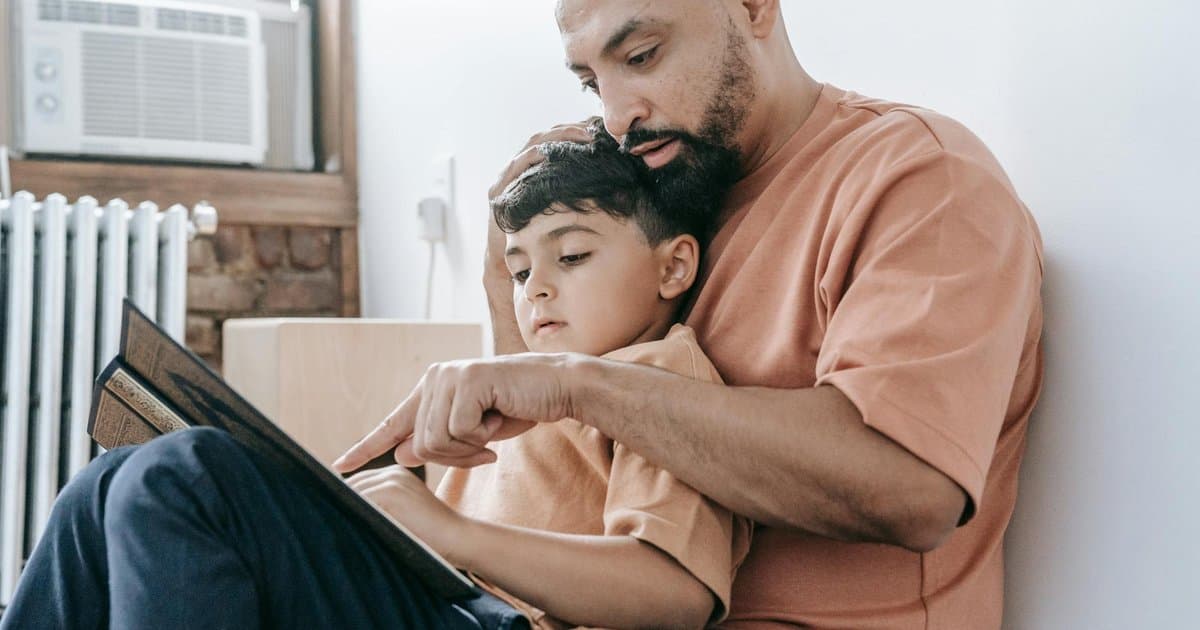
You found the perfect gift idea, a book starring your child, with their face on every page. But before you spend $30-$50, you're wondering: will this actually mean something to my kid, or will it collect dust after one excited flip-through?
It's a fair question. Personalised children's books with photos have exploded in popularity, and the marketing promises are big. More engagement! Better reading skills! Lasting confidence!
Some of those claims hold up. Others don't. The truth depends on your child's age, temperament, and what you're hoping the book will do.
This guide walks through what developmental research actually says about children seeing themselves in stories, the real benefits, the honest limitations, and how to decide whether a personalised photo book is the right choice for your family. No overselling. Just what the evidence and real parent experience tell us.
Why Kids React Differently to Stories With Their Own Photos
Children begin recognising themselves in mirrors and photographs around 18 months of age. According to research by Lewis and Brooks-Gunn (1979), this self-recognition milestone marks a critical shift in identity development, the child understands "that's me."
When a toddler or preschooler opens a book and sees their own face, something clicks. They aren't just listening to a story; they're in it. Developmental psychologists call this the self-reference effect, we remember and attend to information more when it relates to ourselves. A study by Cunningham and colleagues (2014) found that even preschool-aged children showed improved recall for materials linked to themselves compared to materials linked to others.
This is why many parents report that their two- or three-year-old will request a personalised book repeatedly, long after other books have been rotated off the shelf. The child isn't just engaged with the story, they're engaged with themselves in the story.
That said, the intensity of this reaction varies enormously by child.
What Actually Happens When a Child Sees Themselves in a Story
The first read is usually dramatic. Wide eyes, pointing, giggling, "That's ME!" For many toddlers and preschoolers, this moment is genuinely magical. They experience pride and excitement at being the centre of a narrative.
But here's where temperament matters. Outgoing kids often love the spotlight and will show the book to anyone who enters the house. More introverted or self-conscious children, particularly those over age four, may feel uncomfortable. Some kids squirm, look away, or say "that's weird." Both reactions are completely normal.
Then there's the novelty factor. Many parents find that the initial excitement peaks during the first few readings and then levels off. Whether the book stays in rotation depends almost entirely on whether the story holds up, not just the photos. A compelling narrative keeps kids coming back. A thin plot wrapped around their face? That gets one enthusiastic read and then a slow slide under the bed.
Personalised Photo Books vs. Regular Books for Reading Skills
Here's where honest nuance matters most. Personalised books can boost motivation, the willingness to sit, listen, and engage, especially in reluctant readers or easily distracted toddlers. A study by Kucirkova, Messer, and Whitelock (2013) found that children showed greater engagement and more positive attitudes toward reading when stories included personalised elements.
But motivation and skill development aren't the same thing. Reading skills grow through exposure to rich vocabulary, complex sentence structures, and diverse narratives. According to the American Academy of Pediatrics (2014), what matters most for literacy development is how often you read together and how you interact during reading, asking questions, pointing at words, making connections.
A mediocre personalised book won't outperform a brilliant traditional picture book read with warmth and conversation. Think of personalisation as a hook, not a curriculum. It can get a reluctant child to the table. The quality of the meal still matters.
The best ages for this hook effect are roughly 18 months to five years, when self-recognition is exciting rather than self-conscious.
When Kids Outgrow Personalised Photo Books
Most children begin shifting away from personalised photo books between ages six and eight. This isn't a failure of the book, it's healthy development.
Around age six, children start developing what psychologists call social comparison. They become aware of how they measure up to peers. Seeing themselves as the star of a picture book can start to feel babyish or embarrassing, especially if friends see it.
The developmental shift goes from "that's me!" (thrilling) to "why am I in a book?" (confusing or awkward). According to Harter (2012), children's self-concept becomes increasingly dependent on peer evaluation during the early school years, making self-focused materials feel risky rather than rewarding.
That said, well-crafted personalised books with strong narratives, not just photo placement, can retain appeal longer. A story about a child navigating a real challenge (moving house, starting school) stays relevant because the theme matters, not just the face on the page.
The sweet spot for photo-heavy personalised books is ages one to five. After that, story quality has to carry the weight.
Which Kids Benefit Most From Personalised Photo Books
Not every child responds the same way, and that's okay. But certain groups of children tend to get the most from seeing themselves in stories.
Shy or anxious children sometimes find comfort in narratives where they're portrayed as brave, capable characters. It opens a door for conversation: "Look, you were brave just like in your book." This isn't a therapeutic intervention, but many parents find it gives them language to discuss courage or new experiences.
Children in adoptive or blended families often benefit from books that reflect their family, their actual parents, siblings, and home. According to ZERO TO THREE (2016), seeing their own family structure represented in books helps young children develop a sense of belonging and security.
Kids with language delays may re-engage with reading when the content features familiar faces and settings. The personal connection can lower the barrier to participation.
Only children sometimes enjoy the focused attention, while children with many siblings appreciate having something that's just theirs. However, be mindful, if you gift one child a personalised book, siblings may feel left out unless each gets one.
The Honest Downsides: When Personalised Books Fall Flat
Let's talk about what the marketing won't tell you.
Self-consciousness is real. Children as young as four or five can feel embarrassed by seeing themselves in a book, particularly if the illustrations or photos look "off." Poorly integrated photos, floating heads on cartoon bodies, mismatched lighting, awkward cropping, break the magic immediately.
Quality control varies wildly. Some personalised book services produce beautiful, thoughtfully designed products. Others produce what essentially amounts to a photo album with clip-art text. Before ordering, look at sample pages carefully. If the text reads like a fill-in-the-blank template ("Child's name walked to the location"), your child will notice.
Cost is significant. Most personalised children's books with photos range from $25 to $50, the price of five to ten quality traditional picture books. If your budget is limited, those five books will likely deliver more cumulative reading value.
The cringe factor. If the personalisation feels forced or unrealistic, your child battling dragons while clearly sitting in a living room photo, older kids especially will call it out. Authenticity matters.
How to Choose Personalised Photo Books With Photos That Actually Get Read
If you've decided to try one, here's how to avoid the common pitfalls.
Story first, always. Read the narrative without the personalisation. Does it hold up? Is there a beginning, middle, and end? Is the language rich enough to be worth rereading? If the story is thin, the photos won't save it.
Check the photo integration. Look for services that blend photos naturally into illustrations rather than pasting them on top. The best products make the child look like they belong in the world of the story.
Match the theme to your child's life. A book about starting school works beautifully in August. A book about welcoming a new sibling lands perfectly during pregnancy or just after arrival. Generic "you're amazing!" narratives feel less meaningful than stories tied to real transitions.
Age-appropriate complexity matters. A two-year-old needs simple, repetitive text and large photos. A five-year-old needs an actual plot. Some parents find that reading a personalised story about a specific challenge, like sleeping alone or making friends, helps because the child sees themselves navigating the situation successfully.
For gift-givers: Check with the parents first. Not every family wants or values this type of book, and confirming avoids waste.
When to Be Concerned: Signs a Personalised Book Isn't Working
A personalised book is a tool, not a test. If your child doesn't love it, that tells you about their preferences, not about their development.
Normal responses that aren't cause for worry: mild disinterest after a few reads, preferring other books, giggling at the photos without engaging with the story, or asking "why am I in a book?" These are all typical, especially for kids over four.
Responses worth noting: If your child actively avoids the book, covers their photo, says negative things about their appearance ("I look ugly"), or becomes distressed, pause. For most kids, this simply means the book isn't their thing. But persistent negative self-talk about appearance, in any context, not just books — is worth mentioning to your paediatrician. According to the American Academy of Pediatrics (2016), early signs of body image concern can appear as young as age five.
What to do if it doesn't land: Don't force it. Put the book away for a few months and try again, or accept that your child prefers traditional stories. Many kids do. A well-loved library book read fifty times will always beat a beautiful personalised book that sits untouched.
Real-Life Examples: What Works for Different Families
Blended families often see the best results when the book includes all the children and step-parents. A story where "your family goes on an adventure together" validates the family structure and gives everyone a role.
Starting-school transitions are a natural fit. A personalised book about the child's first day — featuring their actual school bag, their real name on a cubby — can reduce anxiety. Research published by Kucirkova (2016) in the Review of Educational Research suggests that personalised materials can support children's sense of agency during transitions.
Toddlers (18 months to three years) love simple, repetitive personalised narratives. "Where is child's name? There they are!" with photos on every page works because it mirrors peek-a-boo — a game they already adore.
Preschoolers (three to five years) want more story. They're ready for a personalised character who solves a problem, helps a friend, or goes on a journey. The photo is the hook; the plot is what keeps them reading.
Adoption and belonging stories require extra sensitivity. Many adoptive families report that personalised books showing the child with their actual family create a powerful sense of "this is my family, and we're in a real story together." This works best when the narrative normalises the family rather than centring the adoption itself.
Key Takeaways
- Children's excitement about seeing themselves in books is rooted in real developmental science — self-recognition and the self-reference effect.
- The sweet spot for personalised children's books with photos is roughly ages one to five.
- Story quality matters more than personalisation. A weak story won't be saved by your child's face.
- Some children feel self-conscious rather than excited, especially after age five. That's normal.
- Personalised books work best for specific moments — transitions, confidence-building, family representation — rather than as everyday reading staples.
- Reading together frequently, with warmth and conversation, matters more than any single book format.
Get practical parenting tips delivered weekly
Evidence-based guidance for the moments that matter. No spam, unsubscribe anytime.
Frequently Asked Questions
Keep reading
How to Create a Dog Memorial Book (With Printable Templates)
Create a dog memorial book with photos, stories, and mementos. Learn 5 organizational tips and design ideas for honoring your pet's memory.
8 min read
How to Write a Wedding Speech for Your Aunt and Uncle (With Examples)
Write a heartfelt 3-5 minute wedding speech for your aunt and uncle. Follow this proven structure with character-focused stories and authentic delivery tips.
7 min read
Cat Memorial Book Ideas: Creating a Lasting Tribute
Create a cat memorial book with photos, memories, and keepsakes. Learn 6 meaningful ways to honor your pet and process grief with this personalized tribute.
7 min read
Get weekly parenting tips backed by research
Evidence-based guidance for the moments that matter. No spam, unsubscribe anytime.