What Gift Actually Means Something to a 1-Year-Old?
Find out what gifts 1-year-olds actually care about. Expert-backed guide to choosing toys and books that support development and hold their attention.

Matt Li
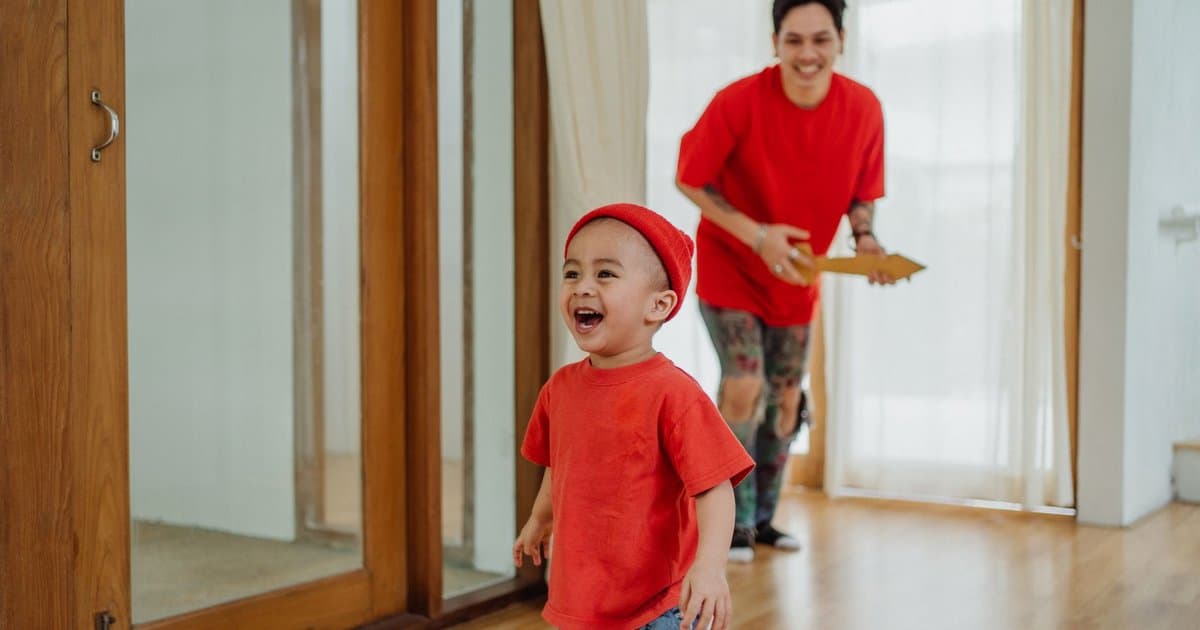
Your baby's first birthday is coming up, and the pressure feels real. Everyone has an opinion, grandparents want to buy the flashiest toy on the shelf, friends are sending Amazon links, and you're staring at a playroom that's already overflowing. You want something that matters. Something your child will actually use, enjoy, or treasure.
Here's the truth: most 1-year-olds don't care about brand names or price tags. They care about textures, sounds, faces, and feeling safe. The best gifts at this age, whether it's a wooden stacker, a zoo membership, or a personalized birthday book with their name on every page, work because they meet your child exactly where they are developmentally.
This guide breaks down what actually resonates at 12 months, what to skip, and how to handle the well-meaning avalanche of plastic from everyone who loves your kid.
What Do 1-Year-Olds Actually Care About?
At 12 months, your child's brain is building roughly one million neural connections every second, according to the Center on the Developing Child at Harvard University. That's staggering, and it means the "right" gift isn't about bells and whistles. It's about sensory richness and human interaction.
One-year-olds are drawn to things they can touch, mouth, shake, and bang. A cardboard box genuinely excites them as much as a $50 toy, because both offer novelty and exploration. They love faces, yours, their own in a mirror, characters in a book.
Movement-based gifts align beautifully with this stage. Most children are pulling to stand, cruising, or taking first steps around 12 months. Push walkers, soft balls to roll back and forth, and low climbing structures all support gross motor development while keeping them engaged.
Shared experiences matter more than objects. A child this age won't remember the gift, but they'll benefit from the connection it creates.
Which Gifts Support Development at 12 Months?
The best first birthday gifts align with real developmental milestones, not marketing trends. According to the American Academy of Pediatrics (AAP), children between 12 and 18 months are working on four major skill areas simultaneously.
Gross motor skills. Push toys, ride-on toys without pedals, and soft balls encourage walking and balance. Look for items with a wide, stable base that won't tip.
Fine motor skills. Stacking rings, shape sorters, and soft blocks help your child practice grasping, releasing, and hand-eye coordination. These simple toys build the foundation for feeding themselves and eventually holding a crayon.
Language development. Board books with textures, flaps, and repetitive phrases are ideal. Research published in Pediatrics by Mendelsohn et al. (2018) found that shared reading in infancy significantly improved language scores at kindergarten entry.
Early pretend play. Toy kitchens, play food, and simple dolls may seem advanced, but children begin imitative play around 12 months. These gifts have a long developmental runway.
When Is an Experience Gift Better Than Something Physical?
If you've ever watched a 1-year-old ignore a wrapped present and play with the tissue paper instead, you already know: objects aren't everything.
Experience gifts, music classes, toddler swim lessons, zoo or children's museum memberships, offer something physical toys can't. They grow with your child. A zoo membership works at 12 months and still works at four. A battery-operated toy might hold attention for a week.
Many parents find that experience gifts also reduce household clutter, which matters more than people admit. A 2019 survey by the National Retail Federation found that U.S. consumers increasingly prefer experience-based gifts, with 40% of respondents choosing experiences over physical items.
Classes like toddler gymnastics or music groups also normalize peer interaction. At 12 months, children engage in "parallel play", playing alongside other children rather than with them. Group settings support this transition naturally.
Don't underestimate the value of a library card, either. It's free, and it gives your child access to hundreds of books a year.
How Do Books and Stories Fit Into a Personalized Birthday Book Gift?
Board books are arguably the single best gift category for a 1-year-old. They're durable, interactive, and developmentally perfect. Children this age love pointing at images, hearing the same story twenty times in a row, and feeling different textures on the page.
That repetition isn't annoying, it's how language develops. According to ZERO TO THREE, toddlers need to hear a word an average of several dozen times in meaningful context before they begin using it. Books provide that natural repetition within a bonding experience.
High-contrast images, lift-the-flap features, and rhyming text all hold attention at this stage. Classic titles like Dear Zoo, That's Not My... series, and Brown Bear, Brown Bear remain favorites for good reason.
Some parents find that a personalized birthday book, where the child sees their own name and likeness in the story, creates a uniquely special keepsake. Children light up when they recognize themselves, and the book becomes something families revisit for years rather than a toy that's outgrown in months.
Whatever books you choose, the key ingredient is reading together. The AAP recommends shared reading from infancy, and a first birthday is a perfect milestone to reinforce that habit.
How Many Gifts Are Too Many for a 1-Year-Old?
Here's something no one tells you before the first birthday party: too many gifts can actually backfire. If your 1-year-old seems overwhelmed, ignores most presents, or melts down during unwrapping, that's a normal response to overstimulation, not ingratitude.
Research on the "paradox of choice" by psychologist Barry Schwartz (2004) shows that excessive options can reduce satisfaction and increase stress — even in very young children. A toddler presented with fifteen new toys at once may flit between them without engaging deeply with any.
A practical target is 3–5 quality gifts. One "special" item (a keepsake or experience), two to three developmental toys, and perhaps one fun, silly thing. That's enough.
Communicate gently with family beforehand. Try: "We'd love experiences, books, or contributions to a savings account instead of lots of toys." Most people appreciate the guidance.
If your child does receive more gifts than expected, rotate them. Put half away and reintroduce them in a few weeks. Suddenly, a "forgotten" toy feels brand new.
What Gifts Should I Avoid for a 1-Year-Old?
Not all gifts are safe or appropriate at 12 months, no matter how good the reviews look online. Here's what to skip.
Choking hazards. The U.S. Consumer Product Safety Commission (CPSC) states that any toy or toy part smaller than 1.25 inches in diameter is a choking risk for children under three. This rules out many building sets, small figurines, and craft supplies marketed to older toddlers.
Toys with excessive noise. If there's no volume control, it's not just annoying — it can exceed safe decibel levels for small ears. Look for an off switch or adjustable volume.
Overly complex toys. If a gift requires adult intervention to "work" — complicated assembly, fragile parts, specific sequences — your 1-year-old will lose interest quickly and you'll end up frustrated.
Screens and tablets. The AAP and the World Health Organization both recommend avoiding screen-based media for children under 18–24 months (with the exception of video chatting). A tablet isn't a developmental tool at this age.
Trend-driven toys. That viral toy from social media might look impressive, but if it doesn't match your child's developmental stage, it'll collect dust within weeks.
When to Talk to Your Pediatrician
A first birthday is also a natural checkpoint for development. While every child develops at their own pace, certain signs warrant a conversation with your pediatrician.
If your 12-month-old isn't responding to their name, making eye contact, or showing interest in simple interactive games like peek-a-boo, mention it at their well-child visit. According to the CDC's developmental milestone guidelines (updated 2022), children should be waving, saying one or two words, and pulling to stand by 12 months.
Not meeting one milestone isn't cause for panic — some children are simply on their own timeline. But early intervention, when needed, leads to significantly better outcomes. The earlier developmental differences are identified, the more effective support tends to be.
If you notice your child consistently ignoring toys, not engaging with books, or showing very limited interest in exploring objects, bring it up. Your pediatrician can screen for developmental delays and connect you with early intervention services if appropriate.
Trust your instincts. You know your child best.
Key Takeaways
- Sensory and movement-based gifts beat flashy electronics at 12 months. Think stacking rings, push toys, soft balls, and textured board books.
- Experience gifts — memberships, classes, and outings — grow with your child and reduce clutter.
- Books are the gold standard. Shared reading builds language, literacy, and attachment. A personalized birthday book can become a keepsake that outlasts any toy.
- Limit to 3–5 quality gifts to avoid overwhelm. Rotate extras to keep novelty alive.
- Skip choking hazards, loud toys, screens, and trend-based gadgets. Developmental appropriateness matters more than popularity.
- Communicate with family. A simple "We'd love books or experiences" goes a long way.
- Talk to your pediatrician if you notice developmental concerns. Early support makes a real difference.
Get practical parenting tips delivered weekly
Evidence-based guidance for the moments that matter. No spam, unsubscribe anytime.
Frequently Asked Questions
Keep reading
How to Create a Dog Memorial Book (With Printable Templates)
Create a dog memorial book with photos, stories, and mementos. Learn 5 organizational tips and design ideas for honoring your pet's memory.
8 min read
How to Write a Wedding Speech for Your Aunt and Uncle (With Examples)
Write a heartfelt 3-5 minute wedding speech for your aunt and uncle. Follow this proven structure with character-focused stories and authentic delivery tips.
7 min read

Cat Memorial Book Ideas: Creating a Lasting Tribute
Create a cat memorial book with photos, memories, and keepsakes. Learn 6 meaningful ways to honor your pet and process grief with this personalized tribute.
7 min read
Get weekly parenting tips backed by research
Evidence-based guidance for the moments that matter. No spam, unsubscribe anytime.