Festival of Lights Story Activities: 7 Ways to Bring the Story to Life
Learn 7 hands-on Festival of Lights activities for kids including shadow puppets, lamp crafting, and sensory play. Adaptable for toddlers through age 7.

Matt Li
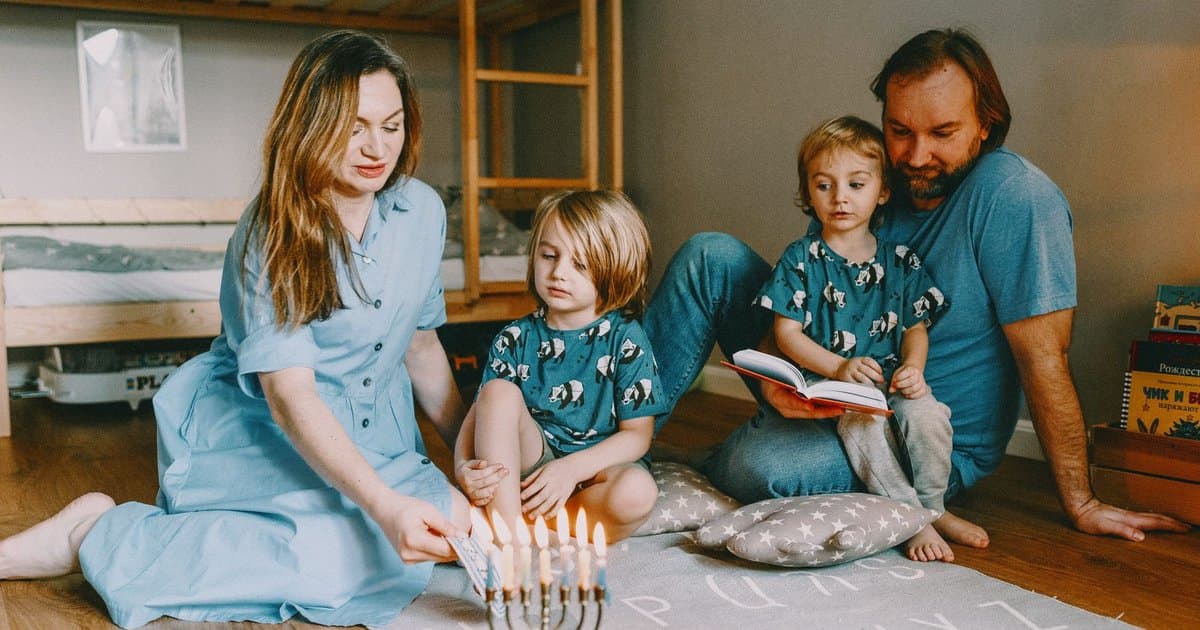
Festival of Lights Story Activities: 7 Ways to Bring the Story to Life
The best Festival of Lights story activities pair reading with hands-on experiences like shadow puppet theatre, sensory light play, and collaborative retelling games. These multi-sensory approaches strengthen story comprehension because children process narrative themes through their bodies and emotions, not just their ears. Below are seven activities you can start today with supplies you probably already have at home.
Key Takeaways
- Shadow puppets and sensory play help children physically explore light-versus-darkness themes.
- Story sequencing cards build narrative comprehension and verbal confidence.
- Crafting lamps and planning celebrations make abstract story concepts tangible.
- Activities adapt easily for toddlers through early school-age children.
- Universal themes of hope and community work for families of any background.
Shadow Puppet Theatre and Light Play
Set up a white sheet or pillowcase between two chairs, place a flashlight behind it, and let children act out key scenes from the Festival of Lights story. They can cut simple silhouettes from cardstock (a lamp shape, a figure, a star) and move them against the light to narrate the journey from darkness to celebration.
According to National Geographic Kids 1, Diwali celebrations center on the triumph of light over darkness. Shadow puppet play lets children explore that contrast physically. When a child switches off the flashlight and then turns it back on, they feel the emotional shift the story describes.
This activity builds fine motor skills through cutting and manipulating puppets, and dramatic play strengthens narrative understanding. Even toddlers can hold a flashlight and watch shadows move across the sheet.
Diwali Lamp Crafting and Decoration
Children can craft their own diyas (lamps) using air-dry clay, paper cups, or simple origami. Provide markers, glitter glue, and tissue paper for decoration. Once finished, place a battery-operated tea light inside each lamp for a safe glow.
As Twinkl 2 notes, creating festival-themed crafts helps children connect cultural learning with hands-on creativity. The finished lamp becomes a keepsake that reinforces story memory long after the reading ends.
For younger children (18 months to 3 years), pre-cut shapes and stick-on gems work well. Preschoolers can roll clay and press patterns into it. Older children (5 to 7) might design elaborate rangoli-inspired patterns on their lamps. The physical act of building something from the story helps kids retain its meaning.
Story Sequencing and Retelling Games
Print or draw four to six simple scene cards showing key moments from the story: the darkness, the journey, the lighting of lamps, the celebration. Lay them out and ask your child to arrange them in order.
Once sequenced, invite your child to retell the story using the cards as prompts. According to Handley Regional Library 4, storytime activities that include retelling build both comprehension and confidence. Children often add their own details, improvising dialogue or inventing new scenes. This is exactly what you want.
For groups of children, try a matching game: pair actions with outcomes from the story. One card shows someone lighting a lamp, the matched card shows a room glowing. These sequencing games work beautifully as creative activities for kids in classroom or home settings.
Light and Darkness Sensory Exploration
Create a sensory bin or a small dark space (a blanket fort works perfectly) and fill it with glow sticks, light-up toys, and luminescent items. Let children explore how light behaves in darkness.
Start with the fort completely dark. Ask your child how the darkness feels. Then hand them a glow stick and watch the mood shift. This simple exercise mirrors the emotional arc of the Festival of Lights story, where darkness gives way to hope and warmth.
As described by GlobeTrottinKids 3, the festival's symbolism of inner light conquering ignorance carries deep emotional resonance. Sensory exploration gives even pre-verbal toddlers a way to process that symbolism through touch and sight. Add scented items like cinnamon sticks or orange peel to engage smell, layering sensory input for stronger memory formation.
Festival Celebration Planning and Role-Play
Invite your child to plan a mini Festival of Lights celebration. They can design invitations (simple drawings work fine), set up a space with their handmade lamps, and prepare a treat to share.
Role-play deepens the connection to themes of community and gratitude that anchor the story. According to Newsela 5, classroom Diwali activities that include shared celebrations help children understand the festival's community-centered values. The same applies at home.
Keep it simple. A plate of cookies, a few lamps arranged on a table, and a short retelling of the story to a family member or stuffed animal audience is more than enough. Children aged 3 to 5 especially thrive when they feel responsible for organizing something meaningful. This is where the story stops being words on a page and becomes lived experience.
Art Response and Emotion Mapping
Give your child a large sheet of paper divided in half. Label one side "darkness" and the other "light." Provide paints, crayons, and collage materials, then ask them to show what each side of the story feels like using color and shape.
Younger children might simply paint one side dark and one side bright. Older children can add faces showing fear, courage, joy, or relief. This activity gives non-verbal learners a powerful way to process narrative emotions.
Display the finished artwork. When children see their interpretation valued, it builds confidence and invites conversation. You might ask: "Tell me about this part. What was happening in the story here?" Some families find that reading a personalized Diwali celebration story beforehand gives children a stronger personal connection to the themes they then express through art.
Gratitude and Light-Sharing Circle
After exploring the story through any of the activities above, gather in a circle. Each person names one thing they are grateful for and one way they can "share light" (kindness) with someone this week.
For toddlers, keep it concrete: "What makes you happy?" For preschoolers, introduce the idea that kindness is like lighting a lamp for someone else. Children aged 5 to 7 can write their ideas on paper flames and add them to a class or family "gratitude jar."
This bridges story themes to real-world emotional learning. Many early childhood educators use gratitude circles as a closing ritual because they help children internalize values rather than just hear about them. If your family enjoys exploring stories through activity, personalized story books can extend this approach to other themes and celebrations throughout the year.
Adapting Festival of Lights Story Activities by Age
Age Range | Best Activities | Adaptations |
|---|---|---|
18 months to 3 years | Shadow play, sensory exploration, simple lamp crafting | Pre-cut shapes, adult-led narration, short sessions (10-15 min) |
3 to 5 years | Sequencing games, crafting, celebration role-play | Child-led retelling, more decoration options, 20-30 min sessions |
5 to 7 years | Art response, gratitude circles, planning activities | Written reflections, detailed crafts, group performances (30-45 min) |
Follow your child's lead. If they lose interest in sequencing cards but want to spend 40 minutes building shadow puppets, let them. Engagement matters more than completing every activity on a list.
Frequently Asked Questions
How long should these activities take?
Most activities take 15 to 45 minutes depending on your child's age. Shadow play and sensory exploration run shorter, while crafting and celebration planning can stretch longer if interest holds.
Can I do these activities if my family doesn't celebrate Diwali?
Yes. Light, darkness, hope, and community are universal themes that resonate across cultures and beliefs, as noted by San Diego Family 6.
What materials do I need?
Flashlights, a white sheet, paper, markers, air-dry clay or paper cups, battery tea lights, and basic craft supplies. Nothing expensive or hard to find.
Are these activities suitable for classroom use?
Absolutely. Shadow theatre becomes a group performance, lamp crafting works as a station, and gratitude circles scale well to groups of 15 to 30 children.
How do these activities connect to the Festival of Lights story?
Each activity engages directly with the story's core themes through play, sensory experience, and creative expression rather than passive listening alone.
Sources
- National Geographic Kids. Diwali—Festival of Lights. https://kids.nationalgeographic.com/pages/article/diwali
- Twinkl. Diwali - The Festival of Light Resources! https://www.twinkl.com/blog/diwali-the-festival-of-light-resources
- GlobeTrottinKids. Diwali: Festival of Lights. https://www.globetrottinkids.com/diwali-festival-of-lights/
- Handley Regional Library. Festival of Lights Storytime. https://www.handleyregional.org/blog/festival-lights-storytime
- Newsela. Diwali Activities for a Classroom Festival of Lights. https://newsela.com/blog/read/diwali
- San Diego Family. How to Celebrate Diwali: The Festival of Light. https://www.sandiegofamily.com/things-to-do/seasonal-happenings/do-it-yourself-diwali
Get practical parenting tips delivered weekly
Evidence-based guidance for the moments that matter. No spam, unsubscribe anytime.
Frequently Asked Questions
Keep reading
Preparing Your Child for a Sibling in the NICU: What to Expect
Help your older child adjust to a NICU sibling with age-appropriate language, short visits, and emotional support. Manage stress responses in 15-30 minute
10 min read
Diwali and the Ramayana: Understanding the Festival's Sacred Story
Learn how the Ramayana shapes Diwali celebrations across India. Explore Rama's 14-year journey, Ravana's complexity, and age-appropriate ways to teach children
10 min read

How to Prepare Your Child for a New Sibling (And What to Expect)
Learn how to prepare your child for a new sibling with age-appropriate strategies. Expect adjustment within 6-8 weeks with this practical guide.
8 min read
Get weekly parenting tips backed by research
Evidence-based guidance for the moments that matter. No spam, unsubscribe anytime.