10 Christmas Creative Writing Activities Students Actually Enjoy
10 Christmas creative writing activities K-8 students love. Low-prep prompts, poetry, dialogue writing, and more to boost student motivation and engagement.

Matt Li
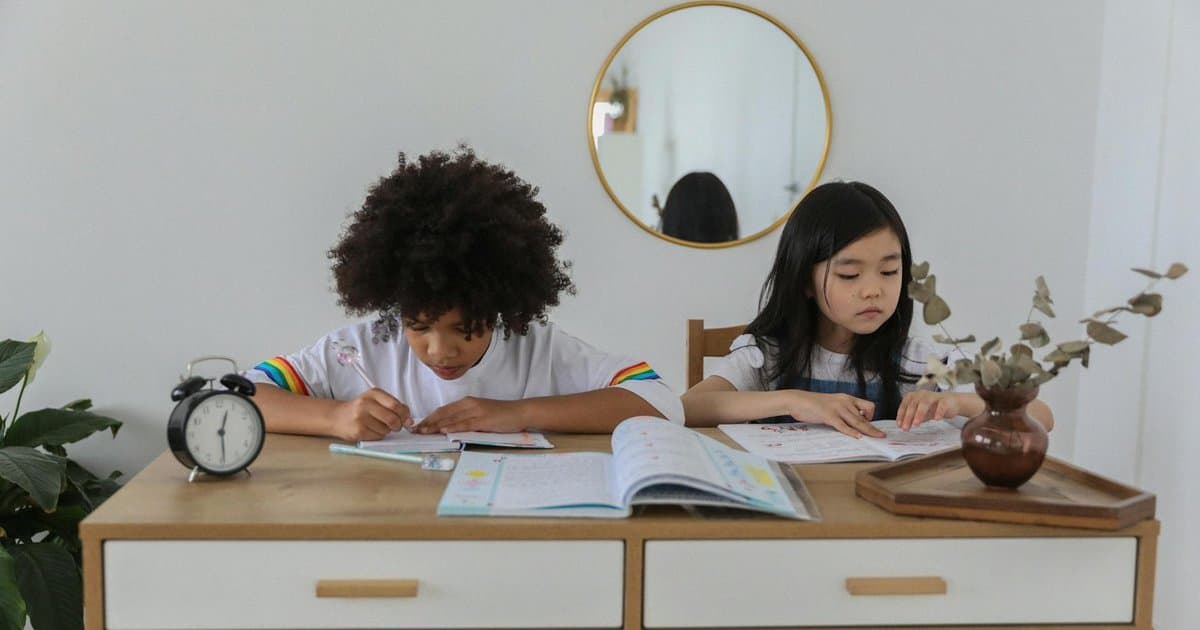
The best Christmas creative writing activities students love share three qualities: a fun premise, low pressure, and room for personal voice. Letter writing to holiday characters, perspective swaps, and collaborative class magazines consistently engage K-8 learners because students already care about the content. These ten activities require minimal prep, adapt across grade levels, and prioritize creative expression over mechanical perfection.
Key Takeaways
- Christmas creative writing activities students enjoy work best with fun prompts and low pressure.
- Poetry formats like acrostics reduce anxiety for struggling writers.
- Perspective swaps and dialogue writing build empathy alongside literacy skills.
- Offering secular alternatives ensures every student can participate meaningfully.
- An authentic audience (bulletin board, class magazine) boosts writing motivation.
Letter Writing to a Holiday Character
Students write to Santa, the Grinch, Rudolph, or Mrs. Claus, combining persuasion, narrative voice, and personal creativity in one activity. Choose a character that matches your curriculum goals. Santa works for creative requests and persuasive writing. Rudolph suits empathy narratives. The Grinch invites students to argue why he should change his mind.
For K-2 students, a single paragraph with an illustration is plenty. Older students can craft multi-paragraph letters using business letter format, complete with reasoning, specific details, and a proper closing. According to Graham and Perin (2007) 1, writing for authentic purposes and audiences significantly improves student motivation and quality.
Display finished letters on a bulletin board or "mail" them in student-decorated envelopes. The physical act of sealing an envelope makes the writing feel real, which matters more than you might expect.
Memory Recount: My Best Holiday Moment
Students write a personal narrative about a meaningful holiday memory, practicing chronological storytelling and sensory language. This activity is emotionally accessible because every student has a memory to draw from, even if celebrations look different across families.
Start with a five-senses brainstorm: What did you see, hear, smell, taste, feel? A simple timeline graphic organizer (beginning, middle, end) provides structure without limiting creativity. Encourage specificity over length. "Grandma's kitchen smelled like cinnamon and burnt toast" is more powerful than three vague paragraphs.
Research from the National Writing Project supports the idea that personal narrative is one of the most effective entry points for developing writers 2. Students who write about their own experiences produce more detailed, voice-driven work. For students who don't celebrate Christmas, reframe the prompt as "My Best Winter Memory" or "A Family Tradition I Love."
Holiday Stories with Unexpected Twists
Students write Christmas stories built around plot surprises: Santa loses his magic, Christmas happens in July, toys come to life at midnight. The premise does half the creative work, which keeps reluctant writers engaged.
Provide story starters like "The year Christmas almost didn't happen because..." or "When the last present under the tree started talking..." Then use a simple plot outline: setup, problem, attempted solution, ending. This structure scaffolds narrative writing without making it formulaic.
A timed sprint of 20 to 30 minutes works surprisingly well here. According to the National Council of Teachers of English, timed low-stakes writing reduces perfectionism and increases fluency 3. Students who normally agonize over word choice often produce their most imaginative work when the clock is running. Save revision for another day. The goal is momentum.
Holiday Acrostic and Poetry Writing
Poetry removes the pressure of long-form writing, making it ideal for students who worry about "getting sentences right." Words like CHRISTMAS, SNOWFLAKE, or CANDY CANE work perfectly for acrostic poems, where each line starts with the next letter.
For older students, try haikus (5-7-5 syllable structure) about winter scenes. Cinquain poems, with their five-line word count pattern (1-2-3-4-1), teach condensed thinking and rhythm. Both formats encourage students to weigh every word, which builds stronger writing habits across genres.
One pattern that works well in mixed-ability classrooms: let students choose their format. Offer acrostics, haikus, and cinquains side by side, and allow students to try more than one. Graham and Harris (2016) 4 found that student choice in writing tasks correlates with higher engagement and self-efficacy. Post the finished poems in the hallway. Poetry looks beautiful on display.
Winter Wish List Creative Expansion
Instead of listing gifts, students write detailed descriptions that bring one item to life. The prompt is simple: "Describe one gift in such detail that someone could imagine opening it without seeing the box." What would it feel like to hold? What color is the wrapping paper? Why does this gift matter to you?
This transforms a basic list into descriptive writing with personality and voice. Include emotional reasoning by asking students to explain how the gift would make them feel and why. Older students (grades 5-8) can write mock advertisements or persuasive paragraphs arguing why their chosen gift deserves "Gift of the Year" status.
The persuasive version pairs naturally with social stories for teaching kids social skills, since students practice seeing situations from another person's perspective. Even the wish list format builds real writing muscles: word choice, detail, and audience awareness.
Perspective Swap: Writing from Another Point of View
Students retell a holiday scene from an unexpected angle. What does Christmas Eve look like from the elf's perspective? What does a wrapped present think about while sitting under the tree? How does the family dog experience Christmas morning?
Anchor the activity with a familiar scenario: "Retell your family's holiday dinner from the turkey's point of view" or "Write about a shopping trip from the toy's perspective." Younger students can write simple first-person sentences ("I was excited inside the box. I heard ripping sounds."). Older students craft detailed inner monologues with emotion, conflict, and humor.
Perspective-taking exercises build both writing skill and empathy. Research by Fong et al. (2013) 5] found that narrative perspective-taking activities improve students' ability to understand others' emotions. This makes December, with its emphasis on generosity and community, a natural fit. Some teachers pair this activity with read-alouds of [personalized Christmas books, which model the concept of seeing yourself inside a story.
Dialogue Writing: Holiday Conversations Between Characters
Dialogue feels less formal than paragraphs, which makes it a quiet win for reluctant writers. Students write conversations between holiday characters: Santa and Mrs. Claus debating vacation plans, siblings arguing about who gets to open the first present, or a child negotiating with an Elf on the Shelf.
Provide a scenario and three to five lines of starter dialogue for students to continue. Review proper dialogue formatting (quotation marks, new speaker on a new line, punctuation inside the quotes). Then add one layer of complexity: "What is each character doing while they talk?" Action tags like "she said, stirring the cocoa" bring scenes to life.
This activity works especially well as a partner exercise. Two students can co-write a conversation, each taking one character. The collaborative element reduces individual pressure while naturally producing longer, more detailed writing. Students who "hate writing" often love this format because it feels more like play.
Holiday Recipe or Instructions with Personality
Students write instructional text for making hot chocolate, decorating cookies, or wrapping a gift, but with creative flair baked in. Procedural writing is a real-world genre that students rarely get to practice in a fun context.
Each step should include humor or personality: "Stir with the enthusiasm of an elf who just got promoted" or "Wait three minutes. This will feel like three hours." Use clear sequence words: first, next, then, finally. Younger students write three to four steps. Older students include ingredients lists, timing, and troubleshooting tips.
The structure here reduces cognitive load because students already know the content. They don't have to invent a plot or remember facts. They just describe something they've done before, which frees up mental energy for word choice and voice. This activity also connects well to DIY handmade teacher gifts kids can create, since students can write instructions for gifts they actually make.
Holiday Newspaper or Class Magazine
Students contribute short pieces to a collaborative classroom publication: holiday jokes, winter weather forecasts, fictional interviews with Santa, advice columns from elves, or reviews of holiday movies. This combines multiple writing genres into one project with a real publication goal.
Assign different roles: reporters, columnists, illustrators, editors. Include student drawings, quotes from classmates, and fictional holiday advertisements. The variety means every student finds a format that suits their strengths.
Print copies and distribute them to families, or display the magazine in the school hallway. The authentic audience matters. According to NAEYC (2020) 6], children produce stronger writing when they know someone will read it. Some parents find that a [personalized Christmas adventure story sparks additional writing excitement at home, because children who see themselves as characters in stories become more eager to create their own.
Timing, Inclusivity, and Classroom Adjustments
Holiday creative writing lands best in early to mid-December, when students still have energy but could use a motivating break from the regular curriculum. If time is tight, pick one activity rather than attempting a full unit. A single well-executed writing prompt beats five rushed ones.
Check your classroom demographics before choosing prompts. Offer secular alternatives: winter nature writing, New Year goal-setting, seasonal observations, or "If I invented a holiday, it would be..." prompts. Students from non-Christian backgrounds can write about their own celebrations or imagine entirely new ones. Inclusivity doesn't mean avoiding Christmas. It means making sure every student has an entry point.
Combine writing with read-alouds whenever possible. Reading holiday books first sparks better writing ideas, gives students mentor texts to model, and creates shared vocabulary. Even 10 minutes of reading before a writing session produces noticeably richer student work.
Get practical parenting tips delivered weekly
Evidence-based guidance for the moments that matter. No spam, unsubscribe anytime.
Frequently Asked Questions
Keep reading
How to Create a Dog Memorial Book (With Printable Templates)
Create a dog memorial book with photos, stories, and mementos. Learn 5 organizational tips and design ideas for honoring your pet's memory.
8 min read
How to Write a Wedding Speech for Your Aunt and Uncle (With Examples)
Write a heartfelt 3-5 minute wedding speech for your aunt and uncle. Follow this proven structure with character-focused stories and authentic delivery tips.
7 min read
Cat Memorial Book Ideas: Creating a Lasting Tribute
Create a cat memorial book with photos, memories, and keepsakes. Learn 6 meaningful ways to honor your pet and process grief with this personalized tribute.
7 min read
Get weekly parenting tips backed by research
Evidence-based guidance for the moments that matter. No spam, unsubscribe anytime.