Does Your 1-Year-Old Really Need a Personalized First Birthday Book?
Is a personalized first birthday book a smart gift for your 1-year-old? Explore what research says, quality standards, and better alternatives.

Matt Li
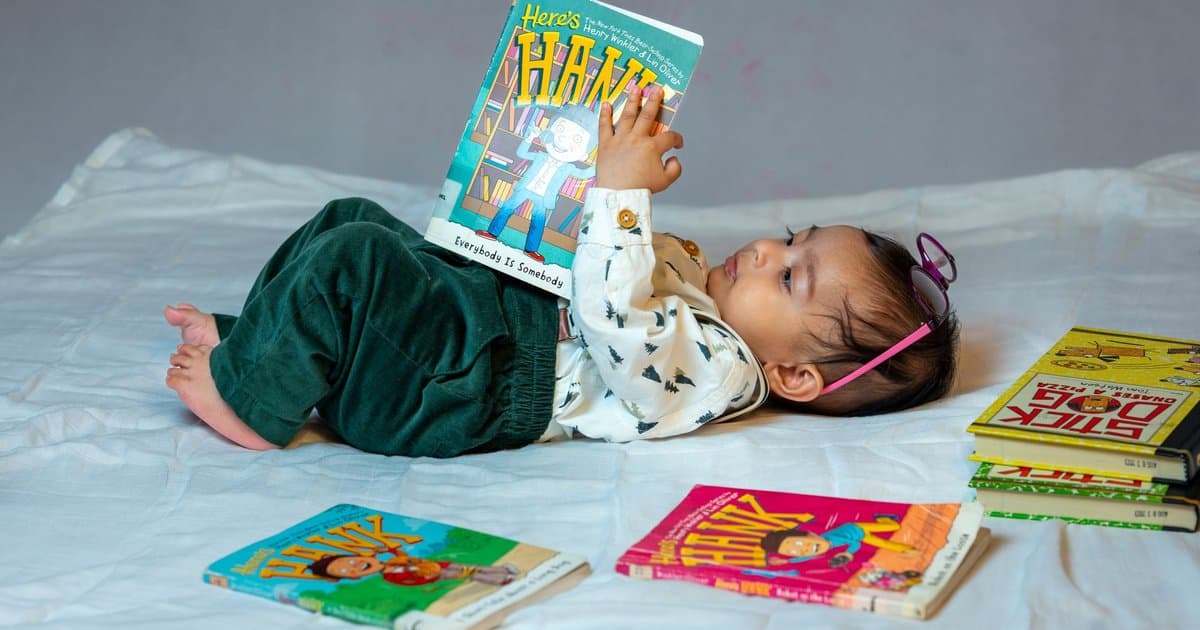
You're standing in front of your screen, scrolling through gift ideas, and the ads keep showing you the same thing: a beautiful, custom-made personalized first birthday book with your child's name on the cover. It looks gorgeous. But a nagging question lingers, will your one-year-old actually care? Or is this really a gift for the adults?
That's a fair question. First birthday gift shopping is emotionally loaded. You want something meaningful, lasting, and developmentally appropriate. A personalized first birthday book can be all of those things, or it can be an expensive shelf decoration.
This guide breaks down what one-year-olds actually engage with, when personalization adds real value, and when your money might be better spent elsewhere. No pressure, no guilt, just honest guidance grounded in child development research.
What Do 1-Year-Olds Actually Understand About Books?
Let's set realistic expectations. At 12 months, most toddlers don't follow a plot. They aren't reading words. They're not even sitting still for long.
What they are doing is remarkable. According to research by Mandel, Jusczyk, and Pisoni (1995), infants begin recognizing the sound of their own name as early as 4.5 months, and by 12 months, name recognition is well established. When a toddler hears their name during a read-aloud, it grabs their attention in a way that generic text doesn't.
One-year-olds respond to bold colors, high-contrast images, and repetitive sounds. They engage through sensory exploration, chewing pages, turning them, slapping pictures. They recognize familiar faces and objects before they understand stories.
So a personalized book can capture a toddler's attention, but the personalization itself isn't doing the heavy lifting. The bright pictures, sturdy pages, and your voice are what matter most right now.
What Makes a Personalized First Birthday Book Actually Engaging?
Not all personalized books are created equal, especially for this age group. The best ones combine smart design with meaningful customization.
Here's what to prioritize for a one-year-old:
- Board book format. Paper pages won't survive a week. Thick, rounded-edge board pages are essential.
- Bold, simple illustrations. According to the American Academy of Pediatrics (2014), high-contrast and brightly colored images hold infant attention better than detailed or muted artwork.
- Minimal text. One or two short lines per page is plenty. Rhythm and rhyme keep toddlers engaged longer than prose.
- Natural personalization. The child's name should feel woven into the story, not pasted over a generic template.
Personalization is a bonus layer, it adds emotional warmth and name recognition practice. But if the underlying book has flimsy pages, dull illustrations, or walls of text, no amount of customization will make a 12-month-old sit through it.
How Does a Personalized First Birthday Book Compare to Other Gift Options?
Before committing to a personalized book, it helps to step back and consider what families actually use during this stage.
Board book collections, sets of classic titles like Goodnight Moon or Brown Bear, Brown Bear, tend to get heavy daily use. They're cheap, replaceable, and perfectly designed for one-year-old hands.
Sensory toys and motor development items, stacking rings, push walkers, balls, support the physical milestones that dominate the 12-month period. The CDC's developmental milestones checklist emphasizes that gross and fine motor skills are central at this age.
Experiences, a library card, a music class pass, a zoo membership, create memories without adding clutter.
A personalized book excels at something different: emotional resonance and keepsake value. It's the gift you pull off the shelf five years later and say, "Look, this was made just for you." That matters. But it's worth knowing where it fits in the bigger picture.
When Is a Personalized First Birthday Book Worth the Investment?
A personalized book makes the most sense in specific situations. Here's when the investment pays off emotionally and practically.
You're a grandparent or close family member. The sentimental value lands harder when the giver has a lifelong relationship with the child. Grandparents often report that personalized gifts become treasured family objects over time.
The parents already own board book basics. If the family has plenty of sturdy everyday books, a personalized option adds variety rather than duplicating what's already on the shelf.
You pair it with a practical gift. Many parents find that a personalized book works best as part of a gift bundle, combined with a sensory toy, clothing, or a gift card, rather than standing alone.
You're okay with it becoming a keepsake. Some families read personalized books nightly. Others display them. Neither approach is wrong. Just be honest about which outcome you're expecting.
What Should You Actually Look for When Choosing One?
If you've decided a personalized first birthday book is the right call, here's a practical checklist to avoid wasting money on something that falls apart or gets ignored.
Construction first. Board book pages, rounded corners, and a spine that can handle being opened flat repeatedly. According to ZERO TO THREE (2022), toddlers explore books physically before they engage with content — so durability isn't optional, it's the baseline.
Non-toxic materials. This book will go in your child's mouth. Look for companies that specify non-toxic, food-safe inks and materials. If the book arrives smelling strongly of chemicals, that's a red flag.
Integrated personalization. The child's name should appear naturally within the story, not just on the cover. The best personalized books make the child feel like a character, not an afterthought.
Age-appropriate length. For a one-year-old, 10–16 pages is plenty. Longer books lose toddlers quickly.
What Do Experts Say About Book Choices for 1-Year-Olds?
Here's the reassuring truth: child development experts don't stress about which books you choose. They stress about whether you're reading at all.
A landmark study by the American Academy of Pediatrics, published in their 2014 policy statement on literacy promotion, found that reading aloud to children from infancy is one of the strongest predictors of later language development. The type or brand of book mattered far less than the frequency and warmth of shared reading.
Research by Mol and Bus (2011) in a meta-analysis published in Review of Educational Research confirmed that print exposure in early childhood has lasting effects on vocabulary and reading comprehension — regardless of whether the books were personalized, secondhand, or borrowed from a library.
So if you're reading to your one-year-old regularly, you're already doing the most important thing. A personalized book can make that experience feel special, but it's your voice and presence that drive the real benefit.
Alternative First Birthday Gifts That Might Work Better
If a personalized first birthday book doesn't feel right for your situation, there are excellent alternatives that support development and create lasting memories.
A curated board book set. Five to ten classic board books give families variety and daily reading options for under $30. Titles like Dear Zoo, Where's Spot?, and The Very Hungry Caterpillar are beloved for good reason.
Sensory and motor toys. Stacking cups, nesting blocks, or a simple ball. These align directly with the gross and fine motor milestones the CDC highlights for the 12–18 month range.
A library card and storytime sessions. Free, renewable, and social. Many public libraries offer baby and toddler storytimes that build routine around reading.
An experience gift. A children's museum membership, a music class, or a swim lesson series. These create shared memories without adding to the toy pile.
Any of these can be paired with a heartfelt card or inscription to add the personal touch a personalized book provides.
How to Choose Between DIY Personalization and a Professional Book
You don't have to buy a commercially personalized book to give something personal. DIY options can be just as meaningful — though they come with trade-offs.
DIY approaches include pasting family photos into a blank board book, writing a custom story by hand, or creating a photo book through a print service. These are affordable, deeply personal, and flexible. The downside: homemade books are less durable, and photo book pages tend to be thin paper rather than board.
Professional personalized books offer polished illustrations, sturdy construction, and consistent quality. Some parents find that reading a personalized story about their child's first year helps create a special bedtime ritual, because the child sees themselves in the narrative. The trade-off is cost — typically $25–$50.
A hybrid approach works well too: buy a quality board book and write a personal inscription on the inside cover. It's simple, durable, and sentimental. Many families treasure inscribed books for decades.
Red Flags for Personalized Book Quality
Not every company selling personalized books delivers a product worth giving. Here's what to watch for before you buy.
The smell test. Open the book. Safe, non-toxic inks should have minimal odor. A strong chemical smell suggests low-quality printing materials — concerning for a book that will inevitably end up in a toddler's mouth.
Page thickness. True board book pages are rigid and difficult to tear. If the pages bend easily or feel like laminated cardstock, they won't survive a week of toddler use.
Binding durability. Check reviews specifically for comments about the spine. Toddlers open and close books aggressively. Poor binding leads to pages detaching within weeks.
Personalization depth. Avoid books where the child's name appears only on the cover or is clearly digitally pasted over placeholder text. Quality personalization integrates the child's name into the rhythm and flow of the story itself.
According to the Consumer Product Safety Commission, children's products — including books — must meet safety standards under CPSIA. Verify that any personalized book you purchase complies.
Key Takeaways
- One-year-olds respond to their name, bold images, and repetition — not narrative or personalization sophistication.
- A personalized first birthday book works best as a keepsake and supplementary gift, not the sole present.
- Durability matters more than customization. Board book format, non-toxic inks, and strong binding are non-negotiable.
- Reading aloud regularly matters far more than what you read. Library books, hand-me-downs, and classics all work.
- DIY personalization is a meaningful, budget-friendly alternative to professional options.
- If you're reading to your child consistently, you're already giving them the best gift.
Get practical parenting tips delivered weekly
Evidence-based guidance for the moments that matter. No spam, unsubscribe anytime.
Frequently Asked Questions
Keep reading
How to Create a Dog Memorial Book (With Printable Templates)
Create a dog memorial book with photos, stories, and mementos. Learn 5 organizational tips and design ideas for honoring your pet's memory.
8 min read
How to Write a Wedding Speech for Your Aunt and Uncle (With Examples)
Write a heartfelt 3-5 minute wedding speech for your aunt and uncle. Follow this proven structure with character-focused stories and authentic delivery tips.
7 min read
Cat Memorial Book Ideas: Creating a Lasting Tribute
Create a cat memorial book with photos, memories, and keepsakes. Learn 6 meaningful ways to honor your pet and process grief with this personalized tribute.
7 min read
Get weekly parenting tips backed by research
Evidence-based guidance for the moments that matter. No spam, unsubscribe anytime.