Grandparent Lessons for Classroom: Bringing Intergenerational Wisdom Into Learning
Bring intergenerational wisdom into your classroom with structured grandparent visits. Learn preparation steps, activity ideas, and how to include all students.
Erika Wong
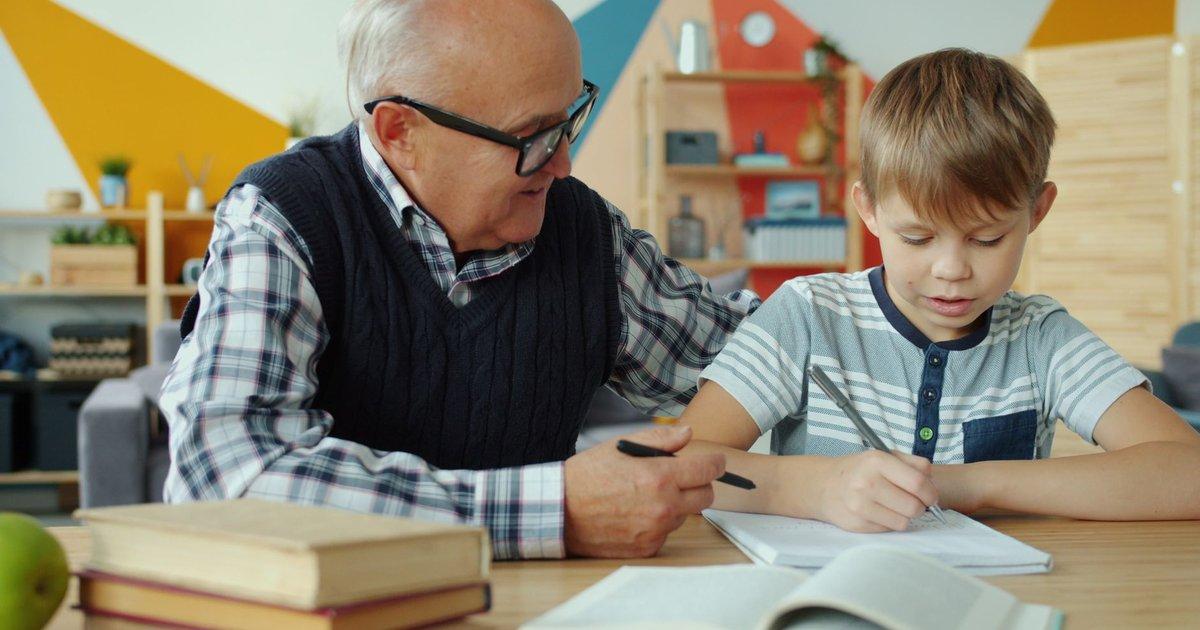
Bringing grandparent lessons into the classroom works best when you treat the visit like any other lesson: with a clear learning objective, a structured time block, and prepared students. Grandparents and older community members offer something textbooks cannot, which is lived experience that makes history, culture, and practical skills feel personal and real. The payoff is worth the planning, but it does take planning.
Key Takeaways
- Grandparent visits need the same lesson structure as any other classroom activity.
- Not all children have available grandparents; include community elders and mentors.
- Short, repeated visits build deeper connections than single one-off events.
- Preparing both the visitor and the students prevents most common problems.
- Follow-up activities like thank-you letters extend learning beyond the visit itself.
Why Intergenerational Classroom Visits Matter for Child Development
Children learn differently when a real person sits in front of them and says, "I remember when this happened to me." Abstract concepts in social studies or science land harder when they come from someone's life. According to Stanford Children's Health, programs like Grandparenting Today emphasize the importance of intergenerational connection for healthy child development 1.
Older adults bring communication styles that differ from what kids encounter daily. A grandmother who grew up without the internet describes problem-solving in ways that stretch children's thinking. A grandfather demonstrating a hand tool gives kinesthetic learners something a worksheet never will. These visits also build children's sense of belonging. When a child sees their family's knowledge valued in the classroom, their confidence grows visibly.
Planning a Grandparent Guest Lesson: Preparation and Framework
Start recruiting early. Send home a note that welcomes "grandparents, older family members, or important adults in your child's life." Be specific about what you need: a 15-to-20-minute time block, a skill or story to share, and willingness to answer a few student questions.
Once a visitor confirms, meet briefly (a phone call works) to co-plan. Give them a written outline: the learning objective, two or three vocabulary words students are working on, and a rough timeline. According to Amma Parenting, grandparent education programs stress the value of preparing older adults for today's childhood environments 3. This principle applies in classrooms too. A grandparent who knows what to expect feels confident, not anxious.
Before the visit, prepare your students. Teach them what respectful listening looks like. In my classroom, we practise STAR sitting before any guest arrives: Sit up, Track the speaker, Ask questions when invited, Respect the visitor's time. I've found this brief rehearsal prevents most attention problems before they start.
Grandparent Stories as Social Studies and History Curriculum
Family stories turn history from a timeline on the wall into something children can feel. Ask visiting grandparents to bring one object from their past: a photograph, a recipe card, a tool, a piece of clothing. Students then practise structured interview questions they've prepared in advance.
This doubles as a literacy and communication exercise. Children learn to ask open-ended questions ("What was your school like?") rather than yes-or-no ones. You can connect these interviews to Mother's Day classroom activities or heritage month projects where students document family stories across generations.
A family timeline project, where each student maps three generations of their family's history, turns one grandparent visit into weeks of curriculum. Students who don't have a visiting grandparent can interview a community elder, a neighbor, or a family friend by phone or video.
Skill-Sharing Lessons: Crafts, Cooking, and Practical Knowledge
Some of the best grandparent lessons for classroom settings involve hands-on skills. Gardening, baking, simple sewing, or woodworking give children something to do with their hands while learning measurement, patience, and cultural traditions.
A grandmother teaching students to make tortillas is simultaneously teaching fractions, cultural history, and sensory engagement. A grandfather showing how to plant seeds in cups covers the science standards you were going to teach anyway, but now the lesson has a face and a story attached to it.
Keep these sessions short and well-supplied. Pre-measure ingredients. Pre-cut fabric. The grandparent's job is to teach and connect, not to manage logistics. That part is yours.
Addressing Challenges and Setting Realistic Expectations
Not every visit goes perfectly. Some children are shy around unfamiliar adults. Some grandparents talk longer than planned. Sensory-sensitive students may struggle with cooking smells or crowded spaces. All of this is normal.
Keep first visits to 15 minutes. Give shy children a structured role, such as handing out materials or being the "photographer" with a classroom tablet. If a visitor loses the room's attention, step in warmly: "Thank you so much, Mr. Garcia. Let's pause here so the kids can try it themselves." According to Scripps Health, grandparent preparation classes recommend that older adults learn about current child development expectations before engaging with young children 2. This advice holds for classroom visits too. A brief conversation about your class's energy level and any sensory or behavioral needs goes a long way.
When Grandparents Aren't Available or the Relationship Is Complicated
Some children don't have grandparents in their lives. Others have grandparents who live far away, or relationships that are strained. Never build an activity that leaves a child sitting out.
Widen your invitation. Retired neighbors, community volunteers, older siblings of parents, or staff from a local senior center can fill the "elder visitor" role beautifully. For grandparents who live at a distance, set up a short video call or ask them to record a five-minute story that you play for the class. Students can respond with drawings or letters.
When my daughter Nora's class did a "special grown-up" week, one boy's visitor was the retired mail carrier from his street. That man's stories about delivering letters for 30 years led to a whole unit on teaching letter recognition and the history of the postal service. The connection matters more than the title.
Deepening the Connection: Follow-Up and Classroom Community
A one-time visit fades quickly. What sticks is the follow-up. Have students write thank-you notes the same day, while details are fresh. Create a classroom "guest wall" with photos, quotes, and student drawings from each visit. These become conversation starters for weeks.
Invite the same grandparent back for seasonal events or milestone celebrations. Repeated visits build real relationships. Children start to see intergenerational friendship as something that deepens over time, not just a single event on the calendar.
Some families find that reading together strengthens these bonds outside the classroom. A book like A Book for Grandma and Grandpa or other personalized story books can give a child and grandparent a shared reading experience that mirrors the classroom connection.
When to Talk to Your School Counselor
If a child becomes visibly upset during intergenerational activities, whether because of grief, family estrangement, or anxiety around unfamiliar adults, loop in your school counselor. These reactions are not misbehavior. They are big feelings surfacing in a moment the child didn't expect. Be present, name what you see ("It looks like you're feeling sad right now"), and follow up privately after the visitor leaves.
Get practical parenting tips delivered weekly
Evidence-based guidance for the moments that matter. No spam, unsubscribe anytime.
Frequently Asked Questions
Keep reading
Real Autism Success Stories: How Parents and Teachers Make a Difference
Explore authentic autism success stories beyond cures. Learn how communication, social skills, and environmental changes create measurable progress for
9 min read

Doctor Checkup Social Stories for Autistic Children: What Works
Learn how to create effective social stories for autistic children's doctor visits. Research shows social stories reduce anxiety and improve expected behaviors
10 min read
Social Stories About Transitions: A Practical Guide for Anxious Children
Discover how 150-300 word social stories reduce transition anxiety in children. Learn the 4-step structure, timing, and personalization tips with research
10 min read
Get weekly parenting tips backed by research
Evidence-based guidance for the moments that matter. No spam, unsubscribe anytime.