Thoughtful Kindergarten Teacher Gifts That Actually Matter
Discover thoughtful kindergarten teacher gifts teachers love. Practical ideas under $25, handmade options, group gift tips, and what to avoid. Backed by teacher insights.
Erika Wong
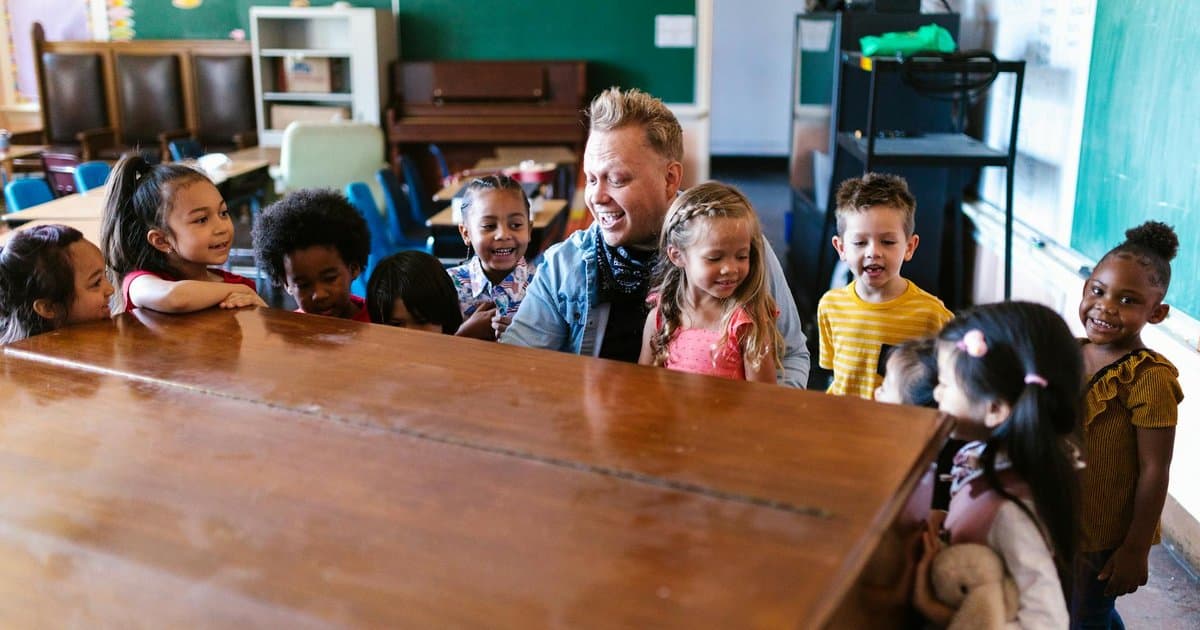
It's the last few weeks of school, and you're suddenly wondering what to get the person who taught your child to read, tie their shoes, and share with others. Finding the right end of year kindergarten teacher gifts can feel surprisingly stressful, especially when you're not sure what's appropriate, what teachers actually want, or how much to spend.
Here's the good news: you don't need to overthink this. Teachers consistently say that the most meaningful gifts aren't the most expensive ones. They're the ones that show you noticed what they did for your child all year.
This guide draws on teacher perspectives, parent experience, and research on educator well-being to help you choose a gift that genuinely matters, whether your budget is $5 or $50.
Why End-of-Year Kindergarten Teacher Gifts Matter
Kindergarten teachers do extraordinary invisible work. They coach emotional regulation, manage 20+ developing personalities, and adapt constantly throughout the day. According to a 2022 report from the National Education Association, 55% of educators said they were considering leaving the profession earlier than planned, with lack of recognition cited as a contributing factor (NEA, 2022).
An end-of-year gift isn't about obligation. It's a signal that you saw your child grow and you trust the teacher's role in that growth.
Kindergarten isn't "easy" teaching. These educators build the foundation for how children feel about school for years to come. A thoughtful gesture, even a small one, tells them their effort was visible. Many teachers say it's the personal acknowledgment, not the item itself, that carries them into the next school year feeling valued.
What Kindergarten Teachers Actually Want
When teachers talk candidly about gifts, a clear pattern emerges. According to a 2019 survey by the educator community WeAreTeachers, the top gift teachers wanted was classroom supplies, followed by gift cards and handwritten notes. Mugs, candles, and generic spa sets ranked lowest.
Teachers consistently report that they keep heartfelt notes from students longer than any purchased item. Many prefer gifts directed at their classroom over personal presents, they're easier to accept and benefit everyone.
The ideal format is a practical item paired with a handwritten note from your child, and optionally a class photo. This combination acknowledges the teacher as both a professional and a person. It says: I thought about what would actually be useful to you, and my child wanted to say thank you in their own words.
Best Practical End of Year Kindergarten Teacher Gifts Under $25
Practical gifts work because teachers use them. No guilt, no guessing about taste, no shelf of unused lotions.
Classroom-ready supplies ($5–15): Fine-tip dry-erase markers (teachers go through these constantly), quality sticky notes, laminating sheets, Flair pens, or sticker packs. These might sound unexciting, but a kindergarten teacher's face will light up over a fresh pack of Expo markers.
Comfort items for break time ($10–20): A good hand cream (kindergarten teachers wash their hands constantly), a herbal tea sampler, quality chocolate, or fuzzy socks.
Books for the classroom library ($10–25): A grade-appropriate picture book is a gift that keeps giving. Choose diverse titles the class might not already have. Research from Scholastic's Kids & Family Reading Report (2022) found that 80% of children ages 6–8 say their favorite books are ones read aloud by a teacher.
Handmade and Personalized Gifts That Stand Out
Handmade gifts from children are often the ones teachers keep for decades. They're irreplaceable and show genuine effort from the child, not just the parent.
Student-made ideas: A coupon book ("one free hug," "I'll help organize supplies," "story time leader for a day"), a decorated bookmark, a painted plant pot, or a hand-drawn portrait of the teacher. These cost almost nothing and carry enormous emotional weight.
Class compilation gifts: A video montage of students saying thank you, a framed class photo, or a book of drawings with dictated captions from each child. These require coordination but are often the gifts teachers display in their classroom for years.
Why do these work so well? According to research on gratitude expression published in Psychological Science (Kumar & Epley, 2018), people consistently underestimate how positively their expressions of thanks are received. Your child's wobbly handwriting and sincere words will mean more than you think.
Group Gifts From the Class
When families pool resources, you can give something more substantial while reducing pressure on individual budgets. A contribution of $3–5 per family adds up quickly.
How to organize: One parent volunteer sends a brief email or message through your class communication platform. Keep it simple: "We're collecting for an optional group gift for Ms. Garcia. Contribute any amount you're comfortable with by date." Emphasize optional, no family should feel pressured.
Popular group gifts ($50–75 pooled): A $50 gift card to a local restaurant or coffee shop, a large potted plant, a classroom library bundle of 5–8 new books, or a supply organizer stocked with materials.
Group gifts also solve the awkwardness of individual families worrying they spent too little or too much. According to the National PTA, group gifts are increasingly common and preferred by many teachers because they feel collaborative rather than transactional.
What to Avoid (and Why)
Some well-meaning gifts create unintentional awkwardness. Knowing what to skip is just as helpful as knowing what to give.
Gifts over $30 from a single family can make teachers uncomfortable. Many school districts actually have policies limiting gift values, the NEA notes that some districts cap teacher gifts at $25. Check your school's guidelines.
Generic spa sets and scented candles are the gifts teachers joke about receiving in multiples. They're not bad — they just don't feel personal. The same goes for novelty mugs ("World's Best Teacher" — most kindergarten teachers have a dozen).
Monogrammed or overly personal items assume you know the teacher's taste. Unless you're certain, skip anything that requires knowing their home décor style or clothing size.
A safer path: If you're unsure, default to classroom supplies plus a heartfelt note. You genuinely cannot go wrong with this combination.
When to Give and How to Present It
Timing and presentation matter more than you might think. The last week of school or an end-of-year class celebration is the ideal window. Giving too early in the year can set expectations; the end of the year is a natural moment for reflection and gratitude.
How to present it: At normal pickup or drop-off time, or tucked into your child's backpack with a note on top. Keep it low-key. Teachers often say they prefer receiving gifts quietly rather than in front of other families, which can create comparison or guilt.
Include a note from your child. Even if they can only write their name, the effort matters. A simple template: "Dear [Teacher], thank you for helping me [learn to read / be a good friend / feel brave]. I loved being in your class. Love, [Child's name]."
This note is the gift. Everything else is a bonus.
End of Year Kindergarten Teacher Gifts for Multiple Teachers
If your child worked with classroom aides, speech therapists, special education teachers, or specials instructors, acknowledging them matters too. These educators often receive far fewer expressions of gratitude despite significant contributions to your child's year.
Keep gifts for additional teachers modest — $10–15 per person is entirely appropriate. A nice pen, a small plant, or a bag of quality coffee paired with a specific note works beautifully.
Make each note personal. Mention something specific that educator did for your child: "Thank you for helping Mia feel confident about reading" or "Leo always came home excited about music class because of you." Specificity transforms a nice gesture into something genuinely moving.
According to ZERO TO THREE, children who experience consistent, warm relationships with multiple caregivers develop stronger social-emotional skills — another reason to acknowledge everyone who shaped your child's kindergarten experience.
Using Personalized Books as a Thank-You Gift
Some parents find that giving a personalized storybook — one featuring their child — makes a unique addition to the classroom library. The teacher sees their student as the main character, and it becomes a read-aloud they can share with future classes.
This works especially well as a group gift or paired with a smaller practical item so it doesn't feel like the entire present. Choose stories that celebrate themes like friendship, kindness, learning, or the kindergarten year itself.
What makes this approach meaningful is that it gives back to the classroom community. A book with a child's name in it becomes a conversation starter and a reminder of that specific class. Teachers who love reading aloud — and most kindergarten teachers do — appreciate additions to their library that feel one of a kind.
Sample Gift Ideas by Budget
Whether you have $5 or $30, there's a thoughtful option. The key is always pairing the item with a personal note from your child.
$5–10: Quality markers or Flair pens, a nice bookmark, hand cream, a tea sampler, a small plant cutting in a decorated pot, or a homemade treat with a note.
$15–20: A classroom read-aloud book, a potted plant, a gift card to a local coffee shop, a supply organizer, or fuzzy socks plus tea in a small gift bag.
$25–30: A combination gift (practical item plus a classroom book), a nice journal with a quality pen, or a $20 gift card paired with a small practical item and your child's handwritten note.
Remember — research on gratitude consistently shows that recipients value the emotional sincerity of a gesture more than its monetary value (Kumar & Epley, 2018). A $5 gift given with genuine thanks outshines an expensive present chosen out of obligation.
Key Takeaways
- Notes from children are the most treasured gift. Include one with whatever you give.
- Classroom supplies and books are consistently preferred over personal items like candles or mugs.
- Keep individual gifts under $25–30. Group gifts allow for something bigger without financial strain.
- Be specific in your gratitude. Name something the teacher helped your child learn or feel.
- When in doubt, go practical. Quality markers, a good pen, and a heartfelt note will always land well.
Get practical parenting tips delivered weekly
Evidence-based guidance for the moments that matter. No spam, unsubscribe anytime.
Frequently Asked Questions
Keep reading
Supporting Siblings During NICU Stay: What Parents Need to Know
Help siblings cope with NICU stress through honest explanations, routines, and connection activities. Most behavioral changes resolve within weeks of discharge.
10 min read
Teaching Empathy Through Children's Stories: A Practical Guide
Learn how to teach empathy through children's stories with practical techniques. Research shows kids develop stronger peer relationships with regular diverse
10 min read

How to Motivate Students on Classroom Behavior (Strategies That Work)
Master 8 proven strategies to motivate students on classroom behavior. Learn why specific praise and consistency outperform rewards, plus tools that work.
9 min read
Get weekly parenting tips backed by research
Evidence-based guidance for the moments that matter. No spam, unsubscribe anytime.