Handmade Teacher Gifts From Your Class: 10 Ideas Parents Love
Discover 10 handmade teacher gift ideas your class can make together. Budget-friendly, meaningful, and organized with practical execution tips.
Erika Wong
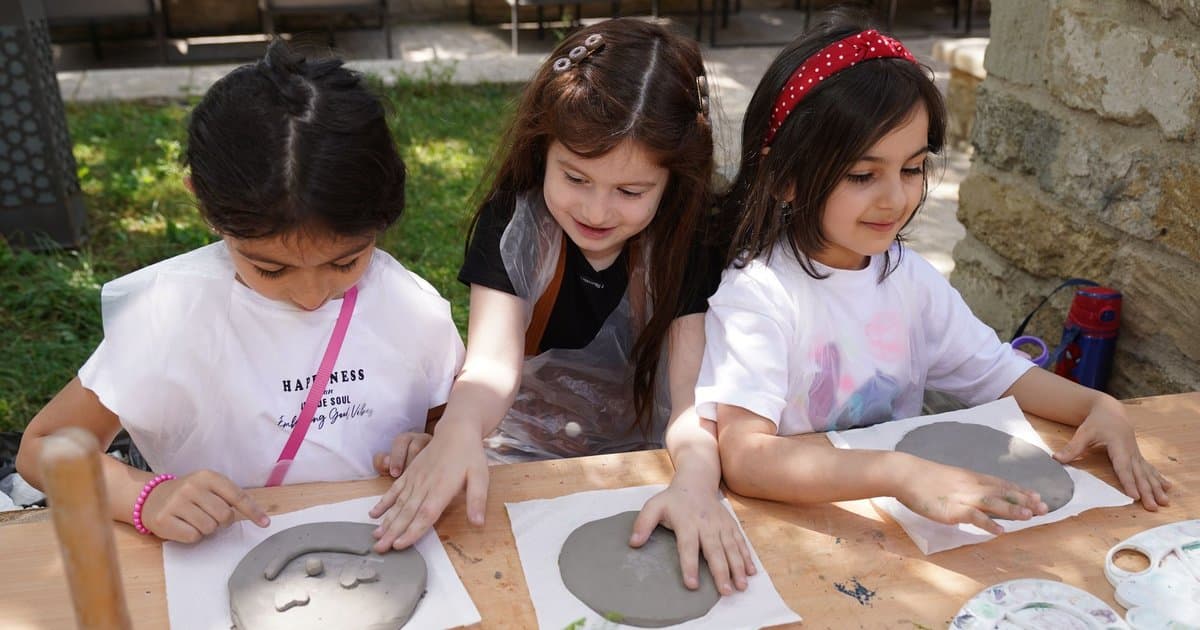
You've been asked to organize the class gift. Again. The group chat is already buzzing with vague suggestions, and you have two weeks, a tight budget, and twenty families who all need to agree on something. Sound familiar?
Here's the good news: handmade teacher gifts from class don't need to be Pinterest-perfect or expensive. They need to feel personal. Teachers consistently say that gifts made by students are the ones they keep for years, not the candles or gift cards that blur together by June.
This guide pulls from real parent organizers and teacher feedback to help you choose, plan, and execute a meaningful class gift without losing your mind. Whether your kids are in preschool or third grade, you'll find options that work for your timeline, budget, and energy level.
Why Handmade Teacher Gifts Stand Out
Teachers receive a lot of gifts. A 2023 survey by Educators for Excellence found that over 70% of teachers said feeling appreciated by families was a top factor in job satisfaction, and that appreciation didn't need to come with a price tag.
Handmade gifts stand out because they carry evidence of effort, not expense. A mug from Target is thoughtful, but a jar of handwritten memories from twenty kids is irreplaceable. Many teachers report keeping student-made gifts for a decade or more, while store-bought items often get donated or regifted within a year.
Group gifts also solve a real logistical problem. Instead of one family shouldering the cost and creativity, handmade teacher gifts from class spread the work across everyone. Each family contributes something small, a recipe, a photo, a painted square, and the result feels bigger than any individual effort. The cost per family drops to $5–10, making participation accessible for more households.
1. Class Recipe Book or Lunch Ideas Collection
Collect one favorite recipe from each student's family. Have kids decorate their recipe page with drawings, stickers, or stamps. Bind the pages with brads, string, or a simple three-ring binder.
This gift works because it's genuinely useful. Teachers pull it out for meal ideas on weeknights and remember the families who shared them. According to a 2019 National Education Association member survey, teachers frequently cited practical, usable gifts as the ones they treasured most.
How to execute it: Send a Google Form asking each family for one recipe and a fun fact about why they love it. Print responses on cardstock. Let kids illustrate during a playdate or at home. One parent assembles and binds.
Age adaptation: Preschoolers scribble and stamp. First and second graders can copy a recipe in their own handwriting. Third graders can add cooking tips.
2. Hand-Painted Plant Pot With a Succulent
Kids paint terracotta pots with outdoor acrylic paint, handprints, the teacher's name, classroom colors, or abstract designs. Add a small succulent and wrap together.
Succulents are forgiving plants that thrive even in neglected classroom windowsills, which makes them ideal for busy teachers. A four-inch pot and succulent together cost roughly $3–5.
Execution tip: Use outdoor-grade acrylic paint (not washable tempera, it flakes off). Seal with a clear matte spray for durability. This project takes one to two short craft sessions and works well at a class party or parent-organized gathering.
What teachers say: Many teachers report that living gifts feel more personal than objects. A hand-painted pot with a student's thumbprint becomes a desk fixture that sparks daily memories. If succulents aren't available, a packet of wildflower seeds works beautifully too.
3. Memory Jar or Gratitude Notes Collection
Each student writes (or dictates to a parent) one favorite classroom memory, funny quote, or thank-you message on colorful paper. Fold the notes and place them in a decorated mason jar.
This is one of the most emotionally powerful handmade teacher gifts from class, and it costs almost nothing. Teachers describe reading these notes on difficult days mid-career, pulling out a slip, and remembering exactly why they chose teaching.
Framing matters: Instead of generic "thank you" prompts, try specific ones like "My favorite thing we learned was..." or "The funniest thing that happened in class was..." Specific memories feel more genuine than broad praise.
Assembly: One parent collects all notes in envelopes. Another decorates the jar with ribbon, paint, or a printed label. Total cost: under $5. According to research by Algoe and colleagues (2012) published in Psychological Science, specific expressions of gratitude strengthen relationships more effectively than general ones.
4. Teacher Playlist (Curated and Printed)
Ask each family to suggest one song the teacher might enjoy during lunch, grading, or summer break. Compile the songs into a Spotify or YouTube Music playlist. Print a decorated "album cover" listing every song and who suggested it.
This gift costs nothing to create and gives teachers something genuinely enjoyable. Include a one-sentence note from each family explaining why they chose that song, "This is what we dance to on Friday nights."
Design tip: Use Canva's free templates to create a one-page "album art" card. Print on cardstock. Roll it into a tube with a ribbon, or frame it in a dollar-store frame.
Why it works: It's unexpected. Teachers receive dozens of mugs but rarely a curated soundtrack. The playlist lives on their phone long after the school year ends, and every song carries a family's personality with it.
5. Classroom 'Survival Kit' From Families
Coordinate each family to contribute one practical comfort item: herbal tea bags, hand cream, mints, granola bars, cozy socks, a small candle, or lip balm. Assemble everything in a decorated box or basket with a class card.
Organization is key. Send a sign-up sheet (Google Sheets or SignUpGenius works well) assigning one specific item per family. This prevents fifteen families from bringing hand sanitizer and nobody bringing chocolate.
Set a per-item cap of $3–5. Include a label card inside listing every item and who contributed it. According to the 2022 National Retail Federation's annual survey, the average American spent approximately $25 on teacher gifts, a survival kit from the whole class easily meets that quality at a fraction of per-family cost.
Teacher feedback: Many teachers say they appreciate consumable gifts because they don't create clutter. A survival kit gets used up and enjoyed, guilt-free.
6. Class Art Print or Collaborative Mural
Each student contributes a handprint, small painting, or drawn square to a shared canvas or large poster. Frame it (or deliver it unframed) as a time capsule of the class.
Logistics: Coordinate with the teacher to schedule a fifteen-minute art session during school. Provide pre-cut squares of watercolor paper, paints, and markers. One parent collects the squares and arranges them on a poster board or canvas. Write each student's name and the school year on the back.
Why teachers keep these: A collaborative mural captures every child in one piece. Research from ZERO TO THREE (2016) emphasizes that collaborative art projects help children develop a sense of belonging, and that sense translates into the gift itself. Teachers display these for years, sometimes moving them from classroom to classroom.
Photo tip: Take a picture of the kids creating it. Print the photo and attach it to the back of the frame.
7. Handwritten Recipe Card Set or Kitchen Notes
Similar to the recipe book but with a tactile twist: older kids (grades 1–3) handwrite recipes on individual cardstock cards. Decorate with small drawings. Bundle with string or place in a decorated recipe box.
The charm here is the imperfect handwriting. A seven-year-old's wobbly cursive spelling out "spageti" is something a teacher will smile at for years. Don't correct the spelling, it's part of the gift.
What to include: A mix of breakfast ideas, favorite snacks, and one "fancy dinner" recipe. Let kids choose their own recipes, some will write "cereal with milk" and that's perfect.
Durability option: Laminate the cards if you want them kitchen-proof. Many parents find that laminated cards last through years of actual cooking use, making the gift both sentimental and practical.
8. Custom 'This Year in Photos' Scrapbook
Ask families to submit two or three photos from classroom events, field trips, performances, holiday parties, regular school days. Arrange them chronologically in a small printed book with captions.
Tools: Use Canva, Google Slides, or Shutterfly's free templates. Keep the design simple and consistent. Include the date and a one-line caption for each photo. Leave two or three blank pages at the back so the teacher can add their own memories.
Cost: Printed photo books range from $10–20 through services like Shutterfly or Mixbook when using discount codes, which are frequently available. Split across a class of twenty families, that's under $1 each.
Some parents find that including a personalized storybook alongside the scrapbook, one where the teacher or students appear as characters, adds an extra layer of meaning, since children see themselves and their teacher reflected in a narrative together.
9. Personalized 'Recharge Kit' Card
Create a beautifully designed card listing curated suggestions for the teacher's summer or holiday break: book recommendations, local parks, podcast suggestions, and restaurant tips — all sourced from class families.
How to gather input: Send a quick email asking each family for their top recommendation in one sentence. Compile responses into a printed card or small booklet. Pair it with a $5 coffee gift card or a homemade treat.
Why teachers love this: It shows families see them as a whole person, not just a classroom role. According to a 2014 study by Jennings and Greenberg published in Review of Educational Research, teacher well-being is closely tied to feeling personally valued by their school community.
Design tip: Frame it as "Twenty Ways to Recharge This Summer — From Your Class." Include a mix of free activities and affordable splurges.
10. Hand-Lettered Thank-You Banner or Classroom Poster
One artistic parent (or a group effort) hand-letters a meaningful quote or thank-you message on banner paper, canvas, or poster board. Every student signs it or adds a small doodle around the edges.
Coordination: Identify one parent willing to do the main lettering. Send the banner home with different families over a week so each child can add their signature and drawing. The rotating approach builds anticipation and shared ownership.
Materials: Kraft paper rolls ($5 at craft stores), markers, watercolor paint, and washi tape. Total cost: under $10.
Display value: Teachers hang these in their classroom or home office. A hand-lettered banner with twenty tiny signatures becomes a genuine keepsake — visible proof of a year's worth of relationships. Roll it carefully for delivery during the last week of school.
How to Organize Handmade Teacher Gifts From Class Without the Stress
The gift itself is the easy part. Coordinating twenty families is where things get complicated. Here's a streamlined approach used by experienced class parent organizers:
Four to six weeks before the event: Send one clear email with two or three gift options. Ask families to vote. Set a per-family budget cap of $5–10.
Three weeks out: Confirm the chosen gift. Assign specific tasks — one family buys supplies, another collects contributions, a third assembles. Use a shared Google Sheet to track who's doing what.
One week out: Send a gentle reminder. Collect final items. Assemble the gift over a weekend.
Key rule: Make every contribution optional. Never guilt families who can't participate financially. Offer zero-cost alternatives like writing a memory note or submitting a digital photo. According to the National PTA's guidelines on family engagement, inclusive participation matters more than uniform contribution.
When to Start Planning a Class Teacher Gift
For end-of-year gifts, begin planning by late April. For winter holiday gifts, start in late October. This buffer gives families time to gather materials, avoids last-minute scrambles, and produces a better result.
Early planning also means the teacher receives the gift while the class relationships are still fresh — not weeks after school ends when the emotional connection has faded.
Timeline at a glance:
- Week 1: Propose ideas, vote, confirm
- Week 2–3: Assign tasks, gather materials and contributions
- Week 4: Assemble, wrap, deliver
If you're reading this with only a week left, don't panic. A memory jar (idea #3) or a gratitude notes collection can be assembled in three to four days with minimal coordination.
What Teachers Actually Appreciate (And What to Avoid)
Handmade beats expensive nearly every time. Teachers consistently say the gifts they cherish most are the ones that show a child's hand in the creation — wobbly handwriting, fingerprint smudges, misspelled words.
What to avoid:
- Gifts that imply the teacher "needs" something (stress relief kits can unintentionally signal that they seem burnt out)
- Overly generic items with no personal connection to the class
- Anything that requires significant storage space in an already-crowded classroom
What works: Joy, memory, and evidence that a child participated. According to Howes and Hamilton (1993) in Child Development, the quality of teacher-child relationships significantly impacts children's social development — and a meaningful gift reinforces that bond for both sides.
Focus on the relationship, not the object. The best handmade teacher gifts from class are containers for genuine gratitude, not displays of craft skill.
Key Takeaways
- Handmade class gifts are more meaningful and more affordable than individual store-bought presents
- Spread the work: assign one task per family and keep contributions optional
- Start planning four to six weeks before the giving date
- Prioritize gifts that show children's involvement — imperfection is the point
- Budget $5–10 per family maximum; many ideas cost under $5 total
- Make participation inclusive by offering zero-cost contribution options
Get practical parenting tips delivered weekly
Evidence-based guidance for the moments that matter. No spam, unsubscribe anytime.
Frequently Asked Questions
Keep reading

Supporting Siblings During NICU Stay: What Parents Need to Know
Help siblings cope with NICU stress through honest explanations, routines, and connection activities. Most behavioral changes resolve within weeks of discharge.
10 min read
Teaching Empathy Through Children's Stories: A Practical Guide
Learn how to teach empathy through children's stories with practical techniques. Research shows kids develop stronger peer relationships with regular diverse
10 min read

How to Motivate Students on Classroom Behavior (Strategies That Work)
Master 8 proven strategies to motivate students on classroom behavior. Learn why specific praise and consistency outperform rewards, plus tools that work.
9 min read
Get weekly parenting tips backed by research
Evidence-based guidance for the moments that matter. No spam, unsubscribe anytime.