What Gift Actually Means Something to a 1-Year-Old?
Learn what makes meaningful first birthday gifts for 1-year-olds. Expert-backed guide on developmental toys, keepsakes, and experiences that last.

Matt Li
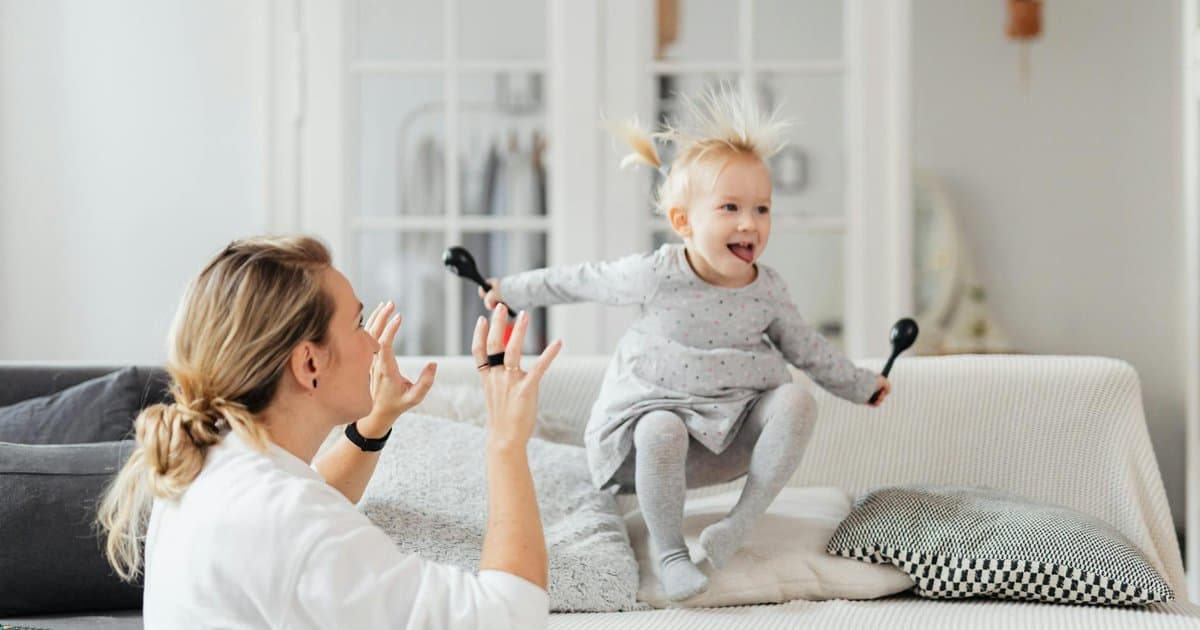
Your baby's first birthday is approaching, and suddenly everyone, grandparents, aunts, uncles, friends, is asking what to buy. Meanwhile, you're staring at a living room already overflowing with plastic toys your child ignored after ten minutes. You want something meaningful, not more clutter. And if you're the gift-giver, you want your present to matter, not end up in a donation bin by February.
Here's the honest truth: your 1-year-old won't remember this birthday. But you will. The right gift, whether it's a sensory toy, a personalized 1st birthday book, or an experience that brings the family together, can mark this milestone in a way that feels genuine. Let's look at what actually works, based on how 1-year-olds develop, what they respond to, and what parents truly value.
What Do 1-Year-Olds Actually Notice in a Gift?
One-year-olds don't care about brands, trends, or packaging. They care about what they can touch, shake, bang, and taste. At this stage, sensory input drives learning. According to ZERO TO THREE, infants and toddlers learn primarily through sensory exploration, mouthing objects, feeling textures, and experimenting with cause and effect.
Bright colors grab attention. Crinkly textures hold it. Sounds reward curiosity. A toy that lights up when they press a button teaches them they can make things happen in the world, a foundational cognitive skill called cause-and-effect understanding.
Complexity actually works against you. A toy with twelve functions overwhelms a 1-year-old. A wooden stacking ring they can bang on the floor, chew on, and eventually learn to stack? That's developmentally perfect. Simple, responsive objects win every time at this age. If they can do something to it and see a result, they'll stay interested.
How Does a Gift Support 1-Year-Old Development?
The best first birthday gifts aren't random, they align with skills a child is actively building. Around 12 months, most children are working on standing, cruising, or early walking. They're babbling with intention, grasping with increasing precision, and beginning to understand simple words.
According to the American Academy of Pediatrics (AAP), play is essential to healthy brain development, and toys that encourage active, hands-on engagement support cognitive, physical, and social-emotional growth far more than passive entertainment like screens.
Gifts that support development at this stage include:
- Physical: Push toys, low climbing structures, and stacking blocks encourage gross and fine motor skills.
- Language: Board books, simple musical instruments, and narration-rich toys expose children to vocabulary.
- Social-emotional: Soft dolls, stuffed animals, and toys that encourage parallel play build early relational skills.
- Cognitive: Shape sorters, nesting cups, and anything with a predictable response teach problem-solving.
Why Do Generic Toys Feel Empty as First Birthday Gifts?
You've seen it happen. Someone hands over a beautifully wrapped gift, the baby tears the paper (the best part, honestly), and inside is a toy identical to three others already in the bin. The giver looks hopeful. The parent smiles politely. Everyone moves on.
Generic toys aren't bad, they're just forgettable. And first birthdays feel like they deserve more than forgettable.
Parents and gift-givers increasingly seek items that feel personal. A gift that includes the child's name, acknowledges their family, or reflects their emerging personality signals genuine thought. Research by Hallinan and Kubitschek (1999) on social bonds suggests that personalized gestures strengthen relational closeness, and gift-giving is a social gesture at its core.
Children won't remember the gift. But parents remember who gave something thoughtful. A first birthday gift is as much for the parent's heart as it is for the child's hands.
What Types of Gifts Last Beyond the First Year?
The average American child receives around $6,500 worth of toys in their lifetime, yet many parents report that children play with only a fraction of them. The culprit? Age-specific, single-purpose toys that lose relevance within weeks.
Gifts with staying power share common traits: they're open-ended, durable, and adaptable. According to the National Association for the Education of Young Children (NAEYC), open-ended materials, items that can be used in multiple ways, support creativity and sustained engagement across developmental stages.
Books grow with the child from chewing to reading. Wooden toys survive multiple children and years of play. Musical instruments like shakers and xylophones remain engaging from infancy through preschool. Keepsakes, photo albums, memory boxes, engraved items, hold no play value now but become treasured family artifacts.
When choosing a first birthday gift, ask: will this still matter in two years? If the answer is yes, you're on the right track.
How Can You Choose a Personalized 1st Birthday Book or Gift Without Guessing?
If you're not the parent, choosing a meaningful gift feels risky. You don't want to duplicate something they have. You don't want to buy something that clashes with the family's values. You definitely don't want to be the person who gives a noisy toy the parents secretly despise.
The simplest solution? Ask. Most parents will tell you exactly what their child needs, or doesn't need. If asking feels awkward, observe. What does the child reach for? Are there books everywhere or barely any? Is the home full of wooden toys or bright plastic ones?
Consider practical constraints too. A family in a small apartment doesn't need a ride-on car. A family that values screen-free play won't appreciate a tablet accessory. According to a 2020 survey by ZERO TO THREE, 73% of parents said they wished family and friends would ask before buying toys. Your thoughtfulness in asking matters more than the gift itself.
When Personalization Makes a Personalized 1st Birthday Book Special
Personalized gifts occupy a unique space: they serve the child's development and the family's emotional needs. A book featuring the child's name, birthday, or family members does something a generic board book can't — it tells the child, "This story is yours."
Research published in the Journal of Applied Developmental Psychology by Kucirkova, Messer, and Whitelock (2013) found that children showed greater engagement and more positive emotional responses when reading personalized books compared to non-personalized versions. The effect was particularly strong when the child's name and likeness appeared in the story.
For 1-year-olds, the personalization primarily serves parents. They see their child's name in print, they feel the milestone's weight, and they keep the book long after plastic toys are donated. Some parents find that reading a personalized story about turning one helps mark the occasion — children see themselves in the narrative, and it becomes a bedtime favorite they revisit for years.
When to Skip Traditional Toys Entirely
Sometimes the most meaningful gift isn't a thing — it's an experience or a service. This is especially true for families who already have plenty of toys or who actively try to minimize clutter.
Experience gifts create memories without taking up space:
- A year of music classes (programs like Music Together start as young as birth)
- A professional family photo session to capture the milestone
- A zoo or children's museum membership the whole family uses
- A babysitting voucher so the parents can have an evening out
Consumable gifts also work well. High-quality board books, art supplies for when the child is slightly older, or even a meal delivery service for exhausted parents. According to a 2018 report from the Toy Association, the average American household spends over $300 annually on toys — meaning many families have more than enough playthings and would genuinely prefer practical support or shared experiences.
Gift Ideas That Check Multiple Boxes
The strongest first birthday gifts hit several criteria at once: sensory engagement, developmental value, longevity, and personal meaning. Here are categories that consistently deliver:
Board books with bold illustrations. Titles like Dear Zoo by Rod Campbell or The Very Hungry Caterpillar by Eric Carle combine visual interest, tactile interaction (lift-the-flap), and language exposure. They're durable and grow with the child from chewing to independent reading.
Wooden stacking and nesting toys. Simple, beautiful, and endlessly reusable. Brands like Grimm's and Hape make sets that support fine motor skills now and imaginative play later.
Simple musical instruments. Egg shakers, tambourines, and small xylophones. Research by Gerry, Unrau, and Trainor (2012), published in Developmental Science, found that active music-making in infancy positively influenced social development and early communication skills.
Personalized keepsakes. A book with their name, a growth chart, or an engraved ornament marking their first year.
When to Worry That a Gift Isn't Age-Appropriate
Most gifts are perfectly safe for 1-year-olds, but a few red flags deserve attention. The most serious concern is choking. According to the Centers for Disease Control and Prevention (CDC), choking is a leading cause of injury and death among children under 4, with toys and toy parts among the common culprits.
Watch for:
- Small detachable parts (anything that fits inside a toilet paper roll is a choking hazard)
- Button batteries, which can cause severe internal burns if swallowed
- Long strings or cords that pose strangulation risks
- Magnets, especially small high-powered ones
Age labels on packaging exist for safety reasons, not just developmental fit. If a toy says "3+" on the box, believe it. And if a gift requires the child to sit still for extended periods or follow complex instructions, it's designed for an older child. At 12 months, simpler is always safer — and more fun.
Gift-Giving as Part of the First Birthday Celebration
A first birthday is more than a party — it's an emotional milestone for the whole family. For many parents, it marks surviving and thriving through the most intense year of their lives. The gifts given at this celebration carry symbolic weight, even if the birthday child would rather play with the wrapping paper.
The thoughtfulness behind a gift matters far more than its price. A $25 board book inscribed with a heartfelt message will be kept for decades. A $150 electronic toy may be forgotten by next month.
If you're a gift-giver, know this: the parents will remember your presence and your intention long after the toy breaks or the clothes are outgrown. Give something that says, "I see your child, I see your family, and I wanted this to mean something." That's what a first birthday gift is really about.
Key Takeaways
- One-year-olds learn through sensory exploration. Choose gifts they can touch, shake, bang, and mouth — not complex toys requiring coordinated play.
- Development-aligned gifts have the most impact. Push toys, board books, musical instruments, and stacking toys support real skills being built right now.
- Personalization serves both child and parent. Children respond to seeing their name; parents treasure the keepsake for years.
- Open-ended and durable gifts outlast trends. Wooden toys, quality books, and experience gifts provide value well beyond the first year.
- Ask the parents. The most meaningful gift respects the family's values, space, and needs. When in doubt, just ask.
- Safety first. Avoid small parts, button batteries, long cords, and anything labeled for ages 3 and up.
Get practical parenting tips delivered weekly
Evidence-based guidance for the moments that matter. No spam, unsubscribe anytime.
Frequently Asked Questions
Keep reading
How to Create a Dog Memorial Book (With Printable Templates)
Create a dog memorial book with photos, stories, and mementos. Learn 5 organizational tips and design ideas for honoring your pet's memory.
8 min read
How to Write a Wedding Speech for Your Aunt and Uncle (With Examples)
Write a heartfelt 3-5 minute wedding speech for your aunt and uncle. Follow this proven structure with character-focused stories and authentic delivery tips.
7 min read
Cat Memorial Book Ideas: Creating a Lasting Tribute
Create a cat memorial book with photos, memories, and keepsakes. Learn 6 meaningful ways to honor your pet and process grief with this personalized tribute.
7 min read
Get weekly parenting tips backed by research
Evidence-based guidance for the moments that matter. No spam, unsubscribe anytime.