Do Personalised Children's Football Books Really Help Kids Love Sports?
Learn if personalised children's football books build reading confidence and sports interest. Research-backed guide on when these books actually work.

Matt Li
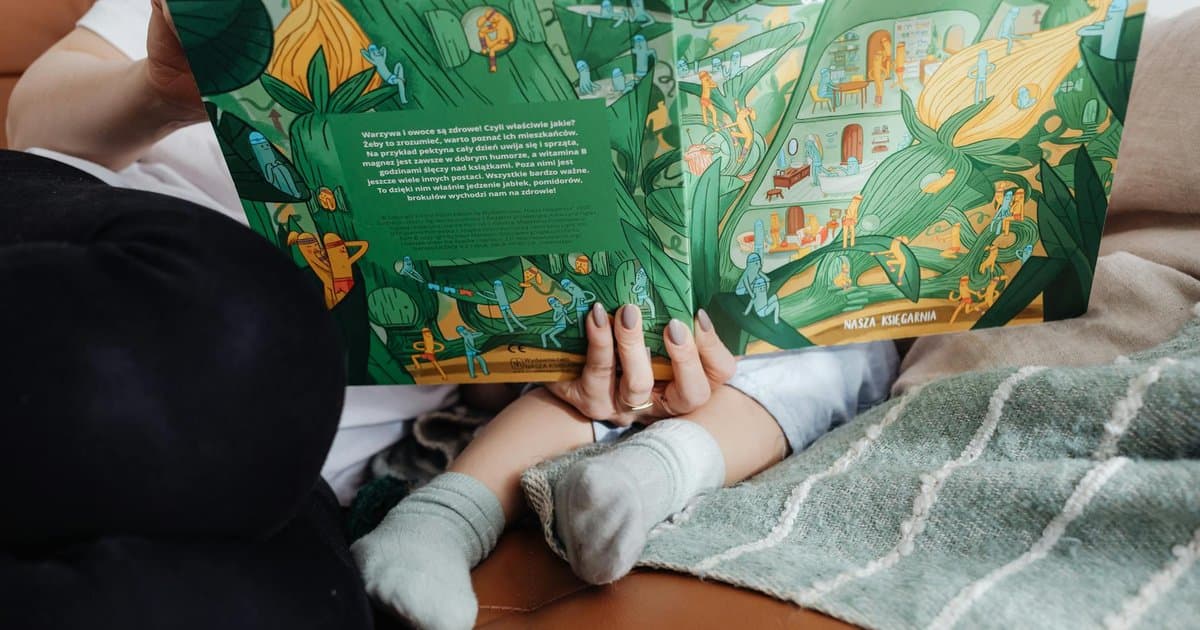
Your child watches football with wide eyes, kicks a ball around the garden, or maybe just loves anything with a goalkeeper on the cover. You've seen personalised childrens football books advertised and wondered: is this actually worth it, or is it just a gimmick with my kid's name slapped on the page?
That's a fair question. You're busy, your budget isn't unlimited, and you want gifts and tools that genuinely matter, not things that end up forgotten under the bed after a week.
Here's the honest answer: personalised football books can be a meaningful tool for building reading confidence, sparking sports interest, and strengthening a child's sense of identity. But they're one tool among many, and they work best when paired with real-world opportunities and genuine adult enthusiasm. Let's look at what the research actually says, when these books shine, and when your money is better spent elsewhere.
Why Kids Actually Care About Personalised Football Stories
Children connect more deeply with stories when they see themselves reflected in the narrative. This isn't just anecdotal, research in developmental psychology supports it. According to Mar and Oatley (2008), narrative fiction functions as a simulation of social experience, allowing readers to mentally rehearse situations and emotions. When a child's own name and likeness appear in that simulation, the effect intensifies.
For kids aged 5–8, this matters especially. They're at a developmental stage where identity formation is accelerating, and they're beginning to understand who they are in relation to the world. A personalised football book makes your child the hero of the action, not just a spectator watching someone else's story.
This shift transforms reading from passive entertainment into something that feels personally relevant. Many parents find that children who normally resist sitting down with a book will eagerly re-read a story where they're scoring the winning goal or making a crucial save.
How Personalised Football Books Compare to Regular Sports Books
Regular sports books serve an important purpose. Biographies of famous players introduce role models. Instructional books teach skills and rules. Fiction set in the football world builds vocabulary and narrative comprehension.
Personalised versions add a different psychological layer: your child becomes the athlete. According to research by Mar et al. (2006) published in the Journal of Research in Personality, people who read more fiction show greater empathy and social understanding, partly because fiction lets readers "try on" different identities. When the identity in question is already your child's, that identification happens faster and with less effort.
But here's the nuance: neither type replaces the other. A personalised football book won't teach your child about the history of the World Cup or how to execute a proper corner kick. The best approach is a combination, use personalised stories for emotional engagement and confidence, and regular sports books for knowledge and broader inspiration.
Age-Specific Guidance for Personalised Childrens Football Books
Not every personalised football book suits every child. Age matters, but reading level and maturity matter more.
Ages 4–5: Picture-heavy books with simple storylines work best. At this stage, children are still developing print awareness. According to the National Association for the Education of Young Children (NAEYC), children in this range benefit most from books with repetitive language and vivid illustrations. They may not fully grasp that the character "is" them, but they'll recognise their name and enjoy the connection.
Ages 6–8: This is the sweet spot. Kids understand the personalisation concept, they're developing reading fluency, and they're old enough to follow a plot. Look for books with real narrative tension, not just "you kicked the ball and scored."
Ages 8–10: Older children appreciate more complex stories. They want challenges, setbacks, and character growth. A book where the protagonist (them) struggles before succeeding feels more authentic than an instant-hero narrative.
Whether a Personalised Football Book Will Actually Motivate Your Child to Play
Let's be direct: a book alone won't turn a reluctant child into a footballer. Motivation is complex, and according to a study by Fredricks and Eccles (2005) published in Developmental Psychology, children's sports participation is shaped by perceived competence, enjoyment, and parental influence, not by any single product or experience.
What a personalised book can do is lower the barrier to trying. It normalises football as "something people like me do." For a nervous child who feels intimidated by the sport, seeing themselves succeed in a story can reduce anxiety and build a sense of possibility.
But the real motivation comes afterward, from actually playing, from supportive peers, and from adults who show genuine enthusiasm without pressure. Use the book to open a conversation: "What part did you like best? Would you want to try that in real life?" Then follow their lead.
When Personalised Football Books Work Best, and When They Miss the Mark
These books shine in specific situations:
They work well when your child is already curious about football and loves seeing their name in print. They're also effective for reluctant readers who need a confidence boost, the personal connection can motivate children to work through more text than they normally would. A study by McGeown et al. (2012) in Reading and Writing found that intrinsic reading motivation strongly predicts reading frequency, and personalisation taps directly into that intrinsic drive.
They miss the mark when given to a child with zero interest in sports as an attempt to create interest from scratch. They also backfire when presented as pressure: "Look, you're a footballer in this book, you should sign up for the team!" That transforms a gift into an expectation.
Respect your child's actual interests. If they'd rather read about dinosaurs or space, a football book, personalised or not, isn't the right choice.
How to Choose a Personalised Football Book That Actually Resonates
Not all personalised childrens football books are created equal. The personalisation is only as good as the story underneath it. Here's what to look for:
Match the story to your child's mindset. Is your child a confident player or a nervous beginner? A book where the hero is already brilliant might feel alienating to a child who's still learning. Look for stories that normalise struggle, teamwork, and growth — not just instant success.
Check the roles represented. Not every child wants to be the star striker. Some kids love being the goalkeeper, the supporter on the sideline, or the teammate who makes the crucial assist. Books that acknowledge different ways to participate in football feel more inclusive and realistic.
Evaluate illustration quality. Young children especially respond to art style. Look at samples before purchasing. Does the character actually look like your child, or is the personalisation limited to a name on the page?
Read parent reviews, not marketing copy. Other parents will tell you whether the story held their child's attention beyond the novelty of seeing their name.
What Matters More Than the Book Itself
Access to play, supportive peers, and a coach who prioritises fun matter far more than any story. According to the Aspen Institute's Project Play report (2019), the top reason children play sport is to have fun — and the top reason they quit is that it stops being fun.
Here's what actually builds lasting sports interest:
Low-pressure opportunities. Casual kickabouts in the park, playground games with friends, or parent-child sessions in the garden. Organised leagues are great for some kids, but they can feel intense for others.
Peer groups. If your child's friends play football, they're far more likely to want to join. Social belonging is a powerful motivator at every age.
Your own engagement. Watch matches together. Kick a ball around with them. Talk about football with genuine enthusiasm. Children notice what the adults in their lives care about.
Some parents find that reading a personalised story about football together — where their child sees themselves navigating the sport successfully — helps open the door to these real-world experiences. But the book is the conversation starter, not the destination.
When to Talk to Your Paediatrician
If your child avoids not just football but all physical activity, it's worth paying attention. Some avoidance is simply preference — many children gravitate toward art, music, or quieter play, and that's perfectly healthy.
But persistent avoidance of movement or group activities can sometimes signal something deeper. According to the American Academy of Pediatrics (2019), developmental coordination disorder (DCD) affects roughly 5–6% of school-aged children and can make sports participation feel frustrating or embarrassing.
Watch for these patterns:
- Your child avoids running, jumping, or catching despite peer encouragement
- They express anxiety or distress about PE or sports settings specifically
- They seem significantly less coordinated than peers of the same age
- They withdraw from group activities consistently across different settings
If you notice several of these signs, a conversation with your child's teacher or paediatrician can help determine whether further evaluation would be useful. Early support makes a significant difference.
Key Takeaways
- Personalised football books can genuinely boost reading engagement and sports confidence — they're grounded in real psychology, not just marketing.
- They work best for children aged 5–8 who already show some curiosity about football.
- A book is a spark, not a solution. Combine it with real play opportunities, supportive peers, and your own enthusiasm.
- Don't use personalised books to push a reluctant child toward sports they haven't chosen. Respect their interests.
- Story quality matters more than personalisation features. Always evaluate the narrative, illustrations, and tone.
- If your child avoids all physical activity or shows signs of coordination difficulties, talk to your paediatrician.
Get practical parenting tips delivered weekly
Evidence-based guidance for the moments that matter. No spam, unsubscribe anytime.
Frequently Asked Questions
Keep reading
How to Create a Dog Memorial Book (With Printable Templates)
Create a dog memorial book with photos, stories, and mementos. Learn 5 organizational tips and design ideas for honoring your pet's memory.
8 min read

How to Write a Wedding Speech for Your Aunt and Uncle (With Examples)
Write a heartfelt 3-5 minute wedding speech for your aunt and uncle. Follow this proven structure with character-focused stories and authentic delivery tips.
7 min read

Cat Memorial Book Ideas: Creating a Lasting Tribute
Create a cat memorial book with photos, memories, and keepsakes. Learn 6 meaningful ways to honor your pet and process grief with this personalized tribute.
7 min read
Get weekly parenting tips backed by research
Evidence-based guidance for the moments that matter. No spam, unsubscribe anytime.