Personalized Bedtime Stories: Do They Actually Help Kids Sleep?
Learn what sleep science says about personalized bedtime stories for kids. Discover when they help, troubleshooting tips, and what actually matters for better sleep.

Matt Li
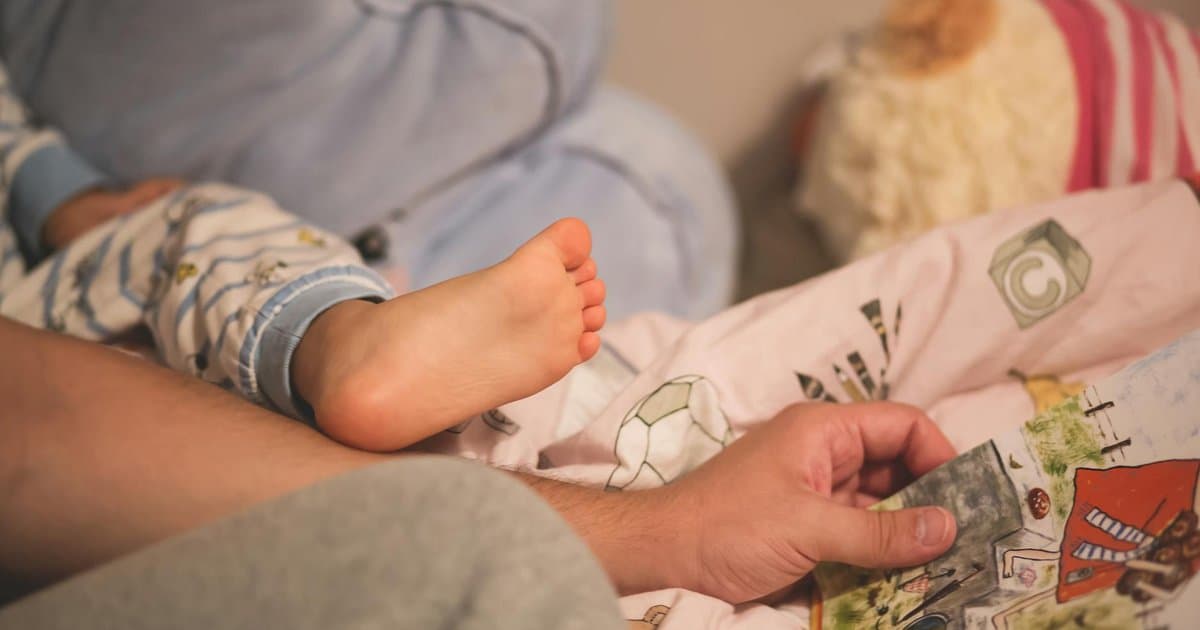
It's 8:47 p.m. You've already done the bath, the teeth brushing, the water refill, and the third trip to the bathroom. Your child is wide awake, bouncing off the walls, and you're wondering whether that personalised bedtime story book you saw advertised online might finally be the thing that gets them to sleep.
Maybe. But probably not by itself.
Bedtime resistance affects roughly 20 to 30 percent of young children, according to Mindell and colleagues in a landmark study published in Sleep 1. The problem is real, it's exhausting, and it makes parents desperate for solutions. Stories, whether personalized or not, can genuinely help. But the way you use them matters far more than what's printed on the page. This guide walks through what sleep science actually says, when personalized stories make a difference, and when you need something else entirely.
Why Bedtime Stories Support Better Sleep
A predictable bedtime routine is one of the most evidence-backed strategies for improving children's sleep. Research by Mindell et al. (2015) 1 found that a consistent nightly routine was associated with better sleep outcomes across multiple countries and cultures, including earlier bedtimes, shorter time to fall asleep, and fewer night wakings.
Reading fits naturally into this routine because it requires stillness and focused attention. When your child sits with you and listens to a story, their breathing slows, their muscles relax, and their nervous system shifts away from alert mode. The American Academy of Pediatrics recommends reading aloud from infancy, not just for literacy, but because shared reading strengthens the parent-child bond that helps children feel safe enough to sleep.
A story becomes a cue. Over time, your child's brain learns: story means sleep is coming.
When Personalized Stories Make a Real Difference
Not every child responds the same way to a personalised bedtime story book. Age, temperament, and attention span all play a role.
Children between roughly 2.5 and 6 years old tend to benefit most from narrative-based bedtime routines. Before age 2, most toddlers respond better to songs, gentle rocking, and touch. According to ZERO TO THREE, toddlers under 2 are still developing the cognitive ability to follow a storyline, so rhythm and physical closeness matter more than plot.
Between ages 3 and 5, children begin recognizing their own name in print and understanding that a character represents them. This is when personalization can increase engagement. A child who sees their name, their pet, or their bedroom in a story may sit still longer and feel more connected to the narrative. But if your child doesn't enjoy being read to, personalization won't change that. The child's interest in stories is the foundation.
Using a Personalised Bedtime Story Book in Your Routine
Timing is everything. Position the story at the end of your wind-down sequence, after bath time, pajamas, and dimmed lights. Reading should happen 10 to 15 minutes before lights out, in the room where your child sleeps.
Keep your voice low, slow, and steady. Resist the urge to do dramatic voices or build excitement. The goal is monotony, not entertainment. If your child interrupts to ask questions, answer briefly and return to the rhythm of the text.
Repetition is your friend. Reading the same book multiple nights in a row isn't boring for your child. It's soothing. Familiar stories create predictability, and predictability is what helps the nervous system prepare for sleep. One common approach that works for many families is offering a choice between two or three pre-selected books. This gives your child a sense of control without turning book selection into a 20-minute negotiation.
Troubleshooting: When Stories Aren't Enough
If bedtime stories aren't making a difference, the problem almost certainly lives outside the story itself.
Start with the basics. Is your child's wake time consistent? Are they getting outdoor time during the day? The AAP recommends at least 60 minutes of active play daily for preschoolers 2, and children who don't get enough physical activity often struggle to wind down. Screen time is another major factor. Research published in JAMA Pediatrics by Hutton et al. (2020) 3 found that screen-based media use before bed was associated with poorer sleep outcomes in young children.
Check for sugar or heavy snacks close to bedtime. Look at the hour before the routine starts. If that hour includes roughhousing, loud TV, or unpredictable transitions, a story can't undo all that stimulation. Fix the environment first. Then the story becomes a capstone, not a band-aid.
Sleep Issues That Go Beyond Routine
Some sleep problems need professional attention, and no book (personalized or otherwise) will resolve them.
Talk to your pediatrician if your child consistently takes more than 45 minutes to fall asleep, wakes multiple times through the night despite a solid routine, or shows signs of sleep-disordered breathing like snoring, gasping, or mouth breathing. The American Academy of Sleep Medicine notes that obstructive sleep apnea affects 1 to 5 percent of children and often goes undiagnosed 4.
Night terrors, sleepwalking, and severe bedtime anxiety are also beyond what routine alone can address. If your child seems genuinely frightened at bedtime, not just stalling, a pediatric sleep specialist or child psychologist can help identify what's going on. Sleep anxiety sometimes signals something developmental or emotional that deserves gentle, professional support. Don't blame yourself or your routine if these patterns emerge.
How Personalized Elements Help (and Their Limits)
Children love hearing their own name. It captures attention in a way that generic characters don't. Some parents notice that their child sits more quietly, engages more willingly, and even requests the personalized book over others. For children with mild bedtime anxiety, seeing a character who looks like them successfully falling asleep can provide a gentle model.
That said, the personalization itself isn't what creates sleep. The routine does. The calm voice does. The consistent timing does. A standard library book read the same way, at the same time, in the same quiet room, delivers very similar benefits. Research from the Murdoch Children's Research Institute 5 emphasizes that the shared reading interaction, not the book's features, drives developmental outcomes.
If your child connects with a personalised bedtime story book, wonderful. If they prefer a dog-eared copy of Goodnight Moon, that works just as well.
Building a Story Routine That Actually Sticks
Commit to one routine for at least four to six weeks before judging whether it works. Sleep habits change slowly in young children, and inconsistency is the most common reason routines fail.
Choose two or three books total. Rotate them weekly or let your child pick from the small selection each night. Read in the same location. Start at the same time, even on weekends if possible. Pediatric sleep researchers consistently find that regularity of timing matters more than any other single variable 1.
Keep a simple sleep log during your trial period. Note bedtime, how long your child took to fall asleep, and any night wakings. After three to four weeks, patterns emerge. You'll see whether the routine is helping or whether something else needs to change. A plain notebook works fine. No apps required.
Personalizing Stories Without Buying Anything
You don't need a custom-printed book to give your child a personalized story. Some of the most effective bedtime narratives are ones you make up on the spot.
Try this: tell a short story where your child is the main character. They go on a quiet adventure, maybe walking through a soft forest or floating on a cloud, and at the end they find a cozy bed and fall asleep. Use their name, mention their stuffed animal, describe their blanket. Keep it slow and repetitive. Children love these stories because your voice is the most calming sound in their world.
You can also adapt any existing book by swapping in your child's name and details. "And then your child's name climbed into bed, just like the bunny." It costs nothing, and pediatric OTs often suggest this approach for children who need extra connection before sleep.
A Gentle Reality Check on What Stories Can Do
Stories are one piece of a larger puzzle. A dark, cool room matters. Consistent wake times matter. Limited screen exposure matters. Your own calm energy at bedtime matters enormously, because children mirror the nervous system state of their caregiver.
If bedtime is currently a battle, adding a personalised bedtime story book won't fix it on its own. Address the routine structure first, set clear expectations, reduce stimulation in the hour before bed, and then layer in the story as a connecting ritual.
Some parents find that reading a personalized story about bedtime helps because their child sees themselves navigating the situation successfully. Others find that a simple lullaby and a back rub do the trick. Both approaches are valid. The "best" bedtime tool is whichever one you'll use consistently, night after night, even when you're exhausted.
Get practical parenting tips delivered weekly
Evidence-based guidance for the moments that matter. No spam, unsubscribe anytime.
Frequently Asked Questions
Keep reading

How to Create a Dog Memorial Book (With Printable Templates)
Create a dog memorial book with photos, stories, and mementos. Learn 5 organizational tips and design ideas for honoring your pet's memory.
8 min read

How to Write a Wedding Speech for Your Aunt and Uncle (With Examples)
Write a heartfelt 3-5 minute wedding speech for your aunt and uncle. Follow this proven structure with character-focused stories and authentic delivery tips.
7 min read

Cat Memorial Book Ideas: Creating a Lasting Tribute
Create a cat memorial book with photos, memories, and keepsakes. Learn 6 meaningful ways to honor your pet and process grief with this personalized tribute.
7 min read
Get weekly parenting tips backed by research
Evidence-based guidance for the moments that matter. No spam, unsubscribe anytime.