Personalized Books for 8-Year-Olds: Why They Matter and How to Choose
Learn why personalized books work for 8-year-olds and how to choose the best ones. Expert tips on reading levels, story types, and maximizing impact.

Matt Li
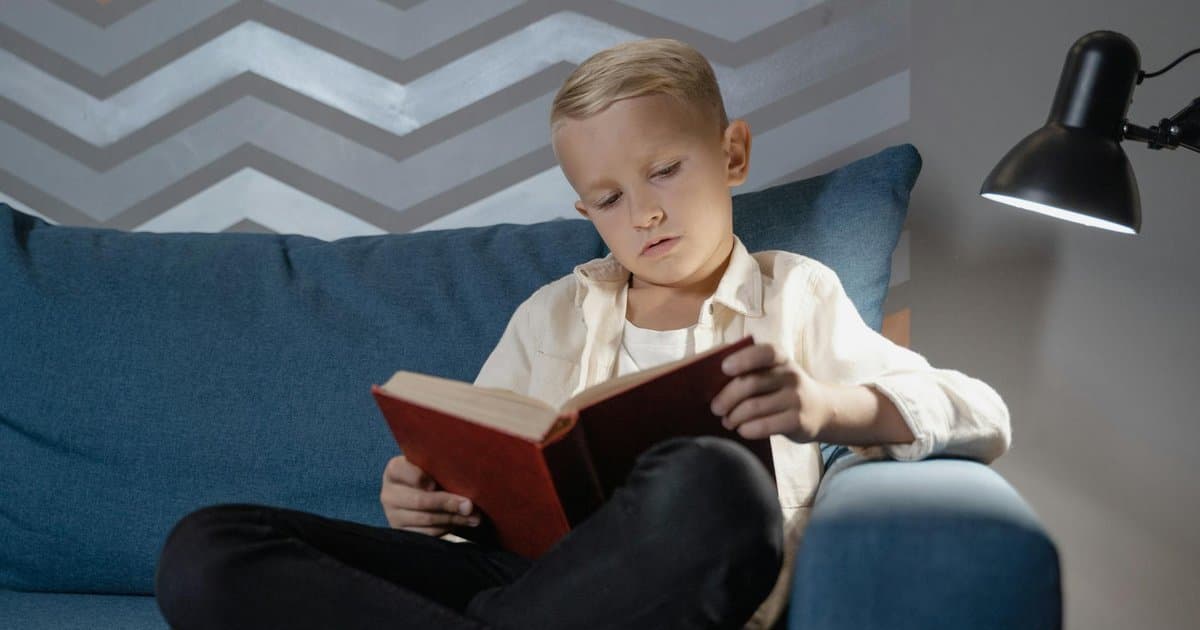
Your eight-year-old just tossed aside another book after three pages. Meanwhile, the chapter book you were so excited about sits untouched on the nightstand. If this scene feels familiar, you're not imagining the struggle. Reading motivation often dips during middle elementary years, and finding the right book can feel like guessing a combination lock.
This is where personalized books for 8-year-olds enter the picture. These aren't the simple name-on-a-cover board books you remember from toddlerhood. The best ones weave a child's name, appearance, and personality into genuinely engaging stories. But do they actually work for this age group, or are they an expensive gimmick? The answer depends on the child, the book's quality, and how you introduce it. This guide covers the developmental science, practical selection tips, and honest limitations.
The Developmental Reason Personalization Matters at Age 8
Around age 8, children enter what developmental psychologists call the "age of reason." According to Harter (2012) 1, this is when kids begin forming stable, trait-based self-concepts. They shift from "I ran fast today" to "I'm a fast runner." Identity becomes something they actively construct.
A personalized story slots directly into this process. When a child reads about a character who shares their name, appearance, and interests solving problems or facing fears, it reinforces emerging identity narratives. Research on the self-reference effect shows that people remember information better when it relates to themselves, a finding that extends to children 2.
This matters practically. An 8-year-old who sees themselves as "not a reader" may reconsider when a book literally features them as the hero. The story doesn't argue with their self-concept. It quietly offers a new one.
How Self-Referential Content Activates the Brain
Neuroscience research provides a biological explanation for why personalization works. Studies using fMRI have shown that self-referential processing, such as hearing one's own name or reading about oneself, activates the medial prefrontal cortex, a region associated with self-reflection and reward 3. In children aged 7 to 9, this area is actively developing alongside metacognitive abilities.
What does that look like in practice? When an 8-year-old reads a sentence like "Maya crept through the dark cave, her heart pounding," and Maya is their actual name, the brain processes that sentence differently than it would a stranger's name. The emotional engagement increases, and comprehension often follows.
Children at this age are also developing metacognition, the ability to think about their own thinking. A personalized story that asks them to imagine making choices reinforces this skill naturally. It turns passive reading into active self-reflection.
Matching a Personalized Book to Your Child's Reading Level
At 8, reading abilities span an enormous range. Some children read comfortably at a fifth-grade level while others are still building fluency with second-grade texts. According to the National Assessment of Educational Progress (NAEP), roughly 34% of fourth graders read below the "basic" proficiency level 4. This means choosing the right reading level matters more than choosing the right topic.
For most 8-year-olds, Guided Reading Levels M through P work well. A simple test: have your child read a sample page. If they can decode about 80% of the words independently and follow the story without frustration, the level is right. Too easy and they'll lose interest. Too hard and the personalization won't matter because they'll shut the book.
Before ordering, preview sample pages. Check vocabulary complexity, sentence length, and the ratio of text to illustrations.
Story Types That Actually Engage This Age Group
Not all personalized books are created equal, and eight-year-olds have strong opinions. Adventure and mystery narratives consistently perform best for this age. Quest-based stories let children imagine themselves as brave, resourceful, and clever, which aligns with the aspirational identities they're building.
Stories that address real-life challenges also resonate deeply. Themes like navigating friendships, managing anxiety, starting at a new school, or dealing with a family change give children a safe space to process emotions. When the character facing these challenges shares their name and appearance, the emotional validation intensifies.
Illustration style is critical. Eight-year-olds will reject books that look "babyish" within seconds. Look for age-appropriate character designs, detailed backgrounds, and a visual tone that matches the story's genre. A mystery book should look mysterious, not like a nursery wall.
Personalized Books and Reading Development
The connection between personalized books and reading growth comes down to one powerful mechanism: rereading. Children who feel emotionally invested in a story return to it voluntarily. According to Cunningham and Stanovich (1997) 5, the volume of reading a child does, independent of IQ, is one of the strongest predictors of vocabulary growth and reading comprehension.
Personalized books encourage exactly this kind of repeated, self-directed reading. For reluctant readers, the effect can be especially significant. Instead of reading feeling like a chore assigned by adults, it becomes something they chose because the book feels like theirs.
One pattern educators notice is that struggling readers experience less shame with personalized texts. The book wasn't assigned to "fix" their reading. It was a gift. That reframing matters enormously for a child who associates books with failure or frustration.
Best Occasions for Giving a Personalized Book
Birthdays and holidays are obvious choices, but some of the most impactful moments are transitions. Starting a new school year, moving to a new city, welcoming a new sibling, or facing a specific fear all create emotional openings where a personalized story about that exact situation can help.
Summer break is another strategic window. Reading engagement typically drops during summer months, and the resulting "summer slide" can cost students up to two months of reading progress, according to research summarized by the American Library Association. Giving a personalized book in early June, before screen time fills the void, creates a bridge.
Consider pairing the book with a handwritten note explaining why you chose it. "I picked this because you've been so brave about starting swim lessons" turns a book into an emotional anchor. That context amplifies the impact significantly.
Evaluating Whether the Cost Is Justified
Quality personalized books typically range from £15 to £50 or more. Is that worth it? For a child who reads regularly or who struggles with motivation, the answer is usually yes. The engagement these books generate, measured in rereads and independent reading time, often outpaces standard books at similar price points.
Where the investment falls flat is in cheap, mass-produced personalization. Books priced under £10 often feature thin paper, generic illustrations, and "personalization" that amounts to pasting a name into an otherwise unremarkable story. Children notice. An 8-year-old can tell when something feels slapped together versus genuinely crafted for them.
If budget is tight, prioritize one high-quality hardcover edition over multiple inexpensive paperbacks. Hardcover books feel like keepsakes. Paperbacks that fall apart after a few reads send an unintentional message about how much the gift matters.
When Personalization Works Best (and When It Doesn't)
Personalized books are particularly effective for visual and imaginative learners, children who love "what if" scenarios, and kids who are emotionally responsive to stories. For reluctant readers, the personalization hook can genuinely change their relationship with books.
However, personalization isn't universally magical. Some neurodivergent children, particularly those with social anxiety, find being "spotlit" in a story uncomfortable rather than exciting. If your child dislikes being the center of attention in real life, test with a lower-stakes personalized item first before investing in a book.
Children who rarely read independently or who strongly prefer digital entertainment may engage briefly with a personalized book, then set it aside. The personalization creates initial curiosity, but it can't compensate for a story that doesn't hold their interest. Quality writing and compelling plots still matter most.
Practical Tips for Maximizing Impact
Even if your 8-year-old reads independently, read the personalized book together the first time. Co-reading builds connection and gives you a chance to ask genuine questions: "What would you have done in that situation?" or "Did that remind you of anything that happened to you?"
After reading together, leave the book visible. A bedside table, a reading nook, or a special shelf communicates that this book is valued. Books tucked away on crowded shelves get forgotten.
Try hiding a small note inside the book a few days later. Something simple like "I'm so proud of how brave you are, just like in chapter three" extends the emotional experience. Some parents find that reading a personalized story about a specific challenge, like starting something new, helps because children see themselves navigating the situation successfully.
How Educators Use Personalized Books in Classrooms
Teachers working with mixed-ability classrooms have found personalized books useful as differentiated reading tools. A child reading below grade level can engage with a personalized story at their actual reading level without the stigma of being seen with a "baby book." The personalization reframes the text as special rather than remedial.
Some educators use personalized adventure or confidence-building stories as reading milestone rewards. When a child completes a reading goal, they receive a book featuring themselves. This approach pairs intrinsic motivation (the story itself) with extrinsic reward (earning the book).
Teachers consistently report that children reread personalized books at a much higher rate than standard classroom texts. That voluntary rereading builds the fluency and automaticity that formal reading instruction targets, but it happens without pressure or formal assessment.
Features to Prioritize When Choosing
Start with sample pages. Scroll through before ordering to check illustration quality, text depth, and whether the personalization feels integrated or bolted on. A good personalized book weaves the child's details naturally into the narrative. A mediocre one drops the name into a template story every few pages.
Look for customization that goes beyond the name. The best options let you include the child's appearance, interests, a friend's name, or personal details that make the story feel genuinely theirs. Deeper personalization creates deeper engagement.
Physical quality matters for 8-year-olds. Hardcover editions with thick pages signal that this is a book worth keeping. Matte finishes and quality binding mean the book survives the dozen-plus readings it's likely to get. Check for satisfaction guarantees and read parent reviews from families with children in this specific age range, not toddler reviews.
Finding High-Quality Options
Specialist personalization platforms often offer more detailed customization than mainstream retailers. Compare several providers by checking sample pages, reading reviews, and assessing whether the stories feel age-appropriate for 8-year-olds specifically. Many platforms design primarily for younger children, so verify that the vocabulary, themes, and illustrations match middle-elementary interests.
Order at least two to three weeks before you need the book, especially for birthdays or holidays. Rush shipping is expensive and stressful. Some providers offer digital previews before printing, which lets you catch errors in name spelling or character appearance before the book ships.
Independent creators on platforms like Etsy sometimes offer beautifully crafted, small-batch personalized books with unique illustration styles. These can be wonderful options, though turnaround times vary and return policies may be limited.
Get practical parenting tips delivered weekly
Evidence-based guidance for the moments that matter. No spam, unsubscribe anytime.
Frequently Asked Questions
Keep reading
How to Create a Dog Memorial Book (With Printable Templates)
Create a dog memorial book with photos, stories, and mementos. Learn 5 organizational tips and design ideas for honoring your pet's memory.
8 min read
How to Write a Wedding Speech for Your Aunt and Uncle (With Examples)
Write a heartfelt 3-5 minute wedding speech for your aunt and uncle. Follow this proven structure with character-focused stories and authentic delivery tips.
7 min read

Cat Memorial Book Ideas: Creating a Lasting Tribute
Create a cat memorial book with photos, memories, and keepsakes. Learn 6 meaningful ways to honor your pet and process grief with this personalized tribute.
7 min read
Get weekly parenting tips backed by research
Evidence-based guidance for the moments that matter. No spam, unsubscribe anytime.