Personalized Books for Twins: Why They Matter and How to Choose
Discover why personalized books matter for twins' identity development and get expert tips on choosing the right stories for each child's age and interests.

Matt Li
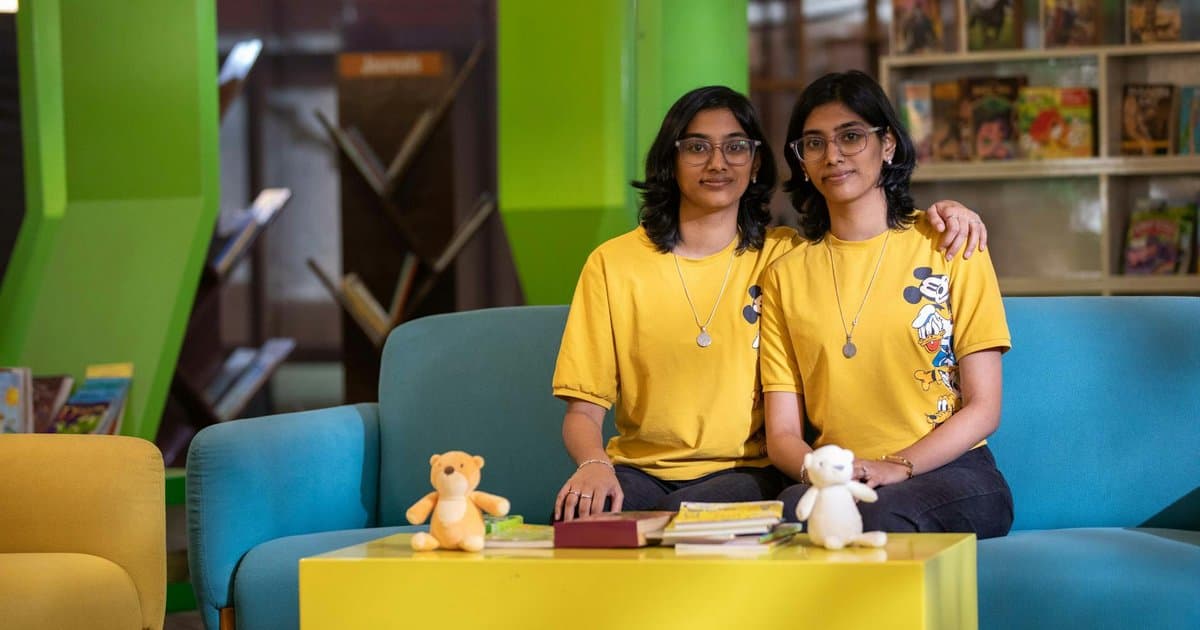
Your twins share a birthday, maybe a bedroom, and possibly even a face. But they don't share a personality. One might love trucks while the other is obsessed with butterflies. One charges into new situations while the other hangs back to observe. A personalized book for twins acknowledges what every parent of multiples already knows: these are two distinct people who happen to have arrived together.
Choosing the right personalized book can feel tricky. Do you buy one book or two? Should the story celebrate their twinship or their individuality? What if the book accidentally reinforces the exact comparisons you're trying to avoid? This guide walks through the child development research, practical considerations, and age-specific advice you need to make a thoughtful choice.
Why Twins Benefit from Personalized Books
Twin identity development is one of the most studied areas in developmental psychology. According to Segal (2017) 1, twins face a unique challenge: forming an individual sense of self while maintaining a close sibling bond. This balancing act starts earlier than most parents realize, often by age two or three.
Personalized books support this process by placing each child at the center of their own narrative. When a toddler hears their name in a story, sees a character who looks like them, and encounters their favorite animal on the page, something clicks. Research from ZERO TO THREE confirms that young children build self-concept through repeated exposure to their own name, image, and preferences 2.
Shared reading time also strengthens language development. The American Academy of Pediatrics recommends reading aloud daily from birth, noting that interactive reading builds vocabulary, comprehension, and emotional regulation 3. For twins, a personalized story creates a shared experience while simultaneously affirming each child's individuality.
One Shared Book or Two Separate Stories
This is the question parents of twins ask most, and the answer depends on age and temperament.
For younger twins (ages 0 to 4), a single shared book that weaves both names into the story often works beautifully. At this stage, twins are building their bond. A story about "Mia and Liam's trip to the farm" reinforces that they're a team. The shared reading ritual, cuddling together with one book, strengthens emotional closeness during a critical attachment period.
For older twins (ages 5 to 8), separate books tend to land better. By kindergarten, most twins are developing distinct interests, friend groups, and preferences. A book tailored to each child's world says, "I see you as your own person." Then comes the bonus: reading each other's stories. Many parents find that swapping books creates genuine curiosity and empathy between siblings.
Some families do both. A shared "twin celebration" book alongside individual stories covers all the bases.
What Makes a Personalized Book Actually Work for Twins
Not all personalized books are created equal. The worst offenders simply paste a child's name into a generic template, resulting in awkward sentences like "And then EMMA walked through the magical door." The story doesn't feel written for Emma. It feels written for nobody in particular.
The best personalized books for twins go deeper. Look for these features:
- Natural name integration. Names should flow within the dialogue and narration, not feel bolted on.
- Visual personalization. Illustrations that reflect each twin's hair color, skin tone, and physical features make a real difference.
- Twin-specific scenarios. Stories about sharing, cooperating, or navigating differences resonate far more than generic adventure plots.
- Family details. Options to include pet names, sibling references (identical vs. fraternal), or birth order add authenticity.
According to research published in Early Childhood Research Quarterly, children engage more deeply with stories featuring characters who resemble them, spending more time on pages and recalling more details afterward 4.
Best Book Types for Different Twin Ages
Ages 0 to 2: Board books are essential. Twins at this stage chew, throw, and drool on everything. Choose sturdy pages with bold illustrations, simple rhymes, and lots of repetition. Books that repeat each twin's name frequently help with early name recognition. Photo-personalized books, where actual pictures of the twins appear on pages, become instant favorites.
Ages 2 to 4: This is the sweet spot for emotion and routine books. Stories about starting preschool, welcoming a new sibling, or navigating big feelings work well. Twins in this range are developing Theory of Mind, the understanding that other people have different thoughts and feelings 5. A personalized story that shows each twin reacting differently to the same situation builds emotional literacy.
Ages 5 to 8: Older twins want adventure, humor, and stories that reflect their individual passions. A child who loves space exploration wants a space book. Their twin who loves cooking wants a cooking book. At this age, the story doesn't need to be about twinship unless the children specifically request it.
Keep in mind that twins sometimes develop at different paces. If one twin reads independently while the other prefers being read to, choose books that match each child's current stage without drawing attention to the gap.
When Personalized Books Backfire (and How to Avoid It)
Personalized books carry a real risk if they're chosen carelessly. The biggest pitfall is reinforcing rigid roles.
If one twin always gets the "brave explorer" book while the other gets the "kind helper" book, you're cementing labels that can follow children for years. Research on twin development from Bacon (2006) 6 highlights that assigned roles within twin pairs, such as "the smart one" or "the shy one," can limit both children's willingness to explore new identities.
Here's how to avoid common traps:
- Skip personality labels. Choose stories based on interests, not character traits.
- Don't highlight developmental differences. If one twin reads at a higher level, select books that are enjoyable for both rather than showcasing the gap.
- Involve your twins. Even three-year-olds can choose between two cover options. Giving children agency over their own story prevents resentment.
- Watch for comparison triggers. A story that celebrates one child's soccer goal shouldn't inadvertently remind the other twin that they didn't score.
When in doubt, read the book yourself first. Ask: would either of my children feel left out, labeled, or less-than?
Using Personalized Twin Books in Daily Life
Bedtime is the obvious choice, but it's not the only one. The real value of a personalized book unfolds over time and across contexts.
At home, pause during reading to let each twin point out their name or picture. Ask open-ended questions: "What would you do if you found that treasure?" These small interactions build narrative skills and self-expression. Revisiting the same book months later creates a sense of continuity. Children love noticing how they've grown since the story was "written for them."
In classrooms, teachers of twins report that personalized books work well during morning meetings or sharing circles. A twin who reads their personalized story to the class gets to introduce themselves as an individual, separate from their sibling. Early childhood educators aligned with NAEYC guidelines emphasize the importance of honoring each child's identity within group settings 7.
Some parents also use personalized books as transition tools, reading a "starting kindergarten" story before the big day, or a "visiting the dentist" story before an appointment.
Gift-Giving Strategy for Twin Families
If you're buying a gift for twins and you're not their parent, a personalized book for twins signals genuine thoughtfulness. It says you took the time to learn their names, their interests, and their differences.
A few practical tips for gift-givers:
- Ask the parents about each twin's current obsessions. Don't guess.
- Always buy two gifts for twins, even if one is a shared book and the other is individual. Twins notice when they receive one gift "to share" while singleton siblings get their own.
- Milestone moments are ideal occasions. A personalized book for a third birthday, the first day of school, or a new sibling's arrival carries emotional weight that a generic toy doesn't.
- Consider the keepsake factor. Photo-personalized or high-quality illustrated books get saved in memory boxes. Cheap, flimsy options end up in donation bins.
Personalized books also work well as part of a bigger gift. Pair a book with a matching stuffed animal or a set of crayons for drawing their own story.
Practical Considerations: Budget, Timeline, and Quality
Expect to spend $25 to $45 per book for quality personalized options. Cheaper alternatives (under $15) often have generic illustrations with names awkwardly overlaid, and children notice.
Order early. High-quality printed and bound personalized books typically require two to three weeks for production and shipping. If you're buying for a birthday or holiday, rushing the order often means compromising on print quality. Digital or PDF versions can arrive same-day, which works well for a quick bedtime surprise but lacks the tactile magic of a real book.
When evaluating quality, check reviews specifically for personalization accuracy. Do the illustrations genuinely reflect the child's appearance, or do they look copy-pasted? Some parents find that reading a personalized story about a specific milestone, like starting school, helps because children see themselves navigating the situation successfully. Several platforms, including MoonShine Story, offer this kind of scenario-based personalization alongside visual customization.
Supporting Individual Identity Through Stories
Twins face a developmental task that singletons don't: separating "who I am" from "who we are." This process, called individuation, is healthy and necessary. According to Segal (2017) 1, twins who develop a strong individual identity actually report closer, more satisfying relationships with their co-twin in adulthood.
Personalized books reinforce individuation in a gentle, non-threatening way. A child who sees a story reflecting their specific love of dinosaurs, their brown curly hair, and their cat named Biscuit receives a powerful message: "I am known. I am seen. I am not just half of a pair."
Parents often report that after receiving individual personalized books, their twins become more willing to share their own opinions, try separate activities, and celebrate each other's differences. The book becomes a mirror, and what children see reflected back is themselves.
When to Talk to Your Pediatrician
Personalized books are developmentally appropriate at any age when matched to the right reading level and format. Board books are safe for teething infants, and no credible research suggests that personalized stories promote narcissism or self-centeredness.
However, if you notice either twin becoming distressed about being "different" from their sibling, refusing to engage with individual activities, or showing signs of an overly enmeshed identity (inability to answer questions about their own preferences without checking with their twin), bring this up at your next well-child visit. Some twins benefit from play therapy or targeted support to build individual confidence. Your pediatrician can refer you to a child psychologist experienced with multiples.
Get practical parenting tips delivered weekly
Evidence-based guidance for the moments that matter. No spam, unsubscribe anytime.
Frequently Asked Questions
Keep reading
How to Create a Dog Memorial Book (With Printable Templates)
Create a dog memorial book with photos, stories, and mementos. Learn 5 organizational tips and design ideas for honoring your pet's memory.
8 min read
How to Write a Wedding Speech for Your Aunt and Uncle (With Examples)
Write a heartfelt 3-5 minute wedding speech for your aunt and uncle. Follow this proven structure with character-focused stories and authentic delivery tips.
7 min read
Cat Memorial Book Ideas: Creating a Lasting Tribute
Create a cat memorial book with photos, memories, and keepsakes. Learn 6 meaningful ways to honor your pet and process grief with this personalized tribute.
7 min read
Get weekly parenting tips backed by research
Evidence-based guidance for the moments that matter. No spam, unsubscribe anytime.