Personalized Christmas Books: Why Kids Love Seeing Themselves in Stories
Discover why personalized Christmas books matter for child development and how to choose the right one. Expert tips on age-appropriate options and meaningful gifting.

Matt Li
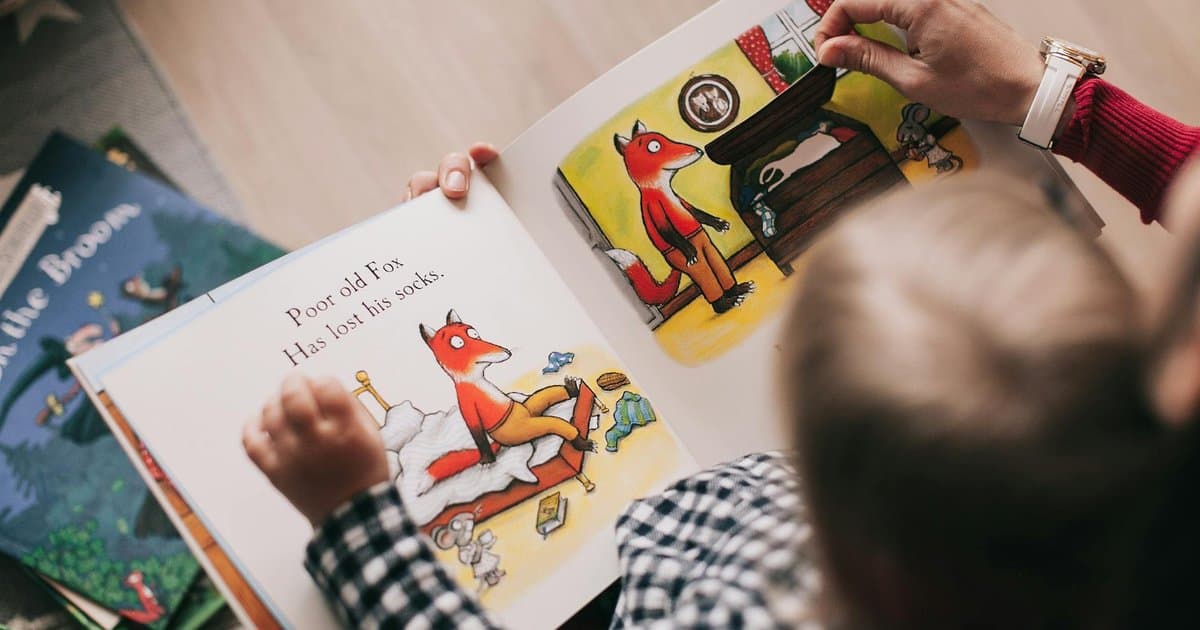
Personalized Christmas Books: Why Kids Love Seeing Themselves in Stories
Every December, the same question comes up: what gift will actually matter to my child beyond Boxing Day? If you've been browsing personalised Christmas childrens books, you're already on the right track. These aren't just novelty items, there's real developmental science behind why children light up when they see their own name, face, or family woven into a holiday story.
Whether you're a parent trying to build a meaningful Christmas tradition or a grandparent searching for something that won't end up in the donation pile by January, this guide walks you through what the research says, how to choose well, and how to make the gift land emotionally, not just sit on a shelf.
Let's dig into what makes these books special and when a classic might actually serve your child better.
Why Personalised Christmas Childrens Books Matter More Than You'd Think
Children retain information better when they see themselves reflected in a story. A study by Kucirkova, Messer, and Whitelock (2013) found that children showed significantly higher engagement, recall, and motivation when reading personalised books compared to non-personalised versions. The effect was strongest among children aged 3–6.
This isn't just about a name on a cover. When a child recognises themselves as the protagonist, they shift from passive listener to active participant. They ask questions, make predictions, and connect emotionally to the narrative in ways generic stories don't always achieve.
Personalised Christmas books also become keepsakes. Unlike toys that break or clothes that are outgrown, a well-made book gains sentimental value over time. Many parents report their children requesting "their" Christmas book year after year, long after the original holiday has passed. That repeat engagement is exactly what builds early literacy habits.
What Makes a Good Personalised Christmas Book Stand Out
Not all personalised books are created equal. The best ones go beyond dropping a child's name into a template, they adapt the narrative itself. Your child's appearance, personality traits, or family details should feel woven into the story, not bolted on.
Look for these markers of quality:
- Illustrations that reflect your child. Skin tone, hair colour, and family structure should be customisable.
- A genuine Christmas story. The plot should hold up on its own, themes of kindness, wonder, or family tradition.
- Age-appropriate language and length. A 200-word board book for a toddler; a longer narrative for a six-year-old.
- Durable binding and materials. Books that fall apart after three readings defeat the purpose.
According to the National Literacy Trust (2023), children who own books they feel emotionally connected to are more likely to read for pleasure, a habit strongly linked to academic success. A personalised book creates exactly that emotional connection.
How to Choose the Right Book for Your Child's Age
Matching the book to your child's developmental stage matters more than matching it to their birthday. Here's a practical breakdown:
Toddlers (ages 2–3): Choose sturdy board books with minimal text, bright illustrations, and tactile elements like lift-the-flaps. At this stage, the child won't read the words, they'll respond to hearing their name and recognising themselves in pictures.
Preschoolers (ages 4–6): Picture books with 300–800 words work well. Look for active characters, simple moral lessons about sharing or generosity, and engaging illustrations. Research from the American Academy of Pediatrics (2014) confirms that shared reading at this age strengthens language development and parent-child bonding.
Early readers (ages 6–10): These children appreciate more complex plots, a Christmas mystery, an adventure to the North Pole, or stories about holiday traditions around the world. Chapter-style personalised books or longer narratives suit this group well. Consider their interests: animals, space, sports, or cooking.
Personalised Christmas Books vs. Regular Christmas Books
This isn't an either-or decision. Both types of books serve different purposes, and most families benefit from having both in their holiday rotation.
Feature | Personalised Books | Classic Christmas Books |
|---|---|---|
Emotional connection | Very high, child is the protagonist | Moderate, depends on story resonance |
Rereadability | Strong (novelty + personal attachment) | Strong (familiar favourites) |
Cost | £15–£60 depending on customisation | £5–£15 typically |
Story variety | Limited to available templates | Thousands of options |
Keepsake value | High | Moderate |
Regular Christmas books, The Polar Express, How the Grinch Stole Christmas, offer rich storytelling and cultural touchstones. Personalised books offer something different: the powerful message that your child belongs in this story.
Many families use personalised books for milestone years, a first Christmas, a year with a new sibling, or a tough year that needs extra magic, and classics for the annual reading rotation.
Practical Tips for Making the Gift Feel Meaningful
A personalised book can fall flat if it's unwrapped alongside a pile of flashier gifts. Presentation matters.
Read it together first. Don't hand it over and walk away. Sit down on Christmas Eve or Christmas morning, just the two of you, and read it aloud. Point to their name. Watch their face. This shared moment is where the magic lives.
Date the inside cover. Write the year, the child's age, and a short message. "Christmas 2024, age 4. You were obsessed with reindeer this year." In ten years, this turns a book into a time capsule.
Order early. Quality personalised Christmas childrens books need 2–4 weeks for production and shipping. Order by mid-November to avoid rush fees and stress. According to a 2022 Royal Mail survey, nearly 30% of online gift orders placed after December 10 experienced delivery delays during the holiday period.
Photograph the moment. Take a picture of your child reading their book each Christmas. You'll build a visual timeline of their growth.
When a Classic Christmas Book Might Be the Better Choice
Personalised books aren't always the right call. Here's when a classic might serve your family better:
Large families with tight budgets. Personalising a book for each of four children adds up quickly. A beautifully illustrated classic that everyone shares can create the same reading ritual at a fraction of the cost.
Voracious readers who crave variety. Some children devour books so quickly that a single personalised title won't satisfy them. These kids might prefer a stack of new Christmas stories to explore.
Children who dislike being the centre of attention. Some kids, especially those who are naturally shy or have sensory sensitivities, feel uncomfortable seeing themselves spotlighted. For these children, a story about a beloved character they admire may feel safer and more enjoyable.
Personalised books shine brightest for only children, kids adjusting to big life changes (new school, new sibling, a move), and children from underrepresented backgrounds who rarely see characters who look like them.
How Personalised Books Help Children See Themselves in Stories
Representation in children's literature remains uneven. The Cooperative Children's Book Center (2023) found that only about 30% of children's books published in the US featured characters of colour, despite these groups making up more than half of the child population.
Personalised books sidestep this gap entirely. When a child's skin tone, hair texture, family structure, or cultural background is reflected in the illustrations, the message is clear: you belong in this story.
This matters for self-image development. Psychologist Rudine Sims Bishop famously described books as "mirrors, windows, and sliding glass doors", children need to see themselves reflected in stories to develop a healthy sense of identity. For children with different abilities, non-traditional family structures, or multicultural backgrounds, a personalised book can be one of the few stories where they see someone who truly looks like them as the hero.
Some parents find that reading a personalised story about Christmas — where their child sees themselves navigating the adventure — builds reading confidence and enthusiasm in ways that generic stories don't always achieve.
Budget-Friendly Options and When to Splurge
Personalised Christmas books range widely in price. Here's what you typically get at each level:
Basic (£15–£25): Name insertion with minimal customisation. Often a standard template with the child's name swapped in. Fine for younger toddlers who mainly respond to hearing their name aloud.
Mid-range (£25–£40): Character customisation (appearance, name, sometimes a friend or family member). A more adapted narrative. This is where most families find the best value — personal enough to feel special, affordable enough to justify annually.
Premium (£40–£60+): Full narrative adaptation, deluxe binding, gift packaging, sometimes accompanied by a stuffed toy or ornament. Worth considering for milestone years or as a special gift from grandparents.
The sweet spot for most families is the mid-range tier. According to the Book Industry Study Group, the average consumer spent approximately $35 on children's gift books in 2022, making a quality personalised book competitively priced against premium illustrated editions.
Storage and Long-Term Care for Keepsake Books
These books deserve better than a cardboard box in the attic.
Store them spine-out or flat on a dedicated shelf, away from direct sunlight. UV exposure fades covers and illustrations over time. Avoid damp spaces like basements or garages — humidity warps pages and encourages mould.
Keep them accessible, not archived. The whole point is rereading. Put them at your child's height so they can reach for "their" book independently.
Start an annual tradition. Some families photograph their child holding their personalised Christmas book each December. Over years, this becomes a growth timeline — same book, growing child. It's a simple ritual with powerful emotional payoff.
Think long-term. Many parents eventually gift these childhood books back to their adult children, especially when grandchildren arrive. A well-preserved personalised book from 2024 becomes a deeply sentimental object in 2050. Date it, sign it, and treat it like what it is — an heirloom in the making.
Red Flags to Watch for When Ordering
Not every personalised book seller delivers quality. Protect yourself and your gift budget by watching for these warning signs:
- Extremely low prices (under £10). This almost always means poor-quality paper, faded printing, or flimsy binding.
- No preview or proof option. Reputable companies let you see a digital preview before printing. If they don't, you're gambling on accuracy.
- Vague customisation descriptions. "We'll add your child's name!" without specifying where or how suggests a basic mail-merge, not genuine personalisation.
- Unrealistic delivery promises. Quality printing, binding, and shipping takes time. Any seller promising same-week turnaround on a truly personalised book is cutting corners somewhere.
- Reviews mentioning spelling errors. Misspelled names are unacceptable in a personalised gift. Check recent reviews before ordering.
Always order a proof, double-check every detail, and allow buffer time for reprints if something goes wrong.
Key Takeaways
- Personalised Christmas books boost engagement, recall, and emotional connection based on real literacy research.
- Match the book to your child's developmental stage, not just their age.
- Order 4–6 weeks ahead to avoid delivery stress and rush pricing.
- Present the book intentionally — read it together, date the cover, photograph the moment.
- Mid-range options (£25–£40) offer the best balance of quality and value for most families.
- Personalised books are especially meaningful for children who rarely see themselves represented in stories.
- Store them as keepsakes: flat, dry, accessible, and signed.
Frequently Asked Questions
How early should I order a personalised Christmas book?
Order 4–6 weeks before Christmas to allow for production, proofs, and shipping. Avoid sellers promising same-week turnaround — quality personalisation takes at least 2–3 weeks.
Are personalised Christmas books worth the extra cost?
For most families, yes — especially for milestone years or children who rarely see themselves in stories. A £25–£40 book becomes a keepsake that's revisited for years, offering far more value-per-use than most toys.
Can I use a personalised Christmas book for multiple children?
Individual books work best since the personalisation is child-specific. For siblings, consider one personalised book each or alternate years, supplementing with a shared classic everyone reads together.
What if my personalised book arrives with a spelling mistake?
Always request a digital proof before printing to catch errors. If a mistake slips through, contact the seller immediately — reputable companies offer reprints or full refunds for personalisation errors.
Will my child outgrow a personalised Christmas book?
Children outgrow the reading level but not the emotional value. Many kids revisit their personalised books nostalgically for years, and parents often preserve them as keepsakes that gain sentimental meaning over time.
Sources
- Kucirkova, N., Messer, D., & Whitelock, D. (2013). Parents reading with their toddlers: The role of personalization in book engagement. Journal of Early Childhood Literacy, 13(4), 445–470.
- American Academy of Pediatrics (2014). Literacy Promotion: An Essential Component of Primary Care Pediatric Practice. Pediatrics, 134(2), 404–409.
- National Literacy Trust (2023). Children and Young People's Reading in 2023. https://literacytrust.org.uk
- Cooperative Children's Book Center (2023). Books by and/or about Black, Indigenous, and People of Color (BIPOC) Published for Children and Teens. University of Wisconsin-Madison. https://ccbc.education.wisc.edu/literature-resources/ccbc-diversity-statistics/
- Bishop, R.S. (1990). Mirrors, Windows, and Sliding Glass Doors. Perspectives: Choosing and Using Books for the Classroom, 6(3).
Get practical parenting tips delivered weekly
Evidence-based guidance for the moments that matter. No spam, unsubscribe anytime.
Frequently Asked Questions
Keep reading
How to Create a Dog Memorial Book (With Printable Templates)
Create a dog memorial book with photos, stories, and mementos. Learn 5 organizational tips and design ideas for honoring your pet's memory.
8 min read
How to Write a Wedding Speech for Your Aunt and Uncle (With Examples)
Write a heartfelt 3-5 minute wedding speech for your aunt and uncle. Follow this proven structure with character-focused stories and authentic delivery tips.
7 min read
Cat Memorial Book Ideas: Creating a Lasting Tribute
Create a cat memorial book with photos, memories, and keepsakes. Learn 6 meaningful ways to honor your pet and process grief with this personalized tribute.
7 min read
Get weekly parenting tips backed by research
Evidence-based guidance for the moments that matter. No spam, unsubscribe anytime.