Personalized Goodnight Books: Do They Actually Help Kids Sleep?
Discover whether personalized bedtime stories actually help kids sleep better. Expert insights on what makes effective bedtime routines and when to use them.

Matt Li
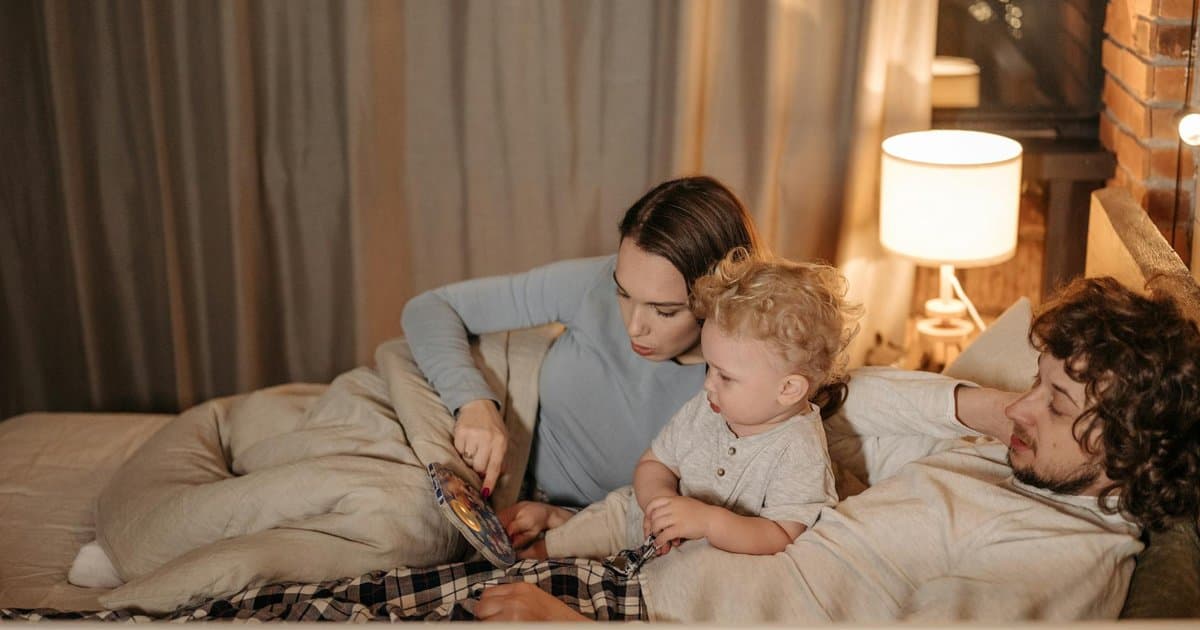
It's 8:47 PM. You've done the bath, the teeth, the pajamas, the water refill, and your toddler is still standing at the edge of their bed, wide-eyed and wired. You're exhausted. You're wondering if anything will make bedtime easier.
If you've been searching for a personalized good night book, you've probably seen bold claims about how putting your child's name in a story will magically fix bedtime. The truth is more nuanced, and more useful.
A personalized bedtime story can be a genuinely helpful piece of your routine. But it's not a silver bullet. According to a landmark study by Mindell et al. (2009) published in Sleep, a consistent bedtime routine, including activities like reading, significantly improved sleep outcomes in young children within just three nights. The key word there is routine, not any single book.
Let's break down what actually works, what doesn't, and whether a personalized goodnight book deserves a spot on your child's nightstand.
Why Personalized Goodnight Books Work for Some Kids
Children between ages 2 and 5 are in a fascinating developmental window. They're building self-awareness, recognizing their own names in print, and deeply invested in stories about themselves. Research on the self-reference effect, a well-documented phenomenon in cognitive psychology, shows that people of all ages process and remember information better when it relates to them personally (Rogers, Kuiper, & Kirker, 1977).
For toddlers and preschoolers, seeing their own name and likeness in a story can create powerful emotional engagement. Many parents find that their child requests the same personalized story dozens of times, which is actually ideal for bedtime.
This familiarity is the real mechanism at work. Predictable narratives signal to a child's brain that the environment is safe, which helps downregulate the stress response. According to ZERO TO THREE, repetition in early childhood builds a sense of security and mastery, exactly what anxious bedtime resisters need.
What a Good Bedtime Story Should Actually Contain
Not all stories are created equal when it comes to sleep. The ideal bedtime book, personalized or not, has specific qualities that support the transition from wakefulness to rest.
Look for these elements:
- Rhythmic, repetitive language that naturally slows your reading pace
- A calm narrative arc that mirrors the progression toward sleep (active → quiet → resting)
- Sensory comfort details like soft blankets, warm hugs, and gentle sounds
- Themes of safety and belonging, "You are loved. You are home."
Avoid books with conflict, surprise twists, or high-energy plots. A study by Mindell and Williamson (2018) in Sleep Medicine Reviews found that calming pre-sleep activities, including quiet reading, were associated with better sleep quality and reduced bedtime resistance in children under 6.
The best bedtime story feels like a lullaby in book form. If your voice naturally softens while reading it, you've found the right one.
When a Personalized Good Night Book Is Actually Worth It
A personalized good night book makes the most sense for specific situations and specific kids. It's not universally necessary, and that's okay.
It's a great fit when your child:
- Is between ages 2 and 5, when name recognition and self-concept are developing rapidly
- Already enjoys being read to and can sit for 5–10 minutes
- Struggles with mild separation anxiety at bedtime
- Loves seeing photos or illustrations of themselves
It's less helpful when:
- Bedtime resistance stems from overtiredness or a schedule mismatch (no book fixes that)
- Your child actively resists all reading at bedtime
- You're looking for a standalone sleep solution
According to the American Academy of Pediatrics (2016), age-appropriate sleep schedules and consistent routines matter more than any individual sleep tool. A personalized book works best within a routine, not as a replacement for one.
How to Make Bedtime Stories Actually Work
Whether you're using a personalized book, a library classic, or a story you made up, the way you read matters as much as what you read.
Build a 15–20 minute wind-down period before stories. This might include dimming lights, putting on pajamas, and doing a quick snuggle. The story should be the final calming step, not the first.
Read slowly. Deliberately slower than your normal pace. Drop your voice to just above a whisper as the story progresses. This models the physical quieting your child's body needs to do.
Repeat the same book for 2–3 weeks. Research by Horst, Parsons, and Bryan (2011) in Frontiers in Psychology found that young children who heard the same stories repeatedly showed significantly better word learning than those who heard different stories, and the same principle applies to emotional regulation. Familiarity breeds calm.
Pair reading with physical comfort, a child on your lap, a hand on their back, gentle rocking.
Common Bedtime Story Mistakes Parents Make
Even well-intentioned parents can accidentally undermine the calming power of bedtime reading. Here are the most common pitfalls.
Rushing through the story. When you're exhausted and just want bedtime to be over, it shows. Children pick up on your energy. If you're speed-reading, the book becomes a task, not a ritual.
Choosing overstimulating books. That hilarious dinosaur adventure? Save it for daytime. Stories with loud sound effects, dramatic plots, or anything that makes your child shout "AGAIN!" with excitement are working against you at bedtime.
Introducing a new book every night. Novelty is stimulating. At bedtime, you want the opposite. Many parents find that their toddler asking for the same story for the 47th time is actually a feature, not a bug.
Expecting the story to fix everything. If your child is overtired, undertired, anxious, or dealing with a schedule disruption, even the perfect book won't be enough. Address the root cause first.
Signs Your Child Is Ready for a Personalized Goodnight Book
Not every child is ready at the same age, and that's perfectly normal. Developmental readiness matters more than the number on the birthday cake.
Signs of readiness (typically ages 2–4):
- Recognizes their own name when they hear it
- Can sit and listen to a 3+ minute story
- Points to themselves in photos
- Asks for stories to be repeated
- Shows interest in characters who look like them
If your child is under 18 months, stick with simple board books. The personalization won't register yet, and short, sturdy books with high-contrast images are more developmentally appropriate.
If your child resists reading entirely, don't force it. According to NAEYC, forcing literacy activities can create negative associations. Try other calming bedtime activities first, gentle music, massage, or quiet conversation — and introduce stories when your child shows interest.
When to Talk to Your Pediatrician
Bedtime stories are a wonderful tool for healthy sleep hygiene. But they have limits. Some sleep challenges require professional support, and recognizing that boundary is important.
Talk to your pediatrician if your child:
- Has persistent night terrors or sleepwalking episodes
- Shows severe anxiety that extends beyond bedtime into daytime activities
- Consistently takes more than 45 minutes to fall asleep despite a calm routine
- Snores loudly, gasps, or pauses breathing during sleep
- Is excessively tired during the day despite adequate sleep opportunity
The American Academy of Pediatrics (2016) notes that behavioral insomnia of childhood affects roughly 20–30% of young children at some point. It's common, it's treatable, and it's nothing to feel guilty about.
A personalized story won't address sleep apnea, clinical anxiety, or circadian rhythm disorders. If bedtime has become a nightly battle that leaves everyone in tears, a pediatrician or pediatric sleep specialist can help identify what's really going on.
How to Choose Between DIY, Personalized, and Classic Bedtime Books
You have three main options, and the "best" one depends entirely on your child and your situation.
Classic bedtime books — like Goodnight Moon, Time for Bed, or The Going to Bed Book — have earned their reputations for a reason. They use rhythmic language, calming imagery, and predictable patterns. They're affordable, widely available, and you can start tonight. For many families, these are all you need.
DIY personalized stories let you insert your child's name, their stuffed animal, and details from their actual bedroom. They're free, infinitely customizable, and you can adjust them as your child grows. The downside: they require your time and creativity.
Commercially personalized books — including options from platforms like MoonShine Story — combine professional illustrations with your child's name and details. Some parents find that reading a personalized story about going to sleep helps because children see themselves successfully navigating bedtime. These typically cost $25–$60, making them a meaningful gift rather than an everyday purchase.
Expert Tips for Using Stories in Bedtime Routines
Sleep specialists consistently emphasize that the story is one piece of a much larger picture. Here's how to integrate reading with evidence-based sleep hygiene.
Pair stories with environmental cues. Dim lights 30 minutes before bedtime. Use blackout curtains. Consider white noise. Mindell et al. (2009) found that multi-step routines combining bathing, massage, and quiet activities produced the strongest improvements in sleep onset and night waking.
Eliminate screens for 30–60 minutes before reading. The AAP recommends avoiding screen time close to bedtime, as the blue light and stimulating content interfere with melatonin production.
For anxious children, combine stories with breathing. Before or after reading, try simple deep breathing — "smell the flower, blow out the candle" — or progressive muscle relaxation. The story calms the mind; the breathing calms the body. Together, they're more effective than either alone.
Key Takeaways
- A personalized good night book can be a valuable part of your bedtime routine, but it works best alongside consistent scheduling, a calm environment, and intentional wind-down time
- The self-reference effect means children engage more deeply with stories featuring themselves — but the power lies in repetition and ritual, not novelty
- Ages 2–4 are the sweet spot for personalized bedtime stories
- Classic books remain an excellent, affordable option — personalization is helpful, not essential
- If sleep problems persist despite a solid routine, consult your pediatrician
Get practical parenting tips delivered weekly
Evidence-based guidance for the moments that matter. No spam, unsubscribe anytime.
Frequently Asked Questions
Keep reading
How to Create a Dog Memorial Book (With Printable Templates)
Create a dog memorial book with photos, stories, and mementos. Learn 5 organizational tips and design ideas for honoring your pet's memory.
8 min read

How to Write a Wedding Speech for Your Aunt and Uncle (With Examples)
Write a heartfelt 3-5 minute wedding speech for your aunt and uncle. Follow this proven structure with character-focused stories and authentic delivery tips.
7 min read

Cat Memorial Book Ideas: Creating a Lasting Tribute
Create a cat memorial book with photos, memories, and keepsakes. Learn 6 meaningful ways to honor your pet and process grief with this personalized tribute.
7 min read
Get weekly parenting tips backed by research
Evidence-based guidance for the moments that matter. No spam, unsubscribe anytime.