Pre-K Graduation Gifts That Actually Matter to Kids
Thoughtful pre-K graduation gift ideas that celebrate milestones. Memory books, transition books, keepsakes, and experiences that kids truly value.

Matt Li
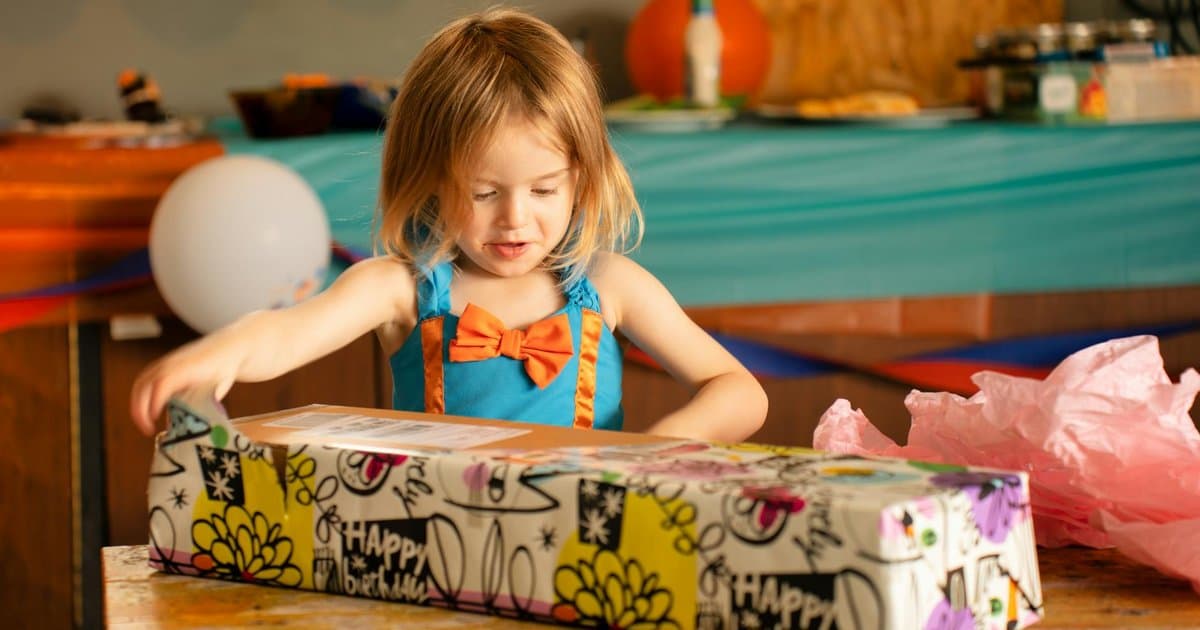
Your child is about to walk across a tiny stage in an oversized cap, and you're wondering what to get them. Finding the right pre kindergarten graduation gifts can feel surprisingly tricky. You don't want another plastic toy that ends up forgotten under the couch by July, but you also don't want to overthink a gift for a four- or five-year-old.
Here's the thing: this milestone is real. Your child has spent one to two years building friendships, learning to share, managing big feelings, and developing the confidence they'll carry into kindergarten. According to ZERO TO THREE (2022), children between ages three and five undergo rapid social-emotional development that forms the foundation for all future learning. A thoughtful gift can honor that growth in a way your child actually feels.
This guide walks you through the most meaningful gift categories, what to skip, and how to make the moment stick.
Why Pre Kindergarten Graduation Gifts Should Feel Different from Birthday Presents
Birthday gifts celebrate getting older. Pre-K graduation gifts celebrate what your child did, the friendships they built, the challenges they navigated, and the confidence they grew. That distinction matters more than you might think.
Research from Robyn Fivush and colleagues at Emory University (2011) shows that children who revisit personal memories with caregivers develop stronger self-concept and emotional resilience. A gift tied to a specific milestone becomes what psychologists call a "memory anchor", an object or experience that helps a child locate themselves in their own story.
This doesn't mean spending a lot of money. It means choosing with intention. A $12 memory book filled with classmates' drawings will likely mean more to your child than a $50 toy set.
The best pre kindergarten graduation gifts fall into three categories: keepsakes, experiences, or tools that support the kindergarten transition. Let's look at each.
1. Memory Books or Keepsake Journals. The Most Meaningful Gift
A dedicated memory book where you collect photos, drawings, and messages from pre-K becomes something your child will revisit for years. Many parents find that these simple journals turn into one of their most treasured family artifacts.
Here's how to make one truly special:
- Ask the teacher if classmates can contribute a drawing or a short message (even a scribble counts at this age).
- Include photos from field trips, holiday concerts, and everyday classroom moments.
- Add your own note about what your child accomplished this year, specific details like "You learned to write your name" or "You made your first best friend."
Rereading this book together over the summer helps children process the transition to kindergarten. According to the National Association for the Education of Young Children (NAEYC, 2019), reflection activities like revisiting photos and stories support children's ability to manage life transitions.
2. Books About Starting Big School. The Emotional Prep Gift
Stories about starting kindergarten give children language for feelings they can't yet articulate. Reading about a character who feels nervous and excited normalizes the swirl of emotions your child is probably already experiencing.
Classic titles that work well include The Kissing Hand by Audrey Penn and Llama Llama Misses Mama by Anna Dewdney. Both address separation anxiety in age-appropriate ways that four- and five-year-olds connect with deeply.
Some parents find that a personalized story, where the child sees their own name and appearance in the adventure of starting kindergarten, makes the transition feel less abstract and more manageable. A personalized book is one option among many, but children at this age are drawn to seeing themselves reflected in stories.
Plan to reread whichever book you choose frequently in the weeks leading up to the first day. Repetition builds comfort.
3. A Small Treasure Box or Time Capsule. The Long-Term Keepsake
A decorative box where your child collects pre-K memories becomes something they'll open decades later. Inside, you might place drawings, the graduation certificate, a photo with their teacher, or a friendship bracelet from a classmate.
Wood or sturdy cardboard boxes hold up far better than plastic containers. Let your child decorate the outside with stickers or paint, this adds ownership and makes the box itself part of the memory.
Include a handwritten note from you about what your child accomplished this year. Be specific: "You were so brave on your first day" or "Your teacher told me you always helped friends who were sad." According to Fivush et al. (2011), elaborative reminiscing, where parents add emotional detail to shared memories, strengthens children's narrative identity and self-esteem.
Consider sealing the box together with a plan to reopen it before first grade. That creates anticipation and a meaningful family ritual.
4. Kindergarten Readiness Supplies. The Practical Gift
A colorful new backpack, a pencil case in their favorite color, kid-safe scissors, or a personalized lunchbox signals that something exciting is coming. Wrapped nicely on graduation day, these practical items feel celebratory rather than ordinary.
The key is letting your child have a say. Let them choose the backpack color or the water bottle design. According to the American Academy of Pediatrics (2019), giving children age-appropriate choices supports their developing sense of autonomy, a critical skill for the kindergarten transition.
To make supplies feel like a real gift bundle:
- Add a name label or monogram for a sense of ownership.
- Wrap items individually so there's something to unwrap.
- Include one fun extra, like a keychain or a small stuffed animal clip for the backpack.
Kids actually use these gifts, which means they'll associate them with the celebration every time they grab their bag.
5. An Experience. The Memory-Maker Gift
A special outing just for this milestone often becomes the most vivid memory of pre-K graduation. Ice cream with grandparents, a trip to the children's museum, or a picnic at a favorite park, experiences don't clutter your home and they create shared family stories.
Choose something your child has specifically asked to do, or a place they love. Bring a camera and take photos you can print later for their memory book or treasure box.
Frame it explicitly: "We're doing this because we're celebrating YOU growing up." Research published in the Journal of Consumer Psychology by Van Boven and Gilovich (2003) found that experiences tend to produce more lasting happiness than material purchases, and while that study focused on adults, many developmental psychologists suggest the principle applies to children as well.
Budget-friendly ideas: a nature hike with a "graduation picnic," a library trip where they pick five new books, or a backyard movie night in their honor.
6. A Piece of Wearable Keepsake. The Sentimental Gift
A simple bracelet, necklace, or charm engraved with the year or their name transforms an everyday accessory into an heirloom. Kids often wear these proudly in the days and weeks that follow, and the piece grows with them as a physical reminder of this chapter.
Keep it durable. Pre-K graduates are active, avoid anything delicate, sharp, or easily lost. A silicone bracelet with an engraved tag, a simple bead bracelet, or a necklace on a sturdy cord all work well.
Some families choose matching pieces, a parent and child each wearing a bracelet, to reinforce the "we're connected" feeling that eases separation anxiety. This is especially meaningful if your child is nervous about kindergarten and needs reassurance that you're with them even when you're apart.
Budget range: $10–$30 for something simple and lasting.
When to Go Bigger. Group or Family Pre Kindergarten Graduation Gifts
If grandparents, aunts, or uncles all want to contribute, coordinate. Pooling resources avoids duplication and can fund something truly memorable, a class photo printed on canvas, a family experience day, or a higher-quality keepsake.
Grandparents often appreciate guidance on what actually matters to a four- or five-year-old. Don't be shy about sending a specific suggestion or a short list of options. Most family members would rather give something meaningful than guess.
Ideas for group gifts:
- Class photo on canvas, becomes bedroom décor they'll love for years.
- A special experience, a day trip or a visit to a place your child has been talking about.
- A bigger keepsake, a quality wooden memory box, a custom blanket with their artwork printed on it, or a child-safe camera.
Set a budget range when coordinating so nobody feels pressured or left out.
What NOT to Give. And Why It Matters
Avoid trendy character toys, large plastic playsets, or anything battery-powered. Pre-K graduates already have plenty of toys, and these gifts lose their connection to the milestone within days.
Here's what to skip:
- Licensed character items date quickly. Your child's favorite show this month may be forgotten by fall.
- Large toy sets disappear into the existing toy pile and carry no special significance.
- Gift cards for kids mean nothing to a four-year-old. The concept is too abstract at this age.
According to the American Academy of Pediatrics (2018), open-ended toys and experiences promote more developmental benefit than electronic or character-driven toys. A gift that marks a moment and invites reflection — a book, a memory box, a special outing — serves your child better than something flashy that ends up in a donation bin by December.
Focus on gifts that last in meaning, even if they're modest in price.
When to Worry — Is Your Child Ready for Kindergarten?
Some nervousness about kindergarten is completely normal. Most children feel a mix of excitement and worry, and pre-K programs are specifically designed to prepare them for this transition.
But if your child is showing extreme anxiety, significant regression (frequent toileting accidents after being fully trained, returning to thumb-sucking, or refusing to separate from you), or strong resistance to any mention of kindergarten, it's worth a conversation with their pre-K teacher.
According to the AAP's Bright Futures guidelines (2017), children who can separate from caregivers, follow simple instructions, and engage in cooperative play are generally ready for kindergarten — even if they're nervous about it.
Regression during transitions is common and typically resolves within a few weeks. But if symptoms persist or intensify, talk to your pediatrician. They can assess whether your child might benefit from additional support, like a social skills group or a gradual transition plan.
Trust your gut. You know your child best.
How to Present the Gift — Timing Matters
Don't just hand your child a wrapped box on graduation day between photos and cake. Instead, make a small ceremony of it — ideally a day or two before or after the event, so the gift gets its own moment.
Read the card aloud. Explain why you chose this specific gift for this specific moment. Use language like: "You're moving to kindergarten because you've grown so smart and kind. This is to remember how far you've come."
Kids absorb meaning when adults are intentional about framing it. A gift given casually registers as just another present. A gift given with eye contact, specific praise, and warmth becomes a memory.
Let your child hold the gift, explore it, and ask questions. If it's a memory book, sit down together and flip through it. If it's a backpack, let them try it on and look in the mirror.
The presentation is part of the gift.
Key Takeaways
The best pre kindergarten graduation gifts aren't the most expensive — they're the most thoughtful. Here's what to remember:
- Meaning over price. A $15 memory book with classmates' drawings will outlast a $75 toy in your child's heart.
- Mark the moment. Choose gifts that specifically acknowledge growth, not just entertain.
- Support the transition. Books about kindergarten, practical supplies, and experiences all help your child move forward with confidence.
- Present with intention. How you give the gift matters as much as what you give.
- Don't overthink it. Your child will remember being celebrated. That's what sticks.
Get practical parenting tips delivered weekly
Evidence-based guidance for the moments that matter. No spam, unsubscribe anytime.
Frequently Asked Questions
Keep reading
How to Create a Dog Memorial Book (With Printable Templates)
Create a dog memorial book with photos, stories, and mementos. Learn 5 organizational tips and design ideas for honoring your pet's memory.
8 min read
How to Write a Wedding Speech for Your Aunt and Uncle (With Examples)
Write a heartfelt 3-5 minute wedding speech for your aunt and uncle. Follow this proven structure with character-focused stories and authentic delivery tips.
7 min read
Cat Memorial Book Ideas: Creating a Lasting Tribute
Create a cat memorial book with photos, memories, and keepsakes. Learn 6 meaningful ways to honor your pet and process grief with this personalized tribute.
7 min read
Get weekly parenting tips backed by research
Evidence-based guidance for the moments that matter. No spam, unsubscribe anytime.