Safari Animal Facts for Elementary Students: Fun Facts Kids Love Learning
Fun, accurate safari animal facts for kids grades 2-5. Learn about lions, elephants, giraffes, zebras, hippos, cheetahs, and rhinos with details that stick.

Matt Li
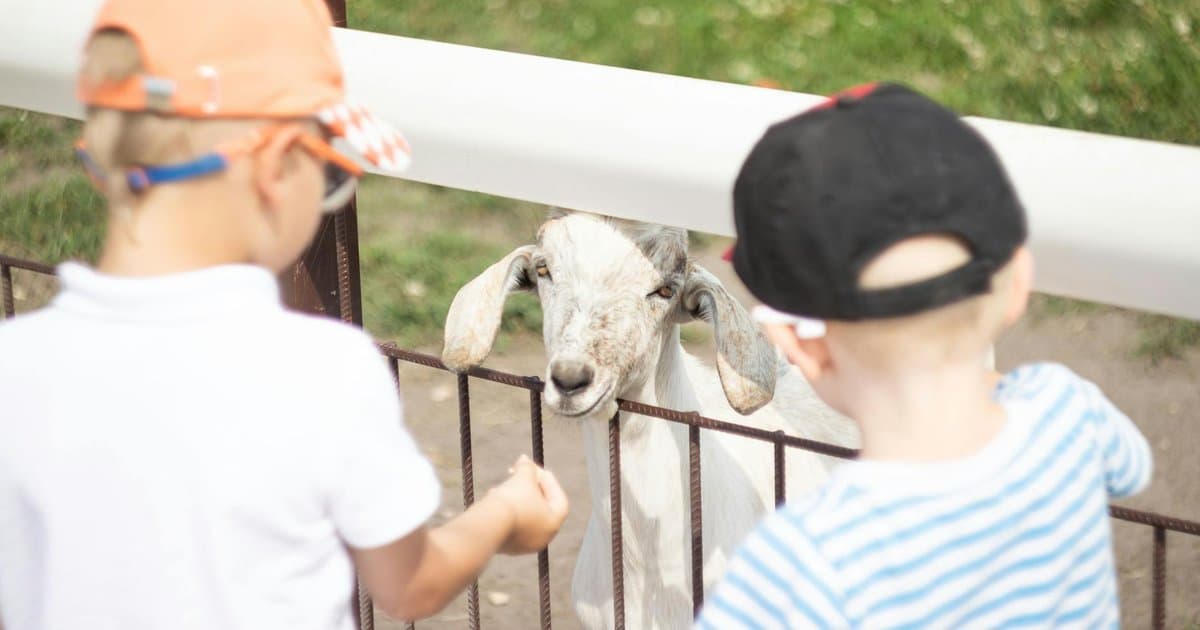
Safari animals captivate kids because they're extreme: the fastest runners, the tallest plant-eaters, the loudest roars on Earth. These safari animal facts for elementary students cover seven iconic African animals with the kind of specific, surprising details that stick with young learners. Whether you're teaching a second-grade science unit or fueling a curious eight-year-old's obsession at home, the facts below are accurate, classroom-ready, and genuinely fun.
Key Takeaways
- Lions are the only cats that live in social family groups called prides.
- African elephants have over 40,000 muscles in their trunks alone.
- Every giraffe's spot pattern is unique, like a human fingerprint.
- Cheetahs can reach 70 mph but cannot roar like other big cats.
- Three of the world's five rhino species are critically endangered.
Lions: The Social Cats of Africa
Lions are the only wild cats that live in family groups, called prides. A pride typically includes 2 to 3 males, a dozen or more females, and their cubs. Females do most of the hunting, working together in coordinated ambushes at dusk and dawn. Males, meanwhile, patrol and defend territory that can stretch across 100 square miles.
A lion's roar can be heard from 5 miles away, making it the loudest of any big cat. According to the San Diego Zoo Wildlife Alliance, males develop their iconic manes between ages 1 and 2, and the mane grows darker as the lion ages and gains strength 1. For kids, a fun classroom activity is comparing a lion's cooperative hunting to teamwork in sports. It makes the concept of social behavior concrete.
Lions sleep up to 20 hours a day, which always gets a laugh from students. The contrast between "lazy napper" and "powerful predator" is a great discussion starter about energy conservation in the wild.
Elephants: The Intelligent Herd Leaders
African elephants are the largest land animals on Earth, with males weighing up to 14,000 pounds. Their trunks contain over 40,000 muscles and serve as a nose, hand, snorkel, and trumpet all in one. Elephants use this single body part to breathe, smell, drink, grab food, and greet each other.
What makes elephants especially fascinating for elementary students is their intelligence. According to Plotnik, de Waal, and Reiss (2006) 2, Asian elephants demonstrated mirror self-recognition, a cognitive ability shared by very few species, including great apes and dolphins. African elephants show similar capacities. Female-led herds pass down knowledge across generations, remembering the locations of water sources during droughts for decades.
Baby elephants stay with their mothers for up to 10 years. They nurse for the first 2 to 3 years and learn survival skills by watching older herd members. Elephants also mourn their dead, returning to the bones of family members and touching them gently with their trunks. These safari animal facts for elementary students often spark conversations about empathy and family bonds.
Giraffes: The Gentle Giants With Unique Spots
Giraffes are the tallest land animals, with adults reaching up to 18 feet. Their long necks let them feed on acacia leaves that no other herbivore can reach, reducing competition for food. Here's a detail kids love: giraffe necks contain exactly seven vertebrae, the same number as humans. Each bone is simply much larger, sometimes over 10 inches long.
Every giraffe has a completely unique spot pattern. Researchers use photo-identification software to track individuals in the wild, the same way law enforcement uses fingerprints. According to the Giraffe Conservation Foundation, giraffe populations have declined by approximately 40% over the past three decades, making conservation education relevant even for young students 3.
Baby giraffes drop about 6 feet to the ground at birth. This fall stimulates their first breath. Within hours, calves can stand and walk alongside their mothers. Giraffes sleep only 10 to 30 minutes per day, usually in short naps while standing. That fact alone tends to astonish kids who need 10 to 11 hours of sleep themselves.
Zebras: Striped Survivors of the Savanna
Each zebra's stripe pattern is completely unique, and foals learn to recognize their mothers by memorizing her specific pattern and voice within days of birth. Zebras are herbivores that spend up to 60% of their day grazing on grasses across the African savanna.
Scientists have debated the purpose of stripes for over a century. Recent research by Caro et al. (2019) published in PLOS ONE found evidence that stripes help repel biting flies, which carry diseases like trypanosomiasis 4. Other hypotheses suggest stripes may regulate body temperature or confuse predators during a chase when the herd moves together in a blur of black and white.
Zebras are tougher than they look. They're more aggressive than domestic horses and have been known to kick and bite attacking lions. They live in family groups led by a dominant stallion and migrate in massive herds across the Serengeti alongside wildebeest. For elementary students, zebra migration maps make excellent geography activities, connecting animal behavior to map-reading skills.
Hippos: The Surprisingly Dangerous Water Dwellers
Hippos spend up to 16 hours a day submerged in rivers and lakes to keep their massive bodies cool. Despite living in water, they can't actually swim. Instead, they walk or bounce along the bottom. On land, hippos can run up to 30 mph, making them one of Africa's most dangerous animals.
Their skin secretes a reddish, oily substance that researchers initially mistook for blood. According to Hashimoto et al. (2007) 5, this secretion acts as both a natural sunscreen and an antimicrobial agent, protecting hippos from UV radiation and bacterial infections. Kids find this "blood sweat" fact unforgettable, and it works well as a science journaling prompt.
Hippos are herbivores, eating roughly 80 pounds of grass each night during their land-based grazing sessions. Baby hippos can nurse underwater by closing their ears and nostrils. Mothers are fiercely protective and will charge anything, including crocodiles, that approaches their young. Despite their bulk (males weigh up to 4,000 pounds), hippos can hold their breath for about 5 minutes.
Cheetahs: The Speed Champions of the Animal Kingdom
Cheetahs are the fastest land animals, clocking speeds up to 70 mph in short bursts that last only about 60 seconds. Their entire body is built for speed: a lightweight frame, long legs, a flexible spine that stretches and coils with each stride, and semi-retractable claws that grip the ground like cleats on a running shoe.
Unlike lions or leopards, cheetahs cannot roar. They chirp, purr, hiss, and meow, sounds that are surprisingly similar to a house cat. This difference makes cheetahs a great compare-and-contrast topic for elementary science. The black "tear marks" running from their eyes to their mouths may help reduce sun glare while hunting during the day.
Mother cheetahs teach their cubs to hunt by bringing back live, injured prey for practice. Cubs stay with their mothers for about 18 months before becoming independent. Cheetah populations have dropped to an estimated 7,000 in the wild, according to the IUCN Red List, making them vulnerable to extinction 6. Teaching these safari animal facts for elementary students naturally opens the door to discussing why conservation matters.
Rhinoceros: Ancient Survivors With Vulnerable Futures
Rhinos look like they belong in the age of dinosaurs, and they nearly do. Their lineage stretches back over 50 million years. There are five living rhino species, and three of them (the Javan, Sumatran, and black rhino) are critically endangered. Poaching for their horns remains the biggest threat.
A common misconception is that rhino horns are made of bone. They're actually made of keratin, the same protein in human fingernails and hair. The horn is not attached to the skull; it grows from the skin. Rhinos have poor eyesight but compensate with excellent hearing and a powerful sense of smell that can detect predators or other rhinos from a distance.
Mother rhinos keep their calves close for 2 to 3 years, teaching them where to find food and water. White rhinos are the larger species, weighing up to 5,000 pounds, while black rhinos are slightly smaller and more solitary. For classroom purposes, rhino conservation ties into broader lessons about ecosystems, human impact, and what kids can do to help protect wildlife.
When Safari Animal Facts Come Alive in the Classroom
The best learning happens when facts connect to activities. Research published in the Journal of Educational Psychology consistently shows that students retain information better when they engage with it actively rather than passively reading or listening 7. A few approaches that work well for grades 2 through 5:
Create animal fact cards. Each student picks a safari animal, writes five facts on one side, and draws the animal on the other. Display them in the classroom or bind them into a class book. Writing from an animal's first-person perspective ("I sleep standing up and my spots are like your fingerprints") builds both science vocabulary and creative writing skills.
Some parents find that personalized books for kids learning about animals help reluctant readers engage, because children see themselves inside the story. A personalized safari animal adventure can be one tool among many. Pair it with video clips from National Geographic Kids, a compare-and-contrast worksheet, or a conservation letter-writing project. The goal is making learning fun for elementary students by meeting them where their curiosity already lives.
When to Talk to Your Child's Teacher
Most kids absorb animal facts enthusiastically, but if your child shows persistent anxiety about endangered animals, has nightmares about predators after watching wildlife videos, or becomes upset to the point of avoiding the topic entirely, it's worth a conversation with their teacher or school counselor. A small number of children are deeply sensitive to themes of animal suffering, and teachers can adjust materials to keep learning positive. Reassuring kids that people are actively working to protect these animals helps frame conservation as hopeful rather than hopeless.
Get practical parenting tips delivered weekly
Evidence-based guidance for the moments that matter. No spam, unsubscribe anytime.
Frequently Asked Questions
Keep reading
How to Create a Dog Memorial Book (With Printable Templates)
Create a dog memorial book with photos, stories, and mementos. Learn 5 organizational tips and design ideas for honoring your pet's memory.
8 min read

How to Write a Wedding Speech for Your Aunt and Uncle (With Examples)
Write a heartfelt 3-5 minute wedding speech for your aunt and uncle. Follow this proven structure with character-focused stories and authentic delivery tips.
7 min read

Cat Memorial Book Ideas: Creating a Lasting Tribute
Create a cat memorial book with photos, memories, and keepsakes. Learn 6 meaningful ways to honor your pet and process grief with this personalized tribute.
7 min read
Get weekly parenting tips backed by research
Evidence-based guidance for the moments that matter. No spam, unsubscribe anytime.