Teaching Grocery Shopping Skills: A Practical Guide for Elementary Ages
Master teaching grocery shopping to kids ages 6-11 with step-by-step tasks, real-world math practice, and proven strategies to build independence and
Erika Wong
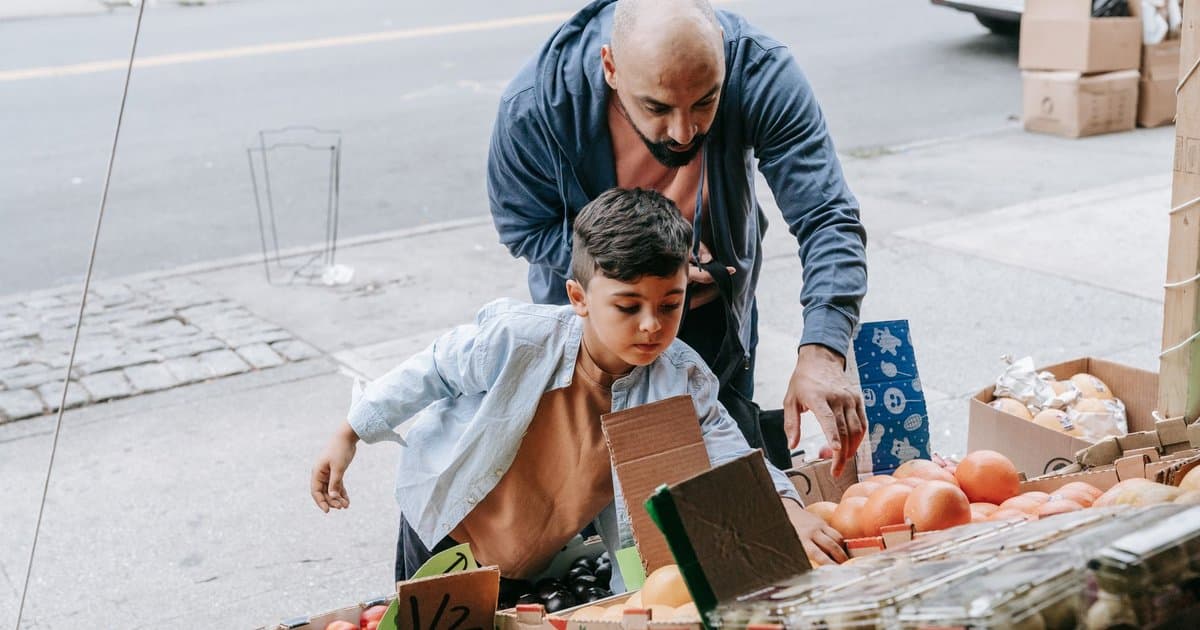
Start by giving your child one specific job on your next grocery trip, like finding three items from a picture list. Teaching grocery shopping skills to elementary-aged kids works best when you break the experience into small, repeatable tasks and build responsibility over weeks, not in a single visit. The grocery store is one of the richest real-world classrooms available to you, combining math, reading, decision-making, and social skills in a single errand.
Key Takeaways
- Give children one clear task per trip, then add responsibility gradually over weeks.
- Match tasks to your child's age: picture lists for ages 6–7, price comparison for ages 8–9, budgeting for ages 10–11.
- Shop during quiet hours for the first few visits to reduce sensory overwhelm.
- Praise specific effort ("You found the right cereal by reading the label") instead of vague praise.
- Expect a slow pace and lots of questions. That's learning, not misbehavior.
Why Grocery Shopping Builds Real Skills
The grocery store combines math, literacy, nutrition, and executive function into a single outing. According to Pathways.org 5, grocery trips help children practice counting, sorting, and decision-making in a context that feels meaningful, not like schoolwork. In my classroom, I've seen that kids retain skills faster when they practice them in real settings. The same child who zones out during a worksheet on addition will happily add up the price of two boxes of crackers.
Shopping also creates natural opportunities for your child to contribute to the family. When Ollie was seven, his job was finding anything on the list that was green. It was small, but it was his. That sense of ownership matters more than parents realize.
Preparing Your Child Before the First Trip
Before you walk through the doors, talk through what the trip will look like. Explain the store layout in simple terms: "First we go to the fruit section, then bread, then checkout." Tell your child exactly what their job will be. "You're going to hold the list and tell me what we need next." This kind of explicit instruction is something I do constantly in my classroom, and it works just as well at the store.
For anxious or sensitive children, visit during quieter hours like early mornings or weekday afternoons. A social story read two or three times before the trip can make a big difference. Autism Classroom Resources 1 recommends using visual supports and social stories to help students understand the sequence of a shopping trip before it happens. This approach benefits all kids, not just neurodivergent learners.
Age-by-Age Grocery Shopping Tasks
Not every child is ready for the same level of responsibility. Here's a rough guide based on what I've seen work with my own kids and with students.
Age Range | Tasks They Can Handle | Support Needed |
|---|---|---|
6–7 | Hold the list, find items by color or picture, place soft items in cart | Stay close, narrate what you're doing |
8–9 | Read labels, compare two similar items, check expiration dates | Nearby supervision, answer questions |
10–11 | Manage a small budget ($10–15), navigate independently, understand unit pricing | Supervise from a distance, debrief after |
According to On My Kids' Plate 2, even young children can learn skills like comparing prices and reading food labels when given age-appropriate guidance. The key is matching the task to where your child actually is, not where you wish they were.
Making Each Shopping Trip Successful
Keep your first few trips short. Five to eight items is plenty. Assign one main job per child, whether that's "item finder," "price checker," or "cart loader." In my experience, giving two jobs at once leads to confusion and frustration for everyone.
Let your child make small decisions. "Should we get the red apples or the green ones?" This builds decision-making muscles without any real stakes. When they pick up the wrong item or take forever reading a label, stay calm. This is practice, not a race. I remind myself of this constantly. What I actually do is narrate what's happening: "You're comparing two brands. That's exactly what smart shoppers do." Specific feedback like that teaches more than a quick "good job."
If your child is working on number recognition activities for kindergarten, the grocery store is a perfect extension. Spotting numbers on price tags or aisle signs turns a skill drill into something real.
Building Independence Gradually
Independence at the grocery store doesn't happen overnight. In the first week or two, stay close. Walk the aisles together and narrate your own thinking: "I'm checking the price per ounce to see which yogurt is the better deal." This modeling is the foundation.
By the third or fourth trip, let your child lead. Follow a few steps behind while they navigate to the cereal aisle or the dairy section. By month two, many 9- and 10-year-olds can handle a short list of four or five items with you supervising from the end of the aisle. According to Of the Hearth 3, grocery shopping helps children develop independence and confidence through repeated, structured practice.
Celebrate the small wins. "You found three items without asking me. That took real independence." With Nora, I noticed her confidence jumped after the trip where she handled checkout by herself for the first time. She talked about it for a week.
Normal Behaviors You'll See (and Shouldn't Worry About)
Your child will move slowly. They will ask the same question three times. They will get distracted by cereal box characters or the lobster tank. All of this is normal. The store is packed with sensory input: fluorescent lights, crowds, music, cold air from the freezer section. Some children, especially sensitive or anxious ones, need shorter trips or noise-reducing headphones to manage.
Progress is not linear. Your child might handle one trip beautifully and melt down the next. That doesn't mean you've failed or they've regressed. It means they're human and learning. If your child tends to feel overwhelmed in busy public settings, you might find it helpful to practice social situations in other low-pressure environments first, like learning how to help your child make friends at the playground.
When to Seek Extra Support
If your child experiences severe anxiety that doesn't improve after four or five visits, such as refusing to enter the store, having panic symptoms, or melting down before you leave the house, it may be time to adjust your approach. A visual schedule or social story tailored to your child can help. For children who also struggle with following directions in other settings, additional scaffolding from an occupational therapist or behavioral specialist might be worth exploring.
Sensory sensitivities deserve specific attention. If fluorescent lights or crowd noise consistently trigger distress, consider shopping at stores with sensory-friendly hours. Some children who struggle with medical visits face similar challenges. Resources like doctor checkup activities for kids can offer parallel strategies for building comfort in unfamiliar environments.
Practical Tools That Reduce Stress
A printed picture checklist is the single most useful tool for early grocery shopping practice. You can make one in five minutes with clip art or phone photos of the items you need. Some families find a personalized social story, like a grocery store adventure book featuring their child's name, helps anxious kids visualize the routine and see themselves succeeding before they walk in.
A small dry-erase board or notepad lets your child physically check off items, which builds a sense of accomplishment. Low-tech tools often outperform apps because they don't add more screen stimulation to an already stimulating environment. If you use a reward system for the first few trips (a sticker chart works well), always explain why the sticker was earned: "You earned that because you found the bread aisle without help." Then fade the chart once the habit sticks.
Get practical parenting tips delivered weekly
Evidence-based guidance for the moments that matter. No spam, unsubscribe anytime.
Frequently Asked Questions
Keep reading

Halloween Classroom Decorations: 25 Ideas Teachers Actually Use
25 Halloween classroom decorations using paper, tape, and supplies you have. Paper cutouts, balloons, and student crafts create 90% of effective decor.
7 min read
Teaching Gratitude to Children: A Practical Guide for Parents and Teachers
Teach authentic gratitude to kids with specific strategies. Research shows gratitude improves academic adjustment by 23%. Skip the worksheets.
10 min read

Eid in the Classroom: Activities Elementary Teachers Can Lead Today
Celebrate Eid in your classroom with 5+ simple activities. Partner with families, use crafts and read-alouds, and create an inclusive space for all students.
7 min read
Get weekly parenting tips backed by research
Evidence-based guidance for the moments that matter. No spam, unsubscribe anytime.