Body Safety for Kids: Teaching Them to Recognize and Respect Boundaries
Learn how to teach kids body ownership and consent starting at age 2. Expert strategies for recognizing abuse, using correct terminology, and creating safe
Erika Wong
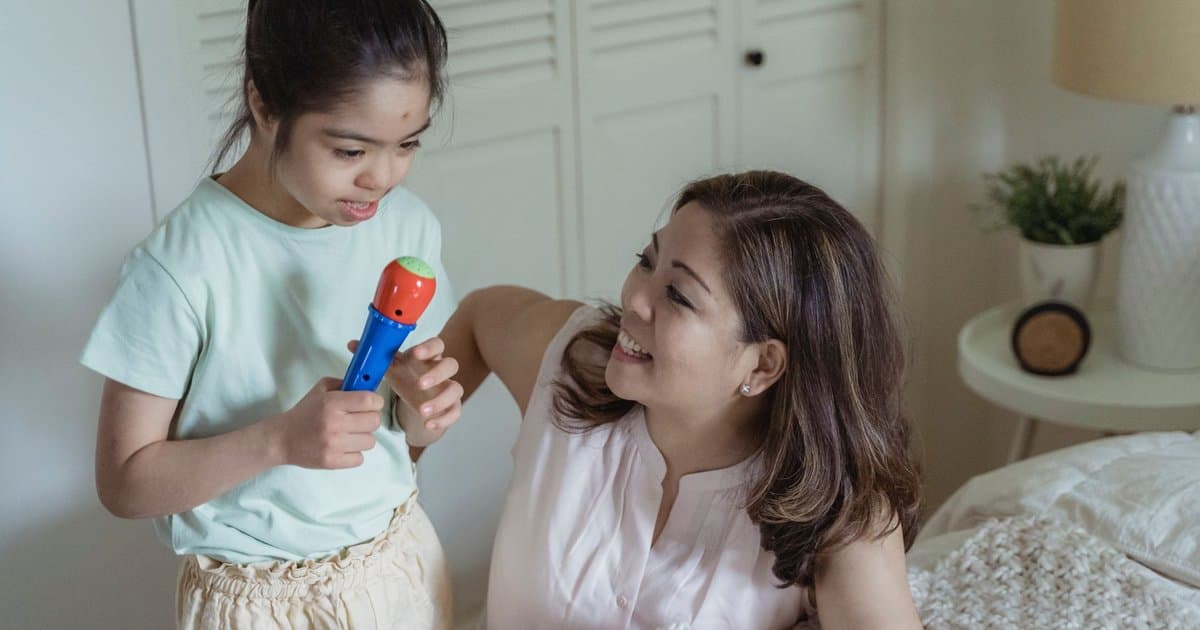
Children who learn that they own their bodies, can name their body parts accurately, and have permission to say no to unwanted touch are significantly more likely to recognize and report inappropriate behavior. Body safety for kids is not a single awkward conversation. It is an ongoing practice of teaching autonomy, consent, and communication across childhood, starting as early as age two and building in complexity through elementary school.
Key Takeaways
- Body ownership is the single most protective factor against grooming and abuse.
- Use correct anatomical terms from toddlerhood to reduce shame and increase disclosure.
- Children need explicit, practiced permission to say no to any adult, including family.
- Secrets about touch are always a red flag; teach the difference between secrets and surprises.
- Stay calm when a child discloses discomfort; your reaction determines whether they speak up again.
Why Body Safety Starts With Ownership
Body ownership means a child understands that their body belongs to them. Nobody gets to touch it without their permission. This concept is foundational because grooming relies on gradually eroding a child's sense of control. When children believe they have the right to refuse a hug, pull away from a tickle, or say "I don't want to be picked up," they are practicing the exact skill that makes them harder to manipulate.
In my classroom, I teach this like I teach any other expected behavior: explicitly and repeatedly. We don't just mention it once and move on. We practice. I'll say, "If someone tries to hug you and you don't want a hug, what can you say?" and we rehearse the words out loud. Many child protection educators recommend this approach because autonomy, not fear, is what keeps children safer. Start these conversations early, during diaper changes or bath time, and keep them matter-of-fact.
Teaching the Difference Between Safe Touch and Unsafe Touch
Safe touch feels good, is wanted, and respects consent. A hug from a parent, a high-five from a friend, or a doctor checkup where the pediatrician explains what they're doing all count. Unsafe touch feels uncomfortable, is unwanted, or continues after a child says stop. Hitting, unwanted tickling, and touching private areas without a clear medical reason and caregiver present are examples.
The most effective way I've found to teach this is to help children trust their gut rather than memorize a rigid list. I tell my students, "If a touch makes your tummy feel funny or your body wants to pull away, that feeling is your body talking to you. Listen to it." Accidental bumps happen on the playground. A child who trips into another child is different from a child who deliberately hurts someone. Helping kids distinguish between accidental contact and intentional harm builds their judgment. You can explore doctor checkup activities for kids to practice the idea that medical touch always comes with an explanation.
How to Talk to Young Children About Private Parts
Use correct anatomical terms. Say penis, vulva, and chest instead of cutesy substitutes. This matters for two reasons. First, it removes shame. When we whisper or use code words, children absorb the message that these body parts are embarrassing or secret, which is exactly the dynamic an abuser exploits. Second, accurate language helps children communicate clearly if they ever need to report something. Professionals in child advocacy consistently note that a child who can name body parts accurately is more likely to be understood and believed.
Start during bath time or diaper changes with toddlers. "I'm washing your vulva now" is no different from "I'm washing your elbow." By age three or four, introduce the idea that private parts are the areas covered by underwear. Explain that sometimes a doctor might need to look at or touch these areas, but a parent or caregiver will always be present, and the doctor will explain what they're doing first.
Teaching Kids to Recognize and Report Uncomfortable Situations
Children need explicit, practiced permission to say no to any adult. This includes family members, teachers, coaches, and family friends. In my experience, many parents hesitate here because they worry about rudeness. But politeness should never override a child's sense of safety. Tell your child directly: "If someone touches you in a way that feels wrong or confusing, you can say 'Stop, I don't like that,' and then tell me or another trusted adult."
Practice this through role play. I do it with my own kids. With my daughter Nora, we practiced the phrase, "No, I don't want that," and I praised her every single time she used it, even when it was inconvenient for me. Specific feedback matters here. Instead of "good job," I said, "Thank you for telling me you didn't want that hug. That took courage." Teach children the critical red flag: if anyone asks them to keep a secret about touch, that is always a reason to tell a trusted adult immediately.
Secrets Versus Surprises and Grooming Awareness
Grooming is the gradual process an abuser uses to gain trust, test boundaries, and isolate a child. It often comes from someone the child knows and likes. Many child protection organizations report that the vast majority of child sexual abuse is perpetrated by someone in the child's life, not a stranger. This is why "stranger danger" alone is not enough.
Red flags include an adult wanting repeated alone time with a child, giving unusual gifts, testing physical boundaries (like tickling that doesn't stop when asked), and asking a child to keep secrets from parents. Teach children the difference between a surprise and a secret. A surprise is temporary and makes someone happy, like a birthday present. A secret about touch or bodies is never okay. Practice the script: "If anyone says 'Don't tell your mom or dad,' you come tell me right away, and you will never be in trouble for telling."
Age-Specific Approaches to Body Safety for Kids
Body safety messaging should match your child's developmental stage. Pushing too complex a concept on a three-year-old creates confusion, and keeping conversations too simple for a nine-year-old misses critical topics like online safety.
Age Range | What to Teach | How to Teach It |
|---|---|---|
2–3 years | Correct body part names, bathroom privacy | During bath time, diaper changes; name parts matter-of-factly |
4–6 years | Private parts (covered by underwear), saying no, trusted adults | Role play, read-aloud books, practice phrases |
7–10 years | Secrets vs. surprises, online body safety, body changes | Ongoing conversations, media literacy, check-ins about friendships |
For the 4–6 range, a personalized story where a child sees themselves navigating body boundaries can reinforce the message. Some parents find that a personalized body safety book helps because the child recognizes themselves in the story and connects with the language of consent. According to Mazzeo (2024) 1, media exposure, including social media, poses real risks to children's body image and wellbeing, making media literacy an important part of body safety conversations for older children in this age range.
Creating a Home and School Culture Where Kids Feel Safe Speaking Up
Children disclose abuse or discomfort only if they believe adults will listen without anger, stay calm, and believe them. Your reaction in the moment determines whether your child speaks up next time. If your child tells you something uncomfortable, take a breath. Say, "Thank you for telling me. I'm glad you did. That was brave." Do not interrogate them, pressure them to repeat the story, or visibly panic.
Never punish a child for telling, even if the story seems unlikely or exaggerated. Follow up with the appropriate adult: a teacher, school counselor, pediatrician, or, if abuse is suspected, your local child advocacy center or child protective services. In my classroom, I normalize these conversations by weaving body safety into everyday moments. When we talk about how to help your child make friends at the playground, we also talk about respecting other people's bodies. When parents and teachers maintain preschool communication with parents about these topics, children hear consistent language at home and school.
When Body Safety Conversations Turn Into Worry
Curiosity about bodies and boundaries is developmentally normal. A four-year-old asking "Why can't I touch my friend's belly button?" is learning, not demonstrating a problem. Questions like "What if a stranger tries to grab me?" show that your child is processing the concept actively. Answer calmly and briefly.
Watch for signs of actual distress: sudden behavioral regression (toileting accidents, sleep disruption, clinginess), avoidance of a specific adult, age-inappropriate sexual knowledge or behavior, or persistent nightmares. These warrant professional support. Contact your pediatrician or a therapist trained in child trauma. Organizations like the National Center for Missing & Exploited Children and Darkness to Light offer free parent guides and helplines. Child advocacy centers provide trauma-informed assessment if abuse is suspected.
Resources and Support for Parents Who Need Help
If you are unsure how to start these conversations, or if you are a survivor yourself, seeking guidance is not a weakness. Many parents find that their own history makes these talks harder, and a trained therapist can help you navigate that. Your pediatrician can recommend age-appropriate books and resources tailored to your child's developmental stage.
If your child has disclosed something concerning, contact your local child advocacy center. These centers conduct forensic interviews designed to be supportive and minimally traumatic for children. Do not confront a suspected abuser yourself, as this can compromise an investigation and put the child at further risk. Call your local child protective services or law enforcement, and let trained professionals guide the next steps.
Get practical parenting tips delivered weekly
Evidence-based guidance for the moments that matter. No spam, unsubscribe anytime.
Frequently Asked Questions
Keep reading

Teaching Narrative Writing in Elementary School: A Practical Framework
Teach narrative writing effectively with explicit instruction, mentor texts, and graphic organizers. Reduce blank-page anxiety and build confident writers from
10 min read

Supporting Siblings During NICU Stay: What Parents Need to Know
Help siblings cope with NICU stress through honest explanations, routines, and connection activities. Most behavioral changes resolve within weeks of discharge.
10 min read

Teaching Empathy Through Children's Stories: A Practical Guide
Learn how to teach empathy through children's stories with practical techniques. Research shows kids develop stronger peer relationships with regular diverse
10 min read
Get weekly parenting tips backed by research
Evidence-based guidance for the moments that matter. No spam, unsubscribe anytime.