Why Personalized Birthday Books Matter More Than You Think
Discover why personalized birthday books engage children more than traditional gifts, backed by child development research and real parent experiences.

Matt Li
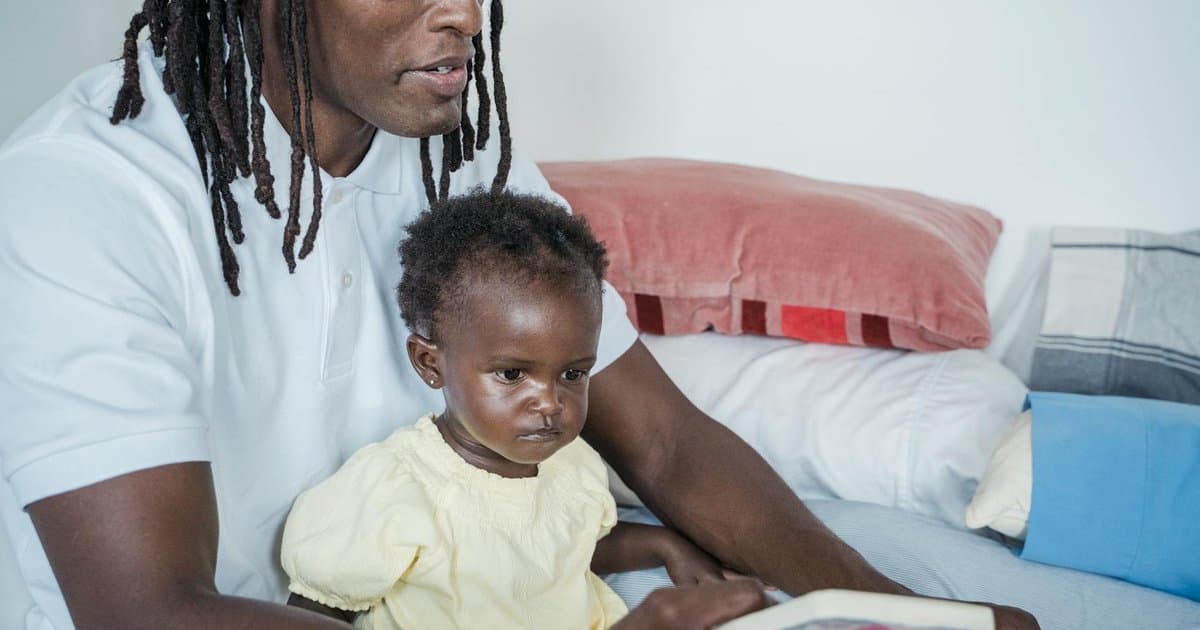
You've been scrolling past ads for weeks. The birthday is coming up fast, the toy bin is already overflowing, and you're wondering whether a new york times personalized birthday book or similar customized story is actually worth it, or just another novelty that'll collect dust.
You're not alone in that hesitation. Parents everywhere are tired of gifts that get played with once and forgotten. And the idea of a book with your child's name woven through the pages sounds appealing, but also a little too good to be true.
This guide is the honest version of that conversation. We'll look at what the research actually says about children seeing themselves in stories, which ages benefit most, what real parents report, and when a personalized book might not be the right call. No hype, just practical answers to help you decide.
What Makes a Personalized Birthday Book Different From a Regular Gift
A personalized birthday book puts your child's name, sometimes their appearance, and occasionally details like their hometown directly into a narrative. Instead of reading about a generic character, your child sees themselves as the protagonist.
This matters more than it might seem. Research on the "self-reference effect", a well-documented phenomenon in cognitive psychology, shows that people remember information better when it relates to themselves. Rogers, Kuiper, and Kirker (1977) first demonstrated this in adults, and subsequent studies have confirmed it applies to children as well.
For kids, seeing their own name in print creates what developmental psychologists call "heightened engagement." The child isn't just listening to a story, they're in it. This emotional connection is why many parents report that personalized books get re-read far more often than standard picture books.
The shift is subtle but real: from "here's another gift" to "someone made this for me."
Age-Specific Responses to Personalized Birthday Books
Not every age group responds to personalization the same way, and knowing this can save you from a disappointing gift.
Ages 2–3: Toddlers light up when they hear their own name. According to research by Mandel, Jusczyk, and Pisoni (1995), infants as young as 4.5 months show a preference for their own name over other names. Toddlers enjoy the novelty of seeing their name in a book, but they won't yet understand the full concept of "this story is about me."
Ages 4–5: This is when narrative comprehension kicks in. Children begin to follow plot and genuinely grasp that the character represents them.
Ages 5–7: Peak engagement. Kids reading independently feel real pride in owning a book where they're the hero.
Ages 8–10: Older children appreciate more complex plots. Simple name-insertion feels thin, they want stories that reflect their actual interests and personality.
Why Parents Choose Personalized Books Over Traditional Birthday Gifts
The reasons parents reach for personalized books tend to be practical, not sentimental, at least at first.
Clutter reduction ranks high. The average American child receives about 70 new toys per year, according to a 2018 survey by market research firm NPD Group. Parents are actively looking for gifts that don't add to the pile. A book takes up shelf space, not floor space.
Connection across distance matters too. Grandparents, aunts, and uncles who live far away find that a personalized book feels more intentional than a gift card. It says "I thought about your child specifically."
Cost versus perceived value also plays a role. Most personalized books range from $15 to $50, which is often less than a quality toy, but the gift feels premium because it's one-of-a-kind.
And then there's the reading angle. Many parents find that a personalized book becomes the one their child asks for at bedtime, night after night.
When a New York Times Personalized Birthday Book Is the Right Choice, and When It Might Miss
Honesty matters here: personalized books aren't universally magical.
They work well for:
- Kids who already enjoy being read to or reading independently
- Milestone birthdays (turning 1, 5, or 10) where a keepsake feels meaningful
- Children who love being the center of attention and seeing their name everywhere
- Families with established reading rituals
They might miss the mark for:
- Highly active children who prefer hands-on, physical play over sitting with a book
- Kids who are sensitive about being singled out (some children find it uncomfortable rather than exciting)
- Situations where the story theme doesn't match the child's actual interests
According to a joint statement by the American Academy of Pediatrics (2014), shared reading is most effective when it aligns with the child's developmental stage and interests. A personalized dinosaur adventure won't land if your child is passionate about horses. Match the content, not just the name.
If you're unsure, test with a shorter, less expensive personalized story before investing in a premium option.
What Real Parents Say About Their Experiences With Personalized Birthday Books
Parent experiences cluster into a few consistent themes.
The re-readers: Many parents report that their child asks for the personalized book specifically, sometimes nightly. "She calls it 'my book' and gets upset if her brother touches it," one parent shared in a 2023 Reddit thread on gift recommendations. That possessive attachment is common, and it's a sign the book has become emotionally meaningful.
The one-and-done crowd: Some parents note their child read it a few times, smiled, and moved on. This typically happens when the story itself isn't compelling enough to stand on its own without the personalization gimmick.
The keepsake families: A significant group of parents report keeping the book long after the child has outgrown it. It becomes part of a memory box, alongside hospital bracelets and first shoes.
Research from the National Literacy Trust (2013) found that children who own books are more likely to read for pleasure. A personalized book that a child considers "theirs" can reinforce that ownership feeling.
How to Choose a Personalized Birthday Book Your Child Will Actually Love
Choosing well matters more than choosing at all. A poorly matched personalized book feels generic despite the personalization.
Step 1: Assess reading level honestly. A 4-year-old who sits through long stories needs a different book than one who flips pages restlessly. Match attention span, not just age.
Step 2: Match the theme to genuine interests. If your child is obsessed with space, find a space story. Don't pick what you wish they liked.
Step 3: Preview the actual story. Many publishers let you preview pages before ordering. Read the text. Is the writing good enough that you'd enjoy reading it 50 times? Because you might.
Step 4: Check how integrated the personalization feels. The best personalized books weave the child's name into dialogue and plot naturally. The worst ones feel like find-and-replace. Look for reviews that mention this specifically.
Step 5: Consider pairing with a ritual. Some parents find that reading a personalized story about a birthday adventure together, on the morning of the actual birthday, turns a book into a tradition.
Common Concerns Parents Have About Personalized Books, and Honest Answers
"Will my kid think it's cheesy?"
Rarely, if the story is well-written. Kids under 7 almost never find personalization cheesy, they find it thrilling. Kids 8 and up are more discerning, so story quality matters even more.
"Is the quality actually good?"
It varies enormously. Some publishers use thick, durable pages and professional illustration. Others feel flimsy. Read parent reviews — specifically ones that mention durability after repeated readings.
"Is it worth the price?"
At $15–30, most personalized books cost less than a LEGO set and deliver a comparable (sometimes longer-lasting) emotional response. Premium options at $40–50 should include exceptional illustration or hardcover binding to justify the cost.
"What about shipping time?"
This catches many parents off guard. Most personalized books require 1–2 weeks for printing plus shipping. Order at least 2–3 weeks before the birthday. According to a 2022 consumer survey by the Book Industry Study Group, late delivery is the number-one complaint with custom book purchases.
Making the Personalized Book Feel Like a Premium Gift Experience
How you present a personalized book matters almost as much as the book itself.
Read it aloud immediately. Don't let it sit in a gift pile. Open it together and read it right then. The child's reaction — hearing their name, seeing their face light up — is the real gift for everyone watching.
Take a photo. Capture the moment of your child holding a book with their name on it. This becomes a memory in itself.
Tell them why you chose it. "I picked this story because you love adventures, and I wanted you to be the hero." That sentence adds meaning no amount of wrapping paper can provide.
Create a birthday reading tradition. Re-read the book each year on their birthday. As they grow, their relationship with the story changes — and you get to watch that evolution.
According to a 2019 report from ZERO TO THREE, rituals and traditions help young children feel secure and valued. A birthday book tradition taps into that need directly.
When to Talk to Your Pediatrician
While this guide focuses on gift-giving, pay attention if your child consistently shows no interest in any books, resists being read to, or struggles significantly with age-appropriate stories.
The American Academy of Pediatrics recommends discussing concerns about reading readiness or language development at well-child visits starting at 12 months. Disinterest in books alone isn't a red flag — many healthy kids prefer active play — but combined with speech delays or difficulty following simple narratives by age 4, it's worth a conversation.
A personalized book is never a substitute for professional assessment. If something feels off, trust your instincts and bring it up with your child's doctor.
Key Takeaways
- Personalized birthday books work because of the self-reference effect: children engage more deeply with content that features them
- Ages 4–7 are the sweet spot, though toddlers and older kids benefit too when the content matches their level
- Story quality matters more than personalization depth — preview before you buy
- Order 2–3 weeks early to avoid shipping stress
- Pair the book with a ritual (reading it aloud together on the birthday) for maximum impact
- Not every child will love it — and that's okay. Know your kid before you commit
Get practical parenting tips delivered weekly
Evidence-based guidance for the moments that matter. No spam, unsubscribe anytime.
Frequently Asked Questions
Keep reading
How to Create a Dog Memorial Book (With Printable Templates)
Create a dog memorial book with photos, stories, and mementos. Learn 5 organizational tips and design ideas for honoring your pet's memory.
8 min read
How to Write a Wedding Speech for Your Aunt and Uncle (With Examples)
Write a heartfelt 3-5 minute wedding speech for your aunt and uncle. Follow this proven structure with character-focused stories and authentic delivery tips.
7 min read
Cat Memorial Book Ideas: Creating a Lasting Tribute
Create a cat memorial book with photos, memories, and keepsakes. Learn 6 meaningful ways to honor your pet and process grief with this personalized tribute.
7 min read
Get weekly parenting tips backed by research
Evidence-based guidance for the moments that matter. No spam, unsubscribe anytime.