Best Group Gifts From a Whole Class to Teacher
Discover how to organize meaningful group gifts from your class to teachers. Learn contribution amounts, gift ideas, and coordination tips that work.
Erika Wong
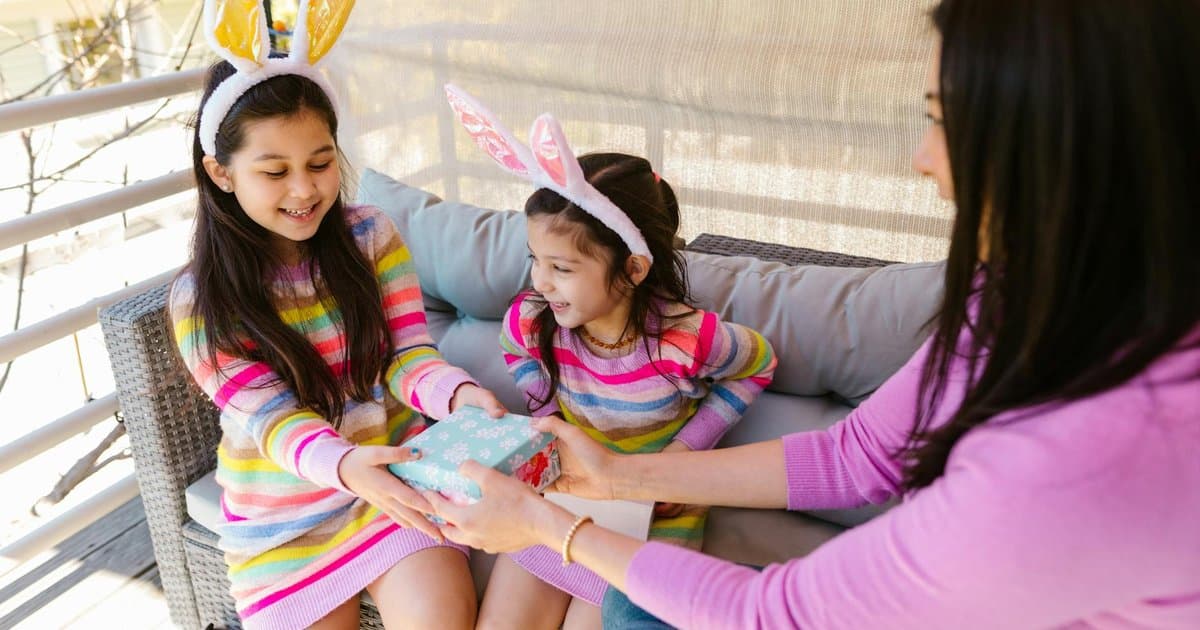
Choosing a teacher gift from whole class contributions can feel surprisingly stressful. You want something meaningful, but you're also juggling twenty different family budgets, communication chains that go silent, and the nagging worry that you'll end up with another generic mug nobody wanted.
Here's the good news: organizing a group gift doesn't have to be complicated, and when done well, it's one of the most genuine ways to show a teacher they matter. This guide walks you through what teachers actually value, how to coordinate without the headaches, and how to keep it sincere, even on a tight budget.
Whether you're a parent volunteer, a room parent, or just the person who got voluntold, this is for you.
Why Group Gifts Work Better Than Individual Ones
Pooling resources as a class solves several problems at once. It distributes cost fairly, so no single family shoulders the pressure of finding and funding the "right" gift. It eliminates the awkward comparison when twenty gifts pile up on a desk, half of them identical candles.
Most importantly, it lets you give something genuinely substantial. According to a 2023 survey by Educator Barnes & Noble, 73% of teachers said they preferred one thoughtful gift over many small ones. A pooled gift of $100–$200 creates options that a single $10 gift simply can't.
Group gifts also protect families dealing with financial strain. When the suggested contribution is $5–$15 and participation is truly optional, nobody feels singled out. The gift arrives from "the class", not from the families who could afford more. That anonymity matters.
What Teachers Actually Want as a Teacher Gift From Whole Class
Teachers are remarkably consistent about what they value. A 2019 survey by the National Education Association found that feeling appreciated ranked among the top factors in teacher job satisfaction, above salary increases. What communicates appreciation? Specificity and sincerity.
Gift cards remain the top request among teachers, according to repeated informal surveys by WeAreTeachers and Education Week. They let teachers choose what they actually need, whether that's a dinner out, classroom supplies, or new shoes.
Experience gifts rank high too: a spa certificate, a restaurant gift card, or even funded classroom coverage so they can have a planning afternoon.
Classroom resources the teacher selects themselves are always welcome. Many teachers spend an average of $479 of their own money on classroom supplies each year, according to the National Center for Education Statistics (2023). Covering that cost is deeply practical.
Avoid anything that assumes personal taste, body type, or lifestyle. Skip the perfume, the diet tea, the wine (unless you're certain).
How Much Each Family Should Contribute to a Class Gift
The sweet spot for most families is $5–$15 per household. For a class of 20, that generates $100–$300, enough for something meaningful without straining anyone's budget.
Be transparent from the start. A simple message like "We're collecting $5–$15 per family for a group gift. Any amount is welcome, and participation is completely optional" sets the right tone. Research on group decision-making by Sunstein and Hastie (2015) in Wiser: Getting Beyond Groupthink shows that clear, upfront communication reduces both social pressure and decision fatigue.
Offer a sliding scale, not a fixed amount. Some families will happily give $15; others can only manage $5. Both contributions matter equally.
Never follow up with families who don't respond. The gift comes from "the class," and there's no attendance list attached. Making this genuinely pressure-free is the difference between a kind gesture and an obligation.
10 Group Gift Ideas Teachers Love
These ideas scale across budgets and work from preschool through high school:
- Restaurant gift card bundle. Pool for a $75–$150 card to a local favorite. Let the teacher enjoy a meal they didn't have to cook.
- Classroom library contribution. Give the teacher a gift card to a bookstore and let them choose 3–5 titles they've been wanting.
- "Teacher survival kit". Curate quality hand cream, good tea or coffee, favorite snacks, and a candle. Keep it simple and high quality.
- Subscription gift. Three to six months of an audiobook service, a magazine, or a coffee subscription. Something that keeps giving.
- Donation in their name. Contribute to a cause the teacher has mentioned, a literacy nonprofit, an animal shelter, or a classroom resource fund.
- Spa or self-care certificate. A massage, facial, or salon gift card says "take care of yourself."
- Quality everyday item. A well-made water bottle, tote bag, or journal. One good version of something they use daily.
- Annual plant or garden bulbs. Something living that grows and reminds them of this class for years.
- Compiled video or photo book. Student messages of gratitude, compiled into a short video or printed book. Time-intensive but deeply personal.
- Bookstore or general gift card. Simple, flexible, and always appreciated. Let the teacher decide.
Some parents find that including a personalized storybook, where the teacher appears as a character in a story written by or about the class, adds a unique personal touch alongside a practical gift. Children especially love seeing their teacher in a narrative they helped create.
How to Organize a Teacher Gift From Whole Class Without the Stress
Start early, ideally at the beginning of the school year, or at least four weeks before the occasion. Assign one coordinator (or two, to share the load). This person handles communication, collection, and purchasing.
Use a simple Google Form or group message to confirm participation and preferred contribution amount. Keep it to three questions: Will you participate? How much? Any gift ideas? According to research by Iyengar and Lepper (2000) published in the Journal of Personality and Social Psychology, limiting choices reduces decision fatigue and increases satisfaction with the outcome.
Communication cadence matters. Send one initial ask, one reminder a week later, and one "gift day" update. That's it. Over-communicating creates pressure and annoyance.
Offer multiple payment methods. Venmo, PayPal, cash in an envelope, or check. Accessibility means more participation. Keep receipts and share a brief summary of spending with the group afterward for transparency.
Best Timing and Occasions for Class Gifts
End of school year (May–June) is the most common time, and for good reason, it marks the close of a shared experience. But it's not the only appropriate moment.
Teacher Appreciation Week, held the first full week of May in the U.S., is a natural occasion. Many schools organize their own events during this week, so coordinate with the school to avoid overlap or duplication.
Other meaningful moments include:
- Winter holidays. December, especially if your school culture supports it
- Retirement or departure. When a beloved teacher leaves, a group gift honors the milestone
- After a tough stretch. Post-standardized testing, after a difficult school event, or when a teacher returns from medical leave
The National PTA encourages year-round teacher appreciation rather than concentrating it in a single week. A mid-year surprise can sometimes mean more than an expected end-of-year gift.
When This Approach Doesn't Work
Group gifts aren't always the right call, and that's okay.
If participation is very low, say, fewer than five families in a class of twenty, a pooled gift can feel thin. In that case, a heartfelt group card with specific messages from students is more meaningful than a small gift card that highlights the low turnout.
Very small classes (under eight students) may feel more natural with individual gifts or a smaller pooled amount. The group dynamic shifts when everyone knows exactly who contributed.
If communication channels are weak, common in schools with many remote or non-English-speaking families, the logistics of coordination can create more stress than they solve. Start with a simple group card and build from there.
And if group dynamics are fractured or contentious, skip the elaborate planning. A unified small gesture always beats an awkward large one.
Making the Gift Personal Without Overstepping
The most meaningful part of any teacher gift from whole class efforts isn't the item, it's the message. A card with specific, genuine notes from students transforms any gift from generic to unforgettable.
Encourage students to write one sentence about something the teacher did that mattered to them. "You made me feel brave when I read out loud" hits harder than "Best teacher ever!" Research by Algoe, Haidt, and Gable (2008) published in Emotion found that gratitude expressions focusing on specific actions — rather than general praise — create stronger positive emotions in both the giver and receiver.
Avoid assumptions. Don't gift based on guesses about someone's personal life, diet, religion, or style. If the teacher has mentioned loving a particular coffee shop or hobby, follow that lead. Otherwise, stick to flexible gifts that let them choose.
Present the gift in a low-pressure moment — not a surprise ambush in front of the whole school. A quiet handoff at pickup or a card left on the desk respects the teacher's comfort.
Budget-Friendly Ideas for Large Classes
When you have 25 or more families contributing even $5, your total reaches $125 or more. That's a real budget — use it wisely.
Experience gifts scale beautifully for large groups. A $125 restaurant gift card feels luxurious. A $150 spa certificate covers a full treatment. A $100 bookstore card lets a teacher fill an entire shelf.
Classroom supply donations stretch far too. Ask the teacher for their wishlist — quality markers, specific books, organizational supplies — and cover it entirely. Teachers report spending hundreds out of pocket each year, so this is both practical and deeply appreciated.
Subscription services also work well at this budget level. A six-month coffee delivery, a year of a streaming audiobook service, or a quarterly snack box feels generous without requiring anyone to guess the teacher's taste.
The key with larger budgets: resist the urge to buy something elaborate. Teachers consistently report preferring useful and flexible over impressive and specific.
Red Flags in Group Gift Coordination
Watch for these warning signs that the process has gone off track:
- Families feel pressured. If anyone expresses discomfort about the cost or feels they can't opt out, the tone needs adjusting immediately.
- The teacher seems uncomfortable. Some teachers genuinely don't want gifts — respect that boundary without pushing back.
- Communication turns coercive. Follow-up messages that name non-participants or imply judgment have crossed a line.
- The gift feels presumptuous. Anything related to weight, appearance, lifestyle choices, or personal beliefs is inappropriate regardless of intent.
If coordination falls apart entirely, a group card is always enough. A card with twenty genuine messages of thanks is one of the most treasured things a teacher can receive. Many educators report keeping student letters for decades.
The goal is gratitude, not performance. Keep that at the center, and you can't go wrong.
Key Takeaways
- Pool $5–$15 per family for a meaningful group gift that doesn't burden anyone.
- Gift cards, experience gifts, and classroom supplies are what teachers consistently say they want most.
- Assign one coordinator early and keep communication to three messages maximum.
- Make participation genuinely optional — never follow up with families who don't respond.
- Include a card with specific student messages — this is often the most valued part.
- A sincere small gesture beats a forced large one every time.
Get practical parenting tips delivered weekly
Evidence-based guidance for the moments that matter. No spam, unsubscribe anytime.
Frequently Asked Questions
Keep reading

Supporting Siblings During NICU Stay: What Parents Need to Know
Help siblings cope with NICU stress through honest explanations, routines, and connection activities. Most behavioral changes resolve within weeks of discharge.
10 min read
Teaching Empathy Through Children's Stories: A Practical Guide
Learn how to teach empathy through children's stories with practical techniques. Research shows kids develop stronger peer relationships with regular diverse
10 min read

How to Motivate Students on Classroom Behavior (Strategies That Work)
Master 8 proven strategies to motivate students on classroom behavior. Learn why specific praise and consistency outperform rewards, plus tools that work.
9 min read
Get weekly parenting tips backed by research
Evidence-based guidance for the moments that matter. No spam, unsubscribe anytime.