Your Big Sister's New Classroom Role: A Guide to Confidence
Help your older daughter thrive when siblings share a school. Set boundaries, prevent guilt, and build her confidence with practical strategies.
Erika Wong
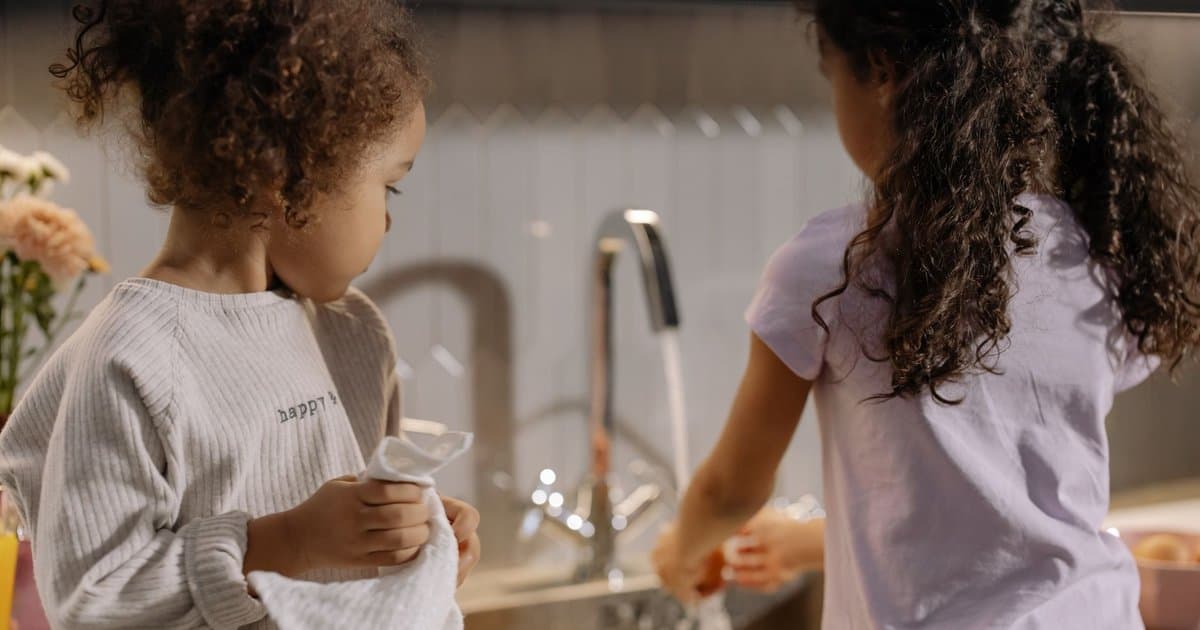
Your daughter's big sister role in the classroom works best when it doesn't become her whole identity at school. She can feel proud of being an older sibling while still having the freedom to focus on her own learning, her own friendships, and her own growing-up. The goal is to protect that balance so the role builds her up instead of weighing her down.
Key Takeaways
- Being a big sister at school creates real emotional complexity most parents underestimate.
- She is not responsible for managing or supervising her younger sibling during the school day.
- Encourage activities and friendships that are entirely her own.
- Mixed feelings about the role, including wanting space, are healthy and normal.
- Watch for signs of excessive worry, perfectionism, or social withdrawal.
What Being a Big Sister at School Actually Involves
A big sister's real duties at school are almost none. She is not a supervisor, a problem-solver, or a stand-in parent. Her job is to be a student and a friend to her peers, with the optional bonus of being a kind, familiar face for her younger sibling in the hallway.
That said, the emotional weight can be significant. According to The Role of Being an Older Sister 1, older sisters often feel caught between pride in the role and the pressure of being expected to set an example at all times. Teachers and other adults may unconsciously expect maturity beyond her years simply because a younger sibling is in the building. She might feel watched. She might feel like she can't have a bad day without someone connecting it to her brother or sister. Those feelings deserve acknowledgment, not dismissal.
The Hidden Pressure of the Big Sister Role in the Classroom
Many big sisters internalize an unspoken rule: always be helpful, always be patient, always be "the good one." In my classroom, I've seen this play out when an older sibling gets pulled aside to calm a younger one down at recess or explain a routine to them. It seems harmless, but it chips away at her independence.
According to The Importance of Being a Big Sister 3, the big sister role can foster empathy and leadership, but only when it develops naturally rather than being imposed. When helping becomes an obligation, guilt follows. She might feel bad about wanting to play with her own friends instead of checking on her sibling. She might worry that choosing herself makes her a bad sister. Name that feeling for her directly: "It's completely okay to want your own time at school. That doesn't mean you don't love him."
Building Confidence in Her Own Identity
Her confidence grows when she has space to be more than someone's big sister. Encourage her to join a club, try a sport, or sit with friends who don't know her sibling at all. These experiences remind her that she's interesting and capable on her own terms.
With my daughter Nora, I noticed this tension early. When Ollie started at the same school, Nora suddenly became "Ollie's big sister" to half the staff. She liked it at first. Then she started getting frustrated when teachers asked her where Ollie was or whether he was adjusting okay. She needed me to say, out loud, "You're not in charge of Ollie at school. That's what his teachers are for." It was a small sentence, but it visibly relieved her. If you're also working on building confidence in children, separating her identity from the sibling role is a concrete place to start.
Managing Sibling Dynamics in the School Setting
If both children attend the same school, set clear expectations before the year begins. She is not his babysitter. She can wave to him at lunch. She can be a friendly face on the playground. But if he has a problem, her job is to find a teacher, not solve it herself.
According to The Big and Little Sibling Mentorship Program 2, structured mentorship programs pair older and younger students intentionally, with defined boundaries and adult oversight. The key word is "structured." Without structure, the dynamic defaults to the older child carrying responsibility she didn't sign up for. Some practical moves: designate specific times they can connect (morning drop-off, after-school pickup) and keep the rest of the day separate. Brief her on what to do if her sibling is upset: "Go find Ms. Ramirez. That's her job, not yours."
Handling Comparisons from Classmates
Classmates will ask about her sibling. They'll compare. "Is your brother the one who cried at assembly?" or "Your sister is way better at art than you." These moments sting, and they put her in a position she shouldn't have to manage alone.
Role-play simple responses at home. Something like, "Yeah, he's in first grade," followed by changing the subject works well. Teach her that she doesn't owe anyone an explanation of her sibling's behavior. According to Everyone Needs a Big Brother 4], sibling relationships thrive when each child feels valued as an individual rather than defined by the other. Reassure her that being compared doesn't make her responsible for her sibling's reputation. If she's struggling socially with this, learning [how to help your child make friends at the playground can give her tools to redirect conversations and build friendships on her own terms.
Conversations to Have Before School Starts
Frame expectations clearly before the first day, not after a problem surfaces. Sit down together and cover four things:
- Her actual responsibilities (almost none, unless a teacher specifically asks for a small, occasional favor).
- That you expect her to focus on her own learning and friendships first.
- That wanting space from her sibling at school is healthy and good.
- What to do if her sibling needs help: find a teacher. Every time.
This conversation should feel like permission, not a lecture. She needs to hear that you trust her to be a kid at school, not a caretaker. Some families find that reading a personalized big sister story together opens this conversation naturally, because she can see a character navigating the same feelings she has.
Building Leadership Without the Burden
There's a real difference between natural kindness and forced responsibility. In my classroom, I teach learning behaviours explicitly. We practise STAR sitting (Sit up, Track the speaker, Ask and answer questions, Respect others). These skills build real confidence because they're about her, her focus, her growth. Leadership develops when she learns to be a good classmate to everyone, not just when she's managing her younger sibling.
Praise specific kindnesses you actually observe: "I saw you show the new girl where the water fountain was. That was really thoughtful." That kind of specific feedback teaches more than "you're such a good big sister" ever will. When she helps because she wants to, not because she feels she has to, she's developing genuine empathy. That's the kind of leadership worth encouraging. Exploring children's books about being brave together can reinforce this, showing her that courage means standing on your own, not always standing guard over someone else.
Signs She's Struggling with the Big Sister Role
Most big sisters experience some awkwardness or mixed feelings. That's expected. But watch for patterns that suggest the pressure is becoming harmful:
- Excessive worry about her sibling's wellbeing during the school day
- Refusing to acknowledge her sibling at school, or seeming ashamed of him
- Perfectionism or anxiety about "being good enough"
- Withdrawing from her own friendships to avoid sibling-related situations
- Physical complaints (stomachaches, headaches) on school mornings
If you notice several of these lasting more than a few weeks, talk to her teacher and consider a conversation with a school counselor. One child managing another child's emotional world is too much for a five- to eight-year-old brain. Her prefrontal cortex is still developing, and she genuinely cannot regulate both her own big feelings and her sibling's at the same time.
Get practical parenting tips delivered weekly
Evidence-based guidance for the moments that matter. No spam, unsubscribe anytime.
Frequently Asked Questions
Keep reading
Supporting Siblings During NICU Stay: What Parents Need to Know
Help siblings cope with NICU stress through honest explanations, routines, and connection activities. Most behavioral changes resolve within weeks of discharge.
10 min read
Teaching Empathy Through Children's Stories: A Practical Guide
Learn how to teach empathy through children's stories with practical techniques. Research shows kids develop stronger peer relationships with regular diverse
10 min read
How to Motivate Students on Classroom Behavior (Strategies That Work)
Master 8 proven strategies to motivate students on classroom behavior. Learn why specific praise and consistency outperform rewards, plus tools that work.
9 min read
Get weekly parenting tips backed by research
Evidence-based guidance for the moments that matter. No spam, unsubscribe anytime.