Celebrating Preschool Milestones: End-of-Year Ideas That Matter
Celebrate preschool milestones with 5 meaningful activities that build confidence. Skip Pinterest perfection and focus on simple rituals that stick with 3-5
Erika Wong
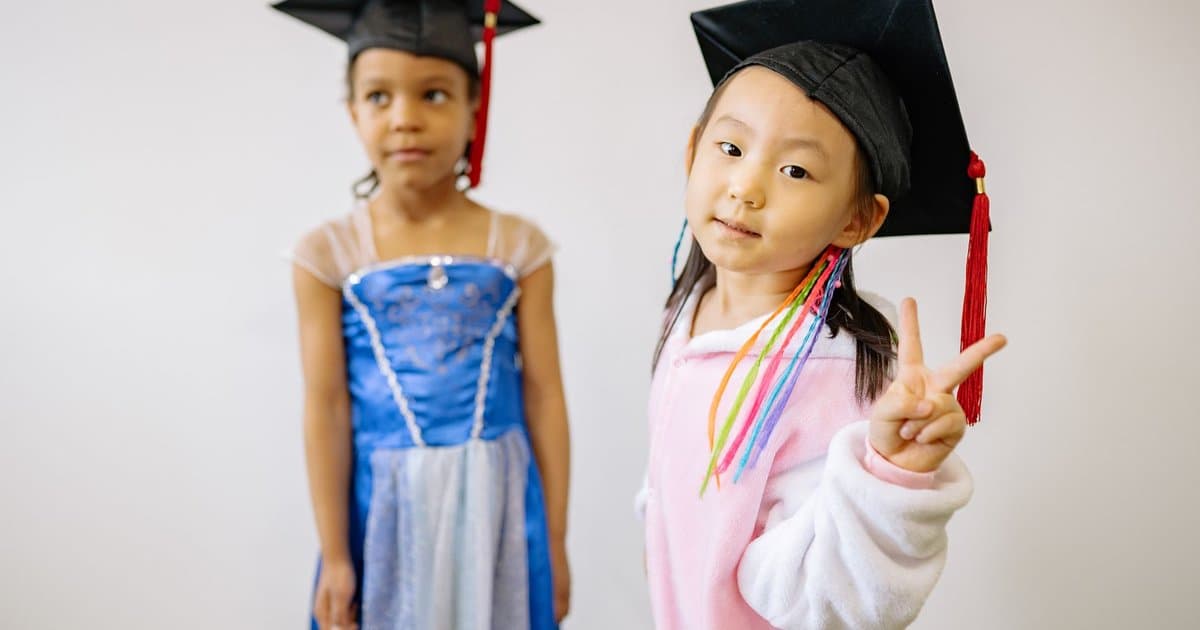
The best ways to mark the end of preschool go beyond a cap and gown. Celebrating preschool milestones at the end of the year means helping your child see their own growth, process the transition ahead, and carry confidence into whatever comes next. Skip the elaborate Pinterest setup and focus on a handful of meaningful activities that actually stick with a three-to-five-year-old.
Key Takeaways
- Growth reflections beat generic ceremonies for building real confidence.
- Non-academic milestones like kindness and courage deserve equal celebration.
- Mixed emotions about transitions are developmentally normal at ages 3–5.
- Simple rituals give children a sense of closure they can understand.
- Keepsakes work best when your child helps choose what to save.
A Simple Example of a Preschool Milestone Celebration
A milestone celebration can be as straightforward as sitting with your child, looking at photos from September and May side by side, and naming what changed. "You couldn't write your name in September. Now look at it." That's a milestone celebration. According to Kids 'R' Kids 1, end-of-year celebrations should highlight individual achievements rather than follow a one-size-fits-all script. In my classroom, I've found that a child who hears "you learned to ask for help when you were stuck" remembers that moment far longer than a certificate on the wall. The celebration doesn't need to be a party. It needs to be specific and personal.
Create a Growth Reflection Activity Together
Help your child see how far they've come by documenting specific skills, not just academic ones. Pull out three or four photos from the beginning of the year and compare them with recent ones. Ask open-ended questions: "What was really hard in September that feels easy now?" Even a child who can't write yet can draw a before-and-after picture of themselves on a piece of folded paper.
In my experience, kids light up when they realize they've changed. One approach that works well is creating a simple poster with two columns, labeled "Then" and "Now." Your child draws or sticks photos in each column. According to Theoria Technical 2, reflecting on growth helps children internalize effort as something meaningful, not just a result adults praise. That shift in thinking matters more than any trophy.
Host a Small Memory-Sharing Moment at Home
A casual conversation over dinner or during a car ride can be more powerful than a formal event. The key is asking specific questions. "Who made you laugh the most this year?" works far better than "How was preschool?" because it gives your child something concrete to recall.
I started doing this with my daughter Nora when she finished her first year of preschool. I recorded her answers on my phone, and listening back a year later, we both couldn't believe how much her vocabulary and storytelling had grown. Write down their words on the back of a drawing or in a simple notebook. Keep it joyful, not quiz-like. If your child doesn't feel like talking, that's fine. Try again tomorrow. These conversations plant seeds for lifelong confidence, and they cost nothing.
Make End-of-Year Keepsakes From Preschool Work
Rather than hauling home every piece of artwork in a garbage bag, sit with your child and pick three to five favorites together. Ask them to tell you about each one, and write their explanation and the date on the back. This turns a random painting into a story.
For everything else, take a photo and recycle. If you want something more polished, a kindergarten classroom memory book approach works well for preschoolers too. According to Brightwheel 3, creating a physical or digital memory book helps children process the transition by giving them something tangible to revisit. A small shoebox with a label ("Nora's Preschool Memories, 2025") is honestly enough. Your child helped choose the contents, which means they'll actually open it again.
Celebrate Individual Achievements Beyond Academics
Preschool wins include sharing when it was hard, trying the swing for the first time, and sitting still during story time. These deserve just as much recognition as learning to count to twenty. In my classroom, I make each child a simple "This Year I..." page where they dictate or draw their proudest moments.
Specific feedback matters here. "You were so brave when you tried the climbing wall even though you said you were scared" teaches a child something about themselves. "Good job" does not. If you're looking for personalized kindergarten graduation gifts, consider ones that name what your child actually accomplished rather than generic congratulations. Focus on effort and growth, never comparison with other children.
Read a Story About Big Changes and New Beginnings
Books about transitions help normalize the messy mix of excitement and nervousness that most preschoolers feel. Choose a story about starting school, growing up, or saying goodbye, and read it several times across the last month. Repetition helps young children absorb the message.
After reading, ask: "How do you think that character feels? Do you ever feel like that?" Many parents find that a story featuring their child's own name makes the experience feel even more personal. A book like My Preschool Graduation Day can help because children see themselves navigating the situation successfully, which builds a mental rehearsal for the real thing. Pair it with a favorite book about friendship or a new beginning, and you've created a small reading ritual that carries real weight.
Plan a Special Goodbye Ritual With Your Child
A simple tradition marks the end: a favorite walk to the playground, planting a seed together, or making the meal your child loved most this year. Rituals give children a sense of closure, and letting them help plan it gives them a feeling of agency during a time that can feel out of their control.
With my son Ollie, our ritual was visiting his preschool playground one last time on a weekend. He ran around, said goodbye to the slide, and that was that. Keep it small. Name what you're doing: "This is our way of saying thank you to preschool." According to Edge Early Learning 4], intentional goodbye activities help children feel a sense of completion rather than abrupt loss. If your child wants to make cards for their teacher, that's a lovely addition. If you need ideas for [end of year teacher gifts from class, a handwritten note from your child honestly means the most.
When Mixed Feelings Are Normal vs. When to Be Concerned
Most children feel excited, sad, and nervous all at once around transitions. This is developmentally normal for ages three to five. Regression, like toileting accidents, clinginess at drop-off, or disrupted sleep, often surfaces around big changes and usually passes within a few weeks.
Watch for signs that something deeper is happening. If your child refuses to talk about school for more than two weeks, has persistent nightmares, or shows significant withdrawal from activities they previously enjoyed, bring it up with their teacher or pediatrician. These conversations are not overreactions. They're responsible parenting. Stay consistent with routines, offer physical comfort freely, and resist the urge to dismiss their feelings with "you'll be fine." Instead, try: "You're allowed to feel sad and excited at the same time."
Get practical parenting tips delivered weekly
Evidence-based guidance for the moments that matter. No spam, unsubscribe anytime.
Frequently Asked Questions
Keep reading
Supporting Siblings During NICU Stay: What Parents Need to Know
Help siblings cope with NICU stress through honest explanations, routines, and connection activities. Most behavioral changes resolve within weeks of discharge.
10 min read
Teaching Empathy Through Children's Stories: A Practical Guide
Learn how to teach empathy through children's stories with practical techniques. Research shows kids develop stronger peer relationships with regular diverse
10 min read
How to Motivate Students on Classroom Behavior (Strategies That Work)
Master 8 proven strategies to motivate students on classroom behavior. Learn why specific praise and consistency outperform rewards, plus tools that work.
9 min read
Get weekly parenting tips backed by research
Evidence-based guidance for the moments that matter. No spam, unsubscribe anytime.