Children's Books About Being Brave: Stories That Build Confidence
Discover how brave books help children develop confidence and courage. Learn which stories work best for ages 2-8 and how to read them effectively.

Matt Li
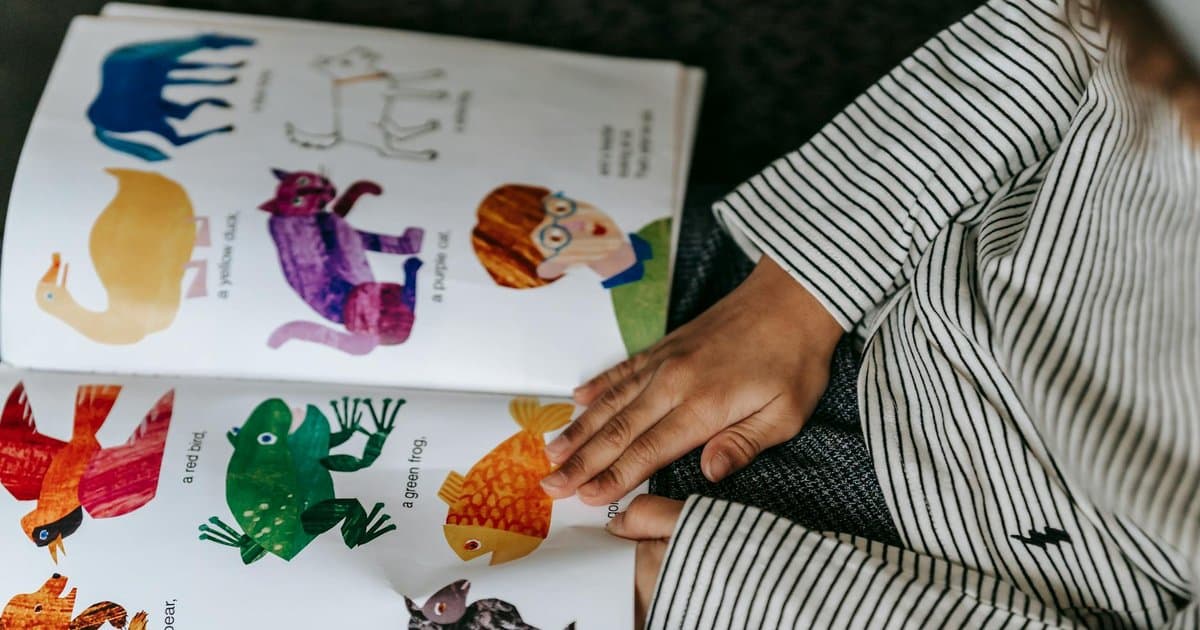
Children's books about being brave work because they let kids rehearse courage before they need it in real life. Stories normalize fear, showing children that bravery isn't the absence of worry but the choice to act despite it. When a child sees a character tremble, take a breath, and try anyway, they absorb a template for handling their own scary moments.
Key Takeaways
- Brave books model the full emotional arc: fear, attempt, and resolution.
- Reading together opens conversations children rarely start on their own.
- Rereading the same book builds familiarity, which builds confidence.
- Match the book to your child's actual fear, not a generic "be brave" message.
- Persistent anxiety that limits daily life warrants professional support.
Why Children's Books About Being Brave Matter More Than You Think
Children don't learn courage from being told to "be brave." They learn it from watching someone navigate fear successfully, and story characters are surprisingly effective role models. According to Karin Hendricks and colleagues (2021) 1, narrative exposure to brave characters helps children develop what researchers call "courage schemas," or mental frameworks for how bravery works. Books model the full sequence: a character feels scared, tries something, stumbles, and eventually finds a way through.
Reading together also creates what child psychologists call emotional co-regulation. When you sit beside your child and a story character faces something frightening, your calm presence teaches your child that fear is manageable. Research from ZERO TO THREE confirms that children under five rely heavily on caregivers to help them process emotions they can't yet name.
Stories also give children vocabulary. A three-year-old who hears "my tummy felt wobbly" in a book can later say those words instead of simply melting down. That shift from feeling to language is one of the most important steps in emotional development.
Books for Overcoming Specific Fears (Ages 2–4)
Toddlers need brave stories that are small in scope and clear in structure. Look for picture books where the character faces one specific fear, like thunderstorms, the dark, or separation from a parent. The problem should appear, the character should try something (with help), and the problem should resolve within a few pages. According to the American Academy of Pediatrics (2014) 2, shared reading with young children supports both language development and social-emotional growth.
The most effective books for this age show the child character feeling scared first. This matters. If the character jumps straight to bravery, your toddler may feel like something is wrong with them for feeling afraid. Books that begin with fear and move toward courage validate your child's experience.
A few practical tips for this age group: choose books with repetitive text so your child can predict what comes next, because predictability itself builds confidence. Reread favorites until the pages are soft. Some families find that social stories with simple sequences work well for children preparing for specific situations like daycare drop-off or a doctor visit.
Stories That Show Different Kinds of Brave (Ages 4–6)
Older preschoolers are ready for a bigger idea: bravery looks different for different people. One child is brave when trying new food. Another is brave when standing up for a friend. A third is brave when admitting they made a mistake. Books with diverse characters doing brave things in their own way reduce the pressure to be brave "correctly."
At this age, children benefit from stories with a clear problem and multiple solution attempts. The character tries one thing, and it doesn't work. They try another. Eventually they find something that helps. This mirrors real life, where courage rarely works on the first try. According to Malchiodi (2015) 3, bibliotherapy (using books to support emotional health) is most effective when stories reflect the child's actual emotional landscape rather than presenting idealized outcomes.
Include books where the brave character is visibly scared and does it anyway. A character who cries before the school concert and then walks onstage teaches more than a character who never wavers. Children at four, five, and six are beginning to understand that two feelings can exist at the same time, and brave books reinforce this.
Chapter Books and Longer Stories for Early Readers (Ages 6–8)
Emerging readers are ready for bravery that develops over chapters, not pages. They can handle characters who make mistakes, who are brave on Tuesday and terrified on Wednesday. Stories with ongoing characters they care about build what researchers call "parasocial relationships," and these fictional friendships can genuinely influence a child's self-concept.
Series books work especially well here. When a child follows a character across multiple adventures, they develop attachment. They want to check in. They root for the character's growth, and in doing so, they root for their own. Look for books where courage comes in quiet forms, not just dragon-slaying but apologizing, telling the truth, or trying again after failure.
This age also responds well to humor alongside emotional weight. A book that makes a child laugh about a scary situation gives them a sense of power over it. According to Bettelheim (1976) 4, children use stories to process fears at their own pace, returning to the same narrative until they've extracted what they need from it. Humor makes that return feel inviting rather than heavy.
When to Choose a Personalized Brave Story
If your child is facing a specific upcoming challenge, like a first day at a new school, a medical procedure, or the arrival of a sibling, a personalized story can be especially powerful. Seeing themselves as the main character who navigates the situation successfully helps children rehearse courage in a concrete way. A personalized bravery book lets your child literally see their own name and face in the brave role, which some children find deeply reassuring.
Research on narrative identity, summarized by McAdams and McLean (2013) 5], shows that the stories we tell about ourselves shape how we see our capabilities. When a child hears a story where "they" were brave at the hospital, that narrative can become part of how they understand who they are. For more on how [personalized books for children support emotional development, it's worth exploring the research behind this approach.
A few caveats: personalized stories work best when paired with real conversation, not used as a stand-in for support. Introduce the book a few weeks before the event so there's time for multiple readings. And keep talking. The book opens the door; your presence walks through it with them.
How to Read Brave Books So They Actually Land
The way you read matters as much as what you read. Don't rush through a brave story to reach the moral. Instead, pause at moments where the character feels something big. Ask open questions: "What do you notice about her face?" or "What do you think he's feeling right now?" These are more useful than "Was she brave?" because they invite observation rather than judgment.
Resist the urge to apply the lesson directly to your child's life in that moment. Saying "See? She was brave at the doctor, just like you need to be!" can make a child feel pressured rather than supported. Let them make the connection themselves. According to Nikolajeva (2013) 6, children extract emotional meaning from stories most effectively when adults create space for reflection rather than directing interpretation.
Some children need to hear the same book twenty times before they're ready to talk about their own fear. That's normal. Repetition isn't a sign of stagnation. It's processing. Notice which pages your child lingers on, which illustrations they study, which lines they repeat. Those are the emotional touchpoints they're working through. Your patience during those re-reads is itself a form of building confidence in young children.
When Brave Books Aren't Enough
Books are a wonderful tool, but they have limits. Normal childhood fears, like monsters under the bed or anxiety about a new classroom, typically fade with time, gentle exposure, and reassurance. Brave books contribute meaningfully to that process.
However, if your child's fear is worsening over weeks rather than improving, if new fears are appearing frequently, or if fear is disrupting sleep, eating, or daily activities, it's worth talking to your pediatrician or a child psychologist. The AAP recommends screening for anxiety disorders in children who show persistent avoidance or distress that interferes with functioning 2.
Some signs that professional support might help: your child refuses to leave the house, has frequent nightmares that don't respond to comfort, experiences physical symptoms like stomachaches before routine activities, or has regressed significantly in behavior. Books remain a helpful complement alongside therapy or other interventions. They don't need to be set aside when professional support begins.
Building a Family Library of Brave Stories
You don't need a perfect collection. Start with one or two books that match your child's actual fears, and reread them until the spines crack. Then slowly add stories that broaden what bravery looks like: physical courage, emotional honesty, social risk-taking, creative persistence.
Let your child choose sometimes. Children often gravitate toward books about fears they're ready to process. If your five-year-old keeps pulling the same book about a thunderstorm off the shelf, that's not random. They're working on something.
Library books are ideal for testing whether a story resonates before you commit to buying it. A small collection of well-loved books beats a large collection of untouched ones every time. And don't overlook books where bravery isn't the main theme but appears naturally. A story about friendship might include a moment of social courage that lands harder than a book explicitly about "being brave."
Get practical parenting tips delivered weekly
Evidence-based guidance for the moments that matter. No spam, unsubscribe anytime.
Frequently Asked Questions
Keep reading
How to Create a Dog Memorial Book (With Printable Templates)
Create a dog memorial book with photos, stories, and mementos. Learn 5 organizational tips and design ideas for honoring your pet's memory.
8 min read

How to Write a Wedding Speech for Your Aunt and Uncle (With Examples)
Write a heartfelt 3-5 minute wedding speech for your aunt and uncle. Follow this proven structure with character-focused stories and authentic delivery tips.
7 min read

Cat Memorial Book Ideas: Creating a Lasting Tribute
Create a cat memorial book with photos, memories, and keepsakes. Learn 6 meaningful ways to honor your pet and process grief with this personalized tribute.
7 min read
Get weekly parenting tips backed by research
Evidence-based guidance for the moments that matter. No spam, unsubscribe anytime.