Blended Family Bonding Activities: Building Real Connection
Discover proven blended family bonding activities that work. Research shows 4-7 years for deep bonding—learn low-pressure strategies that actually build trust.

Matt Li
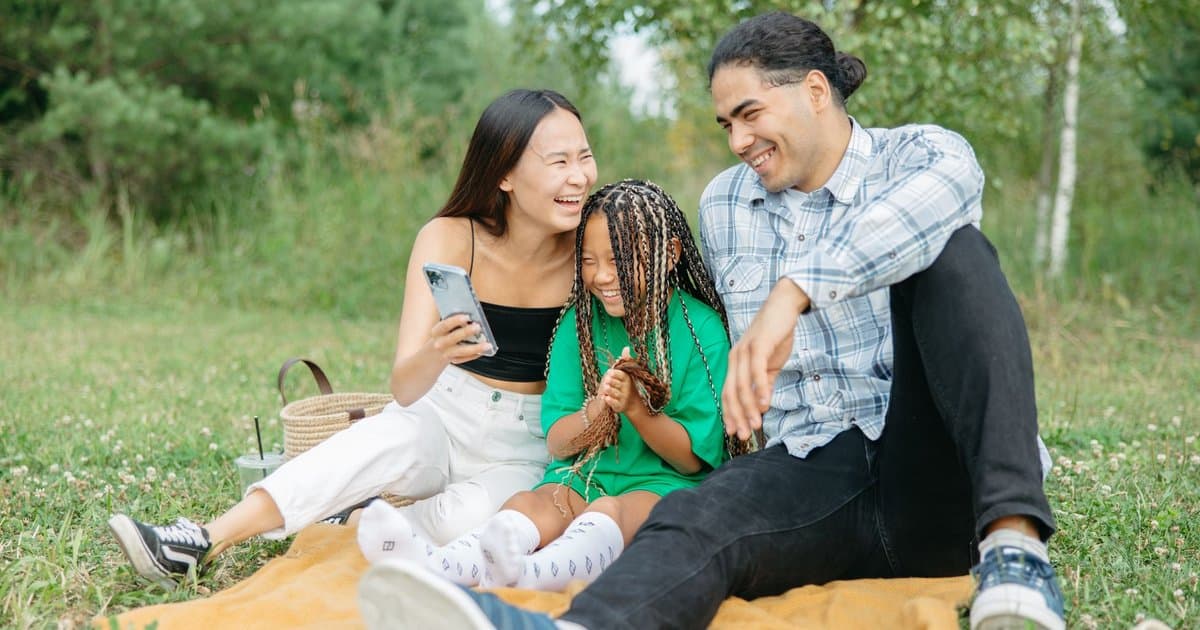
Blended family bonding activities work best when they're low-pressure, consistent, and matched to each child's age. Genuine connection in step-families builds through repeated small moments, not forced togetherness or one big outing. The families who bond most successfully are often the ones who stop trying so hard and start showing up regularly instead.
Key Takeaways
- Step-relationships take 4 to 7 years to develop fully, and that timeline is normal.
- One-on-one activities build trust faster than whole-family group events.
- Side-by-side activities like cooking or building reduce awkwardness and invite natural conversation.
- Children need permission to grieve the old family structure while embracing the new one.
- Matching activities to a child's developmental stage matters more than the activity itself.
The 7 7 7 Rule and Why Routines Matter for Blended Families
The 7 7 7 rule suggests couples go on a date every 7 days, enjoy a night away every 7 weeks, and take a vacation together every 7 months. For blended families, this framework highlights something critical: consistent, scheduled connection prevents relationships from being crowded out by logistics.
Blended households juggle custody schedules, multiple schools, and different bedtime routines. Without deliberate time set aside, bonding gets lost in the shuffle. According to HelpGuide, most step-families need two to seven years before members truly feel like a cohesive unit 2. That's not failure. It's the normal developmental arc of a family that didn't start from scratch together.
The 7 7 7 rule works as a minimum structure. Even adapting it loosely, say a weekly family meal and a monthly one-on-one outing, gives everyone something predictable to rely on.
Why Bonding in Blended Families Feels Different
Children in blended families grieve their previous family structure, even when the new arrangement is healthier. This grief can look like withdrawal, defiance, or sudden clinginess with a biological parent. It doesn't mean the child rejects the new family. It means they're processing loss while simultaneously being asked to form new attachments.
According to Focus on the Family, blended families benefit from planning activities that include all children while respecting the different relationships within the household 4. Forcing closeness usually backfires. When kids feel pressured to perform affection they don't yet feel, they pull away harder. The best blended family bonding activities create a relaxed environment where connection can happen accidentally.
One-on-One Activities That Build Step-Relationships
Paired activities, one adult with one child, create safety that group settings can't. A child who clams up at the dinner table might open up on a walk or during a car ride to get ice cream. The key is consistency, not creativity.
Step-parents benefit most from initiating these outings rather than waiting for the biological parent to arrange them. Showing up repeatedly, without pressure to talk about feelings, communicates "I chose you specifically." According to City Chic Living, step-parents who invest in individual relationships first see better results when the whole family comes together later 6.
Some practical one-on-one ideas:
- A weekly 20-minute walk, same day, same time
- Cooking a meal together (just the two of you)
- A monthly outing based on the child's interest, not the adult's
Low-Pressure Group Activities Where Bonding Happens Accidentally
Side-by-side activities beat face-to-face conversations for awkward new family dynamics. When hands are busy, guards come down. Cooking, building LEGO sets, assembling furniture, or planting a garden bed all create natural teamwork without anyone having to make eye contact and share feelings on command.
According to Connected Families, activities that produce a shared result, like building something together or completing a puzzle, give families a sense of accomplishment that reinforces their identity as a team 3. Outdoor activities are especially useful because physical space reduces emotional intensity. A hike feels less "on stage" than a family dinner.
Activity Type | Best For | Why It Works |
|---|---|---|
Cooking together | All ages | Busy hands, natural conversation |
Fort building or LEGO | Ages 5-10 | Shared ownership of the result |
Hiking or beach trips | All ages | Low intensity, open-ended time |
Board games | Ages 7+ | Structured fun with clear rules |
Volunteering together | Ages 9+ | Shared purpose beyond the family |
Storytelling and Shared History for New Families
Blended families lack the shared memories that give biological families their identity. There's no "remember when you were a baby" story that includes everyone. This gap matters more than most parents realize, because children use family stories to locate themselves in the world.
Deliberately creating and retelling shared moments fills this gap. Some families keep a memory jar where everyone drops in notes about funny or meaningful moments. Others create photo books together at the end of each year. According to Twinkl, activities that help blended siblings build a shared narrative strengthen their sense of belonging over time 5.
Some parents find that reading a personalized story about living in two homes helps younger children see their family structure reflected back to them in a way that feels validating. Exploring personalized story books together can become a ritual in itself.
Activity Ideas by Developmental Stage
What works for a six-year-old will make a teenager cringe. Matching blended family bonding activities to developmental stage dramatically increases buy-in.
Age Range | What Works | What Doesn't |
|---|---|---|
Ages 5-8 | Play-based: board games, sports, building, routine-driven activities | Abstract conversations about feelings |
Ages 9-12 | Collaborative projects: cooking, skill-building, volunteering, humor | Forced group "sharing" sessions |
Ages 13+ | Interest-sharing: gaming, hiking, music, movies; respect for autonomy | Mandatory family fun, loss of independence |
Younger children need predictability. Same bedtime story, same Saturday morning pancakes. Older children need their autonomy respected. Inviting a teenager to join, without guilt-tripping when they decline, builds more trust than requiring attendance. Learning how to help your child make friends in new social environments can also support kids adjusting to a blended household, where social skills are constantly being tested.
When Bonding Feels Stuck: Signs You Need to Adjust
Withdrawal, sarcasm, or persistent resistance from a child usually signals the pace is too fast. This isn't rejection. It's information. Pull back to lower-pressure activities or reduce the frequency of whole-family events.
If a step-parent feels consistently rejected despite months of steady effort, talking with a family therapist helps reframe expectations and identify dynamics that aren't visible from inside the household. According to HelpGuide, professional support is most helpful when sought early, before resentment calcifies 2.
Some relationships develop genuine warmth in two years. Others take five or more. Building confidence in children during this transition period, through validation and low-pressure wins, helps them feel secure enough to eventually let new people in.
Get practical parenting tips delivered weekly
Evidence-based guidance for the moments that matter. No spam, unsubscribe anytime.
Frequently Asked Questions
Keep reading

How to Create a Dog Memorial Book (With Printable Templates)
Create a dog memorial book with photos, stories, and mementos. Learn 5 organizational tips and design ideas for honoring your pet's memory.
8 min read

How to Write a Wedding Speech for Your Aunt and Uncle (With Examples)
Write a heartfelt 3-5 minute wedding speech for your aunt and uncle. Follow this proven structure with character-focused stories and authentic delivery tips.
7 min read

Cat Memorial Book Ideas: Creating a Lasting Tribute
Create a cat memorial book with photos, memories, and keepsakes. Learn 6 meaningful ways to honor your pet and process grief with this personalized tribute.
7 min read
Get weekly parenting tips backed by research
Evidence-based guidance for the moments that matter. No spam, unsubscribe anytime.