How to Write a Wedding Speech for Your Aunt and Uncle (With Examples)
Write a heartfelt 3-5 minute wedding speech for your aunt and uncle. Follow this proven structure with character-focused stories and authentic delivery tips.

Matt Li
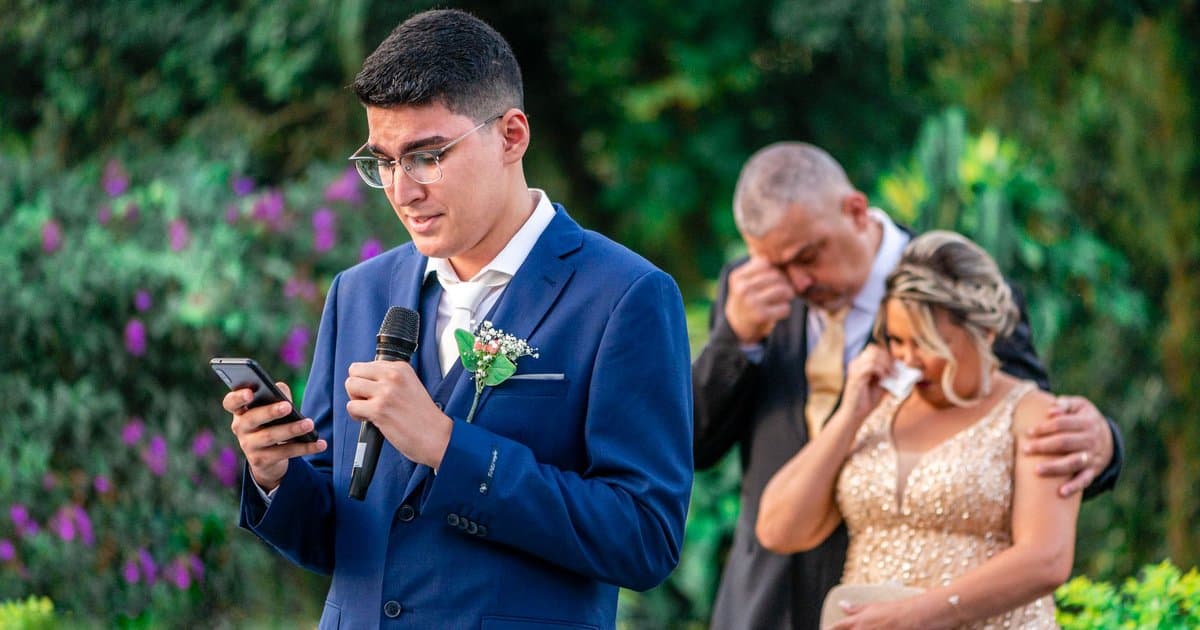
To write a wedding speech for your aunt and uncle, focus on three things: a warm introduction that explains your relationship, two or three specific stories that reveal who they are as individuals and as a couple, and a genuine toast wishing them well. Keep it between three and five minutes, and practice out loud until the words feel like a conversation.
Key Takeaways
- Aim for 400 to 650 words, roughly three to five minutes of speaking time.
- Choose stories that show character, not just get laughs.
- Practice aloud at least three times before the wedding day.
- A brief, heartfelt speech always beats a long, unfocused one.
- Your unique family perspective is what makes this speech irreplaceable.
The Best Opening Line for a Wedding Speech
The strongest opening lines are simple, specific, and spoken directly to the couple. Something like "For those who don't know me, I'm Sarah, and Aunt Linda taught me how to ride a bike, burn toast, and love fiercely" works because it's personal and immediately tells the room who you are.
According to Speechy 1, a good wedding speech opening establishes your connection to the couple within the first thirty seconds. Skip generic greetings like "Good evening, ladies and gentlemen." Instead, anchor your first sentence in a real detail. The room relaxes when they hear something true. You could also open with a short observation: "I've watched these two make each other laugh for twelve years, and I still can't believe Uncle Mark finally found someone who appreciates his terrible puns."
Understand Your Role and Audience
You're not the best man or maid of honor. Your perspective as a niece, nephew, or family member carries a different kind of weight. You've seen your aunt and uncle across holidays, family crises, and ordinary Tuesday dinners. That long view is your advantage.
Your audience includes people who know the couple deeply and others meeting them for the first time. According to WedSpeech 2, the most effective family speeches find a universal thread that connects everyone in the room. A story about your uncle's generosity or your aunt's laugh doesn't require insider knowledge to appreciate. Speak to the whole room, not just the family table.
Structure Your Speech for Maximum Impact
A clear structure keeps you from rambling and helps the audience follow along. Here's a framework that works well for how to write a wedding speech for aunt and uncle occasions:
Opening (30 seconds): Introduce yourself and your relationship. One sentence is enough.
Body (2 to 3 minutes): Share two or three moments that reveal character or highlight the couple's bond. These don't need to be dramatic. A quiet moment at a family barbecue can land harder than a grand gesture.
Transition (15 seconds): Acknowledge the significance of the day. "Standing here watching you two today, I see the same kindness I've always known, except now it's doubled."
Toast (15 seconds): Close with a specific wish. Not "To love and happiness" but "To Sunday morning coffee, loud family dinners, and fifty more years of terrible puns."
Choose Stories That Reveal Character
The best stories show who your aunt and uncle are, not just what happened to them. Avoid inside jokes that leave half the room confused. Skip anything that would make the couple cringe on a replay.
A good test: would they want this story in their wedding video? If yes, keep it. If you hesitate, cut it. Pick moments that illustrate kindness, resilience, or how they treat people around them. Even a small memory works. Maybe your aunt always called on your birthday, or your uncle drove three hours to watch your school play. These details feel specific to your family while resonating with everyone.
Write for the Ear, Not the Page
Read every sentence out loud while drafting. If you stumble over a phrase, rewrite it shorter. Use contractions. Say "don't" instead of "do not." Say "they're" instead of "they are." Your aunt and uncle invited you because you're family. They want to hear your real voice, not a formal essay.
Avoid clichés like "soulmates" or "a love story for the ages." Replace them with something concrete. Instead of "They complete each other," try "Uncle Mark can't cook, and Aunt Linda can't parallel park, so honestly, it's a survival partnership." Specific observations are funnier and more memorable than borrowed phrases.
Navigate Tricky Family Dynamics
If your family is blended, if someone important has passed away, or if the couple's story is unconventional, a brief acknowledgment shows respect. "Mom would have loved being here" is enough. You don't need to dwell on absence. Focus on what is present and celebratory.
If the couple has a mixed-faith or same-sex relationship and it's part of your family's story, celebrate it directly. Pretending complexity doesn't exist reads as avoidance. A warm, honest sentence always lands better than silence. According to a Brainly discussion on family anniversary toasts 3, acknowledging the couple's unique journey together strengthens the emotional impact of any celebration speech.
Red Flags to Edit Out of Your Speech
Before you finalize, scan for these problems:
- References to exes or past relationships
- "Light" teasing that's actually critical ("She always had terrible taste until him")
- Assumptions about their future plans, like having children
- Political or religious commentary unrelated to the couple
- Jokes about age differences or appearance
If a line makes you second-guess yourself, remove it. A warm, three-minute speech with zero awkward moments will always outperform a five-minute speech with one cringe-worthy line.
Practice and Delivery Preparation
Practice your speech at least three times. The first read reveals clumsy phrasing. The second builds flow. The third builds confidence. Time yourself, and edit down anything that pushes past five minutes.
Print your final speech in 14-point font or larger, with one sentence per line. Mark pauses for breath and spots where you expect laughter. Bring water to the podium. Arrive 15 to 20 minutes early to test the microphone and get comfortable in the space. If you feel tears coming, pause, breathe, sip water, and continue. The room will be with you.
Some families find that grounding a speech in a specific written memory, like a personalized wedding story for an aunt and uncle, helps organize their thoughts around concrete details rather than abstract sentiments. Similarly, the same approach of capturing real moments in writing applies to personal Christmas story ideas and other family celebrations.
Get practical parenting tips delivered weekly
Evidence-based guidance for the moments that matter. No spam, unsubscribe anytime.
Frequently Asked Questions
Keep reading
How to Create a Dog Memorial Book (With Printable Templates)
Create a dog memorial book with photos, stories, and mementos. Learn 5 organizational tips and design ideas for honoring your pet's memory.
8 min read
Cat Memorial Book Ideas: Creating a Lasting Tribute
Create a cat memorial book with photos, memories, and keepsakes. Learn 6 meaningful ways to honor your pet and process grief with this personalized tribute.
7 min read

Personalized Gift Ideas for Grandchildren: Gifts That Build Connection
Discover personalized gift ideas for grandchildren that build connection. Custom storybooks, keepsakes, and photo gifts work for all ages and budgets.
7 min read
Get weekly parenting tips backed by research
Evidence-based guidance for the moments that matter. No spam, unsubscribe anytime.