How to Create a Dog Memorial Book (With Printable Templates)
Create a dog memorial book with photos, stories, and mementos. Learn 5 organizational tips and design ideas for honoring your pet's memory.

Matt Li
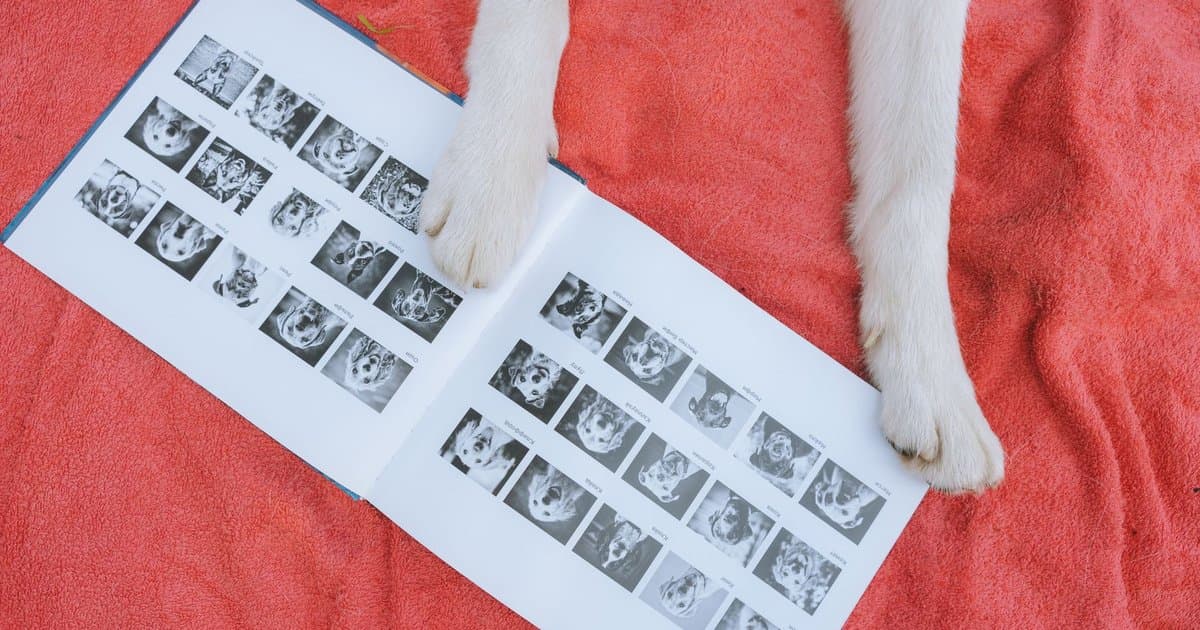
Gather your favorite photos, write short stories about your dog's personality and habits, and arrange them into themed chapters using a scrapbook, printed photo book, or digital format. A dog memorial book doesn't require artistic skill or expensive tools. It needs honest words, clear images, and the willingness to sit with your memories long enough to put them on a page.
Key Takeaways
- Group photos by theme, not timeline, for a more meaningful memorial book.
- Short 2-3 sentence anecdotes capture personality better than long essays.
- Include mementos like collar tags, paw prints, and adoption papers.
- Let every family member contribute a page in their own way.
- There is no deadline for finishing; grief sets the pace.
Honoring a Dog Who Passed Away Through a Memorial Book
A memorial book transforms scattered photos and fading memories into something permanent that you can hold, share, and return to. It gives grief a direction without rushing it.
Creating a dog memorial book shifts your focus from the absence to the fullness of the life you shared. According to Whisker and Fang's guide on pet memory books 3, documenting memories soon after loss helps preserve details that fade quickly, like the sound of your dog's collar or the way they greeted you at the door.
Children especially benefit from creative projects during pet loss. Drawing pictures or dictating stories about a beloved dog gives kids a way to express emotions they may not have words for yet. Families who have made kindergarten classroom memory book projects together know how powerful collaborative bookmaking can be for processing feelings.
Gather Your Dog's Photos and Documents
Before you organize anything, collect everything in one place. Check your phone's camera roll, cloud storage, old USB drives, and any printed photo albums. You'll likely find more than you expect.
Look beyond the posed shots. The best memorial book photos capture your dog mid-yawn, covered in mud, stealing food off a counter, or sprawled across the couch in an absurd sleeping position. These candid moments hold more personality than any portrait.
Gather non-photo items too: your dog's adoption certificate, first vet visit notes, vaccination records, and any tags or licenses. Photograph items you can't flatten into a book, like a chewed toy or favorite blanket. Create a single folder on your computer labeled with your dog's name. Having everything centralized makes the next steps far easier.
Choose Your Memorial Book Format and Size
Your format choice shapes the entire project. Pick based on how hands-on you want to be and how you plan to share the finished book.
Format | Best For | Effort Level | Cost Range |
|---|---|---|---|
Scrapbook (8x10+) | Hands-on creativity, physical mementos | High | $15–$40 |
Printed photo book | Professional look, easy sharing | Medium | $25–$80 |
Digital PDF | Flexibility, remote family sharing | Low | Free–$20 |
Personalized storybook | Children processing grief through narrative | Low | $25–$50 |
According to PetVentures Book 2], personalized pet memorial books that feature your dog's name and likeness can help families, particularly young children, feel closer to a pet who has passed. For families with kids, a [personalized memorial book for your dog can gently walk children through the idea that love continues even after loss.
Organize Photos and Memories Into Themes
Chronological order feels logical but often falls flat emotionally. Instead, try grouping by theme. Let your dog's personality guide the chapters.
Consider sections like "First Days Home," "Favorite Napping Spots," "Adventures Outside," "Silly Moments," and "Our People." Aim for five to eight chapters. Each one should capture a different facet of who your dog was. According to Whisker and Fang (2024) 3, thematic organization creates a richer portrait because it highlights patterns and personality traits rather than just a timeline.
Include the mundane. A photo of your dog sitting in a patch of sunlight or waiting by the door says more about daily life together than any vacation shot. Add one-sentence captions that explain the moment: "She always sat here at 4 p.m., watching for the school bus."
Write Stories and Memories That Bring Your Dog to Life
You don't need to write beautifully. You need to write specifically. A two-sentence story about a single moment will hit harder than a full-page tribute.
Start with prompts: What was your dog's strangest habit? What sound did they make when excited? What food did they try to steal? What spot in the house was undeniably theirs? Write in short bursts. Two to three sentences per memory is plenty.
Include sensory details. The warmth of their body against your legs. The clicking of nails on hardwood. The particular smell of their ears after a bath. These details are the first to fade, which makes writing them down now so valuable. Handwrite some entries if it feels right. Imperfect handwriting on the page adds a layer of authenticity that typed text cannot match.
Design Pages With Care and Intention
Keep layouts simple. One strong photo per page, a short caption or story, and plenty of white space. Cluttered pages feel overwhelming when you're grieving.
Pick two or three colors that suit your dog's personality. Warm earth tones for a golden retriever. Deep blues for a dignified older dog. Bright, playful colors for a puppy who never calmed down. Add page dividers between chapters with your dog's name or a short quote.
For your cover, use your favorite photo alongside your dog's name, birth year, and the year they passed. This small act of formality treats the book as what it is: a record of a life that mattered to your family.
Incorporate Mementos and Sensory Elements
Go beyond photos and text. Photocopy your dog's collar tag and paste it onto a page. Press flowers from their favorite walking trail. Include a paw print made with pet-safe ink if you were able to take one.
According to Book of Us 1, memorial keepsakes that engage multiple senses create stronger emotional connections to the memories they represent. For items too bulky to include, take a close-up photo and add it to the book with a caption explaining its significance.
Laminate delicate items like pressed flowers or thin paper documents to protect them from handling. Vellum overlays between chapters add a tactile element and signal transitions between sections.
Create a Dedicated Page for Family Reflections
Give each family member their own page. Use specific prompts: "What will you miss most?" or "What did dog's name teach you about love?"
Let younger children draw instead of write. A four-year-old's crayon drawing of their dog is irreplaceable, and giving them a dedicated space validates their grief. Families who have explored personalized story books know that involving children in the creative process helps them feel seen and included.
Leave a few pages blank at the back. Months or even years from now, someone in your family may want to add a new reflection, a dream they had, or a memory that surfaced unexpectedly.
When This Grief Process Takes Longer Than Expected
Some families finish their memorial book in a weekend. Others need a year. Grief is not a linear process, and a memorial book project will surface emotions you didn't anticipate.
If you start the book and need to stop, close it and walk away. That pause is part of the process. Many parents find it helpful to work on the book alone first, then share the finished version with children during a calm moment. As Sinclair (2018) 4 noted in research on shared reading and emotional development, reading together creates a space for children to process complex feelings at their own pace.
Some families add new pages annually, on their dog's birthday or the anniversary of their passing. The book becomes a living document. It grows with you.
Get practical parenting tips delivered weekly
Evidence-based guidance for the moments that matter. No spam, unsubscribe anytime.
Frequently Asked Questions
Keep reading
How to Write a Wedding Speech for Your Aunt and Uncle (With Examples)
Write a heartfelt 3-5 minute wedding speech for your aunt and uncle. Follow this proven structure with character-focused stories and authentic delivery tips.
7 min read

Cat Memorial Book Ideas: Creating a Lasting Tribute
Create a cat memorial book with photos, memories, and keepsakes. Learn 6 meaningful ways to honor your pet and process grief with this personalized tribute.
7 min read

Personalized Gift Ideas for Grandchildren: Gifts That Build Connection
Discover personalized gift ideas for grandchildren that build connection. Custom storybooks, keepsakes, and photo gifts work for all ages and budgets.
7 min read
Get weekly parenting tips backed by research
Evidence-based guidance for the moments that matter. No spam, unsubscribe anytime.