Dinosaur Activities for Kids: 15 Ways to Spark Curiosity
15 dinosaur activities for kids ages 2-8 that build science skills, fine motor control, and curiosity. Most use household supplies like sand and cardboard.

Matt Li
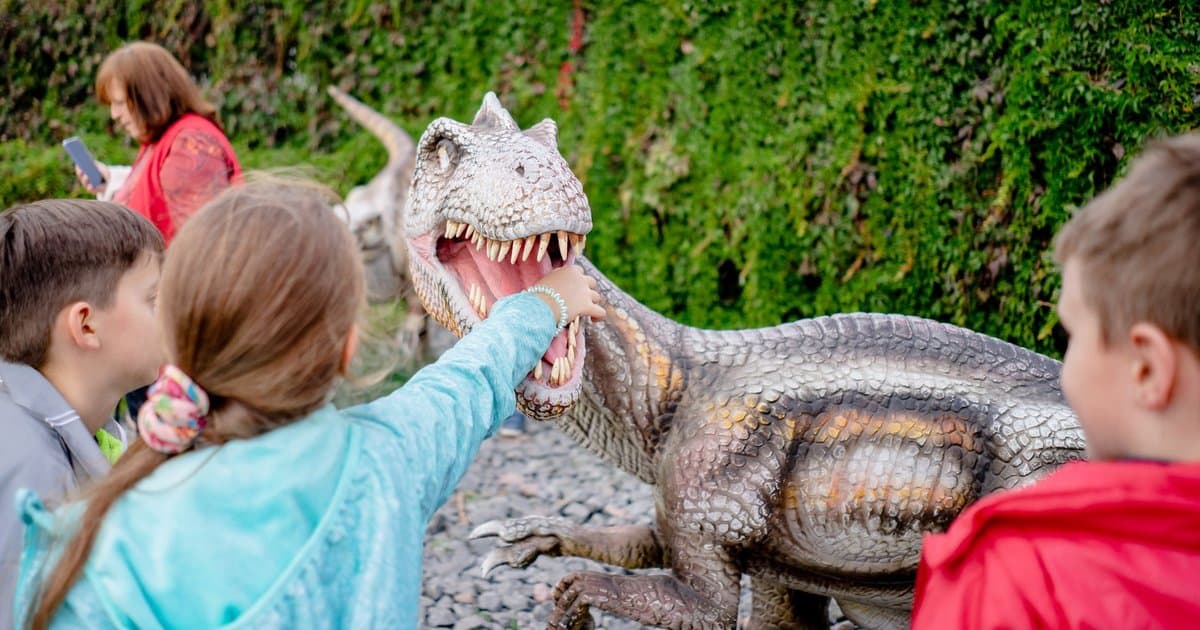
The best dinosaur activities for kids combine sensory play, crafts, movement, and storytelling to hold attention for 30 to 60 minutes without screens. Mix up formats each week, match the activity to your child's age, and let them lead the exploration. You don't need expensive kits or elaborate setups.
Key Takeaways
- Dinosaur activities build science thinking, language, and fine motor skills through play.
- Sensory bins and fossil digs work best for ages 2 to 4; STEM projects suit ages 5 to 8.
- Rotating activity types weekly prevents boredom and sustains curiosity.
- Deep dinosaur interest is a developmental strength, not a fixation to worry about.
- Most activities need only household supplies like salt dough, sand, and cardboard.
Best Dinosaur Party Activity: Fossil Dig Station
A fossil dig station is one of the most engaging dinosaur party activities for kids ages 3 to 8. Fill a large bin with sand, bury plastic dinosaur bones or small figures, and give each child a paintbrush and spoon. Kids excavate "fossils" and identify what they find.
According to Bright Beginning (2024) 4, dinosaur dig activities build fine motor control and sustain focus for extended periods in young children. Add a simple identification chart so kids can match their finds to dinosaur species. For parties, set up two or three bins so groups rotate without waiting. Label each bin with a different geological era for older kids. This single activity can anchor a 90-minute party while other stations (cookie decorating, coloring) fill the gaps.
Hands-On Crafts That Bring Dinosaurs to Life
Craft projects let kids build physical dinosaur models, which deepens understanding more than passive viewing. Here are four proven options:
Salt dough fossil imprints. Mix flour, salt, and water. Press plastic dinosaurs into flattened dough, then bake at low heat. Kids get realistic-looking fossils with minimal supplies.
Paper plate dinosaur masks. Cut eye holes, add horns or crests with cardboard scraps, and paint. These work especially well for shy kids who open up behind a character.
Cardboard tube skeletons. Cut paper towel rolls into segments and connect them with tape to form a dinosaur skeleton. According to Knowledge Crates (2024) 2, building 3D dinosaur models helps preschoolers understand how bones fit together.
Painted rock dinosaurs. Collect smooth rocks, paint dinosaur faces or full bodies, and hide them around the yard. These double as gifts and outdoor treasures. For more hands-on activities for kids, consider pairing crafts with counting or sorting games.
Outdoor Play and Dinosaur Movement Activities
Movement-based dinosaur activities for kids burn energy while building gross motor skills. A dinosaur stomp freeze game works well: play music, let kids stomp like a T. rex, and freeze when the music stops. The last one moving sits out (or just keep playing without elimination for younger groups).
Draw oversized dinosaur footprints in chalk on a sidewalk or driveway. Kids follow the trail, jumping from print to print. You can add numbers or letters inside each footprint for preschoolers working on recognition.
Dinosaur shadow statues work on sunny days. Kids strike a dinosaur pose and examine their shadow shape. According to Kaplan Early Learning (2024) 1, combining physical play with science observation encourages children to ask questions naturally. These activities require zero materials and fill 20 to 40 minutes outdoors.
Sensory Play for Younger Dinosaur Fans
Sensory bins are ideal for toddlers and preschoolers who aren't ready for structured crafts. Fill a shallow container with kinetic sand or dried rice, bury small dinosaur figures, and add scoops and tweezers. Children dig, sort, and name what they find.
For a dinosaur swamp, tint water with green food coloring in a small tub, add plastic aquatic dinosaurs, and throw in some leaves or pebbles. Water play holds attention for 15 to 25 minutes in most two- and three-year-olds.
Playdough excavation is another favorite: hide tiny dinosaurs inside balls of playdough and let kids pull them apart. This builds hand strength and grip control. Keep sensory materials on a low shelf so kids can return to them independently throughout the week. Low-pressure, self-directed play like this supports what Piaget described as active construction of knowledge through exploration.
Storytelling and Imaginative Dinosaur Play Ideas
Pretend play builds language, emotional regulation, and problem-solving. Set up a "time travel" scenario where your child is a paleontologist exploring the Cretaceous period. Use blankets over chairs as the time machine, and scatter toy dinosaurs around the room as discoveries.
Dinosaur egg hatching is simple and dramatic. Inflate small balloons, cover them in paper mache or tissue paper, and let kids "hatch" them by popping the balloon inside. A personalized story like a dinosaur explorer adventure can set the stage for pretend play, since kids see themselves navigating the scenario before acting it out.
Puppet shows with sock or paper bag dinosaur characters encourage narrative skills. For more imaginative play ideas, try pairing dinosaur stories with social scenarios where characters cooperate or solve problems together.
Simple STEM Explorations Without a Science Kit
Dinosaurs raise natural science questions that kids can investigate at home. Measure how long a Triceratops was (about 9 meters) using a tape measure stretched across your yard. Compare that to your child's height. This concrete comparison makes abstract size feel real.
Create a layered excavation jar: fill a clear container with alternating layers of sand, soil, and small rocks, then bury a toy dinosaur at the bottom. This demonstrates how fossils end up deep underground over time. According to the Wyoming Dinosaur Center (2024) 5, layered excavation models help students understand geological time in age-appropriate ways.
For creative activities with a STEM twist, have kids design dinosaur camouflage by coloring paper dinosaurs to match their surroundings, then hiding them for others to find.
Dinosaur Activities by Age and Attention Span
Age Range | Best Activity Types | Typical Focus Time |
|---|---|---|
2–3 years | Sensory bins, stomp games, simple crafts | 10–15 minutes |
3–4 years | Pretend play, playdough, outdoor digs | 20–30 minutes |
5–6 years | Crafts, STEM projects, storytelling | 30–45 minutes |
7–8 years | Research projects, building, cooking | 45–60 minutes |
Break longer projects into shorter segments for younger kids. A five-year-old might paint rock dinosaurs in one session and hide them the next day. According to Tejeda's Tots (2024) 3, dinosaur unit activities work best when teachers and parents rotate formats rather than repeating the same type.
When Deep Dinosaur Interest Becomes Expertise
Some children memorize dozens of species names, correct adults on pronunciation, and refuse to talk about anything else. This is called an "intense interest" or sometimes a "conceptual interest," and research suggests it strengthens focus, memory, and confidence. Many parents find this phase lasts 6 to 18 months.
Support it with library books, museum visits, and progressively complex projects. Gently expand the interest by asking, "What other animals went extinct?" or "What lived in the ancient ocean?" Redirecting without dismissing keeps the curiosity alive while broadening their world.
Get practical parenting tips delivered weekly
Evidence-based guidance for the moments that matter. No spam, unsubscribe anytime.
Frequently Asked Questions
Keep reading
How to Create a Dog Memorial Book (With Printable Templates)
Create a dog memorial book with photos, stories, and mementos. Learn 5 organizational tips and design ideas for honoring your pet's memory.
8 min read

How to Write a Wedding Speech for Your Aunt and Uncle (With Examples)
Write a heartfelt 3-5 minute wedding speech for your aunt and uncle. Follow this proven structure with character-focused stories and authentic delivery tips.
7 min read

Cat Memorial Book Ideas: Creating a Lasting Tribute
Create a cat memorial book with photos, memories, and keepsakes. Learn 6 meaningful ways to honor your pet and process grief with this personalized tribute.
7 min read
Get weekly parenting tips backed by research
Evidence-based guidance for the moments that matter. No spam, unsubscribe anytime.