Diwali Celebration Ideas: Activities That Bring Meaning Home
Discover meaningful Diwali activities for kids: lighting diyas, making rangoli, cooking sweets, and telling stories. Simple traditions that build lasting family memories.

Matt Li
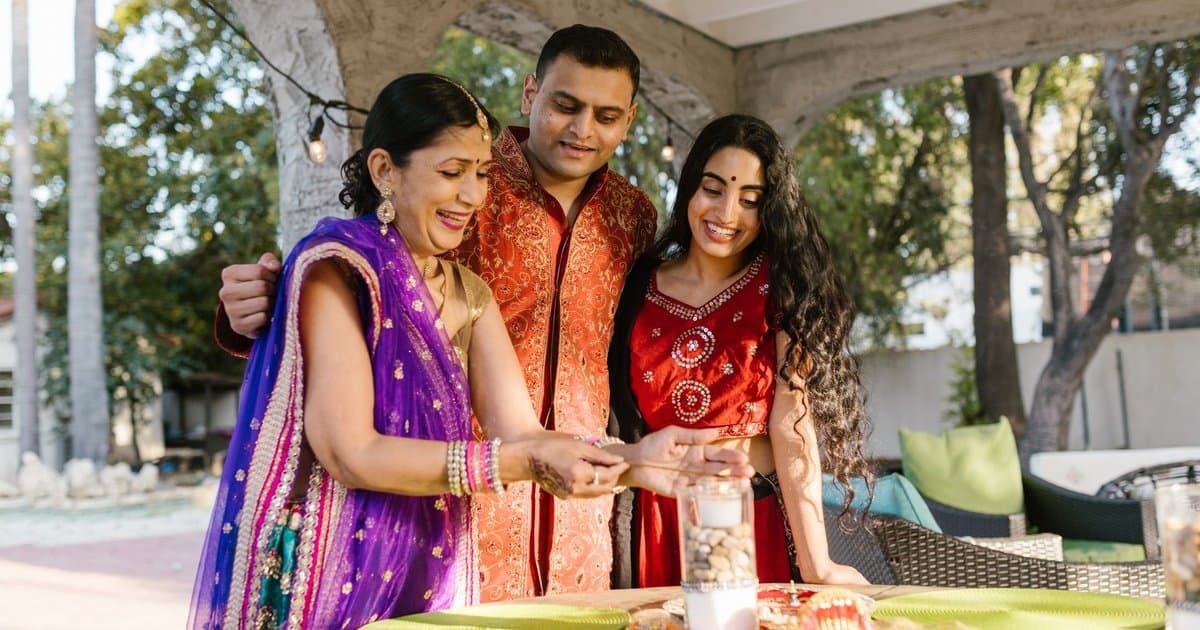
You can make Diwali meaningful with just two things: one lit lamp and one simple story. The best diwali celebration ideas for families and classrooms focus on sensory, hands-on activities that let children experience light, color, and generosity rather than watch from the sidelines. Pick two or three activities from this list, keep them simple, and repeat them each year.
Key Takeaways
- Lighting even one diya with a child creates a concrete, memorable Diwali tradition.
- Rangoli, cooking, and crafts work best when framed as play, not perfection.
- You don't need deep cultural knowledge to celebrate; intentionality matters most.
- Repetition across years builds meaning more than elaborate one-time events.
- Children learn Diwali's themes through their senses: flame, color, taste, and story.
Unique Ways to Celebrate Diwali at Home or in the Classroom
Celebrate Diwali in a unique way by focusing on what young children do best: touching, tasting, creating, and retelling stories. Skip the Pinterest-perfect setup. Instead, let kids lead one activity, whether that's placing lamps, pouring colored rice into patterns, or choosing what to wear. Their participation is what makes the celebration distinct.
According to BBC Tiny Happy People 3, fun Diwali activities for young children include making rangoli, sharing sweets, and exploring the story behind the festival. The key is keeping activities concrete. A toddler doesn't understand "triumph of good over evil" in the abstract, but they understand "we light this because light is strong and beautiful."
Light Diyas Together and Talk About What They Mean
Diyas (small clay oil lamps) are the heart of Diwali. They're inexpensive, widely available at Indian grocery stores or online, and children as young as two can place pre-lit diyas around a room with supervision. Older kids, ages four and up, can paint or decorate the clay beforehand.
Pair the ritual with a single sentence: "We light these to remember that light wins over darkness." That's enough. According to Western Union 2], lighting diyas and candles around the home is one of the most [traditional ways to celebrate Diwali. You don't need a script or a ceremony. The warmth of the flame and the act of placing it together does the teaching. If candles feel risky with very small children, battery-operated tea lights work fine for the placing ritual.
Create a Story Circle Around the Ramayana
Young children can't sit through the full Ramayana, and they don't need to. Break it into one scene per sitting: Rama's exile into the forest, the golden deer, the bridge to Lanka, the triumphant return home. Let kids ask questions, act out roles (Rama, Sita, Hanuman), or draw their favorite moment afterward.
Picture books like Amma, Tell Me About Diwali or Festival of Colors make the story accessible for ages three to seven. In classrooms, try creating a simple timeline on butcher paper, adding one scene each day leading up to Diwali. Repetition matters here. Children build understanding through re-hearing and re-enacting, not through a single telling.
Make Rangoli as Art, Not Perfection
Rangoli, the tradition of creating colorful floor designs, sounds intimidating. It isn't. Use colored sand, rice dyed with food coloring, flower petals, or even dry cereal. Tape a large circle on the floor or a piece of cardboard, and let kids pour materials freely.
Children ages two to four enjoy the sensory act of pouring and spreading. Kids five and older can plan simple geometric patterns or symmetrical designs. The most important thing to communicate: rangoli is temporary by design. You create something beautiful, then it fades or gets swept away. That impermanence is part of the meaning. For families exploring other seasonal crafts, similar low-pressure creative projects show up in mothers day crafts for kids and other holiday traditions.
Prepare Sweets Together and Share the Joy of Giving
Cooking mithai (sweets) teaches generosity in a way kids can taste. No-bake recipes work best for young helpers. Try coconut laddu: mix shredded coconut, condensed milk, and cardamom, then roll into balls. Children ages three and up can do the rolling.
The giving matters more than the recipe. Let kids decorate small boxes or bags, fill them with sweets, and deliver them to neighbors, teachers, or friends. According to BBC Tiny Happy People 3, sharing food is a central part of Diwali celebrations and one of the easiest ways to involve children. In classrooms, have each student bring one homemade sweet to share. The act of preparing something for someone else is where the lesson lives.
Set Up a Simple Lamp-Lighting Ceremony
An aarti is a short blessing ritual where a lamp is offered. You don't need religious expertise. Light a diya or candle, gather your family, and say something meaningful about hopes for the coming year. If you have a bell or singing bowl, ring it. Clapping works too.
Ask kids what they hope for. Their answers, often surprising and earnest, become the real ceremony. This works best as a quiet family moment rather than a performance. Many parents find that five minutes of stillness around a flame creates more lasting memory than an hour of decorating.
Decorate with Lights and Let Kids Lead
String lights, paper lanterns, and candles transform any room. Give children authority over the design. Where do the lights go? What colors? How many? Their ownership of the space makes the celebration feel like theirs, not something adults orchestrated for them.
DIY paper lanterns work for ages four and up: fold construction paper, cut slits, roll into a cylinder, and add a handle. According to Paperless Post 1, decorating your space with lights and color is one of the simplest and most impactful diwali celebration ideas for any gathering. For very young children, fairy lights are safer than candles and still create that warm glow that signals "tonight is special."
Create a "Lights of Hope" Craft
Have each family member or student decorate a paper lantern or star cutout with a wish for the year ahead. Younger kids draw pictures. Older kids write words. Hang them together on a string or in a window as a visual reminder that Diwali celebrates possibility.
Display them for the week of Diwali, then recycle. This reinforces the theme of impermanence while giving kids a tangible way to reflect. In classrooms, this becomes a collaborative installation where every student contributes, regardless of their background. Some parents also enjoy reading a personalized Diwali story with their child, since children respond powerfully to seeing themselves inside a festival narrative.
Wear Colors and Let Kids Choose
Diwali clothing is traditionally vibrant: deep reds, golds, purples, and oranges. Rather than dictating outfits, offer kids a colorful palette and let them mix, match, and accessorize. Scarves, bangles, or flower garlands add festive flair without requiring special purchases.
If you're wondering how to dress for Diwali when it's not your family's tradition, many parents find that choosing jewel tones and letting children pick their own accessories strikes the right balance. Kids care more about choosing than about "getting it right." Similar to how families approach personal Christmas story ideas or learn how to celebrate Mother's Day with young children, the goal is participation, not performance.
When Celebrating Diwali Feels Unfamiliar
Many parents and teachers hesitate because they worry about doing it wrong. Start small. Light one lamp. Read one book. Cook one sweet. That's a real celebration. According to Western Union 2, even simple traditions at home, like lighting candles and preparing a meal together, honor the spirit of Diwali.
Connect with families in your community who celebrate. Most are happy to share ideas or explain significance. Kids notice when adults try something new with sincerity, and that effort teaches its own lesson about curiosity and respect.
Keeping Diwali Meaningful Year After Year
Traditions stick when they're simple and repeated. Year one: light diyas and eat sweets. Year three: add the Ramayana and rangoli. Year five: kids lead the planning. Document each year with photos so children see the continuity of their family's celebration.
The repetition, not the complexity, builds meaning. Choose two or three activities your family loves and let everything else go.
Get practical parenting tips delivered weekly
Evidence-based guidance for the moments that matter. No spam, unsubscribe anytime.
Frequently Asked Questions
Keep reading
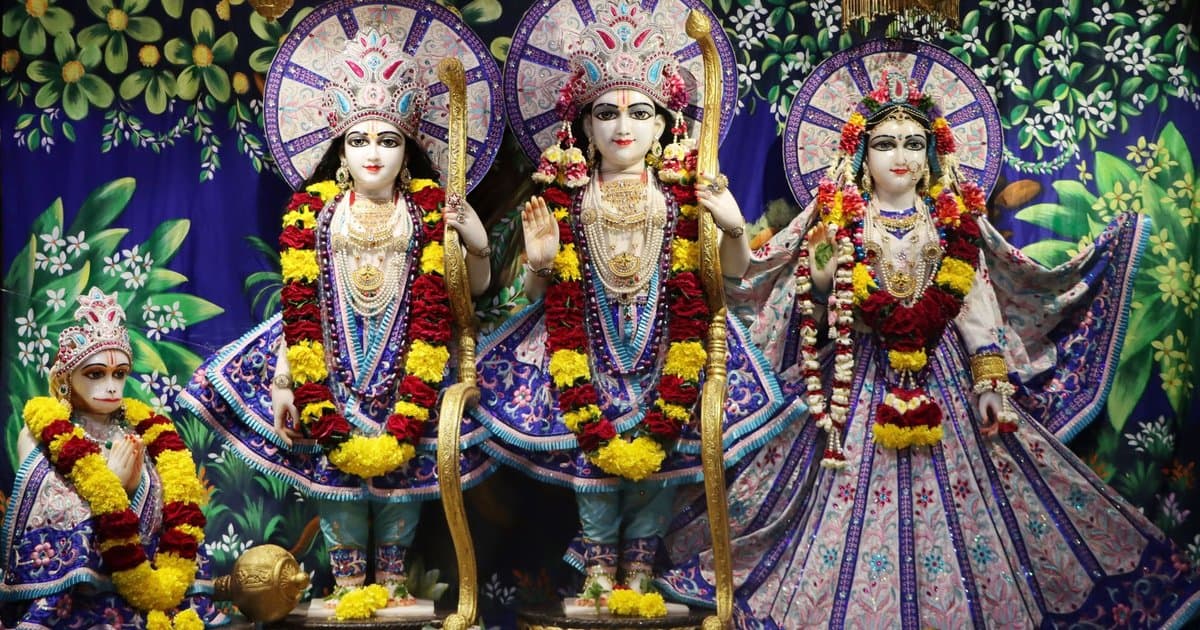
Diwali and the Ramayana: Understanding the Festival's Sacred Story
Learn how the Ramayana shapes Diwali celebrations across India. Explore Rama's 14-year journey, Ravana's complexity, and age-appropriate ways to teach children
10 min read

How to Prepare Your Child for a New Sibling (And What to Expect)
Learn how to prepare your child for a new sibling with age-appropriate strategies. Expect adjustment within 6-8 weeks with this practical guide.
8 min read

Cyberbullying: How to Help Your Child Respond and Recover
Help your child deal with cyberbullying in 4-6 weeks with consistent support. Learn documentation, reporting, and emotional recovery strategies.
10 min read
Get weekly parenting tips backed by research
Evidence-based guidance for the moments that matter. No spam, unsubscribe anytime.