Personal Christmas Story Ideas: 12 Meaningful Stories to Share
Create meaningful Christmas stories for children using real family moments. Learn 12 story ideas that build belonging, from traditions to acts of kindness.

Matt Li
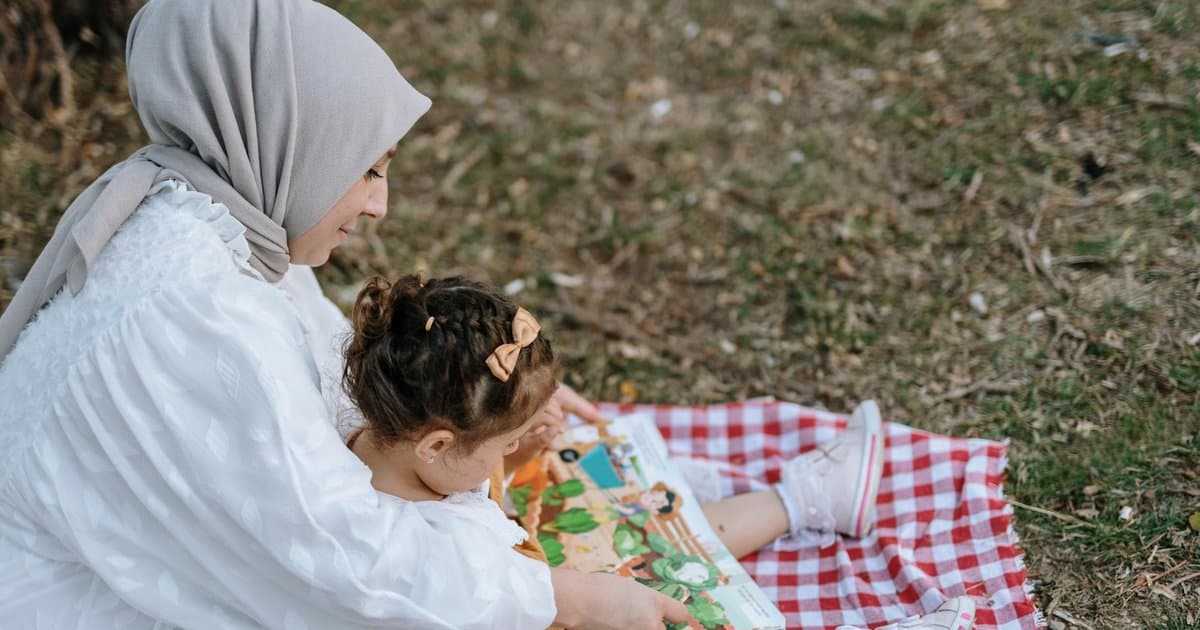
The most powerful personal Christmas story ideas come from moments your family has already lived: the year the power went out during dinner, your toddler's first attempt at hanging an ornament, or Grandma's secret cookie recipe that never quite turns out the same. You don't need writing talent or a dramatic plotline. You need one real moment, told with honest detail, starring the people your child loves most.
Key Takeaways
- Personal stories rooted in real family moments build children's sense of identity and belonging.
- Children remember stories about themselves more vividly than generic tales.
- Even imperfect or difficult holiday memories make meaningful, growth-building narratives.
- Oral storytelling, written keepsakes, and personalized books all work well.
- Stories as short as 500 words can be deeply meaningful for young children.
Stories Centered on Your Family's Unique Traditions
Every family has rituals that feel ordinary from the inside but magical to a child hearing them narrated as a story. Maybe your family drives around looking at Christmas lights in pajamas. Maybe you open one gift on Christmas Eve, or your uncle always reads the same poem before dinner.
Build a story around that single tradition. According to Fivush and Duke (2008) 1, children who know stories about family rituals and history show higher self-esteem and a stronger sense of belonging. Make your child the character who discovers why the tradition matters, perhaps by asking a grandparent how it started. Include the family members who participate, by name. Show the tradition through your child's specific perspective: what they see, smell, hear, and feel. A story about your family's specific Christmas Eve walk carries more emotional weight than any fictional tale about a generic holiday.
Stories About Helping Others During the Holidays
Children respond powerfully to stories where they're the helper, not the recipient. These narratives show your child delivering food to a neighbor, donating toys, making cards for a nursing home, or surprising someone who needs encouragement.
The key is making your child the active agent. They decide to help. They carry the basket. They knock on the door. According to ZERO TO THREE, toddlers as young as 18 months show emerging empathy and prosocial behavior when given opportunities to help. Include a moment where your child sees the impact of their kindness, even if it's small: a smile, a thank-you, a hug. And show that helping doesn't require money. A two-year-old who shares a candy cane with a sibling is just as generous as anyone. These stories teach values through experience rather than lecture.
Stories About Holiday Expectations Versus Reality
Real Christmas rarely matches the picture in anyone's head. Stories about a gift that wasn't what was expected, a family gathering that went sideways, or weather that cancelled plans can be some of the best personal Christmas story ideas you'll ever share.
What makes these stories valuable is their honesty. Research by Fivush (2011) 2 shows that children benefit from hearing "elaborated" family narratives, including stories about difficult emotions, because it helps them process their own feelings. Tell your child about the year the turkey burned and everyone ate cereal for Christmas dinner. Include your child's real reaction if they were there, or your own childhood reaction if it's your memory. End with the discovery that something unexpected turned out fine, or even better than the original plan. These stories normalize disappointment without toxic positivity.
Stories About Meeting Santa, Father Christmas, or Holiday Magic
Whether your family does Santa Claus, St. Nicholas, Father Christmas, or something entirely different, children are drawn to stories about encountering holiday wonder. A mysterious sound on the roof. A gift that appeared with no explanation. Footprints in the snow.
You can honor the magic of childhood without requiring your child to believe something specific. Focus on sensory details: the cold air, the jingle of bells, the glow of candles. Tell the story from your child's perspective and show their sense of wonder. One approach that works for some families is framing the story around a question rather than an answer. "We never did figure out who left those cookies" preserves mystery without deception. These stories are especially powerful for children ages 3 to 7, when magical thinking is a normal and healthy part of development, according to the American Academy of Pediatrics.
Stories About Holiday Discoveries and Firsts
A child's first time doing something during the holidays becomes a milestone when it's captured as a story. First ornament hung. First time staying up past bedtime for a holiday service. First snow. First time choosing the family tree.
Focus on a single moment, not an entire day. Describe what your child's face looked like when they saw the tree lot. What did they say? What surprised them? According to Nelson and Fivush (2004) 3, autobiographical memory, the ability to remember and make meaning from personal experiences, begins developing around age 3. Telling stories about your child's firsts helps them build this capacity. Show how the moment changed something, maybe they now insist on picking the tree every year, or that first ornament hangs in the same spot each December. These are stories your child will retell to their own children someday.
Stories About Winter Weather Adventures
Snow days, sledding mishaps, getting snowed in, building the world's worst snowman: these real-world adventures are rich material. They celebrate the season's outdoor magic and often involve unexpected fun that children find thrilling to hear about again and again.
Include a specific place. The hill behind the school. Grandpa's backyard. The parking lot that turns into a sledding run. Show your child's agency in the story. They decided to keep climbing the hill. They discovered the icicle hanging from the mailbox. Add an element of mild surprise or challenge, like boots that got soaked or a snowball fight that escalated. If you live somewhere without snow, a winter rainstorm, a trip to see mountains, or even a story about wishing for snow works just as well. The point is connecting your child to a specific season and a specific memory that belongs to them.
Stories About Extended Family Gatherings
Cousins, grandparents, aunts, uncles: family gatherings overflow with story material. Rather than narrating an entire event, zoom in on one specific interaction between your child and a particular relative.
Maybe your daughter sat on Great-Aunt Rita's lap and heard about Christmas in 1962. Maybe your son and his cousin built a blanket fort under the dining table. Feature that one bond and what makes it special. Include a detail that reveals your child's personality. Did they insist on sharing dessert? Did they hide behind your legs for the first twenty minutes, then end up leading the group in a game? Research on intergenerational storytelling, as discussed by Fivush and Duke (2008) 1, suggests that children who hear stories connecting them to extended family develop stronger resilience. These stories become especially precious if family members move away or pass on.
Stories About Holiday Cooking and Food Traditions
Food stories tap into memory and culture in ways few other stories can. Who makes the cookies? The stuffing? The special dessert that tastes different every time someone new attempts it?
These stories work best when they focus on the process, not just the finished dish. Show your child cracking eggs, stirring batter, or sneaking chocolate chips. Include the mess, the flour on the floor, the moment something went wrong. Connect the food to a person: "This is Nana's recipe, and she learned it from her mother." Even very young children can have a role in holiday cooking, and narrating that role in a story validates their contribution. A common pattern in families is that these food stories become the most requested at bedtime during December, because they combine comfort, sensory detail, and the people children love most.
Stories About Acts of Kindness Your Child Witnessed
Maybe a stranger paid for your groceries during a tough December. Maybe a neighbor shoveled your driveway without being asked. Maybe your child watched an older sibling share their most prized toy. Stories about witnessing generosity teach values through real experience.
Keep the situation specific. Who was involved? What exactly happened? Then show your child's emotional response. Were they confused? Moved? Inspired to do something similar? According to Brownell (2013) 4, children's capacity for prosocial behavior grows significantly between ages 2 and 5, and storytelling about kind acts reinforces this development. Explore how the moment shifted your child's understanding of giving. These don't need dramatic stakes. A five-year-old watching Dad leave extra cookies for the mail carrier is witnessing generosity in action, and that's worth a story.
Stories About Your Own Childhood Christmases
Children love knowing you were once a child too. Stories about your own holidays, told from your child-self's perspective rather than adult reflection, create connection across generations.
What did you feel? What scared you? What surprised you? Tell your child about the year you desperately wanted a specific toy and got socks instead. Or about the Christmas morning you woke up at 4 a.m. and couldn't go back to sleep. Include details that connect your childhood to their life now. "That old star on top of the tree? I picked that out when I was your age." These stories help children understand where traditions come from and why they matter. They also model vulnerability, showing your child that you experienced the same big feelings they do.
Stories About Overcoming Holiday Anxiety or Disappointment
Not every Christmas is joyful. Stories about handling loss, missing a faraway parent, financial stress, or a holiday that felt lonely teach your child that difficult feelings are normal and survivable.
You don't need to dwell on sadness. Acknowledge the feeling authentically, then show a practical coping strategy or a moment of unexpected comfort. "I was really missing Grandpa that year. So we lit a candle for him and told our favorite stories about his terrible jokes." These narratives, when shared age-appropriately, help children build emotional vocabulary. Pediatric psychologists often suggest that social stories for teaching kids emotional skills are most effective when grounded in real situations the child can relate to. End with genuine hope, not forced cheerfulness.
Stories About Your Child's Creative Contributions
Your child made decorations. Chose the wrapping paper. Planned the menu. Organized a game for cousins. Stories about their creative input make them feel genuinely part of building the holiday, not just receiving it.
Start with their initial idea. Where did it come from? Then show the process, including the struggles. The paper chain that kept ripping. The cookies that looked nothing like the recipe photo. End with how others responded. Did Grandma hang the handmade ornament front and center? Did everyone play the game they invented? These stories reinforce what developmental psychologists call "agency," a child's sense that their actions matter and shape the world around them. For children ages 4 to 8, hearing about their contributions builds confidence and encourages them to keep creating.
How Personalized Stories Deepen Holiday Meaning
A story your child appears in by name, with their real personality and actual choices, becomes more than entertainment. It becomes proof that they belong. Seeing themselves as the main character of a Christmas adventure reinforces that their presence matters to the family story.
Research on narrative identity, as outlined by McAdams and McLean (2013) 5], shows that personal stories are central to how people develop a sense of self. This process starts in early childhood. [Personalized Christmas books and custom storybooks offer one way to turn your personal Christmas story ideas into a tangible keepsake. Some parents find that a personalized Christmas adventure story helps their child see themselves navigating holiday experiences with confidence, because the character on the page is unmistakably them.
When to Share Your Family's Christmas Stories
The best moments for storytelling are often unstructured: car rides to see lights, quiet evenings while decorating, or the restless hour before bedtime on Christmas Eve. Stories shared during the season itself create immediate connection to the traditions unfolding around your child.
Oral storytelling keeps traditions alive in real time and invites your child to add their own details. Written or printed stories become keepsakes children revisit for years. Photo-tied stories, where you point to family pictures while narrating, add context that helps younger children follow along. There's no wrong format. A handwritten letter, a recorded voice memo, or a bound book all serve the same purpose: anchoring your child in a story that is specifically, undeniably theirs.
Turning Story Ideas Into a Lasting Keepsake
Once you've chosen your story idea, how you capture it matters. A handwritten letter tucked into a stocking, a simple printed booklet, or a beautifully illustrated personalized book all transform a fleeting idea into something your child will hold onto.
Include your child's real name and details only they would recognize. Physical keepsakes survive in ways that spoken stories sometimes don't, becoming objects children carry into adulthood and share with their own families. Some parents create a new story each year, building a collection that documents their child's growth. Others focus on one perfect story that captures a specific Christmas. Either approach works. What matters is that the story is true to your family, honest about the imperfect moments, and told with the kind of detail that makes your child say, "Tell me that one again."
Get practical parenting tips delivered weekly
Evidence-based guidance for the moments that matter. No spam, unsubscribe anytime.
Keep reading
How to Create a Dog Memorial Book (With Printable Templates)
Create a dog memorial book with photos, stories, and mementos. Learn 5 organizational tips and design ideas for honoring your pet's memory.
8 min read

How to Write a Wedding Speech for Your Aunt and Uncle (With Examples)
Write a heartfelt 3-5 minute wedding speech for your aunt and uncle. Follow this proven structure with character-focused stories and authentic delivery tips.
7 min read

Cat Memorial Book Ideas: Creating a Lasting Tribute
Create a cat memorial book with photos, memories, and keepsakes. Learn 6 meaningful ways to honor your pet and process grief with this personalized tribute.
7 min read
Get weekly parenting tips backed by research
Evidence-based guidance for the moments that matter. No spam, unsubscribe anytime.