Mother's Day Crafts for Kids: 15 Meaningful Projects That Actually Work
Find the best Mother's Day crafts for kids by age group. Easy toddler projects, school-age creations, and last-minute ideas with minimal cleanup.

Matt Li
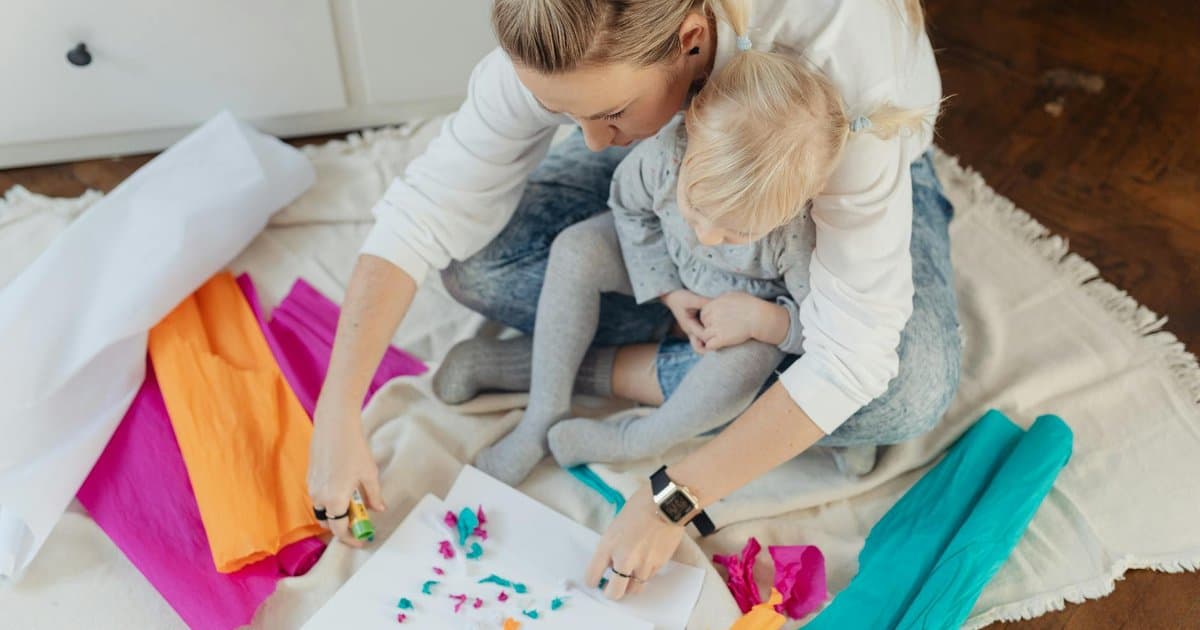
The best Mother's Day crafts for kids are ones that match your child's age, use supplies you already have, and finish before anyone melts down. Handprint art and stamping projects work for toddlers (ages 2 to 4), while school-age kids thrive with multi-step projects like decorated plant pots, coupon books, and paper flower bouquets. Skip the Pinterest pressure and focus on crafts your child can mostly do independently.
Key Takeaways
- Toddler crafts should take 10 to 15 minutes with minimal fine motor demands.
- School-age kids can handle 20- to 40-minute projects with multiple steps.
- Upcycled materials like egg cartons and toilet paper tubes make impressive gifts.
- Not all kids enjoy crafting, and alternative gifts work just as well.
- Preparation and realistic expectations prevent craft-time meltdowns.
Toddler-Friendly Mother's Day Crafts (Ages 2–4)
Toddlers need projects that forgive mistakes, finish fast, and survive messy hands. According to ZERO TO THREE, children under age 3 are still developing basic grasp patterns and hand-eye coordination 1, so single-step activities work best.
Handprint and footprint art is the classic for good reason. Press a painted hand onto cardstock, let it dry, and you have a keepsake. Salt dough handprints (one cup salt, one cup flour, half cup water) create ornaments that last for years.
Stamping with household items keeps toddlers engaged without requiring precision. Cut a celery bunch at the base and it becomes a rose stamp. Sponge pieces, cork ends, and crumpled foil all create interesting textures on paper.
Sensory playdough cards let toddlers squish and press shapes onto folded cardstock. Add dried flowers or sequins for texture. These projects take 10 to 15 minutes, which is exactly right for this age group's attention span.
School-Age Mother's Day Crafts (Ages 5–8)
Kids in this range can follow multi-step directions, use scissors safely, and feel genuinely proud of their results. A study published in Early Childhood Education Journal found that craft activities in this age group strengthen planning skills and emotional expression 2.
Paper flower bouquets are a favorite. Fold tissue paper accordion-style, pinch the center with a pipe cleaner, and fan out the petals. A bouquet of five or six flowers in a decorated jar looks impressive and takes about 30 minutes.
Coupon books let kids offer specific, meaningful gifts: "One breakfast in bed," "I'll set the table for a week," or "Extra hugs on demand." Fold cardstock into small booklets and let kids illustrate each coupon.
Decorated keepsake boxes work well too. Cover a small cardboard box with paint, stickers, and collage materials. Mom can use it for jewelry, notes, or small treasures. If you're looking for DIY handmade teacher gifts kids can create, these same techniques scale nicely for other recipients.
No-Mess Mother's Day Craft Ideas for Busy Days
Some days you cannot handle paint. That's fine. Plenty of Mother's Day crafts for kids require almost zero cleanup.
Printable cards and coloring pages need only crayons or markers. Many free templates are available from library and educator sites. Kids add personal messages and drawings to make them unique.
Magazine collages are surprisingly satisfying. Give kids old magazines, scissors, a glue stick, and a piece of cardstock. Ask them to cut out things that remind them of mom. The results are often funny, sweet, and revealing.
Painted rocks need only acrylic paint pens (which don't spill like liquid paint) and smooth stones from the yard. Kids write "I love you," draw hearts, or paint simple flowers. Set them on a paper plate to dry, and cleanup takes about 90 seconds.
Tissue paper suncatchers use contact paper, tissue paper scraps, and a window. Stick the tissue pieces to the sticky side of contact paper, seal with a second sheet, and hang. Bright, beautiful, and zero mess.
Classroom-Ready Mother's Day Crafts for Teachers
When you're managing 20 kids and one glue bottle, you need crafts that are scalable and forgiving. Pre-cutting materials is the single most important time-saver, according to guidance from the National Association for the Education of Young Children (NAEYC) on art activities for group settings 3.
Assembly-line flower cards work well. Pre-cut stems, leaves, and petal shapes. Kids glue them onto folded cardstock and add their own drawings or messages. Every card looks different, but every child succeeds.
Salt dough keepsakes scale surprisingly well. Mix a large batch, portion it out, and let each child press a handprint or thumbprint into a flattened piece. Poke a hole for hanging, bake at 200°F for two hours, and paint the following day.
Stamped gift bags are another reliable option. Give each child a plain paper bag, a few stamps or sponge shapes, and an ink pad. Add tissue paper and a handwritten note inside. Parents genuinely love receiving these, and the activity runs smoothly with minimal supervision.
Last-Minute Mother's Day Crafts (24 Hours or Less)
Mother's Day has a way of arriving faster than expected. If you need last-minute Mother's Day gifts from kids, these crafts require no drying time and use supplies from around the house.
Paper plate flowers take five minutes. Fold a paper plate in half, cut a simple petal shape, unfold, and paint or color. Tape to a popsicle stick or straw for a stem.
Quick coupon books need only cardstock, a ruler, scissors, and markers. Cut cardstock into small rectangles, write one coupon per card, and staple together with a decorated cover.
Traced handprint art uses markers instead of paint, which means no drying time. Trace your child's hand on colored paper, cut it out, and glue it to a card with a written message. Simple, personal, and finished in 15 minutes.
Folded paper envelopes filled with small drawings or notes create a treasure for mom to open one at a time. Kids who enjoy writing or drawing can make five to ten tiny artworks in half an hour.
Mother's Day Crafts That Actually Get Displayed
The crafts that survive past May are the ones mom can actually use. Functional gifts get displayed on shelves and windowsills, not buried in drawers.
Decorated plant pots are a top pick. Terra cotta pots from the dollar store take acrylic paint beautifully. Kids paint designs, add fingerprint flowers, or write messages. Add a small succulent or herb, and mom has a living gift.
Painted photo frames work for any age. Wooden craft frames (under two dollars each) can be painted, stamped, or covered in collage materials. Insert a photo of the child and mom together.
Handprint canvases from craft stores come pre-stretched and ready to paint. A child's handprint in the center with painted flowers growing from the fingers creates wall-worthy art. According to research on children's artistic development by Lowenfeld and Brittain (1987), children between ages 4 and 7 are in the "schematic stage" where their artwork becomes representational and deeply meaningful to them 4.
Sensory and Accessible Mother's Day Crafts
Not every child processes art the same way. Kids with fine motor delays, sensory sensitivities, or neurodivergent profiles may need adapted activities. Occupational therapists often recommend tearing paper instead of cutting it, which builds hand strength while removing the precision barrier.
Textured collages using fabric scraps, felt, sandpaper, and corrugated cardboard give tactile input that many kids find regulating. Glue pieces onto heavy cardstock for a sturdy finished product.
Stamping and printing activities require less precision than drawing or cutting. Foam stamps, potato stamps, and even finger-painting let kids create patterns without frustration.
Scented playdough projects add an olfactory dimension. Mix lavender or vanilla extract into homemade playdough for a sensory-rich experience. Kids can shape hearts, flowers, or simple bowls. The goal is equal participation, because every child deserves to feel successful making something for someone they love.
Upcycled and Budget-Friendly Mother's Day Crafts
You don't need a craft store trip. Some of the most charming Mother's Day crafts for kids come from recycling bins and kitchen drawers.
Toilet paper tube flowers are a staple. Flatten tubes, cut them into petal-shaped rings, arrange in a flower pattern, glue together, and paint. The results look surprisingly elegant.
Egg carton flower arrangements use individual cups cut from cardboard egg cartons. Paint each cup a different color, poke a pipe cleaner through the bottom for a stem, and arrange in a jar. A dozen "flowers" cost essentially nothing.
Jar decorating transforms pasta sauce jars into vases, pencil holders, or candy dishes. Clean the jar, paint it with acrylic or cover it in tissue paper and Mod Podge, and add ribbon or stickers. Research from NAEYC emphasizes that open-ended art with recycled materials encourages creative thinking more effectively than pre-made kits 3.
When Kids Resist Crafting (and What to Do Instead)
Some children simply don't enjoy crafting. Forcing it creates stress for everyone and sends the wrong message about what Mother's Day means. One approach that works for some families is redirecting energy toward the child's actual strengths.
Baking together appeals to kids who like measuring, mixing, and eating results. Simple muffins, decorated cookies, or even toast with jam arranged in a heart shape all count.
Writing a letter or drawing a picture suits kids who prefer working independently and quietly. Provide nice paper and a prompt like "Three things I love about Mom" and let them work.
Planning a special outing lets active kids channel their energy. They can make a map, create clues for a scavenger hunt, or plan a picnic menu. For kids who love being read to, pairing the day with Mother's Day books for preschoolers can feel just as special as a handmade gift.
Tips for Craft Success with Minimal Stress
Preparation separates a fun craft session from a chaotic one. Lay out all supplies before calling kids to the table. Pre-portion paint into small cups, pre-cut tricky shapes, and cover surfaces with newspaper or a cheap plastic tablecloth.
Model the craft first, then let kids freestyle. Show the general idea without creating a "perfect" example they'll feel pressured to match. Say "here's one way to do it" instead of "do it like this."
Accept imperfection out loud. When a flower looks lopsided, say "I love how that one leans, it looks like it's dancing." Kids take cues from your reaction. If you seem disappointed, they will be too.
Build in breaks for kids under age 5. A 10-minute craft, a 5-minute snack, and then finishing touches works better than 25 straight minutes of sitting. Keep wet wipes within arm's reach at all times.
Personalized Books as a Companion Gift
Some parents find that reading a personalized story about celebrating mom helps because children see themselves navigating the situation successfully. A book like a personalized "Why I Love Mom" story pairs well with a handmade card or painted pot, giving kids multiple ways to express what mom means to them. This works especially well for children who struggle with traditional crafting but love stories and reading.
Troubleshooting Common Mother's Day Craft Problems
Glue gun burns are preventable. Use white school glue or glue sticks for kids under 8. They dry slower, but that's actually an advantage since kids can reposition pieces.
Scissors frustration is real. Pre-cut materials for children under 5, and provide spring-loaded scissors for kids still building hand strength. Tearing paper is a perfectly valid alternative.
Paint spills happen. Pour small amounts into muffin tin cups instead of letting kids access the whole bottle. Have a damp cloth ready, not for scolding, but for quick cleanup so the activity can continue.
Frustration meltdowns usually mean the project was too complex. Pivot without shame. Say "Let's try something different" rather than pushing through tears. The craft is supposed to be joyful.
Get practical parenting tips delivered weekly
Evidence-based guidance for the moments that matter. No spam, unsubscribe anytime.
Frequently Asked Questions
Keep reading
How to Create a Dog Memorial Book (With Printable Templates)
Create a dog memorial book with photos, stories, and mementos. Learn 5 organizational tips and design ideas for honoring your pet's memory.
8 min read

How to Write a Wedding Speech for Your Aunt and Uncle (With Examples)
Write a heartfelt 3-5 minute wedding speech for your aunt and uncle. Follow this proven structure with character-focused stories and authentic delivery tips.
7 min read

Cat Memorial Book Ideas: Creating a Lasting Tribute
Create a cat memorial book with photos, memories, and keepsakes. Learn 6 meaningful ways to honor your pet and process grief with this personalized tribute.
7 min read
Get weekly parenting tips backed by research
Evidence-based guidance for the moments that matter. No spam, unsubscribe anytime.