DIY Handmade Teacher Gifts Kids Can Actually Create
Learn 8 easy handmade teacher gift projects kids can create in one class period. Student-made gifts teachers actually keep and use with simple materials.
Erika Wong
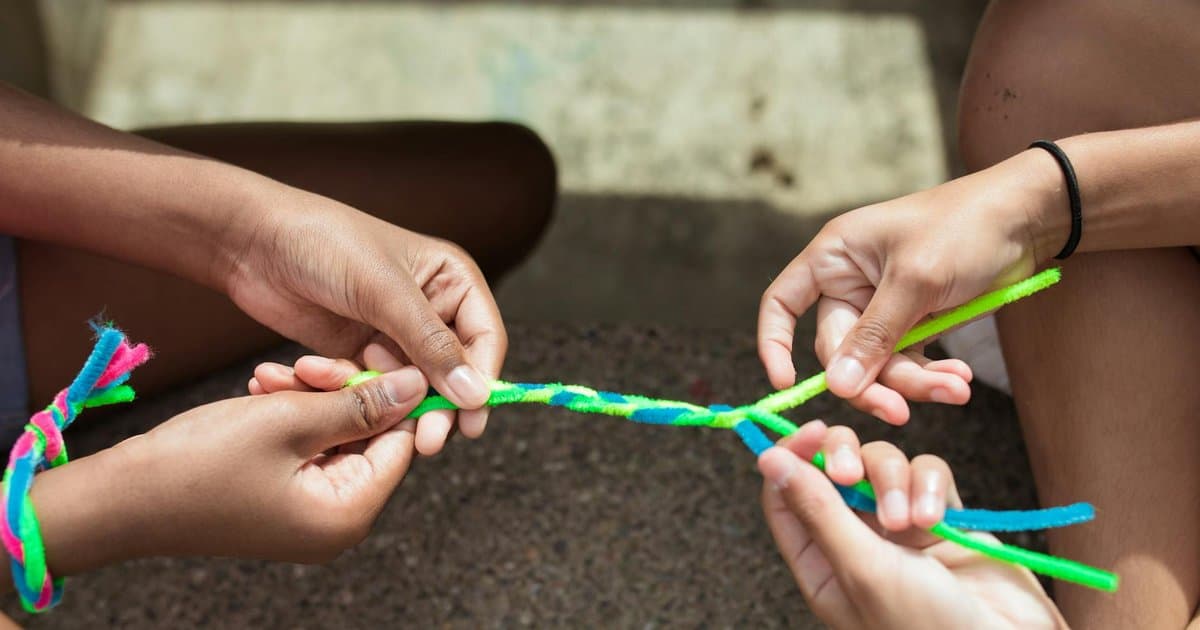
Your child comes home with a crumpled flyer: Teacher Appreciation Week starts Monday. You stare at it, mentally scrolling through Pinterest boards full of elaborate projects that clearly no seven-year-old made alone. The good news? Teacher appreciation gifts handmade by students don't need to be polished or Pinterest-perfect. In fact, teachers overwhelmingly prefer the imperfect, heartfelt creations that clearly came from a child's hands.
This guide covers practical, affordable projects that K-5 students can genuinely complete, why handmade gifts carry real emotional weight, and how to support your child's creativity without accidentally taking over the whole thing.
Why Handmade Teacher Gifts Matter More Than Store-Bought
Teachers don't keep most gift cards. They use them, appreciate them, and move on. But a painted rock with a child's wobbly handwriting? That stays on the desk for years.
Research on gift-giving psychology supports this. According to Flynn and Adams (2009) 1, recipients consistently value gifts that demonstrate thoughtfulness and effort over monetary cost. For teachers, student-made gifts signal something specific: this child spent time thinking about me.
A 2014 survey by the National Education Association found that teachers ranked heartfelt notes and handmade items among their most treasured gifts. The emotional resonance outlasts the physical object. Many educators report keeping student-made cards and crafts for decades, long after the child has graduated.
For children, the act of creating also matters. Making something for someone else builds empathy, gratitude, and a sense of agency. Your child remembers the making as much as the giving.
What Makes a Student-Made Gift Actually Work
Not all craft projects translate well into teacher gifts. The best ones share a few key traits: they're completable in 30 to 60 minutes, they cost under $2 per student in materials, and they leave room for individual expression so no two gifts look identical.
Projects should match your child's developmental stage. A kindergartner can stamp a handprint onto a ceramic plate. A fifth grader can write a detailed gratitude letter with a watercolor border. Both are meaningful, but forcing a five-year-old through a complex collage project leads to frustration, not appreciation.
According to the NAEYC, developmentally appropriate practice means meeting children where they are, not where adults wish they were. Choose projects that let your child succeed independently. The messiness is the point.
8 Teacher Appreciation Gifts Handmade by Students in One Class Period
Here are eight projects that real kids can finish during a single session. Each one uses inexpensive materials and produces something teachers will actually keep or use.
- Decorated pencil holders from cleaned tin cans or paper cups
- Hand-painted ceramic mugs using ceramic markers
- Personalized coupon booklets for classroom help
- Handwritten quote or recipe cards with decorative borders
- Popsicle stick picture frames with student artwork
- Painted kindness stones with sealed acrylic designs
- Collage thank-you cards mixing magazine cutouts and drawings
- Laminated bookmarks with student names and illustrations
Each project appears in detail below with specific instructions and material lists.
Pencil Holder and Desk Organizer Projects
Start with a clean tin can, plastic cup, or small cardboard box. Have your child wrap it in decorative paper or paint it directly with acrylic craft paint. Once dry, add embellishments: ribbon, washi tape, stickers, or hand-drawn designs with paint markers.
This project works well for ages 5 through 11 because each child controls the complexity. A younger student might cover the can in stickers and call it done. An older student might paint a detailed scene. Both produce functional gifts that teachers use daily.
Material cost per student runs about $0.50 to $1.50 when you buy supplies in bulk. Dollar stores carry acrylic paint, decorative tape, and ribbon. You can also check your school's supply closet for leftover materials from previous art projects. Include a small folded note inside explaining the gift: "For your favorite pens!"
Personalized Coupon Booklets Teachers Actually Redeem
Cut cardstock into small rectangles (about 3 x 5 inches). Each rectangle becomes one coupon. Students write offers that reflect real classroom life: "Good for one line-leader shift," "Good for a clean whiteboard," "Good for a joke at circle time."
Bind the coupons with a brass brad, hole punch and yarn, or a simple staple. Have your child decorate the front cover with the teacher's name and a drawing.
What makes these special is specificity. Generic coupons feel hollow, but a coupon that says "I will read to the class during snack time" shows the child understands what their teacher values. Teachers report actually redeeming these, which extends the gift's lifespan well beyond the giving moment.
This project costs virtually nothing. You need cardstock, something to write with, and a fastener. Total cost: under $0.25 per booklet.
Hand-Painted Mugs and Small Ceramic Gifts
Ceramic paint markers (available at most craft stores for $8 to $12 per pack) make this project accessible even for young children. Plain white mugs cost about $1 each at dollar stores. Students draw designs directly onto the mug: handprints, patterns, their name, or a small illustration.
To make the design permanent, bake the finished mug at 350°F for 30 minutes, then let it cool completely inside the oven. This sets the paint so it survives hand washing. Note that these mugs won't be dishwasher-safe, so include a small tag mentioning hand-wash only.
Students can write a hidden message on the bottom of the mug or along the inside of the handle. Pair the finished mug with a tea bag or hot chocolate packet for a complete gift. This project works best for children ages 6 and up who have the fine motor control to grip a paint marker steadily.
Gratitude Cards With Personal Touches
A thank-you card might seem too simple, but it's often the gift teachers treasure most. The key difference between a forgettable card and a keepsake is specificity. Instead of "You're the best teacher ever," encourage your child to write something concrete: "Thank you for reading us Charlotte's Web. The ending made me cry."
Use heavy cardstock to prevent warping from markers or watercolors. Have your child create a decorative border first, then write the message inside. Younger children can dictate their message to a parent who writes it lightly in pencil for the child to trace.
According to Froh et al. (2009) 2, children who practice expressing specific gratitude show increases in positive emotions and life satisfaction. Writing a detailed thank-you card isn't just a gift for the teacher. It's an emotional exercise that benefits the child, too. Laminate finished cards if you have access to a laminator, since this helps them survive years of handling.
Decorated Picture Frames and Bookmarks
For frames, glue four popsicle sticks into a square. Students paint or decorate the sticks, then glue a class photo, drawing, or printed message to the back. Add a small magnet strip so teachers can display it on a filing cabinet.
Bookmarks require even less: cut cardstock into 2 x 6 inch strips. Students decorate both sides with colored pencils, markers, or small sticker designs, then add their name and a short message. Laminating the bookmark makes it durable enough to last the school year.
Both projects accommodate wide ability ranges. A kindergartner can cover a popsicle frame in glitter glue. A fourth grader can create an intricate watercolor bookmark. Material cost stays under $1 per student for either project. Teachers use bookmarks constantly and display frames on desks, shelves, and refrigerators at home.
Rock Art and Kindness Stones
Collect smooth, flat rocks ahead of time from nature walks or purchase river rocks in bulk from craft stores (about $5 for a large bag). Students paint designs using acrylic craft paint: words like "Breathe" or "Kindness," simple patterns, or small illustrations.
Once dry, seal each rock with a clear acrylic spray or brush-on sealer. This protects the design from weather and handling. The sealing step should be done by an adult in a well-ventilated area.
Painted rocks work as garden markers, desk decorations, or paperweights. Some teachers collect them year after year, building a small display. The project takes about 20 minutes of active painting time plus drying time, making it ideal for a classroom session where students rotate between activities.
Best Timing and Context for Handmade Gifts
Teacher Appreciation Week (the first full week of May) is the obvious choice, but it's not the only one. End-of-year gifts feel like meaningful closings. A handmade gift when a teacher returns from leave, or after a particularly challenging school period, can carry even more weight.
Group projects (where each student contributes one piece to a larger gift) work well during class time and reduce pressure on individual families. A class quilt made of decorated fabric squares, or a jar filled with individual thank-you notes, distributes the effort evenly.
Individual gifts from your child feel more intimate. If you're making something at home, choose a weekend afternoon when nobody is rushed. According to Roskos and Christie (2011) 3, children engage more deeply in creative tasks when they feel unhurried and supported, not pressured to perform.
Helping Your Child Create Without Taking Over
Adults hijack craft projects constantly, usually with good intentions. You notice the letters are crooked. You want to "just fix this one part." Before you know it, you've made the entire gift yourself.
Resist. Teachers can tell the difference between a child's authentic work and an adult's polished version. The crooked letters, uneven paint, and misspelled words are precisely what makes student-made gifts meaningful.
Set up materials and give basic instructions, then step back. Ask open-ended questions instead of directing: "What color do you think Ms. Rivera would like?" rather than "Use blue, it's her favorite." Celebrate effort when the project is done. Say "You worked really hard on that" instead of commenting on how it looks.
Research from Ginsburg (2007) 4, published through the American Academy of Pediatrics, emphasizes that child-directed creative activities build confidence and self-expression. Let the gift be theirs.
Budget-Friendly Materials and Where to Find Them
You don't need a craft store haul. Most projects work with items you already have: cleaned containers, leftover paint, construction paper scraps, old magazines for collage material. Dollar stores fill gaps cheaply, carrying acrylic paint, markers, stickers, small frames, and cardstock.
For classroom-wide projects, buying in bulk drops per-student costs dramatically. A pack of 50 popsicle sticks costs about $2. A bulk bag of river rocks runs $5 to $8. A set of ceramic markers serves an entire class.
Check with your school's art teacher before purchasing anything. Many schools have surplus supplies from previous projects sitting unused in closets. Parent-teacher organizations sometimes fund appreciation week materials, too. A realistic budget is $1 to $2 per student for most handmade projects.
When to Skip Handmade Gifts or Modify the Plan
Some teachers have allergies to certain craft paints or strong adhesives. Others have tiny desks with no display space. A few genuinely prefer gift cards or charitable donations made in their name.
If you're unsure, ask. A quick email ("Would you enjoy a handmade gift from child's name, or is there something you'd prefer?") shows thoughtfulness, not awkwardness. Most teachers will enthusiastically welcome handmade items, but respecting their preferences matters.
For teachers who prefer consumables, consider handmade items that get used up: a decorated envelope filled with individually wrapped candies, or a hand-painted label on a jar of homemade trail mix. The handmade element remains without adding permanent clutter.
Combining Handmade Crafts With Personalized Stories
Some families pair a handmade craft with a personalized children's book that features the child and teacher by name. Reading a story where your child navigates gratitude or friendship alongside their teacher creates an additional layer of meaning. It gives the teacher a keepsake that celebrates the specific relationship, not just the role.
This combination works especially well for end-of-year gifts or when a beloved teacher is leaving the school. The handmade item plus the story together feel thoughtful without feeling excessive.
Get practical parenting tips delivered weekly
Evidence-based guidance for the moments that matter. No spam, unsubscribe anytime.
Frequently Asked Questions
Keep reading

Supporting Siblings During NICU Stay: What Parents Need to Know
Help siblings cope with NICU stress through honest explanations, routines, and connection activities. Most behavioral changes resolve within weeks of discharge.
10 min read
Teaching Empathy Through Children's Stories: A Practical Guide
Learn how to teach empathy through children's stories with practical techniques. Research shows kids develop stronger peer relationships with regular diverse
10 min read

How to Motivate Students on Classroom Behavior (Strategies That Work)
Master 8 proven strategies to motivate students on classroom behavior. Learn why specific praise and consistency outperform rewards, plus tools that work.
9 min read
Get weekly parenting tips backed by research
Evidence-based guidance for the moments that matter. No spam, unsubscribe anytime.