Father's Day Gifts From Toddlers: 11 Ideas They'll Actually Help Create
Discover 11 Father's Day gift ideas toddlers can help create. Handmade keepsakes, painted mugs, photo books & more. Simple 10-20 minute crafts under $15.

Matt Li
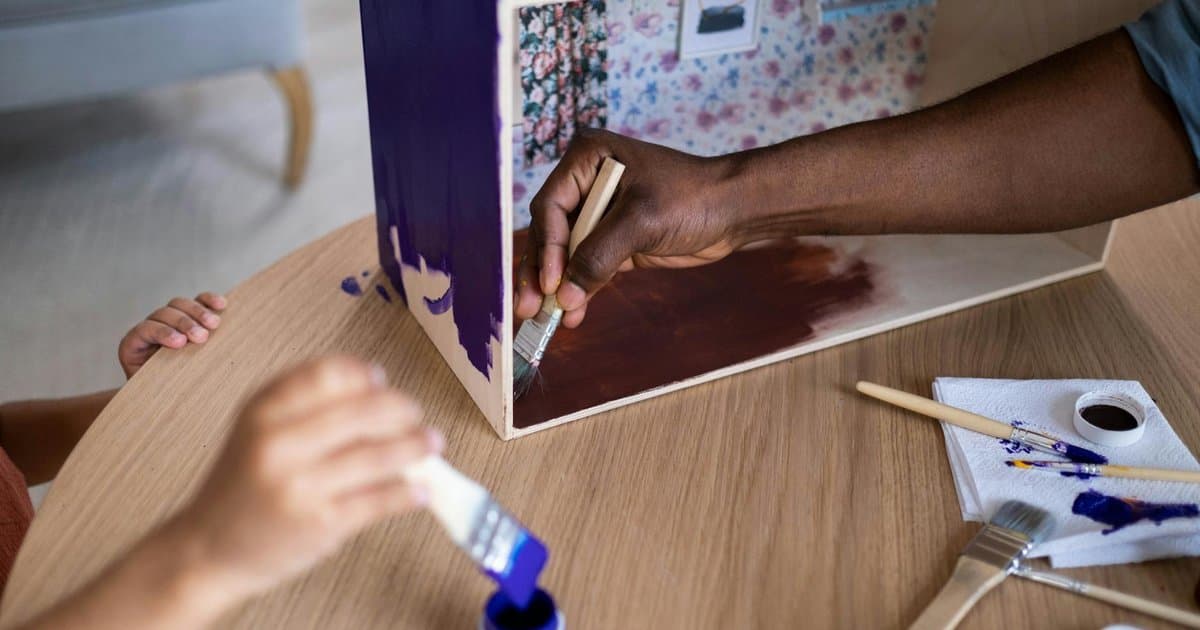
The best Father's Day gifts from toddlers are handprint keepsakes, painted mugs, custom photo books, and coupon books your child helps decorate. Toddlers ages 1 to 3 can realistically participate in simple crafts that take 10 to 20 minutes, and the imperfect results are exactly what makes these gifts meaningful. Dads consistently rank handmade items from their young children as their most treasured possessions, often keeping them for decades.
Key Takeaways
- Handprint and footprint crafts preserve your toddler's exact size at this age.
- Toddlers under 2 need your hands guiding the project; that's perfectly fine.
- Keep craft sessions under 20 minutes to avoid frustration and meltdowns.
- Most handmade Father's Day gifts cost under $15 in materials.
- Dads treasure the story behind the gift more than the gift itself.
Why Toddler-Made Gifts Matter More Than You Think
A handmade gift captures a specific moment in your child's development. That tiny handprint in clay, the wobbly crayon marks, the photo of a 2-year-old covered in paint: these document exactly who your child was at this age. According to research from ZERO TO THREE (2016) 1, young children develop attachment security partly through shared rituals and experiences, and creating something together builds that connection.
Dads notice this. Surveys from the Pew Research Center (2023) 2 show that 57% of fathers say being a parent is central to their identity. A gift that reflects that role carries emotional weight no store-bought item can match. The effort you put into organizing the craft, even if your toddler contributed only a paint smear and a sticker, shows dad that his role is valued.
Simple projects also reduce frustration for everyone. A toddler who scribbles for three minutes and walks away has still participated meaningfully.
Handprint and Footprint Keepsakes
Handprint crafts are the gold standard of Father's Day gifts from toddlers because they require almost no skill and freeze your child's size in time. Air-dry clay imprints are the most durable option. Press your toddler's hand or foot firmly into a rolled-out slab, let it dry for 24 to 48 hours, then paint or leave it natural.
Painted handprints on canvas work beautifully too. Use non-toxic washable paint, press your child's hand onto a stretched canvas, and add a date and message once it dries. The whole process takes about 15 minutes. Some parents turn prints into animals (a handprint butterfly, a footprint dinosaur) for extra charm.
For a wearable version, companies like Etsy artisans offer custom keychains and cufflinks made from actual handprint impressions. These cost $15 to $40 and give dad something he carries daily. Always date the back so he can track growth year after year.
Custom Photo Books and Printed Keepsakes
A small photo book featuring your toddler and dad together feels deeply personal without requiring any craft skills. Services like Shutterfly and Chatbooks let you assemble a book in under 30 minutes from your phone. Choose 10 to 15 photos showing everyday moments: bath time, park trips, silly faces at dinner.
Let your toddler participate by pointing at favorite photos or decorating the cover with stickers. Even a 14-month-old can slap a sticker onto cardstock with enthusiastic imprecision.
Printed canvases or metal prints of a single standout photo make striking alternatives. A high-quality canvas print runs $20 to $50 depending on size. Include a handwritten note about what dad means to your family. According to the NAEYC's guidance on early literacy, children who see adults valuing printed materials develop stronger connections to reading and storytelling 3. That photo book on the shelf becomes part of your family's narrative.
Personalized Storybook About Dad and Child
A personalized children's book featuring your toddler and dad as characters works as both an immediate gift and a long-term keepsake. Your child sees themselves in the story alongside dad, which reinforces the father-child bond every time they read it together. A book like Why I Love Dad lets your toddler be part of the narrative in a way that grows more meaningful as they learn to read independently.
If you're looking for personalized books for dad from daughter, there are options tailored to that relationship specifically. Some parents find that reading a personalized story about their family helps because children see themselves navigating real emotions and relationships successfully.
The beauty of a book gift is repetition. Dad reads it at bedtime dozens of times, and each reading reinforces connection. By age 3 or 4, many kids can "read" the story back from memory, which delights dads enormously.
Handmade Coupons or Coupon Book
A coupon book with tear-out offers is heartfelt, collaborative, and nearly free. Write offers like "one free hug attack," "breakfast in bed (cereal counts)," or "toddler's choice movie night." Your toddler decorates each page with stickers, stamps, or crayon scribbles while you handle the writing.
This project works especially well for 2- to 3-year-olds who enjoy the physical act of sticking and stamping. Cut card stock into small rectangles, let your child go wild with decoration, and bind them with a hole punch and ribbon. The whole thing takes about 30 minutes and costs under $5.
Dads report loving these because they're interactive. Tearing out a coupon becomes a small event, and the offers give dad "permission" to ask for quality time. As your child grows, the coupons can evolve into things like "one story at bedtime, your pick" or "a whole Saturday adventure together."
Painted Ceramic Dishes or Mugs
A plain white ceramic mug or plate painted by your toddler becomes a daily-use keepsake. Ceramic paint markers (available at most craft stores for $8 to $12) are easier for small hands than brushes and create permanent designs after heat-setting in your oven.
Guide your toddler's hand to write their name or make a handprint on the mug, then let them add their own marks freely. The messier, the better. Dad uses this mug for his morning coffee, which means he sees your child's work every single day. That repeated contact makes it one of the most emotionally durable gifts on this list.
For younger toddlers (12 to 18 months), dip their fingers in ceramic paint and press prints onto a plate. According to the CDC's developmental milestones, most children can scribble with a crayon by 18 months 4, so paint marks are well within their abilities. Imperfection is the entire point.
DIY Apron or Tool Belt with Handprints
If dad loves cooking or building things, a plain canvas apron decorated with your toddler's handprints bridges his interests with your child's participation. Buy a blank apron ($5 to $10 at craft stores), use fabric paint for handprints, and add a heat-transfer photo if you want something extra polished.
This gift becomes part of dad's routine in the kitchen or garage. Every time he ties it on, he sees those small handprints. Fabric paint sets permanently after 24 hours of air drying, so the design survives regular washing.
For toddlers 2 and older, let them "help" choose the paint colors. Offering two options (blue or green?) gives them ownership without overwhelming them with choices. A common pattern among developmental experts is recommending limited choices for toddlers to build autonomy without triggering decision fatigue.
Hand-Stamped Jewelry or Accessories
A stamped keychain, bracelet, or set of cufflinks engraved with your toddler's name or birth date is something dad carries everywhere. These require minimal toddler involvement but deliver maximum sentimental impact. Etsy sellers and local jewelers offer hand-stamped aluminum or sterling silver pieces for $15 to $45.
Your toddler can "help" by choosing the stamp design or pointing at the letter they like best. Even that small act of selection counts as participation. Wearable keepsakes work well for dads who prefer subtle, understated gifts over display items.
If you're considering personalised children's books with photos, pairing a small jewelry piece with a photo-based book creates a layered gift: one dad wears, one dad reads aloud.
"Why I Love Dad" Book or Card Jar
Create a small booklet or mason jar filled with reasons your toddler loves dad. Since toddlers can't articulate complex sentences yet, you capture their voice by writing down observations: "You make the best airplane noises," "You always find the good sticks at the park," "You smell like outside."
This is one of the gifts dads re-read most often. A study published in the Journal of Family Psychology by Palkovitz (2002) 5 found that fathers who feel recognized in their parenting role show higher engagement with their children over time. A "why I love dad" jar directly feeds that recognition.
For toddlers ages 2 to 3, ask simple questions like "What's funny about Daddy?" and write their exact words. Their responses will be hilarious and genuine. Put each reason on a separate slip of colored paper, fold them, and fill a jar. Dad pulls one out whenever he needs a boost.
Toddler Artwork in a Custom Frame
Framing a piece of your toddler's actual artwork elevates a crayon drawing into a display-worthy gift. Choose a simple frame ($5 to $15), add a white mat for a polished look, and let dad pick which piece of art goes in, or surprise him with a recent favorite.
For a more substantial version, scan several drawings and have them printed as a collage on canvas. Companies like Canvaspop and Shutterfly handle this for $25 to $50. Dads often display children's artwork in home offices, and a professionally printed version feels special.
At ages 1 to 2, toddler art tends to be broad strokes and dot patterns. By 2 to 3, you'll see more intentional marks and color choices. Both stages produce genuinely interesting visual art. Date every piece so the frame becomes a time capsule.
Experience Gift: A Dad-and-Toddler Activity
Instead of a physical gift, plan a special father-child experience: a trip to the zoo, a backyard campout, or a cooking session making pancakes together. Present it as a gift voucher your toddler "gives" by handing dad a decorated card.
Research from Gilovich, Kumar, and Jampol (2015) 6 published in the Journal of Consumer Psychology found that experiential gifts strengthen relationships more effectively than material ones. This holds true for parent-child bonds, too. A morning at the park with dad's full attention is genuinely more memorable than most objects.
Keep the activity low-pressure and matched to your toddler's energy level. A 90-minute outing works better than an all-day event for children under 3. Your toddler can decorate the announcement card with stamps or drawings, making the presentation itself a small craft project.
Realistic Planning by Age Group
For toddlers 12 to 18 months, you're doing most of the work. Focus on handprints, footprints, and photos. Press their hand into clay or paint, snap a picture, and build the gift around those captured moments.
At 18 to 24 months, toddlers can place stickers, dab paint with a sponge, and scribble with thick crayons. They won't follow instructions, but they'll participate enthusiastically in short bursts of 5 to 10 minutes.
By ages 2 to 3, children can paint with a brush (with guidance), choose colors, stamp shapes, and decorate with purpose. Craft sessions can stretch to 15 to 20 minutes. Start planning 2 to 3 weeks before Father's Day so you have time for drying, shipping, or redoing a project that goes sideways. Keep expectations realistic, and remember that messy results are the entire point. Perfection isn't the goal. Participation is.
When to Keep It Simple
If your toddler is going through a particularly difficult phase (sleep regression, biting, separation anxiety), don't add craft pressure to an already stressful week. A single handprint on a card with a heartfelt note from you is enough. Dad will understand. The emotional gesture matters far more than the execution.
Get practical parenting tips delivered weekly
Evidence-based guidance for the moments that matter. No spam, unsubscribe anytime.
Frequently Asked Questions
Keep reading
How to Create a Dog Memorial Book (With Printable Templates)
Create a dog memorial book with photos, stories, and mementos. Learn 5 organizational tips and design ideas for honoring your pet's memory.
8 min read
How to Write a Wedding Speech for Your Aunt and Uncle (With Examples)
Write a heartfelt 3-5 minute wedding speech for your aunt and uncle. Follow this proven structure with character-focused stories and authentic delivery tips.
7 min read
Cat Memorial Book Ideas: Creating a Lasting Tribute
Create a cat memorial book with photos, memories, and keepsakes. Learn 6 meaningful ways to honor your pet and process grief with this personalized tribute.
7 min read
Get weekly parenting tips backed by research
Evidence-based guidance for the moments that matter. No spam, unsubscribe anytime.