Gifts That Matter for Autism Teachers: Beyond the Generic Mug
Discover thoughtful autism teacher gifts that show you understand their unique work. From sensory items to personalized keepsakes, find gifts that truly resonate.
Erika Wong
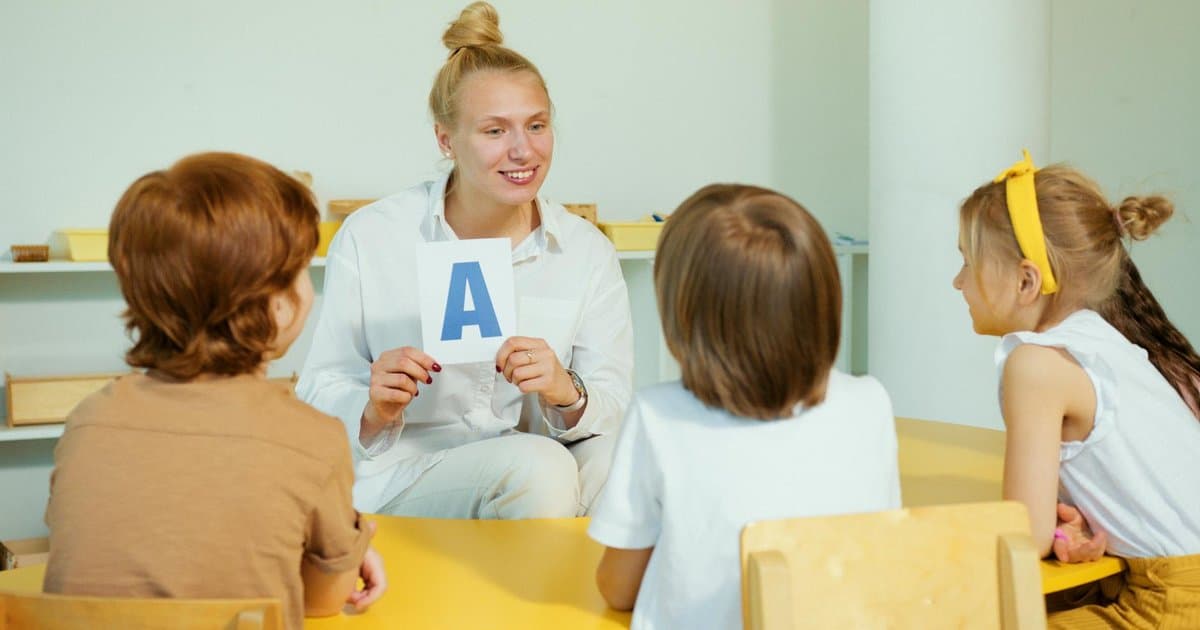
You've watched this teacher calm a meltdown with quiet confidence, build communication bridges your child couldn't cross before, and show up, every single day, for some of the most demanding work in education. Now you want to say thank you with something meaningful. But when it comes to autism teacher gifts, the standard coffee mug or apple-themed tote doesn't quite capture it.
Teachers who work with autistic students navigate sensory overload, complex communication needs, and intense emotional labor. According to a study published in the Journal of Autism and Developmental Disorders, special education teachers experience significantly higher rates of burnout than their general education peers (Brunsting, Sreckovic, & Lane, 2014). The gift you choose can acknowledge that reality, or completely miss it.
This guide will help you pick something that actually resonates.
Why Standard Teacher Gifts Don't Work for Autism Teachers
A "World's Best Teacher" mug is nice. But it doesn't tell this particular teacher that you see what they really do, the individualized communication boards they build from scratch, the sensory breaks they manage seamlessly, the patience required when progress looks different every day.
Autism teachers face unique classroom demands. They often work with smaller groups but provide far more intensive, individualized support. Many create their own visual schedules, social stories, and sensory tools because standardized materials don't meet their students' needs.
Research from the Council for Exceptional Children highlights that special educators spend an average of 10+ hours per week on tasks outside their contract hours, including IEP documentation and family communication (McLeskey et al., 2017). A thoughtful gift signals: I notice how hard you work, and I understand it's different from what other teachers do. That recognition alone can be restorative.
What Autism Teachers Actually Need (Beyond What You'd Think)
Many parents assume classroom supplies are the safest bet. And yes, teachers often spend their own money on materials, the National Education Association reported that U.S. teachers spend an average of $479 out of pocket on classroom supplies annually (NEA, 2022). But autism teachers often have specific supply needs that are hard to guess from the outside.
What many of these teachers say they actually want falls into three categories:
Sensory regulation for themselves. Teachers who manage sensory environments all day often come home overstimulated. Gifts that support their own regulation, not just their students', can be deeply appreciated.
Genuine stress relief. Not a lavender candle chosen at random, but something that creates real space for rest.
Classroom tools matched to their style. A label maker might thrill one teacher. A bulk set of quality fidgets might transform another's week. The key is specificity.
6 Autism Teacher Gifts That Actually Resonate
Noise-Canceling or Low-Profile Earbuds
Autism classrooms can be loud. After a full day of managing sound sensitivity in students, many teachers crave quiet. A quality pair of low-profile, noise-canceling earbuds (like Loop Quiet or similar) gives them sensory relief during their commute or evening wind-down.
Weighted Lap Pad or Blanket
Weighted items aren't just for students. A personal weighted lap pad (around 3–5 pounds) can help a teacher decompress during planning periods or at home. Many parents find that teachers who use regulation tools themselves are even more attuned to their students' sensory needs.
Curated Calm-Down Kit
Put together a small kit: a quality loose-leaf tea sampler, a soft-cover journal, a low-scent hand cream, and a couple of smooth worry stones. Avoid strong fragrances, many autism educators are more scent-aware than average because they manage sensory sensitivities daily.
Quality Noise Machine or Sound App Subscription
A compact white noise machine for their desk or home can help with sleep and decompression. Teachers who spend their days carefully calibrating auditory environments often struggle to wind down in silence.
Gift Cards to Sensory-Friendly Experiences
Some restaurants and venues now offer sensory-friendly hours or quieter dining options. A gift card to a calm restaurant, a spa that offers low-stimulation treatments, or even a bookstore lets the teacher choose their own reset.
A Personalized Book Celebrating Their Impact
Some parents find that a personalized story, one that names the teacher's specific contributions and shows their impact on a child's communication, regulation, or sense of belonging, becomes a keepsake unlike any other gift. It tells the teacher: this is what you did, and it mattered. It's a different kind of thank-you than a card because it lives on the shelf and can be revisited.
Autism Teacher Gifts That Show You Understand Their Classroom
If you do want to give something for the classroom, make it specific. Generic school supplies won't land the same way as tools that fit how autism education actually works.
A high-quality label maker (like a Brother P-Touch) is a gift many special education teachers describe as life-changing. Autism classrooms rely heavily on visual structure, and clear labeling supports students' independence.
Bulk sensory fidgets, think tangle toys, textured putty, or smooth river stones, give teachers options for students without them spending their own money. According to research by Gal, Dyck, and Passmore (2010), sensory-based interventions are among the most commonly used strategies in autism classrooms.
A set of visual timers (like the Time Timer) helps with transitions, which are often the most challenging part of the school day for autistic students.
Color-coded storage bins or drawer organizers support the visual clarity that autism classrooms depend on. Even laminating supplies, pouches and sheets, are a surprisingly welcome gift for teachers who create custom materials constantly.
Budget-Friendly Autism Teacher Gift Options That Don't Feel Cheap
You don't need to spend $50 to give something meaningful. Some of the most treasured gifts cost almost nothing.
A handwritten letter naming specific moments. "I watched you help my son use his AAC device for the first time. He said 'more' at dinner that night." This kind of specificity is rare, and teachers hold onto these letters for years. A 2019 survey by Educators for Excellence found that feeling valued and recognized was among the top factors in teacher retention.
A small desktop plant, a pothos or succulent — adds calm to a classroom without adding clutter. Choose something low-maintenance.
Luxury hand soap or lotion in a gentle scent (unscented is safest if you're unsure). Teachers wash their hands constantly.
A tea or coffee sampler with a note explaining why you chose it. Even a $12 gift becomes personal when paired with genuine words.
When to Give Individual vs. Group Autism Teacher Gifts
Individual gifts work best when you want to honor a specific teacher's approach with your child. They communicate: I see you as a person, not just a role. If your child has a lead teacher, a dedicated aide, and a speech therapist, individual gifts — even small ones — feel more personal than one group basket.
Group gifts make sense when parents want to pool resources for something larger, like a classroom sensory kit, a quality piece of equipment, or a gift card with a meaningful amount. If organizing a group gift, steer away from generic "teacher appreciation" bundles. Choose something that acknowledges autism education specifically.
One thing to consider: some teachers prefer private recognition over public. If you're unsure, a quiet handoff with a personal note is always safe. Many autism educators are themselves attuned to social dynamics and may feel uncomfortable being singled out in a group setting.
When to Avoid These Gift Ideas
Good intentions don't always land well. Here are some common missteps:
Skip strong scents without asking. Candles, perfumes, and heavily scented lotions are risky. Many autism teachers are hyper-aware of scent because they manage sensory environments professionally. If you want to give something scented, ask first or choose unscented options.
Avoid "hero" framing. Gifts or cards that say things like "Thank you for saving these kids" or "You're a saint for working with special needs children" can feel patronizing. Autism teachers are skilled professionals, not martyrs. Frame your appreciation around their expertise, not their sacrifice.
Don't assume personal details. Wine, food items, or anything tied to personal preferences can miss the mark if you're guessing. When in doubt, a gift card lets them choose.
Stay away from anything that frames autism as a tragedy. Puzzle-piece imagery, "awareness" branding, or language about "overcoming" autism doesn't align with how most autism educators view their students. According to the Autistic Self Advocacy Network, identity-first language and strengths-based framing are preferred by the majority of autistic adults and many educators in the field (ASAN, 2023).
Key Takeaways
- Autism teachers face unique demands — your gift should reflect that you understand their specific work.
- Sensory-friendly items for the teacher's own use are often more appreciated than classroom supplies.
- Specificity matters more than price. A $15 gift chosen with intention beats a $60 generic basket.
- A handwritten letter naming concrete moments of impact is one of the most powerful gifts you can give.
- Avoid hero framing, strong scents, and assumptions about personal preferences.
- When in doubt, ask. Most teachers will appreciate the thoughtfulness of the question itself.
Get practical parenting tips delivered weekly
Evidence-based guidance for the moments that matter. No spam, unsubscribe anytime.
Frequently Asked Questions
Keep reading

Supporting Siblings During NICU Stay: What Parents Need to Know
Help siblings cope with NICU stress through honest explanations, routines, and connection activities. Most behavioral changes resolve within weeks of discharge.
10 min read
Teaching Empathy Through Children's Stories: A Practical Guide
Learn how to teach empathy through children's stories with practical techniques. Research shows kids develop stronger peer relationships with regular diverse
10 min read

How to Motivate Students on Classroom Behavior (Strategies That Work)
Master 8 proven strategies to motivate students on classroom behavior. Learn why specific praise and consistency outperform rewards, plus tools that work.
9 min read
Get weekly parenting tips backed by research
Evidence-based guidance for the moments that matter. No spam, unsubscribe anytime.