Kindergarten Classroom Memory Book: How to Create One That Matters
Create a meaningful kindergarten memory book with simple steps, authentic content, and tips for making every child feel celebrated as the school year ends.
Erika Wong
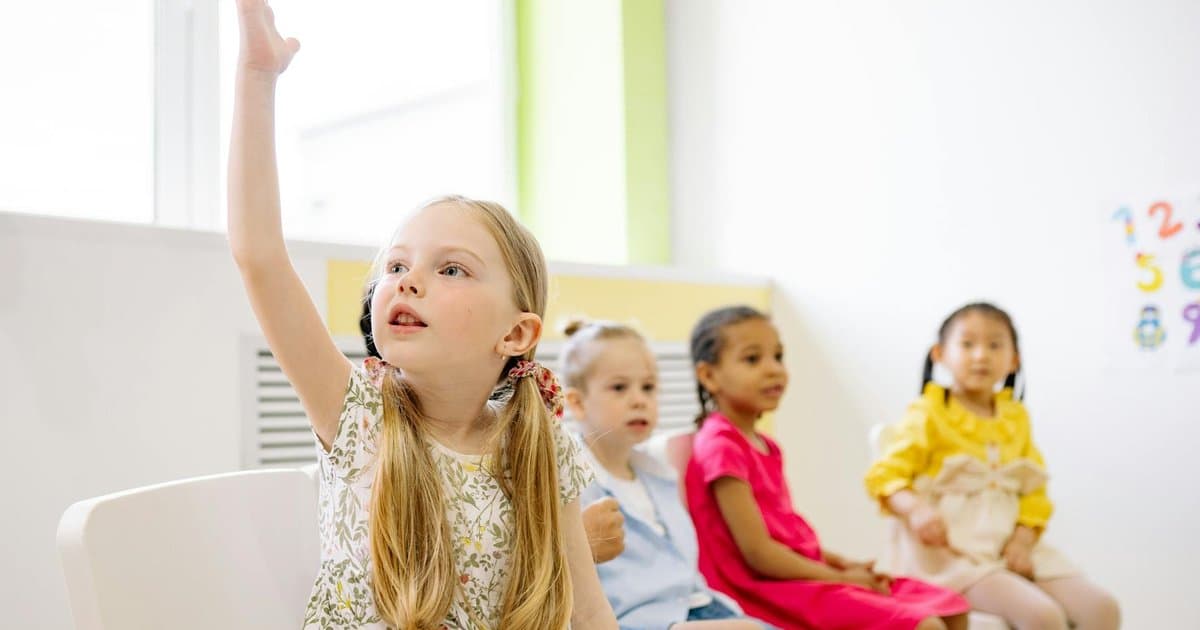
A kindergarten classroom memory book gives children a tangible record of their growth, friendships, and milestones from a year that reshapes how they see themselves. It helps young learners process the transition to first grade while giving parents a keepsake they'll revisit for decades. When done well, it strengthens classroom community during the final weeks of school and sends every child off feeling celebrated.
Key Takeaways
- Start collecting content 3–4 weeks before school ends to avoid last-minute stress.
- Let children dictate or write their own memories instead of filling templates.
- A simple 12-page book is just as meaningful as a 20-page one.
- Including every child, even those who left mid-year, honors the class community.
- Pair the class memory book with individual keepsakes for a richer experience.
Why a Kindergarten Classroom Memory Book Matters at Kindergarten's End
Five-year-olds don't process big changes the way adults do. According to the National Association for the Education of Young Children (NAEYC), children in the early childhood years learn best through concrete, hands-on experiences that connect to their real lives 1. A memory book does exactly that. It turns an abstract idea ("kindergarten is ending") into something a child can hold, flip through, and revisit whenever feelings of uncertainty surface.
Research on school transitions supports this. Dockett and Perry (2007) found that children who feel a sense of belonging and recognition during transitions adjust more successfully to new settings 2. A memory book validates what each child accomplished, from learning to read to making a best friend.
For parents, these books become windows into a world they rarely see directly. And for teachers, the project itself becomes a meaningful classroom activity during those final weeks when routines loosen and energy runs high.
Decide on Format and Scope Before You Start
Before you buy supplies or assign pages, choose a format that matches your class size, budget, and available time. There are three common approaches.
Whole-class books include contributions from every student in each copy. Every child gets a book containing their classmates' drawings, photos, and words. These carry the most emotional weight but require significant coordination, especially with classes of 20 or more.
Individual page books ask each child to create one or two pages about their year. You compile and copy them into a single book for everyone. This is faster and more manageable for large classes.
Digital versions cost nothing to distribute and reach families who move away. Tools like Google Slides or Canva let you create polished pages without printing expenses. According to ZERO TO THREE, children as young as five can engage with digital media meaningfully when it connects to their real experiences 3.
Pick one format and commit. Trying to combine all three creates unnecessary complexity.
Gather Materials and Set a Timeline
Start the kindergarten classroom memory book process at least three to four weeks before the last day of school. Rushing this project in the final week leads to stress, incomplete books, and missed contributions.
Here's a realistic timeline. During week one, choose your format and gather supplies. Week two, have children create their individual pages. Week three, collect photos, compile pages, and print. Week four, assemble, bind, and distribute.
For physical books, keep supplies simple: cardstock for covers, regular copy paper for interiors, colored pencils or markers, and a binding method. Brads are cheapest. Spiral binding looks polished but requires a machine (many office supply stores offer this for under $3 per book). Comb binding works well if your school has the equipment.
Use photos taken throughout the year, not just posed group shots. Candid images of children reading, building, or laughing together capture the real texture of the classroom.
Plan Page Content That Captures Your Class
The best memory books follow a simple structure with room for personality. Aim for 12 to 16 pages total. Here's a sequence that works well:
- Cover page: Class name, year, school name, and a group photo.
- Teacher letter: A brief, heartfelt reflection on the year's growth.
- Individual student pages: Each child's photo, name, self-portrait, and one memory (dictated or written).
- Class favorites: Favorite read-aloud, song, snack, game, and inside joke.
- Signature page: Classmates write their name or draw a small picture.
- Wishes page: "I'm ready for first grade because..." prompts.
Every child should appear at least twice in the book. This matters more than aesthetic perfection. If you're also thinking about end of year teacher gifts, consider including a separate teacher copy with handwritten notes from students.
Involve Children in Creation, Not Just Decoration
Pre-made templates with fill-in-the-blank lines produce generic results. Five-year-olds are capable of far more authentic expression when given open-ended prompts and real choices.
Instead of "My favorite subject was ___," try "Tell me about a time you felt proud this year." Scribe their exact words. A child who says "I felt proud when I finally climbed the big rock at recess" gives you something infinitely more valuable than "Math."
According to Copple and Bredekamp's Developmentally Appropriate Practice framework published by NAEYC, children develop stronger self-concept when their contributions are taken seriously and preserved authentically 1. Writing down a child's words verbatim, quirky grammar and all, honors their voice.
Let children choose their own colors, drawing styles, and decorations. Some will draw detailed scenes. Others will scribble a single shape and call it done. Both are valid. The goal is participation, not uniformity.
Assemble and Distribute With Intention
Assembly is where many memory book projects stall. Don't try to do this alone.
Recruit three to four parent volunteers for a two-hour assembly session. Provide a clear checklist: each book needs these pages, in this order, with this child's name on the cover. Collating 20 books with 14 pages each means handling 280 sheets of paper. That's a team job.
Print color covers on cardstock and black-and-white interiors on regular paper to manage costs. Most schools' copy machines handle this fine. If budget allows, a local print shop can produce cleaner results for $2 to $5 per book.
Distribute books on the last day or during a small celebration. Don't just hand them out during dismissal chaos. Even five minutes of ceremony matters. Read one page aloud, let children flip through together, and give them a moment to absorb the year. If your school hosts a graduation event, pair the memory book distribution with nursery graduation ideas that feel personal rather than performative.
When This Feels Overwhelming (And How to Simplify)
If you're reading this in late May with two weeks left and no plan, scale down. A smaller book beats no book.
Cut to eight pages: cover, teacher letter, individual pages (photo and one sentence per child), class favorites, and a signature page. Skip the timeline, skip the collage, skip anything that requires multiple rounds of student work.
Digital versions eliminate printing costs entirely. Create a shared PDF and email it to families. Children who moved mid-year still get a copy. Parents can print at home if they want a physical version.
Single-color printing is perfectly fine. A black-and-white memory book with a child's real words is more meaningful than a full-color template with generic clip art. The NAEYC position statement on developmentally appropriate practice reminds educators that the process of creating, reflecting, and sharing matters more than the product's appearance 1.
When to Worry About Incomplete Memory Books
Some families won't return permission slips, contribute photos, or respond to requests. This is normal, not a reflection of how much they care.
If a child's page is missing a family photo, use a classroom photo of them instead. If a parent didn't write a note for the "message from home" page, write one yourself. Something simple works: "We are so proud of everything you learned this year." Children won't notice the handwriting difference. They'll notice whether they were included.
Never publicly identify which families forgot or couldn't participate. Quietly fill gaps and move on. The point of a kindergarten classroom memory book is making every child feel they belonged. Dockett and Perry's research on transition emphasizes that a child's sense of inclusion during end-of-year rituals directly affects their confidence entering the next grade 2.
Memory Book Ideas That Deepen Meaning
Once you have the basics covered, consider additions that anchor the book in your class's specific experience.
A class timeline tracks September through June with monthly highlights. "October: We hatched butterflies. January: First snow day. April: We read 500 books together." Children love seeing the arc of their year laid out visually.
A "What I Learned" section goes beyond academics. Prompt children with categories: "Something I learned about reading," "Something I learned about being a friend," "Something I learned about myself." These responses are often surprisingly insightful.
A "Dear First-Grade Me" page gives children a chance to write or dictate advice to their future selves. This forward-looking prompt helps ease transition anxiety. According to Rimm-Kaufman and Pianta (2000), children who have structured opportunities to reflect on school transitions show better social adjustment in subsequent grades 4.
If you're searching for a kindergarten graduation present to complement the class memory book, consider individual keepsakes that give children a personal reflection alongside the shared one.
Personalized Books as a Complement to Memory Books
Some parents find that pairing the class memory book with a personalized kindergarten graduation story gives their child both a shared and an individual keepsake. In a personalized story, the child sees themselves as the main character navigating the move to first grade, which can help children who are anxious about leaving kindergarten process the change privately.
The class memory book captures community. A personalized book captures the child's individual journey. Together, they give children two different lenses for understanding a significant transition. This combination isn't necessary for every family, but parents of children who struggle with change often find it helpful.
Get practical parenting tips delivered weekly
Evidence-based guidance for the moments that matter. No spam, unsubscribe anytime.
Frequently Asked Questions
Keep reading
Supporting Siblings During NICU Stay: What Parents Need to Know
Help siblings cope with NICU stress through honest explanations, routines, and connection activities. Most behavioral changes resolve within weeks of discharge.
10 min read
Teaching Empathy Through Children's Stories: A Practical Guide
Learn how to teach empathy through children's stories with practical techniques. Research shows kids develop stronger peer relationships with regular diverse
10 min read

How to Motivate Students on Classroom Behavior (Strategies That Work)
Master 8 proven strategies to motivate students on classroom behavior. Learn why specific praise and consistency outperform rewards, plus tools that work.
9 min read
Get weekly parenting tips backed by research
Evidence-based guidance for the moments that matter. No spam, unsubscribe anytime.