Lunar New Year Activities for the Classroom: 15 Ideas That Celebrate and Educate
Explore 15 culturally respectful Lunar New Year classroom activities across art, movement, writing, and food. Build awareness without centering performance.
Erika Wong
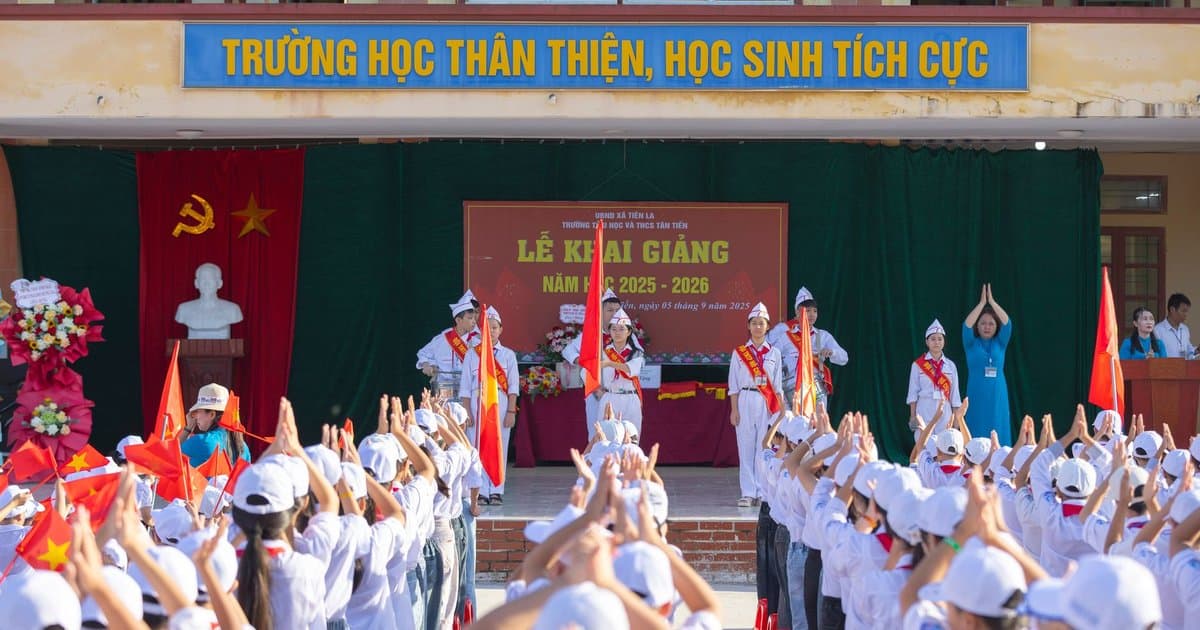
Fifteen Lunar New Year activities for the classroom can be grouped into five categories: art and crafts, movement games, read-alouds, writing projects, and food-based math lessons. The best activities connect to real cultural meaning, work across ability levels, and don't put Asian students on the spot. In my classroom, I pick three or four from this list each year and build a mini-unit that lasts about a week.
Key Takeaways
- Lunar New Year activities should teach cultural meaning, not just surface-level crafts.
- Never ask Asian students to perform or explain their family's traditions.
- One well-planned activity beats ten rushed ones for student engagement.
- Art, movement, writing, and food activities each offer curriculum-aligned learning.
- Lunar New Year falls between late January and mid-February each year.
Why Lunar New Year Matters in the Classroom
Lunar New Year is celebrated by over 1.5 billion people across Chinese, Vietnamese, Korean, and other Asian cultures. Teaching it builds cultural awareness for every student, not only those who celebrate at home. According to Asian American Edu 3, framing Lunar New Year as a learning experience rather than a performance protects students from being positioned as cultural representatives.
In my experience, the biggest mistake teachers make is asking the one Asian kid in the room to "tell us about your family's traditions." That's cultural labor, not education. Instead, position yourself as a co-learner. Read the books, learn the symbolism, and present multiple ways families celebrate. Your Asian students will feel seen without being put on display.
Art and Craft Activities for Mixed-Ability Classrooms
Red envelope crafts are my go-to starting point. Students fold red paper, then decorate with gold stamps, stickers, or markers. For K-1 students, provide pre-folded envelopes and focus on decorating. Older students can measure, fold, and glue their own.
Paper lanterns work well for grades 2-5. I use a guided template with fold lines already marked, which prevents the frustration spiral that derails craft time. Zodiac animal drawings pair nicely with lanterns. According to Scholastic Teachables 1, printable zodiac animal templates help students who struggle with freehand drawing still produce work they're proud of. Gold coin crafts from cardboard circles wrapped in foil round out the art station.
Games and Movement Activities That Build Engagement
Lion dance mime gets kids moving without needing costumes or props. I teach four basic moves (crouch, leap, shake head, bow) and we practice them in sequence. Students pair up under a sheet or scarf for a partner version. This works especially well after a read-aloud about lion dances, because students already understand the cultural context.
Zodiac animal charades is simple: write each zodiac animal on a card, and students act them out while classmates guess. Dragon relay races use scarves or streamers tied to the last runner in a line. Both activities channel energy productively and reinforce vocabulary. I've found these movement breaks keep my students more focused during the writing or reading block that follows.
Read-Alouds and Stories That Celebrate Authentically
Picture books are the backbone of respectful Lunar New Year teaching. Bringing in the New Year by Grace Lin shows a Chinese American family preparing for the holiday in a contemporary setting. A New Year's Reunion by Yu Li-Qiong captures the emotional weight of family gathering. For Vietnamese perspectives, try Tết by various authors available through your school library.
According to Chalk Academy 2], choosing books with Asian protagonists in everyday modern settings avoids the exoticizing lens that older classroom materials sometimes carry. After read-alouds, I ask students to notice details: "What did the family eat? What colors did you see? What surprised you?" This builds comprehension without requiring anyone to be the expert. Similar approaches work for [Christmas creative writing activities later in the year.
Zodiac Animals and Symbolism Lessons
The Chinese zodiac repeats every 12 years, and each year is associated with an animal and specific personality traits. Students love discovering their birth-year animal. I post a large zodiac wheel and let students find their sign, then read a short description of each animal's characteristics.
Upper elementary students can explore why certain numbers carry meaning in Chinese culture (eight is lucky because it sounds like the word for prosperity; four is avoided because it sounds like the word for death). This connects naturally to math patterns and language arts. For younger learners, sorting zodiac animals by category (land, water, air) or creating a class graph of birth-year animals builds alphabet learning activities and early data skills simultaneously.
Food Tasting and Kitchen Math Connections
Mandarin oranges, coconut candy, and sesame snacks are accessible, allergy-friendly options for classroom tasting. Each food carries meaning: oranges symbolize wealth, dumplings represent prosperity, and long noodles signify longevity. I always check for allergies first and provide alternatives.
Tasting activities double as sensory language practice. Students describe texture, sweetness, and appearance using adjective charts. For math, I use mandarin orange segments for fractions (how many segments in your orange? What fraction did you eat?) and coconut candy pieces for simple division. This is practical, curriculum-aligned learning wrapped in celebration.
Decorating the Classroom Together
Red and gold dominate Lunar New Year decorations because red symbolizes luck and gold represents wealth. I assign small groups to create paper chains, hang student-made lanterns, and display zodiac artwork. Students take ownership of the space, which builds community.
Keep it simple. Red butcher paper on the door, student artwork on a bulletin board, and a few paper lanterns hanging from the ceiling transform the room. I tape everything at student height so they can see their own contributions. Safety note: avoid hanging anything near heating vents or lights, and use painter's tape to protect walls.
Writing and Language Activities That Develop Skills
Wish-writing is my favorite Lunar New Year writing activity. Students write wishes for the new year on red paper strips, then we hang them on a "wishing tree" (a branch in a vase). This mirrors the tradition of setting intentions for the year ahead. For younger students, a sentence frame works: "This year I wish for _____ because _____."
Acrostic poems using the words LUNAR NEW YEAR challenge upper elementary writers to think creatively about vocabulary. Compare-and-contrast paragraphs about how different families celebrate holidays connect to Mother's Day classroom activities and other cultural writing units. Some teachers find that a personalized Lunar New Year storybook helps reluctant writers engage, because children see themselves inside the celebration before they write about it.
Teaching Respectfully Without Centering Performance
Never require a student to teach the class about their family's Lunar New Year. According to Asian American Edu 3, this places an unfair burden on children and reduces their culture to a classroom prop. Instead, use published resources, invite community speakers (with their consent), and present multiple perspectives.
Avoid fortune cookies (they're an American invention, not a Chinese tradition). Skip the "Chinese accent" voices during read-alouds. Acknowledge openly that Lunar New Year looks different for Chinese, Vietnamese, Korean, and other families. Some Asian families don't celebrate at all. Present the holiday as one tradition among many, worthy of learning and respect.
Adapting Lunar New Year Activities for Different Grade Levels
Grade Band | Focus | Activity Examples |
|---|---|---|
K-1 | Sensory, movement, simple crafts | Lion dance mime, red envelope stamping, zodiac charades |
2-3 | Symbolism, partner work, guided writing | Lantern folding, wish-writing with frames, food tasting |
4-5 | Cultural context, research, extended writing | Compare/contrast essays, zodiac research projects, number symbolism |
Differentiation is about adjusting complexity, not content. Every grade level deserves the same cultural depth. A kindergartner hearing why red means luck learns just as much as a fifth grader researching the zodiac cycle.
Get practical parenting tips delivered weekly
Evidence-based guidance for the moments that matter. No spam, unsubscribe anytime.
Frequently Asked Questions
Keep reading

Teaching Creative Writing Through Superhero Stories: A Classroom Guide
Teach creative writing using superheroes with scaffolded prompts, hero's journey structure, and peer feedback. Works for K-6 students and reluctant writers.
8 min read

Supporting Classmates With a Sibling in the NICU: A Teacher's Guide
Help students with siblings in the NICU using predictable routines, check-in strategies, and age-appropriate conversations. Practical classroom support.
11 min read

Social Stories for Special Needs Students: A Practical Guide
Learn how to write personalized social stories for special needs students. Research shows they improve behavior, reduce anxiety, and build confidence for
10 min read
Get weekly parenting tips backed by research
Evidence-based guidance for the moments that matter. No spam, unsubscribe anytime.