What Makes a Meaningful Kindergarten Graduation Present?
Discover meaningful kindergarten graduation gift ideas for different child types. Learn why this transition matters and how to choose presents that kids actually remember.
Erika Wong
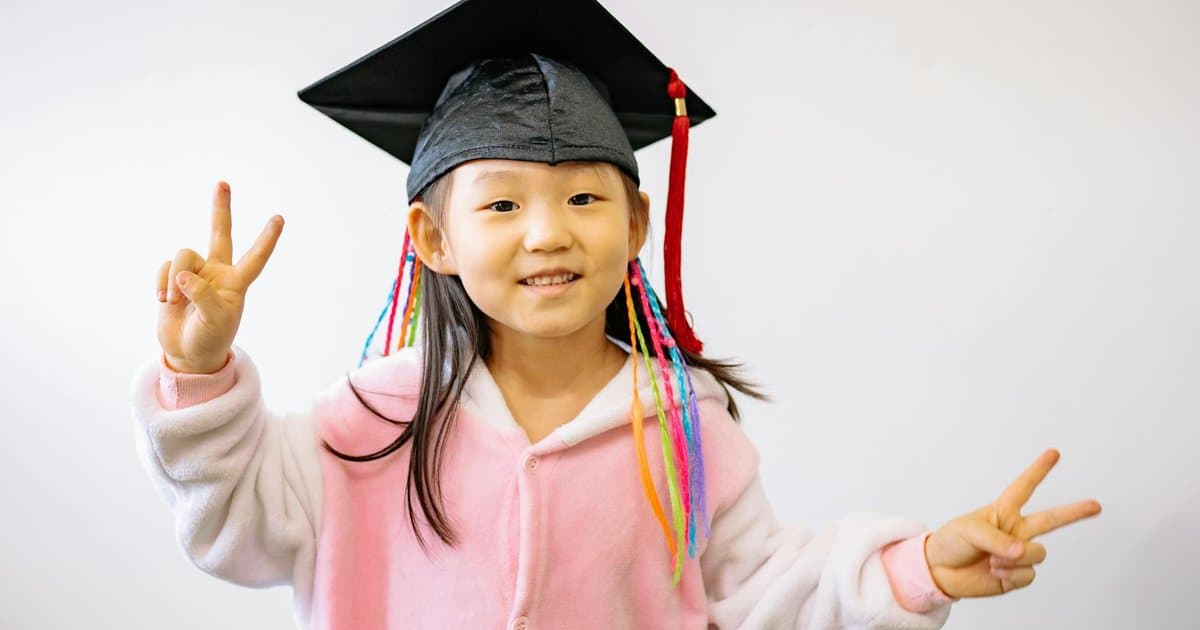
Your child is about to walk across a tiny stage in an oversized cap, clutching a rolled-up certificate, and you're wondering what kindergarten graduation present actually captures this moment. You want something that doesn't end up forgotten in a toy bin by July.
You're not overthinking this. Kindergarten completion is a real psychological milestone. It marks the shift from "little kid" to "school kid," and the right gift can help your child carry that pride forward into first grade.
This guide covers what five- and six-year-olds actually value, how to match a gift to your child's personality, what to spend, and how to make any present feel meaningful. Whether you're a parent, grandparent, teacher, or family friend, you'll find practical ideas backed by what we know about how young children form memories and navigate transitions.
Why a Kindergarten Graduation Present Matters More Than You Think
Kindergarten graduation isn't just cute, it's developmentally significant. Between ages five and seven, children undergo what researchers call the "5-to-7 shift," a period of rapid cognitive and social growth where they begin to see themselves as learners with real capabilities. According to Sameroff and Haith (1996), this transition marks a fundamental reorganization of how children think, remember, and relate to others.
A thoughtful gift validates that shift. It tells your child: I noticed how much you grew this year. That message matters. Children who feel their efforts are recognized develop stronger motivation and self-concept, according to research on intrinsic motivation in early childhood (Deci & Ryan, 2000).
A graduation gift also creates what psychologists call a "memory anchor." Young children's autobiographical memory is still developing, and concrete objects paired with emotional experiences help them encode and retrieve memories more effectively. A gift they can hold, revisit, and talk about becomes a touchstone for this chapter of their life.
What Kindergarteners Actually Value in a Gift
Here's something many parents discover the hard way: five-year-olds don't want baby stuff. They're fiercely invested in being "big kids." A gift that acknowledges their emerging identity lands far better than one that feels like it belongs to their younger self.
Research from ZERO TO THREE confirms that children ages five and six are developing a strong sense of self and are deeply motivated by feeling competent and recognized. They care about their interests, art, bugs, building, stories, and they notice when adults pay attention to those interests.
The gifts kids tend to remember share three qualities: they feel personal, they connect to something the child cares about, and they come with a story. A journal with their name on it, given with the words "because you learned to write your name this year," will outlast a generic toy every time.
Skip anything that feels like an afterthought. Even a small gift, chosen with intention, signals to your child that this moment is worth honoring.
Practical Gift or Something Special. Which Is Better?
You don't have to choose. The best kindergarten graduation presents blend both, something useful for the next chapter and meaningful as a milestone marker.
A quality backpack becomes a keepsake when it's embroidered with their name and the year. A lunchbox feels special when you tuck a note inside on the first day of first grade. Research on object attachment in children, published in Developmental Psychology, suggests that children form stronger emotional bonds with objects that carry personal meaning and are connected to important experiences (Gjersoe et al., 2015).
Consider your child's personality. Reflective, sentimental kids treasure memory books and photo albums. Active, social kids prefer experience gifts, a day trip, a class, or an adventure they can talk about with friends.
If budget is a concern, lean practical. A $15 backpack your child chose themselves, paired with a handwritten note about what you're proud of, is more meaningful than an expensive toy handed over without context.
Best Kindergarten Graduation Gift Ideas by Child Type
Not every child lights up for the same present. Matching the gift to how your child learns and plays makes a big difference.
The creative child thrives with premium art supplies (real watercolors, not the plastic kind), a DIY memory journal, or a kid-friendly camera to document their summer. According to the National Association for the Education of Young Children (NAEYC), creative expression supports cognitive development and emotional processing during transitions.
The curious, science-minded child will love a field kit for collecting rocks or insects, a beginner magnifying glass set, or a subscription box focused on experiments.
The bookworm wants real chapter books, early readers from series like Mercy Watson or Dog Man, or a personalized bookmark paired with a library card for the summer reading program.
The adventurous child values experiences: a zoo membership, a rock climbing lesson, a cooking class, or a day camp registration. These gifts create stories they'll retell for years.
Gift-Giving for Teachers: Handling the Money Question
If you're a parent wondering what to give your child's kindergarten teacher, focus on gratitude rather than dollar amount. Teachers consistently report that handwritten notes, especially from children, are the gifts they value most.
A 2018 survey by the National Education Association found that teachers overwhelmingly prefer personal acknowledgment over material gifts. A card with a photo of your child, a hand-drawn picture, or a few sentences about what the teacher meant to your family carries real weight.
If you want to give something tangible, $10–25 is a comfortable range. A gift card to a local coffee shop or bookstore works well. Group gifts from the whole class can pool funds for something larger without putting pressure on any single family.
Avoid gifts that feel obligatory or extravagant. The teacher-parent relationship works best when appreciation is genuine and proportional. A heartfelt note costs nothing and means the most.
When and How to Give the Gift
Timing and presentation matter as much as the gift itself. A kindergarten graduation present handed over during a chaotic post-ceremony crowd gets lost in the shuffle. A gift given in a calm, focused moment, with eye contact and words that explain why — becomes a memory.
For small gifts (a book, a keepsake, a piece of jewelry), graduation day works well. Tuck it into their hand after the ceremony and say something specific: "This is because you learned to read this year, and I'm so proud of you."
For larger or more sentimental gifts, consider a separate moment. A quiet breakfast the morning after, or a special family dinner, gives the child space to absorb the meaning. According to Fivush and Nelson (2004), children's memory encoding is strongest when events are paired with conversation — when adults help them narrate what happened and why it matters.
If your child tends to get overstimulated at events, save the gift for home.
Creating a Kindergarten Keepsake Without Spending a Lot
Some of the most treasured kindergarten graduation presents cost almost nothing. What they require is time and intention.
A memory box filled with artwork, photos, and milestone notes from the year gives your child a physical collection of their growth. Use a shoebox or inexpensive craft box, and let them decorate the lid.
A letter to their future self. Sit down together and write (or dictate) a letter about their favorite kindergarten memories, their best friend, what they want to be when they grow up. Seal it and agree to open it in second grade — or at age ten.
A recorded message. Use your phone to film family members sharing one thing they're proud of your child for. Five-year-olds love watching these clips repeatedly, and research on video-based memory reinforcement suggests that revisiting recorded events strengthens long-term recall in young children.
A handprint craft with the date and teacher's signature becomes a genuine artifact of this moment.
When to Be Concerned: Signs Your Child Is Struggling With the Transition
Most kindergarteners feel a mix of excitement and nervousness about moving to first grade. Butterflies, repeated questions about the new school, and wanting to bring a comfort object are all completely normal.
However, some children show signs of genuine distress that go beyond typical transition anxiety. According to the American Academy of Pediatrics (AAP), watch for: persistent nightmares or sleep disruption lasting more than two weeks, regression in toilet training, extreme clinginess that wasn't present before, refusal to discuss school at all, or physical complaints (stomachaches, headaches) that appear only on school days.
If you're seeing these signs, a graduation gift alone won't address the underlying worry. Pair it with practical transition strategies: visit the new classroom before school starts, read books about first grade together, and role-play the first day. If anxiety persists beyond the first two weeks of the new school year, talk to your pediatrician or the school counselor for guidance.
How to Make Any Kindergarten Graduation Present Extra Special
The gift itself matters less than the story you wrap around it. Personalization transforms an ordinary object into something a child holds onto for years.
Adding a name, the year, or a photo to any item — a water bottle, a pillowcase, a bookmark — signals to a child that this was chosen specifically for them. Research by Friedman (2007) in Cognitive Development suggests that children ages five to seven are developing a stronger sense of personal timeline and identity, making personalized objects especially meaningful during this period.
A handwritten note explaining your hopes for them hits harder than the gift itself. Keep it simple: "I can't wait to see what you do in first grade. You're going to be amazing."
Some parents find that reading a personalized story about starting big-kid school helps children process the transition, because they see themselves as the hero of the story. Pairing any gift with a graduation-day photo creates a visual memory anchor your child can revisit.
Budget Guide: Kindergarten Graduation Gifts at Every Price Point
There's no "right" amount to spend. The most meaningful gifts often cost under $20 because thought consistently beats price.
Under $20: A quality picture book or early chapter book, a memory journal, an art supply kit, a personalized keychain or ornament, or a framed class photo. These gifts feel intentional without straining your budget.
$20–50: A personalized illustrated book, an experience gift certificate (movie tickets, ice cream date, bowling), a quality backpack, a memory box kit, or a kid-friendly digital camera. This range gives you room for something both useful and sentimental.
$50–100: A half-day camp session, a museum or zoo membership, a bike with a bell or streamers they chose themselves, or an experience package like a nature walk or cooking class. According to a 2019 Harris Poll, 78% of Americans report that experiential gifts make them happier than material ones — and children are no exception.
$100+: Multi-week summer camp, annual family membership to a science center, or a special trip tied to the child's interests.
Key Takeaways
- A kindergarten graduation present works best when it's personal, intentional, and paired with conversation about your child's growth.
- Match the gift to your child's personality and interests — not to what's trending.
- Timing and presentation matter. A calm, focused moment beats a chaotic handoff.
- Homemade keepsakes (memory boxes, letters, recorded messages) are just as powerful as purchased gifts.
- If your child shows signs of significant transition anxiety, address that alongside the celebration.
- Spend what feels comfortable. A $10 book with a handwritten note inside will be remembered longer than an expensive toy given without context.
Get practical parenting tips delivered weekly
Evidence-based guidance for the moments that matter. No spam, unsubscribe anytime.
Frequently Asked Questions
Keep reading
Supporting Siblings During NICU Stay: What Parents Need to Know
Help siblings cope with NICU stress through honest explanations, routines, and connection activities. Most behavioral changes resolve within weeks of discharge.
10 min read
Teaching Empathy Through Children's Stories: A Practical Guide
Learn how to teach empathy through children's stories with practical techniques. Research shows kids develop stronger peer relationships with regular diverse
10 min read

How to Motivate Students on Classroom Behavior (Strategies That Work)
Master 8 proven strategies to motivate students on classroom behavior. Learn why specific praise and consistency outperform rewards, plus tools that work.
9 min read
Get weekly parenting tips backed by research
Evidence-based guidance for the moments that matter. No spam, unsubscribe anytime.