Personalized Birthday Newspaper Books: Why Kids Actually Remember Them
Discover why personalized birthday newspaper books create lasting memories for children. Learn the best ages to give them and how to present them effectively.

Matt Li
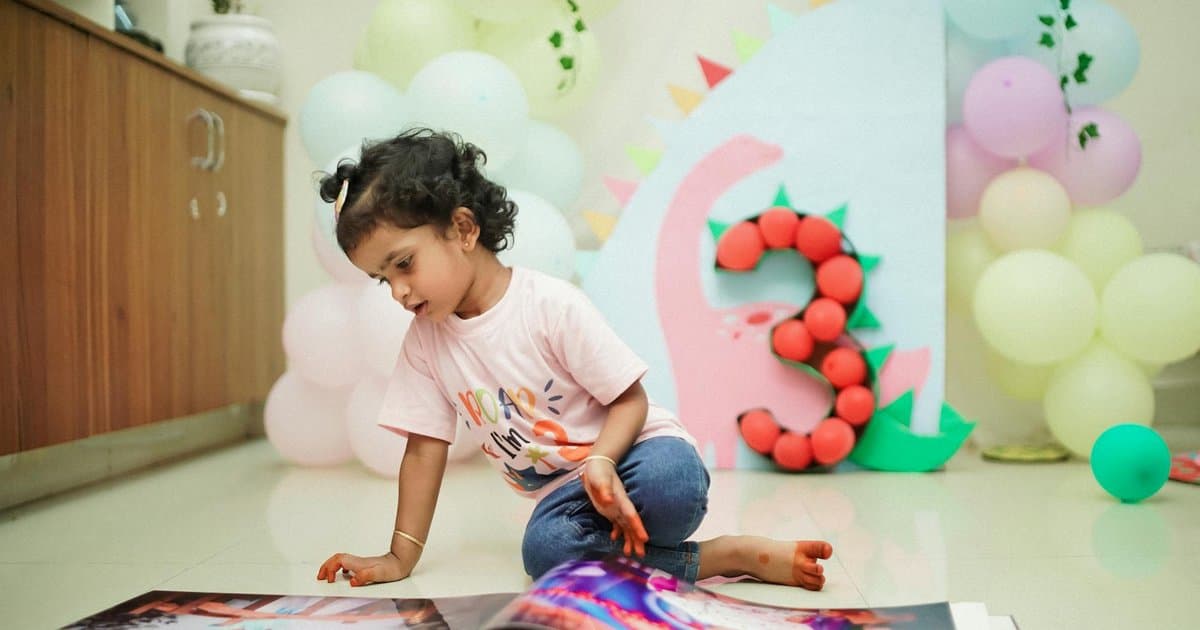
Children remember gifts that reflect their identity back to them. A personalized birthday newspaper book, featuring real headlines from the day your child was born alongside their name and birth details, taps into a child's natural self-curiosity and makes an abstract concept (their own history) tangible and exciting. Unlike toys that lose novelty within weeks, these books become richer with meaning as kids grow.
Key Takeaways
- Children ages 3-7 engage most with personalized birthday newspaper books because of peak self-concept curiosity.
- Narrative gifts create stronger emotional bonds than generic toys, according to attachment research.
- The real-world headlines anchor a child's identity in history, not just fantasy.
- Presentation matters: reading aloud together on their birthday turns a book into a ritual.
- These books pair well with other gifts and become more treasured over time.
Why Personalized Birthday Newspaper Books Create Lasting Memories
Gifts that tell a child "you matter" tend to stick. According to Robyn Fivush and colleagues in their research on family narratives, children who hear detailed stories about their own lives develop stronger self-concept and emotional resilience 1. A personalized birthday newspaper book does exactly this. It says: the world was doing all of these things on the day you arrived.
Children ages 3 and older are developmentally primed for this kind of gift. ZERO TO THREE notes that between ages 2 and 5, children become intensely interested in "me" stories, asking the same questions repeatedly: "What happened when I was a baby?" This curiosity isn't vanity. It's how young children build narrative identity.
The novelty factor helps too. A 2007 study in the Journal of Consumer Psychology found that unique, unexpected gifts generate more positive emotional responses than predictable ones 2. A newspaper from the day they were born is, for most kids, genuinely surprising.
How Personalized Birthday Newspaper Books Work
The concept is straightforward. These books recreate the newspaper front page from the day your child was born, featuring actual headlines, advertisements, weather reports, and cultural moments from that specific date. Some versions weave the child's name and birth details into the layout, while others preserve strict historical accuracy and add personalization on a separate page.
Formats split into two categories. Coffee table editions lean toward parents and grandparents, designed as display-worthy keepsakes with archival-quality printing. Illustrated storybook versions target children directly, framing the historical content within a narrative about "the day you were born." If you're already familiar with personalized books for newborns, the newspaper format adds a layer of real-world context that pure fiction can't replicate.
Available customization options vary by creator. Some integrate the child's photo into the newspaper design. Others include birth weight, time, and hospital details alongside the headlines. Check what's included before ordering.
Best Ages to Give a Personalized Birthday Newspaper Book
Not every age responds the same way to this gift. Understanding developmental stages helps you time it right.
Ages 1-2: This is really a parent keepsake. Toddlers won't grasp "the day you were born" as a concept. Buy it now if you want to capture authentic printing, but plan to revisit the book when they're older. Pair it with a board book or sensory toy for the actual party.
Ages 3-5: The sweet spot begins here. According to the American Academy of Pediatrics, preschoolers develop autobiographical memory between ages 3 and 5, meaning they can start connecting stories to their own experience 3. Reading "this is what happened the day you arrived" becomes genuinely thrilling.
Ages 6-8: Kids in this range can engage independently. They'll notice specific headlines, ask questions about historical events, and compare their birth year to the present. Position it as a "birthday time capsule" for maximum appeal.
Personalized Birthday Newspaper Books vs. Other Personalized Gift Books
These two gift categories serve different emotional purposes, and understanding the distinction helps you choose wisely.
Standard personalized storybooks, the kind where a child's name appears in a fictional adventure, offer immediate engagement. Kids love seeing themselves as the hero. If you're exploring options, this custom storybooks guide covers what to look for. These books are about imagination and play.
Newspaper books anchor meaning in historical reality. The emotional value is different: less about fantasy, more about belonging to a family's real timeline. Research by Dan McAdams at Northwestern University suggests that "narrative identity," the story we tell about our place in the world, begins forming in early childhood and shapes well-being into adulthood 4.
The two formats aren't competitors. Many families find they work beautifully together. A personalized birthday adventure book celebrates imagination, while a newspaper book grounds the child in something real. One feeds wonder, the other feeds roots.
How to Choose the Right Version for Your Child
Start by asking who the gift is really for. If it's primarily a keepsake for parents or grandparents, a coffee table edition with archival-quality paper makes sense. These look beautiful on a shelf, and kids naturally discover them over time.
If the gift is for the child to hold, read, and return to, look for illustrated storybook versions. These translate the newspaper content into language and layouts that young readers can follow. Some creators add playful illustrations alongside the real headlines, which keeps children engaged longer.
Check three things before ordering. First, what level of personalization is offered? Name only, or name plus photo plus birth details? Second, does the design feel warm and natural, or overly commercial? Third, does the creator use verified historical archives for the newspaper content? Authenticity matters. A fabricated "newspaper" defeats the entire purpose of the gift.
Price ranges vary widely, from $20 for basic versions to $80 or more for premium hardcovers. Set your budget before browsing, because the upgrades can add up quickly.
When Personalized Birthday Newspaper Books Work Best (And When to Skip Them)
These gifts shine in specific contexts. Milestone birthdays (1st, 5th) are natural fits because the keepsake significance matches the occasion. Families who value heirlooms over accumulating plastic toys will appreciate the intention behind the gift. Grandparents looking for something meaningful often find this format perfect, especially when they want to connect a grandchild to family history.
They're also excellent for siblings who love reading about themselves. If you have a child who already asks "tell me about when I was born," this gift will land beautifully.
Skip them if the child needs immediate entertainment value at the party. A newspaper book requires a calm, one-on-one reading moment, not the chaos of a birthday celebration with 12 preschoolers. Also reconsider if budget is tight. A child who reads daily will benefit more from five new library-quality picture books than one keepsake. For more ideas in that direction, see our list of best birthday gifts for book-loving kids.
How to Present a Personalized Birthday Newspaper Book So Kids Actually Engage
Presentation determines whether this gift sparks joy or confusion. Don't hand it over in a pile with other presents and expect a four-year-old to understand its significance. This gift needs a moment.
Read it aloud together, ideally on their birthday morning or at bedtime. Point to specific headlines: "Look, this movie came out the day you were born!" or "A loaf of bread cost how much?" Let the child ask questions. According to Fivush's research on parent-child reminiscing, elaborative conversations about shared stories strengthen both memory and parent-child attachment 1.
Make it interactive. Ask discovery questions: "What do you think was happening in our city that day?" Compare prices from then to now. Look up a headline together on a tablet to learn more.
Establish a tradition. Some families reread the newspaper book every birthday, adding a new observation each year as the child matures. Others photograph favorite pages and text them to grandparents. The book becomes a conversation starter, not just an object on a shelf.
Age-Appropriateness and When to Adjust Expectations
Most kids ages 4 and up can engage with a personalized birthday newspaper book when a parent reads alongside them. The AAP recommends shared reading at every age, and this format gives you rich material for back-and-forth conversation 3.
For children under 3, don't expect engagement with the narrative itself. Store the book safely and introduce it when they start asking about their own birth story, which typically happens between ages 3 and 4. If you're gifting to a toddler at a party, have a second gift ready so the moment feels celebratory.
Some children, particularly those with limited attention spans for seated reading, may need a shorter session. Read just the front page the first time. Return to other sections later. There's no rule that says you must read the whole book at once.
If your child seems uninterested at age 5, don't push it. Put the book on a shelf where they can see it. Children's curiosity about their own history tends to surge again around ages 7-8.
Get practical parenting tips delivered weekly
Evidence-based guidance for the moments that matter. No spam, unsubscribe anytime.
Frequently Asked Questions
Keep reading
How to Create a Dog Memorial Book (With Printable Templates)
Create a dog memorial book with photos, stories, and mementos. Learn 5 organizational tips and design ideas for honoring your pet's memory.
8 min read
How to Write a Wedding Speech for Your Aunt and Uncle (With Examples)
Write a heartfelt 3-5 minute wedding speech for your aunt and uncle. Follow this proven structure with character-focused stories and authentic delivery tips.
7 min read
Cat Memorial Book Ideas: Creating a Lasting Tribute
Create a cat memorial book with photos, memories, and keepsakes. Learn 6 meaningful ways to honor your pet and process grief with this personalized tribute.
7 min read
Get weekly parenting tips backed by research
Evidence-based guidance for the moments that matter. No spam, unsubscribe anytime.