Personalized Story Books: Why They Matter More Than You Think
Discover why personalized story books boost reading engagement and confidence in children. Learn how to choose the right book for your child's age and needs.

Matt Li
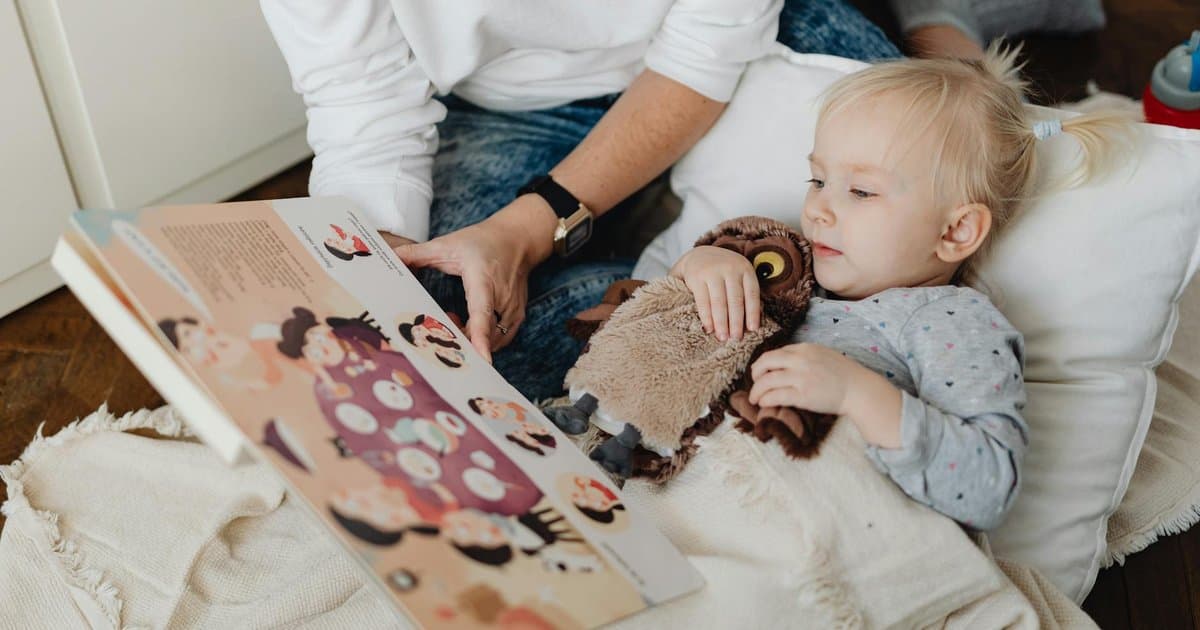
Personalized story books do something ordinary picture books can't: they place your child at the center of the narrative, turning them from a passive listener into an active participant. Research on narrative transportation suggests that when children identify with a protagonist, they absorb the story's emotional lessons more deeply and develop stronger motivation to read 1. For parents searching for meaningful gifts or teachers looking to reach reluctant readers, personalization is a practical tool with genuine developmental backing.
Key Takeaways
- Children engage more deeply with stories when they see themselves as the main character.
- Personalized books are most effective during real transitions like starting school or gaining a sibling.
- Narrative identification strengthens around ages 3 to 5, making that the sweet spot for impact.
- Quality personalization enhances storytelling rather than replacing it with a gimmick.
- These books work best alongside consistent reading habits and follow-up conversation.
What Makes Personalized Story Books Different
A personalized story book weaves your child's name, appearance, and sometimes family members directly into the narrative. Instead of reading about a generic character, your child sees someone who looks like them, lives in their world, and faces their specific challenges.
This goes beyond a name printed on the cover. The best personalized books let you customize character details like skin tone, hair color, and even the family pet. Some address real situations your child is navigating, from welcoming a new sibling to conquering first-day-of-school nerves.
The result is emotional investment from page one. According to research by Mar and Oatley (2008), narrative fiction simulates social experience, and readers who identify with characters show greater empathy and comprehension 2. For young children still building these skills, seeing themselves in the story amplifies that effect. Family members and familiar details create an anchor that makes the fictional world feel safe and real.
How Personalization Boosts Reading Engagement and Confidence
Children who see themselves reflected in books are more likely to finish them, request re-reads, and develop positive associations with reading. A study published in the Journal of Applied Developmental Psychology found that self-relevant stimuli hold children's attention longer and improve recall 3. When your child's name appears on the page, their brain pays closer attention.
This matters for building early literacy. The National Association for the Education of Young Children (NAEYC) emphasizes that intrinsic motivation is a stronger predictor of reading success than forced practice. Personalized story books tap into exactly that kind of motivation, because children genuinely want to know what happens next when they're the hero.
Repeat-reading behavior is especially valuable. Each re-read strengthens vocabulary, comprehension, and print awareness. Parents often report that personalized books become the most requested bedtime story for weeks, sometimes months. That voluntary repetition builds fluency in ways a reading assignment never could.
Real-Life Situations Where Personalized Books Shine
Personalized stories are most powerful during transitions and emotional milestones. A child about to become a big sibling can read a story where they help welcome a new baby. A child nervous about preschool can watch a version of themselves walk confidently into the classroom.
Some parents find that reading a personalized story about potty training or sleep routines helps because children see themselves navigating the situation successfully. The story becomes a rehearsal. According to ZERO TO THREE, children process emotions and new experiences through repetitive play and storytelling, and personalized narratives fit naturally into that pattern 4.
Teachers use this approach for anxious students and children who feel invisible in standard curricula. For children from underrepresented backgrounds, seeing a protagonist who shares their name, skin tone, and family structure can be profoundly affirming. If you're curious about starting early, personalized books for newborns can introduce this concept from infancy, even before children recognize themselves in the story.
Choosing the Right Book for Your Child's Age and Needs
Not all personalized books suit every child. Matching complexity and theme to your child's developmental stage makes a significant difference.
Ages 1 to 2: Choose simple, repetitive text with bright illustrations. Toddlers won't grasp that they're the character yet, but they'll enjoy hearing their name and pointing at familiar images. Board book format holds up to rough handling.
Ages 3 to 4: Emotional themes work well here. Stories about feelings, family dynamics, or everyday challenges resonate strongly. Keep narratives short (under 20 pages) with clear, expressive illustrations. A birthday adventure story can make a milestone feel extra special at this age.
Ages 5 to 7: Plot-driven stories addressing real worries or transitions suit early readers. At this stage, children appreciate more nuance and can engage with longer narratives. Look for books that offer plot variations, not just name insertion.
The NAEYC recommends selecting books where the story works independently of the personalization 5. If you removed your child's name and the narrative fell apart, the book relies too heavily on the gimmick.
When Personalized Books Work Best (and When They Don't)
Personalized books deliver their strongest impact when your child is emotionally ready to engage with the story and when the book addresses something real in their life. For most children, that readiness emerges around age 2.5 to 3, when self-recognition in narratives begins to develop.
They're less effective in a few situations. Children under 2.5 enjoy being read to but won't yet understand that the character represents them. A personalized book chosen purely for novelty, with no connection to your child's actual experiences, often gets the same reaction as any other new toy: brief excitement, then it sits on a shelf.
These books are also not a substitute for daily reading habits. A beautifully customized story won't overcome the absence of regular, warm read-aloud time. Think of personalization as an enhancement to your existing reading routine, not a replacement. The real magic happens when you pair the book with conversation: "That's you being brave in the story. Can you tell me about a time you felt brave too?"
How Teachers Use Personalized Stories in the Classroom
Classroom teachers have found creative ways to use personalized narratives for individual intervention and whole-group social-emotional learning. One common approach involves creating a custom story for a student struggling with a specific transition, like moving schools or adjusting to a new classroom schedule.
For reluctant readers, personalized books can break through resistance. When a child who normally avoids books suddenly encounters one where they're the main character, the shift in engagement can be immediate. Teachers working with emerging readers report that these students ask to re-read their personalized stories more frequently than standard classroom books.
Inclusivity is another strong use case. Children who rarely see themselves in mainstream children's literature, whether due to ethnicity, family structure, or disability, benefit from stories that reflect their identity. For more ideas on using custom storybooks in educational settings, teachers can explore guides tailored to classroom integration. Budget constraints mean these books work best as targeted tools rather than whole-class purchases.
Comparing Personalized Books: What to Look for in Quality
The personalized book market has exploded in recent years, and quality varies enormously. Here's what separates a meaningful keepsake from a forgettable novelty.
Narrative quality comes first. Read sample pages before ordering. Does the story have a real arc with emotional depth, or does it simply insert your child's name into a generic template? The best books tell a story worth reading even without the personalization layer.
Customization depth matters. Can you choose character appearance, add family members, or select from different plot paths? Surface-level personalization (name only) wears thin quickly. Deeper customization creates genuine identification.
Illustration style should feel intentional and warm. Characters should be diverse and accurately represented. Avoid books where personalized characters look pasted onto pre-made backgrounds.
Emotional intelligence separates the best from the rest. Quality personalized books address real child experiences, whether that's managing fear, celebrating a milestone, or processing a big change. They don't just flatter the child; they help them grow. If you're shopping for the holidays, personalized Christmas books combine seasonal joy with lasting personal meaning.
Creating Lasting Memories Through Personalized Stories
Many parents discover that personalized books become family keepsakes, requested long after the original occasion. A book given at age 3 might still be a bedtime favorite at age 6, precisely because it captures who your child was at a specific moment in time.
Families create rituals around these stories. Some parents gift one at each major milestone: a first birthday, starting school, becoming a big sibling. Others keep them in a special spot on the shelf so children can independently choose to revisit them. That autonomy matters; when a child reaches for a book without being asked, you're witnessing intrinsic reading motivation in action.
The physical quality of the book affects its longevity. Hardcover formats with thick pages survive years of re-reading. A flimsy paperback may not last through the toddler years. If you're investing in a book meant to become a memory, choose production quality that matches the intention.
Getting the Most Out of Your Purchase
Timing your introduction makes a real difference. Give a personalized book about starting school the week before the first day, not three months early when the topic feels abstract. A book about a new baby works best when the pregnancy is visible and the child is already asking questions.
Read it aloud together first. Watch your child's face. Notice which pages they linger on, which illustrations they touch, and which lines they repeat. These reactions tell you what's resonating emotionally.
Follow up with conversation. "You helped the baby in the story. What do you think it will be like when our baby arrives?" This kind of dialogue transforms a reading session into a processing tool. According to ZERO TO THREE, children develop emotional regulation partly through narrative rehearsal, and parent-guided conversation amplifies that process 4.
Keep the book accessible. A personalized story tucked away in a closet can't do its work. Place it on a low shelf where your child can grab it independently. You may be surprised how often they return to it, especially during moments of stress or transition.
When to Talk to Your Pediatrician
Personalized books can support many developmental goals, but they aren't a diagnostic or therapeutic tool. If your child consistently avoids books, shows no interest in stories by age 3, or struggles significantly with language comprehension, talk to your pediatrician. The American Academy of Pediatrics recommends developmental screening at 9, 18, and 30 months, and reading engagement is one indicator professionals consider 6. A personalized book might spark interest for a reluctant reader, but persistent disengagement warrants professional evaluation.
Get practical parenting tips delivered weekly
Evidence-based guidance for the moments that matter. No spam, unsubscribe anytime.
Frequently Asked Questions
Keep reading
How to Create a Dog Memorial Book (With Printable Templates)
Create a dog memorial book with photos, stories, and mementos. Learn 5 organizational tips and design ideas for honoring your pet's memory.
8 min read
How to Write a Wedding Speech for Your Aunt and Uncle (With Examples)
Write a heartfelt 3-5 minute wedding speech for your aunt and uncle. Follow this proven structure with character-focused stories and authentic delivery tips.
7 min read

Cat Memorial Book Ideas: Creating a Lasting Tribute
Create a cat memorial book with photos, memories, and keepsakes. Learn 6 meaningful ways to honor your pet and process grief with this personalized tribute.
7 min read
Get weekly parenting tips backed by research
Evidence-based guidance for the moments that matter. No spam, unsubscribe anytime.