Safari Themed Lesson Plans for Elementary: Engage Every Learner
Discover how to create engaging safari themed lesson plans for K-5 classrooms. Integrate science, literacy, and art with grade-level adaptations and simple materials.

Matt Li
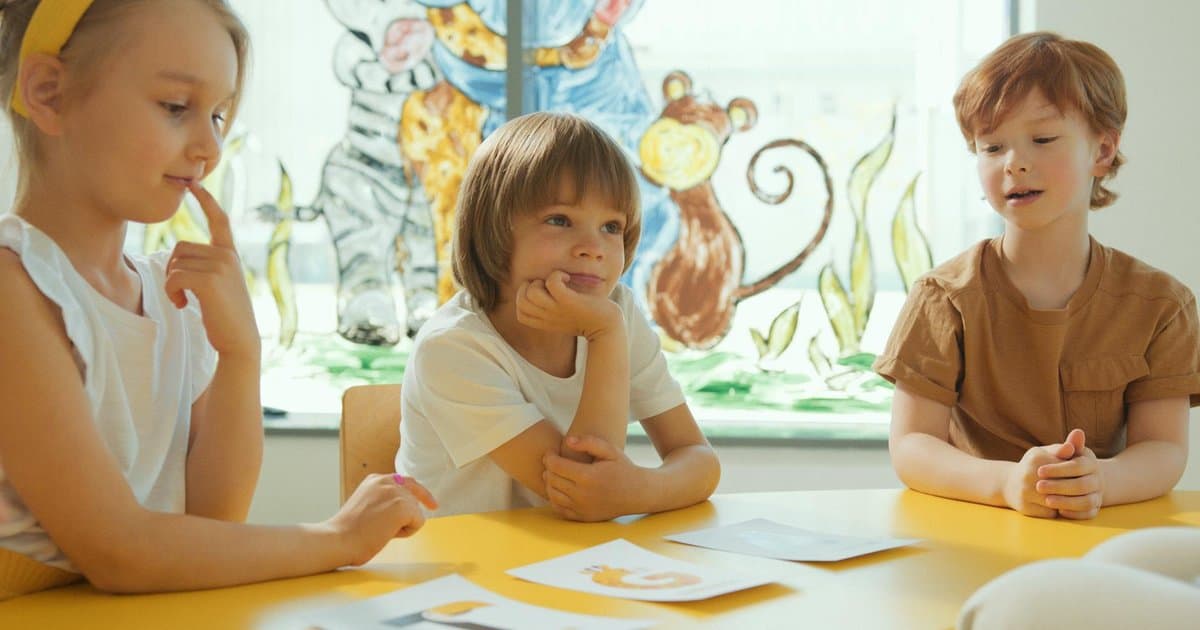
Safari themed lesson plans for elementary classrooms work because they tap into something kids already care about: animals, adventure, and discovery. You can weave science, literacy, social studies, math, and art into a single cohesive unit that holds attention for one to four weeks. The best part? You don't need elaborate materials or a themed classroom to pull this off.
Key Takeaways
- Safari units naturally integrate science, literacy, geography, math, and art.
- Engagement comes from exploration and discussion, not expensive materials.
- Kindergarteners focus on animal identification; upper grades tackle conservation research.
- Centering authentic African voices prevents stereotypes and builds cultural awareness.
- A focused unit runs 1–2 weeks; deeper exploration can extend to a month.
Safari Adventure Opens Doors Across the Curriculum
Young children are drawn to animals. According to research published by the National Association for the Education of Young Children (NAEYC), thematic instruction helps children make meaningful connections across subject areas, which strengthens both retention and motivation 1. A safari unit capitalizes on that natural fascination while giving you a framework for cross-curricular planning.
Think about what a single safari topic, like elephants, can cover. Science: elephant habitats, social behavior, diet. Literacy: nonfiction reading, vocabulary, journaling. Math: measuring trunk length, graphing population data. Social studies: locating elephant habitats on a map of Africa. Art: clay sculptures or watercolor paintings.
For K–2 students, the scope stays concrete and sensory. They identify animals, sort by characteristics, and explore textures and sounds. Grades 3–5 students can handle more abstract thinking: food webs, conservation ethics, and comparative geography. The theme scales naturally, which makes it ideal for mixed-ability classrooms or schools where teachers share resources across grade levels.
Animal Behavior and Habitat Science Lessons
Set up observation-based learning stations where students examine animal characteristics through photos, short videos, and printed fact sheets. BBC Earth and National Geographic Kids both offer free, classroom-appropriate video clips that show real animal behavior in African savannas.
Kindergarteners can sort animal cards into categories: big or small, spots or stripes, herbivore or carnivore. First and second graders can research a specific habitat, like the grassland or watering hole, then create a labeled diagram or shoebox diorama showing which animals live there.
Upper elementary students benefit from deeper investigation. Have them research a food chain within the savanna ecosystem, then present their findings as an illustrated poster or short slide deck. According to the Next Generation Science Standards framework, students in grades 3–5 should be able to construct arguments about how animals' internal and external structures support survival in particular habitats 2. A safari unit gives them a compelling context for exactly that kind of work.
Keep supplies simple. Printed images, index cards, markers, and recyclables for dioramas are plenty.
Read-Aloud and Literacy Integration for Safari Units
Picture books anchor this unit beautifully. For K–1, try We All Went on Safari by Laurie Krebs (counting and Swahili words) or Mama Panya's Pancakes by Mary Chamberlin (Kenyan village life). Grades 2–3 enjoy The Ugly Five by Julia Donaldson and Owen & Mzee by Isabella Hatkoff. Upper grades can read chapter excerpts from Born Free by Joy Adamson or nonfiction selections from National Geographic.
After reading, students write animal fact cards with a drawing on one side and three facts on the other. Younger students dictate their facts to an adult or peer. Grades 2–3 write short "field journal" entries as if they're on safari, describing what they saw, heard, and wondered. This kind of perspective writing builds both comprehension and voice.
For grades 4–5, assign informational paragraphs about a chosen animal. Require at least two sources and a simple bibliography. This introduces research skills while keeping the topic engaging. Vocabulary building happens naturally through repeated exposure to words like "savanna," "migration," "predator," "drought," and "conservation."
Much like social stories for teaching kids to make friends, narrative-based learning in safari units helps children practice empathy and perspective-taking through story.
Geography and Cultural Awareness Through Safari Exploration
This is where safari themed lesson plans for elementary classrooms can either shine or stumble. The goal is to move well beyond "Africa has cool animals" and build genuine geographic and cultural understanding.
Start with maps. Give students blank maps of Africa and have them locate countries known for safari tourism: Kenya, Tanzania, South Africa, Botswana, Namibia. Even first graders can label and color three or four countries. Older students can compare climates, landforms, and population data.
Then bring in cultural context. Use read-alouds and videos by African creators showing modern daily life, school, and family. Emphasize that Africa is a continent with 54 countries, hundreds of languages, and enormous diversity. Avoid reducing the continent to a single "safari landscape."
According to the National Council for the Social Studies, culturally responsive teaching requires presenting multiple perspectives and avoiding single-story narratives 3. Show students that conservation efforts in Africa are often led by local communities, not outside visitors. Resources from the African Wildlife Foundation provide age-appropriate examples of community-based conservation.
Art and Creative Expression: Safari Projects Students Love
Art gives kinesthetic and visual learners a chance to demonstrate understanding without relying solely on writing. These projects also make great hallway displays.
Low-prep options for K–2:
- Paper plate animal masks (lion, zebra, giraffe) using construction paper scraps
- Handprint giraffes or elephants on large mural paper
- Torn-paper collage savannas with a painted sunset background
Projects for grades 3–5:
- Clay or Model Magic animals with habitat bases
- Mixed-media landscape paintings combining watercolor skies with tissue-paper grass
- Printmaking with foam trays to create repeating animal patterns
Materials for most of these projects are things you already have: construction paper, paint, glue, scissors, and recyclables. If you have access to clay or Model Magic, the sculpture projects are particularly satisfying for students who struggle with flat, two-dimensional work.
Display finished pieces alongside student writing. A labeled diagram next to a painted elephant, or a field journal entry mounted beside a collage, shows visitors the depth of learning behind the art.
Movement and Drama: Bringing Safari to Life
Not every safari lesson happens at a desk. Movement-based activities give restless learners an outlet while reinforcing content.
Use animal movement as a transition tool. "Walk to your seats like a giraffe. Slow, tall, careful steps." Or: "Tiptoe like a leopard stalking prey." This takes five seconds and refocuses attention.
For a full drama lesson, assign small groups an animal and have them prepare a one-minute "nature documentary" skit. One student narrates while others act out the animal's behavior. Grades 2–3 love this format, and it builds both speaking skills and content knowledge.
Predator-prey tag works well outdoors. Designate some students as gazelles and others as lions. When tagged, gazelles freeze. Discuss afterward: Why is it hard to be prey? What strategies did you use? This connects directly to science content about adaptations and survival.
Research from the CDC's Comprehensive School Physical Activity Programs indicates that integrating movement into academic instruction improves both physical activity levels and classroom behavior 4. Safari themes make that integration feel natural rather than forced.
Grade-Level Adaptations for Safari Themed Lesson Plans
Kindergarten and Grade 1: Focus on sensory exploration and identification. Students learn animal names, sort by characteristics, listen to read-alouds, and create simple art. Keep sessions to 20–30 minutes. Use lots of visuals and movement.
Grades 2–3: Add habitat research, map work, and structured writing (fact cards, journal entries). Students can work in pairs to create a mini-poster about one animal. Sessions can run 30–45 minutes with guided independence.
Grades 4–5: Push into conservation topics, longer informational writing, and comparative geography. Students can debate questions like "Should animals be kept in zoos?" or research an endangered species and propose conservation actions. According to Piaget's theory of cognitive development, children in this age range are entering the concrete operational stage and can handle classification, logical reasoning, and multiple perspectives 5.
Some teachers find that reading a personalized safari animal adventure with a child's name woven into the story sparks extra enthusiasm, especially for reluctant readers who need that personal hook to engage with a theme.
Planning Your Safari Unit: Timing and Assessment
A focused safari unit runs 1–2 weeks. A deeper exploration with geography, conservation research, and a capstone project can stretch to 3–4 weeks. Choose your core focus first: animals and habitats, geography and culture, or conservation and ethics. Then select 3–4 core lessons and weave in daily read-alouds.
For assessment, skip the test. Use formative checks throughout the unit instead. Observe students during discussions and station work. Collect and review their animal fact cards, journal entries, or research posters. A simple rubric with three categories (understanding, effort, presentation) works for graded assignments.
Capstone projects give students a chance to synthesize learning. Options include a class "field guide" book, a gallery walk of dioramas, or a short documentary-style video. As educators explore how AI is changing early childhood education, tools like voice-to-text and image generators can also support students who need alternative ways to demonstrate understanding.
Keep your planning document to one page. List your daily focus, the read-aloud, the main activity, and any materials needed. Simple planning leads to more consistent follow-through.
Get practical parenting tips delivered weekly
Evidence-based guidance for the moments that matter. No spam, unsubscribe anytime.
Frequently Asked Questions
Keep reading
How to Create a Dog Memorial Book (With Printable Templates)
Create a dog memorial book with photos, stories, and mementos. Learn 5 organizational tips and design ideas for honoring your pet's memory.
8 min read

How to Write a Wedding Speech for Your Aunt and Uncle (With Examples)
Write a heartfelt 3-5 minute wedding speech for your aunt and uncle. Follow this proven structure with character-focused stories and authentic delivery tips.
7 min read

Cat Memorial Book Ideas: Creating a Lasting Tribute
Create a cat memorial book with photos, memories, and keepsakes. Learn 6 meaningful ways to honor your pet and process grief with this personalized tribute.
7 min read
Get weekly parenting tips backed by research
Evidence-based guidance for the moments that matter. No spam, unsubscribe anytime.