Teaching Kids About Airplane Safety: A Practical Guide
Prepare kids for flying with these 5 C's framework and proven strategies. Reduce anxiety through role-play, practice, and calm explanations before takeoff.
Erika Wong
Teaching Kids About Airplane Safety: A Practical Guide
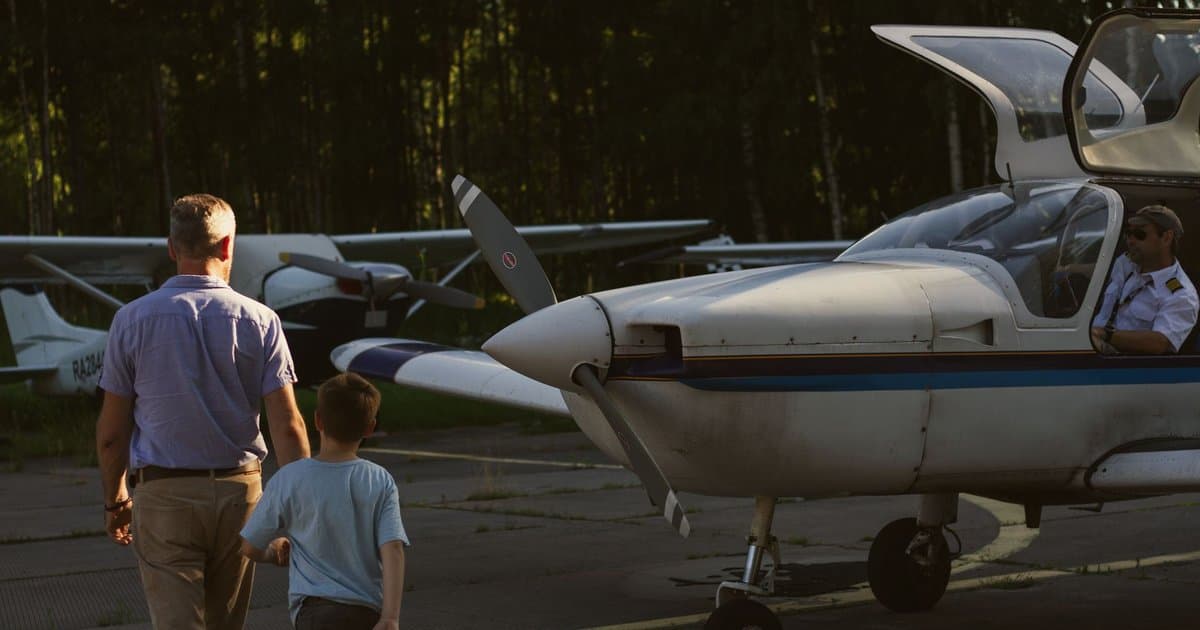
You can teach kids about airplane safety by walking through each part of the flight at home before travel day: seatbelts, turbulence sounds, emergency exits, and what the crew will ask them to do. Children who rehearse these steps through conversation, role-play, and stories arrive at the airport feeling prepared instead of panicked. This process takes days, not minutes, and that's fine.
Key Takeaways
- Teach airplane safety in advance using practice, role-play, and familiar comparisons.
- Children cooperate better when they understand the "why" behind each rule.
- Normalize turbulence and strange noises with calm, matter-of-fact language.
- Validate fear first, then give your child a concrete coping plan.
- Repetition across several days beats a single pre-flight lecture.
The 5 C's of Flying and Why They Help Kids
The 5 C's of flying are Communicate, Confess (admit uncertainty), Climb (gain altitude for safety), Comply (follow instructions), and Conserve (protect resources). These are pilot mnemonics, not kid-specific rules, but the underlying logic maps directly onto what we teach children: listen to the crew, speak up when something feels wrong, and follow instructions even when you don't fully understand them. When I explain rules to Nora and Ollie, I translate each C into language they can hold onto. "Communicate" becomes "tell me or the flight attendant if you feel sick or scared." "Comply" becomes "when the seatbelt sign lights up, we buckle right away, no arguments." Giving kids a framework, even a simplified one, helps them feel like active participants instead of passive passengers.
Why Airplane Safety Matters to Young Children
Children who understand what's about to happen are measurably calmer and more cooperative. According to the American Academy of Pediatrics (AAP) 1, preparing children for what to expect during air travel reduces anxiety-driven behavior and makes the experience safer for everyone. In my classroom, I never expect kids to follow a procedure they haven't practised. The same principle applies to flying. If your child has never seen a seatbelt sign, heard landing gear retract, or watched a safety demonstration, every moment of the flight is a surprise. Surprises trigger fight-or-flight responses in young brains. Walking through each phase beforehand (boarding, taxiing, takeoff, cruising, landing) gives your child a mental map. That map is what turns "scary unknown" into "I know this part."
Breaking Down Seatbelt Safety in Kid-Friendly Language
Start with what your child already knows. "This seatbelt works just like the one in our car. It keeps your body safe when the plane hits a bump." That single sentence does more than a ten-minute lecture. According to AmSafe's KidsFlySafe program 2, using a child aviation restraint system (CARS) approved by the FAA is the safest option for children under 40 pounds. If your child uses a car seat on the plane, let them practice sitting in it at home with the airplane-style lap belt over it.
Avoid fear-based language. Instead of "so you don't get hurt," try "so you stay snug and comfortable." In my experience, kids who associate the seatbelt with comfort rather than danger buckle up faster and complain less. Practice the click-and-release motion at home a few times. For kids ages 3 to 5, the physical skill of pressing the buckle release takes real finger strength, so rehearsing prevents frustration on the plane.
Explaining Emergency Exits and the Safety Demonstration
Frame exits the same way you'd frame fire drills at school. "We probably won't need them, but everyone on the plane knows where they are, and now you do too." Point them out casually while boarding. No big production needed.
During the safety demonstration, give your child a small job. "Can you count how many exits the flight attendant talks about?" or "Watch for when she shows the oxygen mask." Turning passive watching into active listening is something I do constantly in my classroom. It works on planes too. If your child is between 5 and 8, you might have them quietly point to the nearest exit after the demo, reinforcing the information without making it heavy. According to Britannica Kids 4, even basic knowledge of how airplanes work helps children feel more comfortable with the mechanics of flight.
Preparing Kids for Turbulence and Strange Noises
Turbulence is just the plane driving over bumpy air. That analogy lands well with most kids ages 3 to 8 because they've all felt a car bounce on a rough road. Explain it before the flight, not during it, when their nervous system is already activated.
Cover specific sounds they'll hear: the engine getting louder during takeoff, a clunk when landing gear retracts, a whooshing sound from the air vents, and pressure changes that make ears feel funny. I told Ollie before his first flight that the plane would "talk to us" with different sounds, and he spent takeoff narrating each noise instead of panicking. Give your child a grounding strategy for turbulence: squeeze your hand, count to ten, look out the window at how steady the wing stays. These are concrete actions, not vague reassurances. Having a plan matters more than having a promise that everything will be fine.
When to Worry vs. Normal Airplane Nervousness
Some nervousness before a first flight is completely developmentally typical, especially for children ages 3 to 6 whose brains are still learning to distinguish real danger from unfamiliar situations.
Normal looks like: asking lots of questions, clinging a bit at the gate, tearing up briefly during takeoff, needing extra reassurance during turbulence.
Concerning looks like: refusing to enter the airport, vomiting from anxiety, weeks of nightmares about planes, or a full panic response (hyperventilating, screaming, going rigid) that doesn't resolve with your support.
Normal Nervousness | Signs to Discuss with a Professional |
|---|---|
Asking repetitive questions | Refusing to board despite preparation |
Mild tears at takeoff | Panic attacks or hyperventilation |
Extra clinginess | Nightmares lasting weeks before the trip |
Needing reassurance during bumps | Physical symptoms (vomiting, headaches) from anticipatory anxiety |
Flight attendants are trained to help nervous young passengers. Don't hesitate to let them know your child is a first-time flyer.
Activities and Tools That Help Kids Learn Airplane Safety
Repetition through play is how young children internalize new information. In my classroom, we don't teach a procedure once and expect mastery. We practice it for days. Apply the same approach to flying.
A few things that work well: role-play "boarding the plane" using chairs at home; read a story about a child's first flight so your kid can see someone their age going through the same experience (a personalized book like My First Airplane Trip can be especially effective because your child sees themselves in the story); watch a short, kid-friendly video about takeoff and landing together; create a simple "flight day checklist" with pictures for non-readers.
According to HPA's guide on teaching kids about aviation 3, hands-on exposure to how airplanes work helps children build confidence and curiosity rather than fear. A visual schedule of the flight, from car ride to airport to boarding to landing, gives anxious children a sense of control over what's coming next.
Managing Anxiety Without Dismissing Fears
"You're fine" is not a coping strategy. When Nora told me she was scared of flying, I didn't talk her out of it. I said, "Flying feels scary to lots of people. Let's figure out what will help you feel okay." That validation came first. The problem-solving came after she felt heard.
Teach your child a specific plan for when fear shows up mid-flight: tell a parent, take three slow breaths, squeeze a comfort item, look out the window. Practicing this at home before the trip is essential because a panicking child cannot learn a new skill in real time. Their prefrontal cortex is offline.
Model calm yourself. Children mirror adult anxiety with startling accuracy. If you white-knuckle the armrest during turbulence, your child reads that as confirmation that something is wrong. Narrate your own calm: "Oh, bumpy air. I'm going to take a deep breath and keep reading my book."
Frequently Asked Questions
Should I tell my child about turbulence before the flight?
Yes. Brief, factual information reduces fear. Say something like, "The plane might feel bumpy, like a car on a gravel road, and that's normal."
What if my child refuses to board the plane?
Stay calm and give them a few minutes. Use a simple strategy like deep breathing or counting seat rows together. If refusal continues, speak with airline staff, who are trained to help.
Can I show my child videos of airplane takeoff and landing?
Age-appropriate videos are a great preparation tool. Watch together and answer questions as they come up. Avoid any footage of emergencies or crashes.
How do I explain oxygen masks to kids without scaring them?
Keep it simple: "They drop down if the air needs a little help. I put mine on first, then yours, just like in the video." Practice the motion at home if your child seems worried.
Is it okay to use tablets, headphones, or comfort items during the flight?
Absolutely. These tools help children manage sensory input and anxiety. A familiar stuffed animal, a favorite show, or noise-canceling headphones are legitimate coping strategies, not indulgences.
Sources
- American Academy of Pediatrics. Flying With Baby: Parent FAQs & Tips for Safer, Easier Air Travel. https://www.healthychildren.org/English/safety-prevention/on-the-go/Pages/Flying-with-Baby.aspx
- AmSafe. KidsFlySafe.com. https://www.amsafe.com/kidsflysafe-com/
- HPA. How Aircraft Owners Can Teach Kids About Aviation. https://www.flyhpa.com/2026/05/aircraft-owners-teach-kids-aviation/
- Britannica Kids. Airplane. https://kids.britannica.com/kids/article/airplane/352719
Get practical parenting tips delivered weekly
Evidence-based guidance for the moments that matter. No spam, unsubscribe anytime.
Frequently Asked Questions
Keep reading
Supporting Siblings During NICU Stay: What Parents Need to Know
Help siblings cope with NICU stress through honest explanations, routines, and connection activities. Most behavioral changes resolve within weeks of discharge.
10 min read
Teaching Empathy Through Children's Stories: A Practical Guide
Learn how to teach empathy through children's stories with practical techniques. Research shows kids develop stronger peer relationships with regular diverse
10 min read
How to Motivate Students on Classroom Behavior (Strategies That Work)
Master 8 proven strategies to motivate students on classroom behavior. Learn why specific praise and consistency outperform rewards, plus tools that work.
9 min read
Get weekly parenting tips backed by research
Evidence-based guidance for the moments that matter. No spam, unsubscribe anytime.