Meaningful Thank You Gifts for Daycare Teachers (That They'll Actually Use)
Discover meaningful thank you gift ideas for daycare teachers that show genuine appreciation. Budget-friendly to luxury options, plus DIY ideas and gifting tips.
Erika Wong
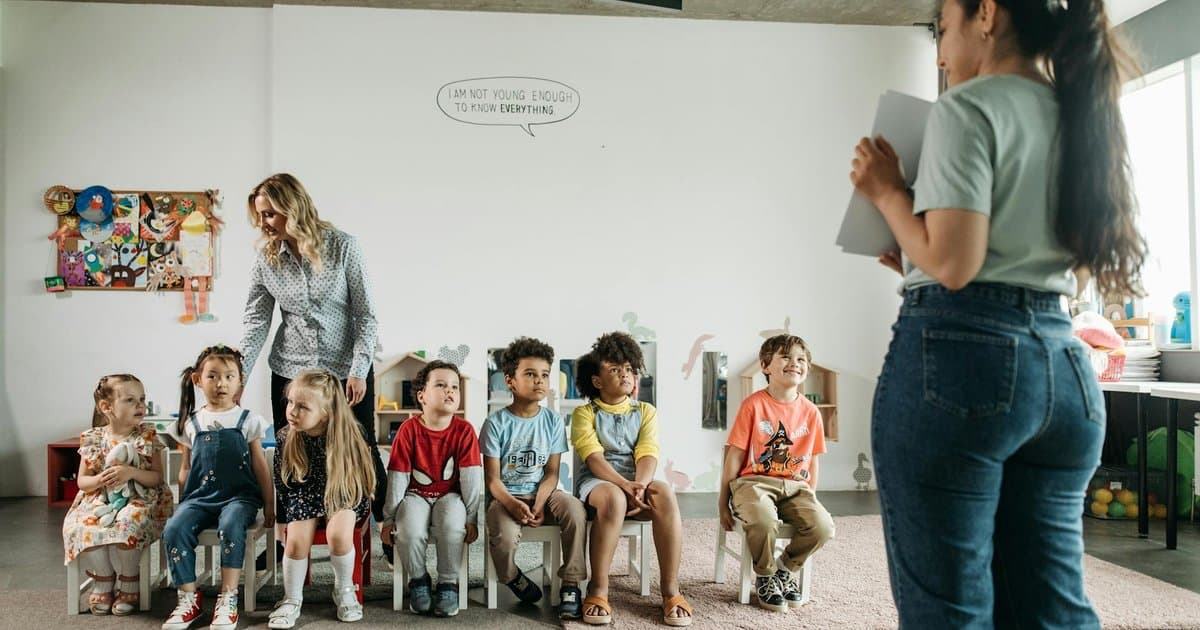
You know your child's daycare teacher deserves more than a generic mug. They've wiped noses, soothed meltdowns, and celebrated tiny victories you weren't there to see. But figuring out the right thank you gifts for daycare teachers can feel surprisingly stressful, especially when you're already stretched thin on time and budget.
Here's the thing: teachers notice thoughtfulness far more than price tags. According to a 2018 survey by the National Association for the Education of Young Children (NAEYC), early childhood educators consistently rank feeling "valued and respected by families" among their top motivators for staying in the profession. A well-chosen gift is one small way to send that message.
This guide covers what teachers actually want, practical ideas across every budget, and how to make your appreciation land, whether it's year-end, a holiday, or just a Tuesday when your kid finally stopped crying at drop-off.
Why Daycare Teachers Need More Than a Mug
Daycare teachers spend an average of 8 to 10 hours a day with your child, often managing big emotions, developmental milestones, and the physical demands of caring for multiple little bodies. According to the U.S. Bureau of Labor Statistics (2023), childcare workers earn a median annual wage of $30,370, one of the lowest among all occupations despite the intensity of their work.
Many teachers spend their own money on classroom supplies. A 2022 report from the Economic Policy Institute found that early childhood educators frequently subsidize their classrooms out-of-pocket for items like art materials, sensory bins, and extra snacks.
A meaningful gift acknowledges that emotional and financial labor. It also models gratitude for your child. When kids see a parent thoughtfully thanking their teacher, they learn that the people who care for them matter. That's a lesson worth more than any present.
What Daycare Teachers Actually Want as Thank You Gifts
If you could ask 20 daycare teachers what gifts they love most, three themes emerge consistently: consumable, personal, and practical.
Consumable gifts, quality coffee, tea, candles, or specialty snacks, are popular because they don't create clutter. Teachers accumulate dozens of gifts over the years, and many quietly feel guilty about discarding well-intentioned items they can't use.
Personal gifts reference something specific. A note that says "Thank you for helping Liam learn to share the blue truck" means infinitely more than "Thanks for everything!" Teachers remember those details.
Practical gifts ease their daily burden. Think hand sanitizer, quality tissues, or classroom art supplies. According to a 2019 NAEYC workforce survey, 94% of early childhood educators reported spending personal funds on work-related expenses. Gifts that offset that cost feel deeply respectful.
The common thread? Gifts that show you paid attention to them as a person.
15 Thank You Gift Ideas for Daycare Teachers Across Every Budget
Budget-Friendly ($10–$20)
- Locally roasted coffee or specialty tea, a small luxury that feels personal
- Artisan soap or hand cream, their hands take a beating from constant washing
- A handwritten note with a specific memory, free, and often the most treasured gift
- Reusable water bottle, practical for long classroom days
- A small succulent in a simple pot, low-maintenance and cheerful
Mid-Range ($20–$35)
- Gift card to a local coffee shop or bookstore, lets them choose what they actually want
- Classroom supply bundle, quality markers, stickers, or construction paper in a cute tote
- A cozy scarf or pair of warm socks, practical and personal
- Specialty food basket, think local honey, jam, or chocolate
- A quality insulated lunch bag, something they'll use daily
Splurge-Worthy ($35–$50+)
- A luxury candle set from a brand they've mentioned loving
- Restaurant gift card, an experience, not an object to store
- A curated basket around their interests, gardening supplies, baking ingredients, or craft kits
- Noise-canceling earbuds, for their commute or personal time
- A personalized keepsake book, more on this below
Research from the journal Early Childhood Education (Torquati et al., 2007) confirms that teacher well-being directly impacts classroom quality. Gifts that support a teacher's personal comfort aren't frivolous, they matter.
The Power of Personalization in Thank You Gifts for Daycare Teachers
Teachers receive dozens of gifts each year. Many are lovely but interchangeable, the same candle, the same lotion, the same Target gift card. What makes a gift unforgettable is specificity.
A handwritten note takes five minutes and costs nothing. But it needs to be specific. Instead of "Thanks for a great year," try: "Thank you for sitting with Maya every morning until she felt brave enough to join circle time. She talks about you at dinner."
That kind of detail tells the teacher: I see what you do. I notice the small things. According to research on gratitude by Algoe, Haidt, and Gable (2008) published in Emotion, specific expressions of thanks strengthen relationships more effectively than general ones because they signal genuine attentiveness.
You don't need to write a novel. Two or three sentences referencing a real moment will be read, reread, and sometimes kept for years.
Group Gifts From Parents: How to Organize Without Chaos
Pooling money from multiple families lets you give something more substantial without anyone spending too much. A typical contribution is $5–$10 per family, which can add up to a meaningful gift card, experience, or luxury item.
Here's how to keep it simple:
- One parent coordinates. Volunteers or room parents work best. Too many decision-makers creates confusion.
- Use a group chat or simple online form to collect preferences and contributions. Venmo or similar apps make money collection painless.
- Set a deadline and stick to it. Stragglers can add a personal note instead.
- Choose something the teacher wouldn't buy themselves, a spa gift card, a nice restaurant, or a high-quality bag.
Group gifts work especially well for year-end celebrations. They also reduce the awkwardness some parents feel about individual gift-giving, particularly if family budgets vary widely. The key is making participation optional and judgment-free.
Timing Matters: When and How to Give Thank You Gifts
End of the school year (May or June) is the most natural moment. Teachers are reflecting on the year, and your gift becomes part of that closure.
Transition moments, when your child moves to a new classroom, honor the relationship that's ending. This is especially meaningful for toddlers, who often form deep attachments to their primary caregiver.
After a breakthrough is an underrated moment to give a gift. If a teacher helped your child through separation anxiety, a potty training milestone, or a difficult behavioral phase, a surprise thank-you feels deeply genuine.
Holidays are expected but still welcome. Keep it simple to avoid the "obligatory gift" feeling.
Avoid giving gifts during parent-teacher conferences or when raising a concern, it can muddy the message. According to ZERO TO THREE, the parent-teacher relationship works best when appreciation and advocacy are expressed separately.
When a Thank You Note Is Enough
Not every kind gesture requires a wrapped present. A specific, heartfelt note works beautifully for everyday moments: answering your nervous text about nap schedules, handling a biting incident with grace, or sending you a photo of your child's art project.
Save gifts for bigger occasions, end of year, holidays, transitions, or milestones. Over-gifting can actually make teachers uncomfortable, especially if they sense obligation rather than genuine appreciation.
A good thank-you email takes two minutes: "I just wanted you to know that Aiden told me he loves Tuesdays because of your music circle. That means so much to us." That kind of message often gets screenshot-saved and revisited on hard days.
If you can't afford a gift at all, please know that teachers understand. Many parents find that consistent kindness, punctual pickups, respectful communication, and verbal appreciation, matters more than any object.
DIY Thank You Gifts: Personal Touch Without Extra Stress
Homemade gifts signal effort, and they don't need to be Pinterest-perfect. Here are three that take under 30 minutes:
Flavored bath salts or sugar scrub. Combine Epsom salts, a few drops of essential oil, and dried flowers in a small jar. Label it with your child's name and a short message. Cost: $5–$8.
Hot cocoa or cookie mix in a jar. Layer dry ingredients in a mason jar with instructions tied to the lid. Let your child decorate the label. Cost: $3–$5.
A "coupon book" your child draws — Include silly offerings like "one free hug," "I'll clean up without being asked," or (from the parent) "one free coffee delivery." Priceless emotionally, and kids love making them.
The key is presentation. A simple ribbon and a handwritten tag transform a $5 project into something that feels intentional and warm.
What NOT to Give: Common Missteps That Miss the Mark
Even well-meaning gifts can land awkwardly. Here's what to skip:
Anything that implies they're stressed or need fixing. A "stress relief" kit with a card saying "You deserve to relax!" can unintentionally suggest you think they're falling apart. Keep the message positive, not prescriptive.
Personal care items above the neck. Perfume, cologne, or skincare products feel too intimate and can imply something unintended. Hand cream is generally safe; facial products are not.
Gifts that create work. High-maintenance plants, complex DIY kits, or anything requiring assembly adds to a teacher's load rather than lightening it.
Regifted items or promotional freebies. Teachers can tell. It communicates the opposite of what you intend.
Alcohol — unless you know the teacher well and are certain it's welcome. Many daycare policies discourage it, and some teachers don't drink.
When in doubt, consumables and gift cards are always safe territory.
Personalized Teacher Thank You Books: A Meaningful Keepsake
Some parents find that giving a personalized storybook featuring their child and teacher creates a uniquely meaningful keepsake. Unlike consumables that get used up or generic gifts that blend together, a book with the child's name and a story about their classroom experience gives the teacher something to display, reread, and remember.
What makes this approach work is that children can see themselves in the story — navigating a challenge, expressing gratitude, or celebrating a bond with their teacher. It becomes a shared reading moment, not just a present.
This kind of gift works especially well for transitions, when a child is leaving a beloved teacher's classroom. It gives both the child and teacher a tangible reminder of their time together. Paired with a handwritten note from the parent, it often becomes one of those gifts teachers keep on their shelf for years.
Navigating Complicated Teacher Relationships
What if you want to acknowledge your child's teacher, but the relationship hasn't been easy? Maybe you've disagreed on discipline approaches or felt communication was lacking.
A small, appropriate gift — a coffee gift card, a simple candle — keeps things professional and cordial. You're thanking them for showing up every day, not endorsing every decision they've made.
However, if you have serious concerns about your child's safety or well-being, address those with the daycare administration directly and separately. A gift should never replace an important conversation.
If the daycare has a no-gift policy, respect it completely. A brief thank-you note is always appropriate and welcomed. Many centers implement these policies specifically to ensure no family feels pressured, and teachers genuinely understand.
Beyond the Gift: Making Teachers Feel Valued Year-Round
The most appreciated thank-you isn't a wrapped present — it's consistent, specific recognition throughout the year.
Share observations. "I noticed you helped Ella transition to nap time more smoothly this week — she's been sleeping better at home too." These micro-acknowledgments take seconds and cost nothing.
Communicate wins. When your child uses a word they learned in class, or tries a food their teacher introduced, tell the teacher. Many parents find that these small updates fuel a teacher's motivation more than any end-of-year gift.
Respect boundaries. Arriving on time for pickup, following classroom policies, and trusting their professional expertise are forms of appreciation that teachers value deeply. According to the Center for the Study of Child Care Employment at UC Berkeley (2020), feeling respected by families is a significant factor in early educator job satisfaction and retention.
Your thank-you gift is one moment. Your ongoing partnership with your child's teacher? That's what truly makes the difference.
Key Takeaways
- Thoughtfulness matters more than price — a $5 gift with a specific, handwritten note often outshines a $50 generic present
- Consumable, personal, and practical gifts are what teachers consistently prefer
- Personalization takes five minutes and makes your gift unforgettable
- Group gifts reduce individual pressure and allow for more substantial presents
- Year-round appreciation through specific communication and respect builds the strongest teacher-parent partnerships
Get practical parenting tips delivered weekly
Evidence-based guidance for the moments that matter. No spam, unsubscribe anytime.
Frequently Asked Questions
Keep reading

Supporting Siblings During NICU Stay: What Parents Need to Know
Help siblings cope with NICU stress through honest explanations, routines, and connection activities. Most behavioral changes resolve within weeks of discharge.
10 min read
Teaching Empathy Through Children's Stories: A Practical Guide
Learn how to teach empathy through children's stories with practical techniques. Research shows kids develop stronger peer relationships with regular diverse
10 min read

How to Motivate Students on Classroom Behavior (Strategies That Work)
Master 8 proven strategies to motivate students on classroom behavior. Learn why specific praise and consistency outperform rewards, plus tools that work.
9 min read
Get weekly parenting tips backed by research
Evidence-based guidance for the moments that matter. No spam, unsubscribe anytime.