Wedding Celebration Ideas for Extended Family: Meaningful Ways to Participate
Discover 8 wedding celebration ideas for extended family. Learn how to engage kids ages 3+ in ceremony roles, activities, and keepsakes at weddings.

Matt Li
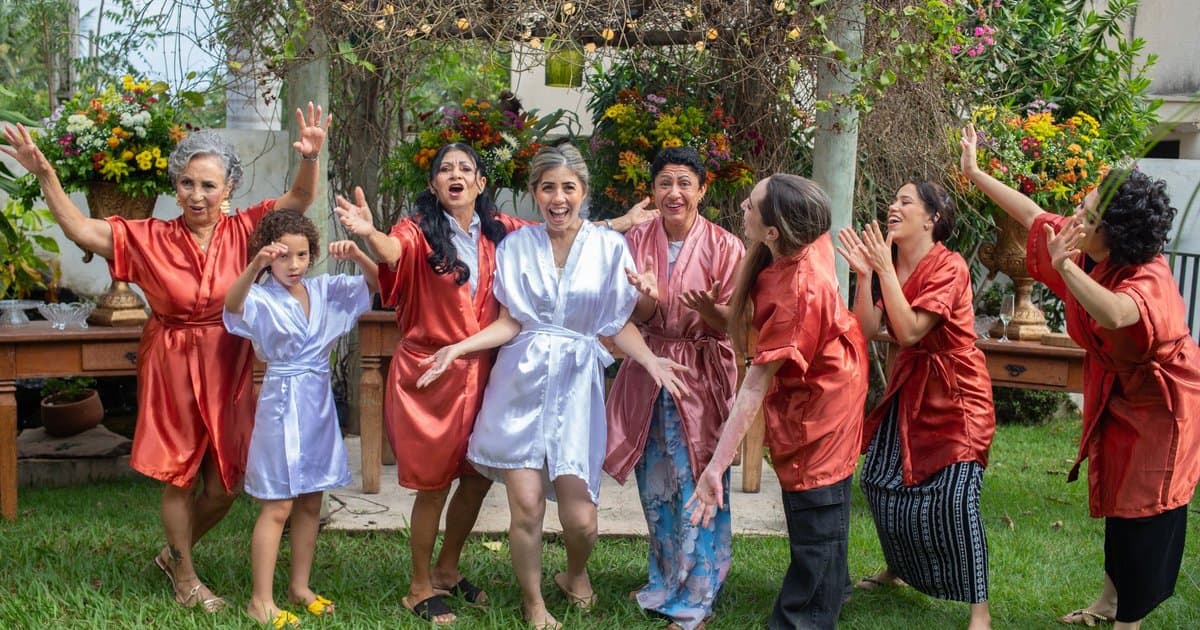
Extended family can participate in weddings through age-appropriate ceremony roles, kids' activity stations, multigenerational meals, coordinated family photos, and dedicated childcare for evening events. The best wedding celebration ideas for extended family give every generation a clear, low-pressure way to contribute without adding stress to the couple or to parents managing young children.
Key Takeaways
- Children ages 3+ can handle simple ceremony roles with practice and clear expectations.
- A kids' activity station with crafts and games prevents restlessness during long receptions.
- Pre-wedding family meals help young children adjust to relatives they rarely see.
- Assigning a "kids coordinator" frees parents to enjoy the celebration.
- Quiet rooms or hired sitters for evening events prevent overtired meltdowns.
The 50-30-20 Budget Rule and How It Shapes Family Celebrations
The 50-30-20 rule suggests spending 50% of your wedding budget on the reception, 30% on ceremony and décor, and 20% on everything else (attire, favors, photography). For families hosting large extended-family celebrations, this breakdown matters because the reception is where most kid-friendly touches live: activity stations, coordinated meals, and childcare. Knowing that reception costs dominate the budget helps you prioritize spending on elements that keep children engaged rather than pouring money into décor kids won't notice.
According to Denizen MKE 1, planning a wedding with a big family often means rethinking how you allocate time and money so no one feels excluded. When your guest list skews multigenerational, small investments in kid-friendly features pay off in reduced stress for everyone.
Age-Appropriate Ceremony Roles for Children
Young children feel special when they have a small, manageable job during the ceremony. Ring bearer, flower girl, junior usher, or candle lighter are all roles that give kids ownership without overwhelming them.
For children ages 3 to 5, stick to one-step tasks: walking down the aisle holding a pillow, tossing petals, or standing beside a parent. Older kids (ages 6 and up) can handle more complex roles like reading a short poem or handing out programs. Practice the role at home at least twice so the child knows what to expect.
Clear expectations prevent anxiety. Tell your child exactly when they'll walk, where they'll stand, and what happens afterward. Many parents find that children in ceremony roles feel more connected to the event when they've rehearsed.
Kids' Activity Stations Before or After the Ceremony
A dedicated space with crafts, coloring pages, and quiet games keeps children engaged during cocktail hour and long photo sessions. According to Zilli Hospitality Group 2, pre- and post-ceremony celebration activities help extend the day's meaning beyond the main event.
Inexpensive options include coloring pages featuring the couple's names, DIY confetti cones, and a "guestbook station" where kids draw wishes for the newlyweds. These drawings become keepsakes the couple treasures for years.
Assign a family member, perhaps an older cousin or an aunt not in the wedding party, to supervise the station. This frees parents to enjoy cocktails and conversation instead of managing restless kids. Keep the station stocked with snacks, and place it within earshot of the reception so parents can check in easily.
A Multigenerational Pre-Wedding Celebration Meal
A casual family dinner the night before the ceremony gives everyone a chance to reconnect in a low-pressure setting. This is especially valuable for extended family who may only gather once or twice a year.
For young children, this relaxed meal is critical. Kids who rarely see certain relatives can warm up gradually rather than being thrust into a loud, formal event cold. Let cousins play together. Let grandparents hold babies. According to WeddingWire community contributors 3, some families extend the celebration into a multi-day vacation so that the wedding becomes one highlight among many shared family experiences.
A simple pizza night or backyard barbecue works. The goal is connection, not formality.
A Coordinated Family Photo Session or Memory Wall
A 15-minute extended family photo during the reception captures a group that may not gather again for years. Coordinate with the photographer in advance so the timing doesn't compete with the couple's portraits.
DIY alternative: designate one family member to take candid group shots throughout the day. Kids enjoy being part of big group photos, and a family photo session becomes a keepsake for every household represented.
A memory board is another simple addition. Set out cards and markers so guests (including children) can write or draw wishes for the couple. According to Kelsey Converse 4, small, personal touches like these make even large receptions feel intimate. Kids especially love contributing art they know the couple will keep.
Assigning a Family "Kids Coordinator" During the Reception
Designate one trusted family member to manage children during the reception. This person organizes lawn games, coordinates bathroom runs, and problem-solves so that neither the couple nor individual parents carry the full burden.
The coordinator can set up a "kids' dinner table" before the main meal, run a dancing competition, or lead a scavenger hunt. For large families with children spanning ages 2 to 12, this role prevents chaos.
Many parents notice their stress drops dramatically when someone else is actively watching the group. The coordinator doesn't need to be a professional. A fun-loving aunt, an older teenage cousin, or a grandparent who genuinely enjoys herding kids can fill the role. Brief them on any allergies, nap schedules, or behavioral considerations beforehand.
Childcare and Quiet Rooms for Evening Events
Late receptions test every child's limits. Arranging a quiet room with a babysitter, movies, books, and snacks lets younger children rest while parents enjoy dancing.
Hire a local sitter or ask a trusted family friend to supervise the space. Staggered sleep times work better than forcing kids to stay awake past their bedtime, which usually ends in tears for everyone. Communicate pickup logistics clearly: parents should know exactly where the room is, when children will be put down, and when to collect them.
Some families find that leaving after dinner is the right call. Others stay until midnight because their kids sleep anywhere. Neither approach is wrong. Prioritize your child's temperament over social expectations.
A Special Book or Keepsake Featuring Your Child
A personalized book that celebrates the wedding from a child's viewpoint gives them something tangible to hold onto. Some parents find that reading a personalized story about a family wedding helps because children see themselves as participants in a big family moment, not just bystanders.
Books about the couple or the celebration become conversation starters about family relationships for months afterward. This works especially well if the child had a role in the ceremony.
Multi-Family Accommodation for Out-of-Town Weddings
Vacation rentals with multiple bedrooms let extended family stay together, share meals, and split costs 3. Group transportation (a rented minivan or coordinated carpooling) reduces the stress of parents driving solo with car seats and luggage.
Staying together overnight gives kids time to play with cousins and lets parents decompress after a long event. A shared breakfast the morning after extends the celebration naturally and eases travel fatigue. Coordinate clearly about who's attending which events so families with young children can plan naps and early departures without guilt.
When Overstimulation Is Normal vs. When to Scale Back
Most children experience some anxiety at big events. Loud music, unfamiliar faces, and formal clothing all contribute to sensory overload. Mild nerves are age-appropriate.
Some children do better attending only the ceremony or only the reception. A child doesn't need to participate in every activity, and letting them skip the kids' station is perfectly fine. If a child struggles significantly with crowds, separation, or sensory input, focus on their comfort rather than fulfilling a role. The couple will understand. Pressure creates negative associations with family events that can linger.
Get practical parenting tips delivered weekly
Evidence-based guidance for the moments that matter. No spam, unsubscribe anytime.
Frequently Asked Questions
Keep reading
Preparing Your Older Child for a New Baby: A Practical Guide
Help your older child adjust to a new sibling with evidence-based strategies. Most siblings adapt within 3-6 months with consistent routines and one-on-one
11 min read
How to Prepare Your Toddler for an Airplane Trip (Step-by-Step)
Learn how to prepare toddlers for flying 2–3 weeks early using the 3-3-3 rule, social stories, and sensory prep to reduce anxiety and meltdowns.
8 min read
Customised Story Books: Why Personalisation Matters for Children
Discover why personalised story books increase reading engagement. A systematic review found parent engagement predicts sustained shared reading success.
10 min read
Get weekly parenting tips backed by research
Evidence-based guidance for the moments that matter. No spam, unsubscribe anytime.