Preparing Your Older Child for a New Baby: A Practical Guide
Help your older child adjust to a new sibling with evidence-based strategies. Most siblings adapt within 3-6 months with consistent routines and one-on-one

Matt Li
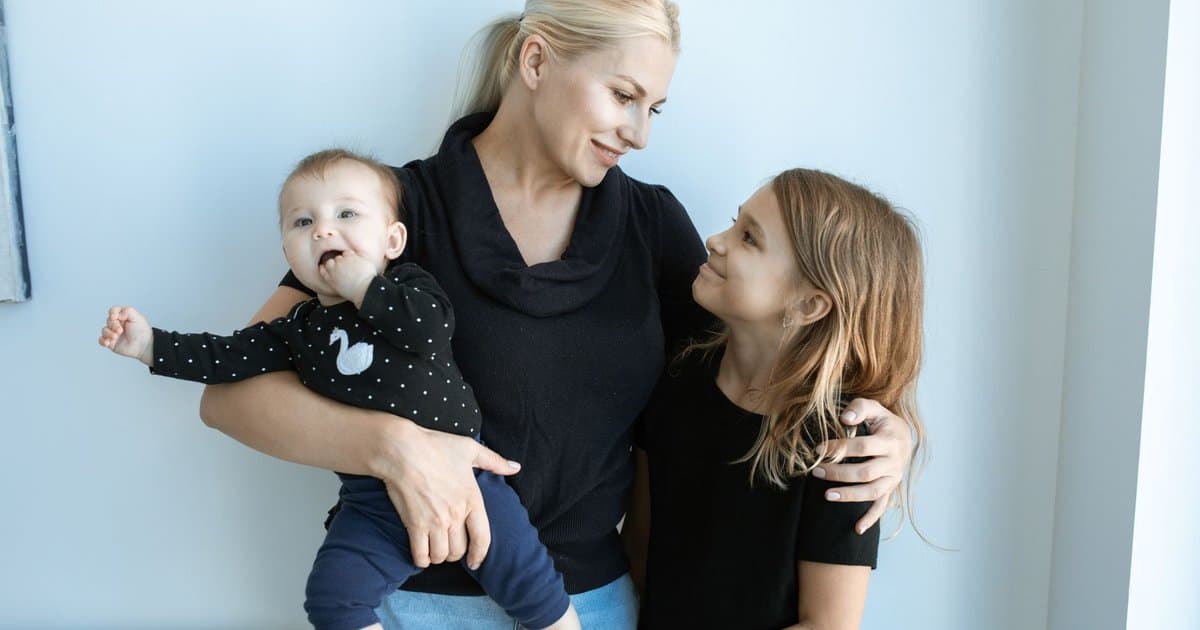
Start preparing older siblings for a new baby by keeping their daily routines intact, talking honestly about what will change, and protecting consistent one-on-one time with them. These three things matter more than any gift, nursery decoration, or perfectly staged hospital introduction. Most children adjust well within a few months when they feel genuinely secure in your love and their place in the family.
Key Takeaways
- Regression like baby talk or potty accidents is a normal stress response, not defiance.
- One-on-one time, even ten minutes daily, is the strongest protective factor against adjustment problems.
- Tell your child about the baby 2 to 6 months before the due date, depending on their age.
- Sibling jealousy is evidence of love, not a character flaw.
- Most older siblings find a new equilibrium within 3 to 6 months.
Understanding Your Older Child's Feelings About the New Baby
When an older child starts acting out after hearing about a new sibling, parents often label it jealousy. The reality is more layered. Your child is processing fear of losing you, confusion about change, and uncertainty about where they fit. According to Griffin (1983) 3, sibling jealousy in families with a new baby is rooted in the older child's anxiety about parental attention and love, not simply possessiveness.
Regression is the most common sign of this stress. You might see potty accidents in a trained child, baby talk, clinginess, or sudden difficulty separating at drop-off. These behaviours are not defiance. They are your child's nervous system signalling overwhelm.
The single most effective response is validation. "I can see you're worried about things changing" lands far better than "There's nothing to be scared of." Naming the feeling out loud reduces its grip. This takes repetition, sometimes weeks of it, and that pace is completely normal.
Starting the Conversation About the New Sibling
Timing matters. Toddlers (ages 2 to 3) have little concept of months, so telling them two to three months before the baby arrives is usually enough. Preschoolers (ages 3 to 5) benefit from four to six months of lead time. School-age children can handle hearing earlier and often appreciate being trusted with the news.
According to Storr (1998) 2, preparing kids for a new baby with simple, concrete language about what will change and what will stay the same helps reduce anxiety. Be specific: "The baby will need to eat during the night, so Mummy might be more tired. But our bedtime stories will still happen." Avoid overselling the baby as a playmate. A newborn does not play, and your child will feel misled.
Picture books about becoming a sibling give children vocabulary for feelings they cannot name yet. Read them repeatedly; the message deepens with each exposure.
Maintaining Routines and Protecting One-on-One Time
Routines are your older child's emotional anchor. When everything else feels uncertain, knowing that Tuesday is still library day and bedtime still starts with two books provides a sense of safety that no amount of verbal reassurance can match.
Pick one daily ritual to protect fiercely. Breakfast together, the walk to school, the bedtime story. This ritual becomes the proof that your love has not been replaced. According to Sawicki (1997) 1, anticipatory guidance strategies that maintain the older child's routine and individual attention significantly reduce sibling adjustment problems.
Involvement in baby preparation can also help, but keep it manageable. Let your child pick a toy for the baby's crib or choose the colour of a blanket. Avoid turning every conversation into "the baby." Your child needs to hear you talk about their world too: their drawing, their friendship drama, their latest climbing achievement.
Sibling Jealousy and Regression: What's Normal and What Needs Attention
Mild regression typically peaks around two to four weeks after the baby arrives and settles within three to six months. You might see your child wanting a bottle again, using a baby voice, or refusing to do things they had previously mastered. These are signs of stress, not steps backward in development.
Respond with patience and matter-of-factness. "Your body is telling us you need extra help right now" reframes the regression without shame. Avoid power struggles over toileting, eating, or sleeping, because pressure in these areas tends to entrench the problem.
Jealousy itself is not a character flaw. It is evidence that your child loves you deeply and fears losing you. Name it plainly: "You wish I could just hold you right now instead of feeding the baby. I get that."
Watch for patterns that go beyond normal adjustment: unprovoked aggression toward the baby, extreme withdrawal, refusal to eat or sleep, or school refusal lasting beyond four to six weeks.
Practical Strategies for the Hospital Visit and First Days Home
The first meeting between your older child and the new baby sets an emotional tone, but not in the way most parents fear. Low pressure is the key. Let your child decide whether to hold the baby. Some children want to immediately; others need to watch from across the room. Both responses are fine.
Show your child photos or videos of newborns before the birth. The wrinkled skin, possible cone-shaped head, and loud crying can genuinely frighten a child who expected something closer to a doll. Honest preparation prevents shock.
A small gift "from the baby" is common advice, and it can work, but don't oversell it. Some children see right through the gesture and feel patronised. A gift from you, thanking them for becoming a big sibling, often feels more genuine. Keep the first days home calm. Limit visitors if your older child seems overwhelmed, and avoid narrating every baby-related moment out loud.
Building Connection Between Siblings at Different Ages
How you foster the sibling relationship depends on your child's developmental stage.
Age Range | Connection Strategy | What to Avoid |
|---|---|---|
2 to 3 years | Simple "helping" tasks: fetching nappies, singing to baby | Expecting real caregiving or gentleness without supervision |
3 to 5 years | Choosing the baby's outfit, narrating the baby's "feelings" together | Forcing extended interaction when they want to play alone |
5 to 8 years | Real responsibilities: reading to the baby, being the "special person" on outings | Treating them as a second parent or expecting maturity they haven't reached |
Model patience in front of your older child. When the baby cries, say out loud: "She's telling us she's hungry. Let's help her." Your child is learning how to respond to someone who cannot communicate yet, and they are watching you closely.
Using Stories and Books to Prepare Older Siblings for a New Baby
Stories are one of the most effective tools for helping children process change they cannot fully articulate. A child who hears a book character worry about being replaced can finally say, "I feel like that too."
For children aged two to six, picture books about new siblings work best when read multiple times. The repetition is not boredom; it is processing. For children aged seven and up, chapter books that feature sibling dynamics can open conversations more naturally.
Some parents find that a personalized story about becoming a big sibling resonates in a specific way, because the child sees their own name navigating the exact situation they are facing. This is one option among many, and it works best alongside honest conversations rather than as a substitute for them.
Supporting Your Older Child's Identity Beyond "Big Sibling"
One thing I watch for, both in my classroom and at home, is when a child's identity gets absorbed into a single role. After Ollie was born, I noticed people constantly calling Nora "the big sister" as though that was her entire personality. She started resisting the label, which confused family members who meant it as a compliment.
What helped was deliberately praising things that had nothing to do with the baby. "You climbed to the top of that structure by yourself" and "I loved the way you mixed those paint colours" reminded her she was still Nora, the kid who was curious and brave, not just Nora the big sister.
Avoid comparing siblings, even positively. "You were never this fussy as a baby" sounds like praise but teaches your child that comparison is how your family measures worth.
Managing Your Own Stress During the Transition
Your older child can sense your anxiety about whether they will bond with the baby. If you are hovering over every interaction, narrating every gentle touch, and tensing every time they get close, they will pick up on it.
Postpartum exhaustion compounds this. You are sleep-deprived, physically recovering, and hormonally volatile. Patience with your older child may feel genuinely impossible some days. Plan for this in advance: ask your partner, a family member, or a friend to cover one daily routine, like bedtime or the school run, so you have breathing room.
If your older child is also experiencing first day of preschool anxiety during this period, the stress can feel compounding. Flag it with their teacher so the school can provide extra connection. Good preschool communication with parents during this transition makes an enormous difference.
Real-World Adjustment Timeline for the First Year
Weeks one through four are typically the hardest. Your older child is processing the permanent reality of a person who is not leaving. Regression peaks here. The primary need is reassurance and consistency, not correction.
By months two and three, many children begin showing genuine curiosity about the baby. The regression usually reduces, though it may resurface during illness or other stressors. Small moments of affection start appearing naturally.
Between months four and twelve, rivalry often re-emerges as the baby becomes mobile and starts grabbing toys. This is developmentally healthy. Your older child is learning to share space with someone who has their own agenda. Affection and jealousy coexist during this period, sometimes within the same hour.
If your baby arrived early, you may also need to consider teaching children about premature birth to help your older child understand why the baby looks or behaves differently than expected.
Reconnecting With Your Older Child Postpartum
Ten minutes of full, undivided attention daily is more powerful than a scattered hour. Put your phone down, hand the baby to someone else, and give your older child your face, your voice, and your focus. Let them choose the activity.
In my classroom, I call this "floor time," and it works the same way at home. You sit at their level, follow their lead, and resist the urge to direct or teach. The message is simple: you are still the most important person in this room right now.
Rebuilding connection postpartum may not feel natural at first. You are healing, depleted, and possibly struggling with feelings of guilt about dividing your attention. That discomfort does not mean you are failing. It means you are in the thick of transition, and transitions are hard for parents too.
When to Worry: Red Flags That Warrant Professional Support
Temporary behaviour changes are expected. But some patterns signal that your child needs more support than home strategies can provide.
Seek professional advice if your older child shows persistent aggression toward the baby beyond the first month, extreme withdrawal or sadness lasting more than six weeks, school refusal that does not resolve, or physical symptoms like stomach aches and headaches with no medical cause. A child psychologist or play therapist can help your child process feelings they cannot articulate. Early support prevents resentment from becoming a fixed pattern in the sibling relationship.
You have not failed if your child needs outside help. Some children carry more anxiety than others, and the transition to siblinghood can surface worries that were already present beneath the surface.
Get practical parenting tips delivered weekly
Evidence-based guidance for the moments that matter. No spam, unsubscribe anytime.
Frequently Asked Questions
Keep reading

Wedding Celebration Ideas for Extended Family: Meaningful Ways to Participate
Discover 8 wedding celebration ideas for extended family. Learn how to engage kids ages 3+ in ceremony roles, activities, and keepsakes at weddings.
8 min read
How to Prepare Your Toddler for an Airplane Trip (Step-by-Step)
Learn how to prepare toddlers for flying 2–3 weeks early using the 3-3-3 rule, social stories, and sensory prep to reduce anxiety and meltdowns.
8 min read

Customised Story Books: Why Personalisation Matters for Children
Discover why personalised story books increase reading engagement. A systematic review found parent engagement predicts sustained shared reading success.
10 min read
Get weekly parenting tips backed by research
Evidence-based guidance for the moments that matter. No spam, unsubscribe anytime.