How to Prepare Your Toddler for an Airplane Trip (Step-by-Step)
Learn how to prepare toddlers for flying 2–3 weeks early using the 3-3-3 rule, social stories, and sensory prep to reduce anxiety and meltdowns.

Matt Li
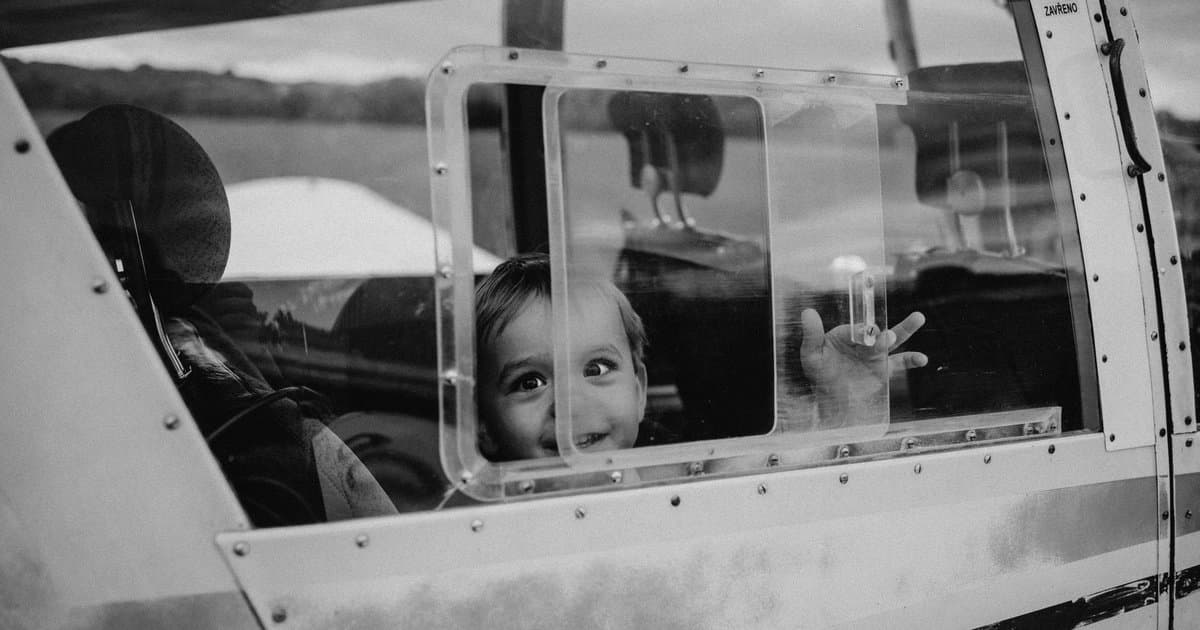
Start preparing your toddler for an airplane trip two to three weeks before departure by talking about what will happen, reading stories about flying, and practicing sitting still. Toddlers build confidence through repetition and familiarity, so the more they "rehearse" the experience before the real thing, the calmer they'll be on flight day.
Key Takeaways
- Begin talking about flying 2–3 weeks early using simple, honest language.
- Read social stories and watch real plane videos to build sensory familiarity.
- Practice sitting still in confined spaces before the flight.
- Pack novel toys and snacks, rotating activities every 15–20 minutes.
- Manage ear pressure with chewing, sucking, or child-safe earplugs.
The 3-3-3 Rule for Toddler Airplane Prep
The 3-3-3 rule is a simple planning framework: pack 3 snacks, 3 activities, and 3 comfort items for every flight segment. It gives parents a portable, low-stress checklist that covers nutrition, entertainment, and emotional security without overpacking. Many seasoned traveling parents swear by this structure because it prevents decision fatigue mid-flight. You can adapt the specific items based on your child's preferences and the flight length, but the ratio keeps things manageable.
Start Talking About Flying 2–3 Weeks Before Departure
Use simple, concrete language your toddler can picture. Say things like "We're going to sit in a big plane that flies up in the sky" rather than vague reassurances. According to Little Ones 1, talking through the sequence of events (airport, boarding, takeoff, landing) helps children know what to expect and reduces fear of the unknown.
Keep your descriptions honest. If the engines will be loud, say so: "The plane makes a loud noise when it starts, like a big fan." Telling a toddler "it won't be loud" and then having them experience roaring engines breaks trust and increases anxiety. Walk through the sequence multiple times across different days. Piaget's concept of schema building tells us that children process unfamiliar experiences by connecting them to things they already know, so repetition is your best tool here.
Read Social Stories and Watch Age-Appropriate Plane Videos Together
Visual learning helps toddlers process what flying will actually look and sound like. Watch short, real footage of planes taking off and landing (not cartoons) so your child hears genuine engine noise and sees actual cabin interiors. Pair this with reading social stories and watching plane videos that walk through each step of the airport experience.
Read the same story 3–4 times before departure. According to Emily Krause (2024) 3, this kind of repetition helps toddlers feel like the experience is already "known," which significantly lowers resistance on flight day. Focus your conversations on sensory details: what they'll see through the window, what the seatbelt feels like, what the cabin sounds like during takeoff. Sensory preparation matters more than logistical details for this age group.
Visit an Airport Terminal or Watch a Video Walkthrough
If you live near an airport, take your toddler to the terminal a week or two before your trip. Let them watch planes from observation windows, hear the ambient noise, and see other families walking through security. Think of it like visiting an airport terminal the way you'd visit a doctor's office before a procedure: familiarity removes the element of surprise.
If a visit isn't feasible, search YouTube for "airport walkthrough for kids" and watch together. Point out the security checkpoint, the gate area, and the jet bridge. According to TravelynnFamily 2, even watching videos of other families boarding planes can help toddlers feel less overwhelmed when it's their turn. The goal is simple: nothing should feel completely new on travel day.
Practice Sitting Still in a Confined Space
Airplane seats are cramped, and toddlers aren't built for sitting still. Before the flight, turn car rides into "plane practice" by practicing sitting still and following instructions with quiet games. Try coloring, sticker books, or small figurines while buckled in.
Practice the instruction "stay in your seat" without making it a battle. A sticker chart works well here: reward increasing durations of seated time (start with 10 minutes, build to 30). Let your toddler practice buckling and unbuckling a car seatbelt, which mimics the airplane buckle motion. The physical familiarity helps them feel competent rather than restricted. Keep sessions short and positive. You're building a habit, not testing endurance.
Plan Activities and Snacks Strategically
Pack 3–5 small, novel toys your toddler hasn't seen before. Wrapping them in tissue paper adds an extra layer of engagement. Rotate activities every 15–20 minutes to prevent boredom. Good options include mess-free coloring pads, reusable sticker books, small figurines, and playdough in a sealed bag.
For snacks, choose items that are easy to eat and won't create crumb chaos: string cheese, grapes (halved), small crackers, and squeezable pouches. According to Emily Krause (2024) 3, timing snacks to coincide with restless moments (rather than offering them all at once) gives you natural "resets" throughout the flight. Bring one comfort item, whether that's a stuffed animal, blanket, or pacifier. Having something familiar anchors your toddler when everything else is new.
Prepare for Sensory Changes: Ear Pressure, Noise, and Motion
Ear pressure during takeoff and landing causes real discomfort. Encourage swallowing by offering a lollipop, sippy cup, or chewy snack during ascent and descent. For toddlers over two, a piece of gum can help. If your child is sensitive to loud sounds, pack child-sized noise-reducing headphones or soft earplugs designed for small ears.
Tell your toddler in advance: "Your ears might feel funny, like they need to pop. That means the plane is going up, and it stops after a few minutes." This honest, matter-of-fact framing prevents panic. According to Little Ones 1, normalizing sensory changes in advance is one of the most effective ways to reduce mid-flight meltdowns. Motion sensitivity varies by child, so keep a plastic bag handy and avoid heavy meals right before boarding.
Stay Calm Yourself: Children Mirror Your Energy
Toddlers are remarkably good at reading adult emotions. If you board the plane tense and anxious, your child will pick up on it immediately. Before the flight, take a few deep breaths, remind yourself that you've prepared well, and project calm confidence.
Avoid phrases like "don't be scared" or "it won't be bad," which actually plant the idea that there's something to fear. Instead, say "the plane is going to make a big sound, and then we'll fly!" with genuine excitement. If delays or turbulence happen, stay matter-of-fact: "The plane is bumpy right now. It does that sometimes." And remember, a meltdown on a plane is not a parenting failure. It's a toddler having a developmentally normal response to an intense environment. It will pass.
Personalized Stories About Airplane Travel
Some families find that reading a personalized story, where their child is the main character boarding a plane and flying through the clouds, builds confidence in a unique way. When toddlers see themselves in the narrative, the experience shifts from "unknown and scary" to "something I can do." A book like *Up Up and Away: My First Airplane Trip* lets your child rehearse the journey with their own name and face in the story. Read it several times before the trip so the sequence becomes familiar and predictable.
When to Talk to Your Pediatrician
Most toddler anxiety about flying is developmentally normal and resolves with preparation. Contact your pediatrician if your child has severe anxiety that doesn't improve with repeated exposure, ear tubes or recent ear infections (which can make pressure changes more painful), or any respiratory conditions that might be affected by cabin pressure. If your child has sensory processing challenges, an occupational therapist may have specific strategies for managing the flight environment.
Get practical parenting tips delivered weekly
Evidence-based guidance for the moments that matter. No spam, unsubscribe anytime.
Frequently Asked Questions
Keep reading
Preparing Your Older Child for a New Baby: A Practical Guide
Help your older child adjust to a new sibling with evidence-based strategies. Most siblings adapt within 3-6 months with consistent routines and one-on-one
11 min read
Wedding Celebration Ideas for Extended Family: Meaningful Ways to Participate
Discover 8 wedding celebration ideas for extended family. Learn how to engage kids ages 3+ in ceremony roles, activities, and keepsakes at weddings.
8 min read

Customised Story Books: Why Personalisation Matters for Children
Discover why personalised story books increase reading engagement. A systematic review found parent engagement predicts sustained shared reading success.
10 min read
Get weekly parenting tips backed by research
Evidence-based guidance for the moments that matter. No spam, unsubscribe anytime.