Christmas Adventure Book Template for Teachers: Engage Your Class
Free Christmas adventure book template for K-5 classrooms. Includes prompts, assembly ideas, and grade-level adaptations for meaningful holiday writing projects.
Erika Wong
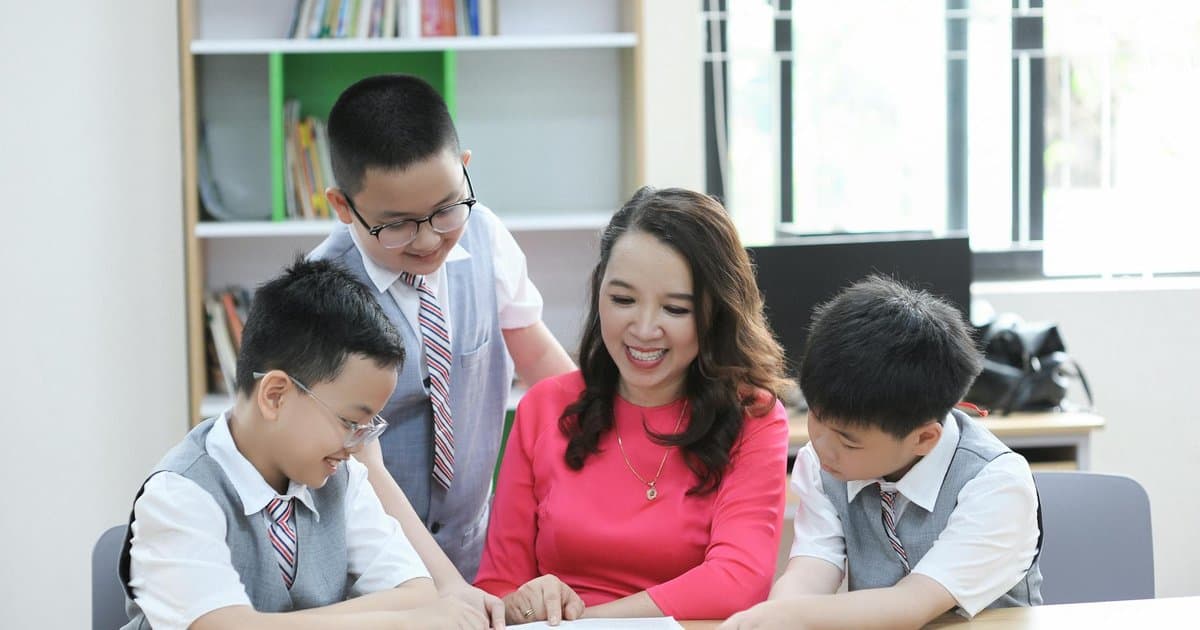
A Christmas adventure book template for teachers turns December writing time into a creative project students genuinely love. The template provides structured prompts, illustration spaces, and sentence starters that guide students through writing their own short adventure stories, all while meeting writing and reflection standards. The entire project takes 3-4 class sessions of 20-30 minutes each, requires almost no special supplies, and produces a keepsake families treasure long after winter break.
Key Takeaways
- The project requires only 3-4 sessions of 20-30 minutes and minimal supplies.
- Templates adapt easily across K-5 with simple grade-level modifications.
- Students build writing confidence through playful, low-pressure storytelling.
- Finished books double as meaningful holiday gifts for families.
- Starting in early December avoids last-minute schedule conflicts.
Why Christmas Adventure Books Work in the Classroom
Adventure books tap into something every child already does naturally: imagine themselves as the hero of a story. When students write about a Christmas adventure, they combine creative writing with personal reflection in a format that feels like play, not schoolwork. This framing builds confidence in reluctant writers who freeze at a blank prompt but light up when told to write themselves into a snowy quest.
According to Hutton (2017) 2, children show increased brain activation and engagement during story-based activities, particularly when they feel connected to the narrative. Putting a student at the center of their own story creates exactly that connection.
The project also creates something tangible. In a season of disposable crafts, a handmade book stands out. Parents notice. Many teachers who run this project annually report that families keep the books for years, pulling them out each December alongside ornaments and stockings. If you're interested in other Meaningful Elementary Teacher Gifts Beyond the Generic, student-made books consistently rank among the most cherished.
How to Use the Christmas Adventure Template in Your Classroom
Start by reading a sample adventure book aloud. This gives students a concrete model and builds excitement. Then distribute the template pages and walk through the structure together: a cover page, 4-6 interior adventure scenes with prompts, and a back page for an "about the author" blurb.
Let students choose which prompts to complete. Choice matters here. A student who picks "You discover a hidden door in a gingerbread house" will invest more than one assigned a prompt that doesn't spark their imagination. Offer 8-10 prompt options so every student finds at least 4-6 they're excited about.
Dedicate class time for both writing and illustration. Splitting these into separate sessions works well. Session one: introduce and draft. Session two: continue writing. Session three: illustrate. Session four: assemble and share. A Christmas adventure book template with pre-formatted pages keeps the structure consistent so you can focus on supporting students rather than managing logistics.
Adapting the Christmas Adventure Book Template by Grade Level
Not every student needs the same level of scaffolding, and the beauty of this project is how easily it scales.
Kindergarten and Grade 1 students benefit most from large illustration boxes with a single line underneath for labeling or a short sentence. Many teachers scribe the student's dictated words, then let the child trace or copy. The drawing carries the story at this level, and that's perfectly fine.
Grades 2-3 students thrive with fill-in-the-blank sentence starters: "I opened the door and saw ___. It smelled like ___." Pair these with a word bank of seasonal vocabulary (icicle, chimney, reindeer, sparkle) to support spelling and expand descriptive language.
Grades 4-5 students can handle open-ended scenarios with richer narrative expectations. Give them a situation ("Your sleigh crash-lands on a tropical island") and let them run. Encourage dialogue, sensory details, and a clear beginning, middle, and end. According to the National Council of Teachers of English, narrative writing at this level should develop character motivation and plot structure, making adventure prompts a natural fit.
Simple Assembly and Binding Ideas
You do not need a laminator, a binding machine, or a trip to the craft store. The simplest approach works best, especially when you're assembling 25 books in one session.
Single staple along the spine. This is the fastest method and looks clean. Two staples for longer books. Done in under 10 seconds per book.
Two brads through pre-punched holes. This creates a flip-book feel students love. Pre-punch all pages before photocopying to save significant time on assembly day.
Hole punch and yarn. Three holes along the left edge, threaded with yarn or ribbon, gives a handmade book-binding aesthetic. It takes slightly longer but feels special. Consider recruiting a parent volunteer or older student helper if you go this route.
Set up an assembly-line table with stations: stack pages, align, bind, decorate cover. Students move through in small groups while others finish illustrations. This keeps the energy productive rather than chaotic.
When to Introduce the Project and Pacing
Timing is everything in December. Start too late and you're competing with holiday parties, assemblies, and the general fizz of the last week before break. Start too early and the project loses its seasonal magic.
The sweet spot is early-to-mid December. Introduce the project during the first week and plan for completion by the start of the final week. This gives you 3-4 sessions spread across roughly two weeks, with buffer days built in.
Here's a sample schedule that many teachers find manageable:
- Session 1 (Monday, Week 1): Introduce the project, read a model book, distribute templates, choose prompts.
- Session 2 (Wednesday or Thursday, Week 1): Draft adventure scenes.
- Session 3 (Monday or Tuesday, Week 2): Illustrate pages.
- Session 4 (Wednesday, Week 2): Assemble, decorate covers, partner share.
Each session runs 20-30 minutes. That's roughly two hours of instructional time total, fitting neatly into existing writing or literacy blocks.
When This Activity Works Best (and When to Adjust)
This project thrives in classrooms with a predictable schedule and at least some dedicated writing or arts time. If your December already includes a play rehearsal, a service project, and three assemblies, scaling back is smart rather than heroic.
A shortened version works well: reduce to 2-3 pages plus a cover. Students complete one adventure scene and one illustration instead of four. The keepsake quality remains, and you avoid the stress of an unfinished project heading into break.
For classrooms that want extension work, consider sending template pages home as an optional family activity. According to Nan (2025) 1, shared book-related activities between parents and children strengthen engagement, though access and time vary by household. Frame it as an invitation, not an assignment. Families who participate get quality creative time together. Those who don't face no penalty.
If your students enjoy the creative writing aspect, you might also explore DIY Handmade Teacher Gifts Kids Can Actually Create for companion projects that channel that same making energy.
What to Do With Finished Christmas Adventure Books
Don't let the books go straight into backpacks. Celebrate the work first. A 15-20 minute "book unveiling" builds community and gives students a real audience for their writing.
Partner shares are the fastest approach: pair students up, give each person two minutes to read their favorite adventure scene aloud, then switch. For a bigger moment, gather the class in a circle and invite 3-4 volunteers to share with the whole group. Keep it low-pressure. Applause after each reading goes a long way.
Then send the books home. Tuck a short note inside explaining the project: what students practiced (narrative writing, sequencing, descriptive vocabulary) and how families can extend the conversation by asking about the adventures. Many teachers find that Personalized Christmas Books: Why Kids Love Seeing Themselves in Stories resonates with parents who want to keep that storytelling momentum going over break. Some parents find that reading a personalized story together, where their child sees themselves navigating an adventure, reinforces the confidence built during the classroom project.
These books aren't just cute. They're evidence of growth, creativity, and voice. Families keep them.
Differentiating for Diverse Learners
Every classroom includes students at different writing levels, and the adventure book format is flexible enough to support all of them.
For struggling writers and English language learners, provide word banks with seasonal vocabulary, pre-written sentence frames, and larger illustration spaces. Let drawing carry more of the narrative. Pair reluctant writers with a buddy who can help brainstorm ideas aloud before writing begins.
For advanced writers, offer additional blank pages for bonus adventures or a "story map" planning page where they outline character motivations and plot twists before drafting. A decorative cover-design station gives fast finishers a meaningful extension rather than busywork.
Celebrate effort over perfection at every level. A kindergartner's labeled drawing of a reindeer and a fifth grader's two-page quest both represent real creative work. Display that range proudly.
Get practical parenting tips delivered weekly
Evidence-based guidance for the moments that matter. No spam, unsubscribe anytime.
Frequently Asked Questions
Keep reading

Supporting Siblings During NICU Stay: What Parents Need to Know
Help siblings cope with NICU stress through honest explanations, routines, and connection activities. Most behavioral changes resolve within weeks of discharge.
10 min read
Teaching Empathy Through Children's Stories: A Practical Guide
Learn how to teach empathy through children's stories with practical techniques. Research shows kids develop stronger peer relationships with regular diverse
10 min read

How to Motivate Students on Classroom Behavior (Strategies That Work)
Master 8 proven strategies to motivate students on classroom behavior. Learn why specific praise and consistency outperform rewards, plus tools that work.
9 min read
Get weekly parenting tips backed by research
Evidence-based guidance for the moments that matter. No spam, unsubscribe anytime.