DIY Alphabet Books: 8 Creative Projects Kids Actually Want to Read
Learn 8 DIY alphabet book ideas using photos, textures, and activities. Homemade books help kids learn letters faster with familiar objects and engaging formats.

Matt Li
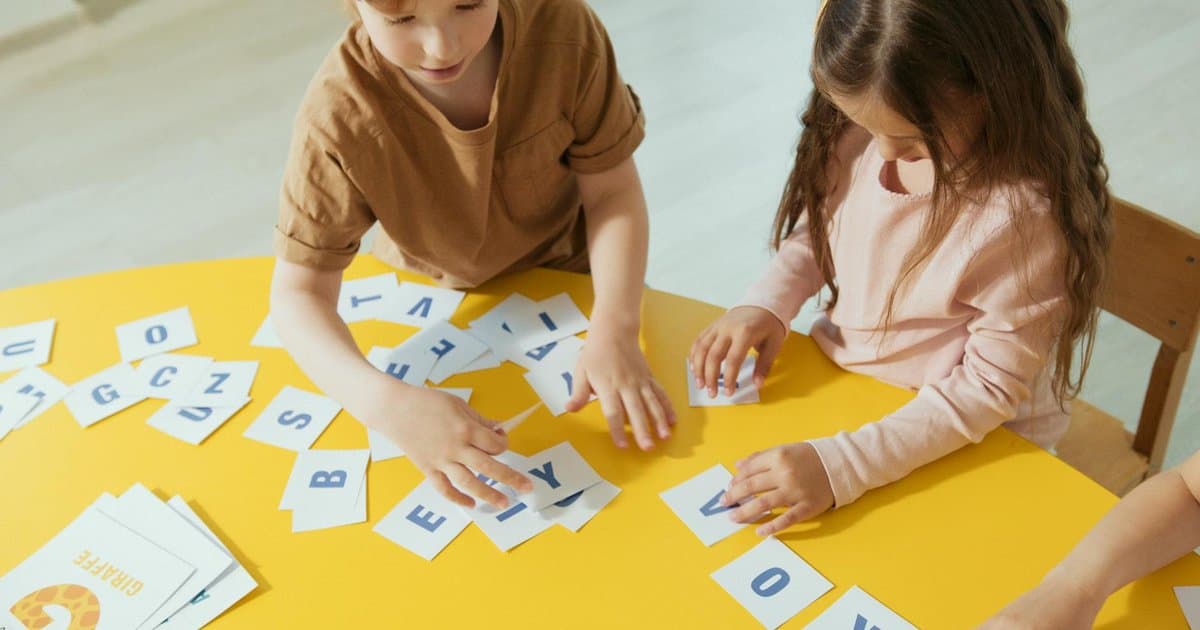
The best DIY alphabet book ideas for kids start with what your child already loves. Photograph their favorite toys, let them glue fabric scraps onto cardstock, or build pages around dinosaurs, trucks, or whatever obsession is running this week. Homemade alphabet books outperform generic ones because children recognize the faces, objects, and places on each page, which helps letter-sound connections form faster.
Key Takeaways
- Children learn letters faster from books featuring familiar people and objects.
- DIY alphabet books cost almost nothing and can be made in a single afternoon.
- Tactile, interactive, and photo-based formats keep preschoolers rereading willingly.
- Starting with 5 to 8 familiar letters builds confidence before tackling all 26.
- Repetition with a personally meaningful book matters more than buying expensive materials.
Photo-Based Alphabet Books Using Family Pictures
A photo alphabet book is the simplest DIY alphabet book idea for kids, and it's one of the most effective. Take a picture of one object or person per letter: A for Aunt Amy, B for your child's stuffed Bear, C for the family Cat. Print photos at home or at a pharmacy kiosk, then glue each one onto cardstock or construction paper.
Research from Richert, Robb, and Smith (2011) found that young children transfer knowledge more readily from media featuring familiar characters and contexts 1. A book full of your child's own world applies this principle directly.
Let your child help choose what to photograph. Even two-year-olds can point at objects they want to include. Laminate finished pages with clear packing tape or slide them into a small binder with sheet protectors. This makes the book sturdy enough to survive dozens of readings. If you're curious about the broader research behind why familiar faces matter in children's books, our article on personalised children's books with photos explores the evidence in detail.
Hand-Drawn and Illustrated Alphabet Books
Hand-drawing an alphabet book doubles as fine motor practice. Your child doesn't need to draw anything recognizable. A wobbly circle labeled "O is for Orange" works perfectly. You write the letter and word; they add color, scribbles, or shapes.
According to NAEYC's guidelines on early writing, mark-making is one of the earliest steps toward literacy, and children who regularly draw alongside letters develop stronger letter recognition 2. Color-coding helps too. Assign a different crayon color to each letter so your child starts associating visual cues with specific sounds.
Add simple sound effects to each page: "A is for Apple, crunch crunch!" or "D is for Drum, boom boom!" These auditory anchors give children a multisensory hook. Stick figures, fingerprints turned into animals, and traced hand shapes all make pages feel personal. The goal is ownership, not artistic perfection.
Sensory Alphabet Books with Textures and Materials
Tactile alphabet books engage touch alongside sight, which is especially valuable for children between ages 2 and 4 who are still developing pre-reading skills. Glue sandpaper to the S page, cotton balls to C, a square of aluminum foil to F, and a piece of ribbon to R.
A study published in the Journal of Experimental Child Psychology by Bara, Gentaz, and Colé (2007) showed that children who explored letter shapes through touch alongside visual input demonstrated stronger letter recognition than those who only saw the letters 3. Use non-toxic glue sticks or white school glue, and press materials firmly so they survive little fingers pulling at them.
Keep textures varied across the book: bumpy, smooth, crinkly, soft, rough. You can trace the letter shape itself in the textured material, or simply attach the object that starts with that letter. Either approach works. Let your child feel each page while you say the letter sound aloud. Repetition through multiple senses is what makes this format powerful.
Sticker and Collage Alphabet Pages
Collage-style pages are the fastest DIY method, which matters when you have 15 minutes and a restless three-year-old. Flip through old magazines or grocery catalogs, tear out pictures of items starting with each letter, and glue them down. One parent's junk mail becomes a child's reading tool.
This approach works well for mixed-age groups. Younger children can tear and paste while older preschoolers practice identifying the first letter of each image. Stickers from the dollar store fill gaps quickly. Combine stickers with hand-drawn elements for a mixed-media feel that children find more interesting than either approach alone.
If you enjoy craft projects with your child, this activity pairs well with other DIY handmade gifts kids can create. Save leftover magazine clippings for future projects. The act of choosing and placing images gives children a sense of creative control, which the NAEYC identifies as a key motivator in early literacy activities 2.
Alphabet Books from Loose Parts and Nature Materials
Take the project outside. Collect sticks to form the letter T, arrange pebbles into an O, press leaves onto the L page. Nature-based alphabet books combine letter learning with outdoor exploration, and for active kids who resist sitting still, this format is a better fit than desk-based crafts.
Arrange materials into letter shapes on the ground first, photograph them, and then print the photos for your book. Alternatively, press flat items (leaves, flower petals, thin bark) directly onto pages using clear packing tape. Both methods work.
According to ZERO TO THREE, children learn best when literacy activities connect to real experiences and hands-on exploration 4. A nature walk where your child hunts for "something that starts with B" turns a simple outing into phonics practice. Pinecones, berries (look, don't eat), and butterflies all become learning anchors tied to a specific afternoon your child remembers.
Sound-Focused Alphabet Books with Words and Rhymes
Not every alphabet book needs pictures. A sound-focused version emphasizes alliteration and rhyme: "Silly snakes slide slowly" for S, or "Big brown bears bounce balls" for B. Write these phrases in large, clear letters on each page. Your child hears the repeated initial sound, which builds phonemic awareness.
Research by the National Institute for Literacy found that phonemic awareness in preschool is one of the strongest predictors of later reading success 5. Alliterative phrases make the target sound obvious without needing explicit instruction.
Add nursery rhymes or short poems you already know. "Jack and Jill" anchors J. "Baa Baa Black Sheep" anchors B. If your child has a favorite silly word (and most preschoolers do), build a page around it. Including a few pictures or stickers alongside the text helps younger children stay engaged, but the real learning comes from hearing and repeating the sounds.
Interactive Flap Books and Movement Pages
Lift-the-flap pages turn passive reading into active play. Fold a half-sheet of paper over each letter page so children lift it to reveal the picture or word underneath. "What's hiding under the flap? It starts with M!" This simple interaction sustains attention and makes rereading feel like a game rather than a lesson.
Add movement prompts on some pages. "J is for Jump. Jump three times!" or "S is for Stretch. Reach for the sky!" Movement-based learning helps preschoolers, especially those between ages 2 and 3, who struggle to sit through an entire book. Alternating between still pages and action pages keeps energy levels manageable.
Use sticky notes as quick flaps if you don't want to fold paper. They peel off eventually, but they're easy to replace. For a sturdier version, tape one edge of a small square of cardstock over the image. Questions under flaps ("Can you find something else that starts with P?") extend the conversation beyond the page.
Category-Based Alphabet Books (Animals, Food, Vehicles)
Theme-based alphabet books tap directly into your child's current interests. A dinosaur-obsessed four-year-old will happily sit through 26 pages of prehistoric creatures. An animal book, a food book, or a vehicle book narrows the focus and makes each letter feel connected to a larger story.
Choose a theme your child already talks about. Then brainstorm together: "What animal starts with G? What about K?" Some letters will be tricky (X, Q), and that's fine. Use creative solutions like "eXtra-large elephant" or skip the hardest letters entirely in early versions.
Themed books also blend learning goals. An animal alphabet book teaches letters while introducing habitats and diets. A food-themed version can spark conversations about nutrition. According to the AAP's literacy guidance, embedding learning into topics children already care about increases both engagement and retention 6.
When DIY Alphabet Books Truly Make an Impact
Homemade alphabet books work best when children reread them. A beautifully crafted book that sits on a shelf teaches nothing. Place your finished book where your child can grab it independently, perhaps near their bed or in a basket of favorites.
Update pages as interests shift. If your child loses interest in trucks and discovers space, swap out a few pages. This keeps the book relevant and gives you an excuse to revisit letter-sound practice with fresh material.
Some parents find that reading a personalized story about the alphabet helps because children see themselves navigating the learning process. A personalized ABC adventure that includes your child's name and photo, combined with your homemade book, gives them both a polished and a personal version to compare and enjoy. The combination of professional illustrations and child-made pages often keeps preschoolers engaged longer than either format alone.
When Store-Bought or Digital Alternatives Might Work Better
DIY isn't always the right answer. If you're short on time, dealing with a newborn, or simply exhausted, a high-quality published alphabet book serves the same core purpose. Chicka Chicka Boom Boom, Dr. Seuss's ABC, and Eating the Alphabet by Lois Ehlert are all excellent and widely available at libraries.
Alphabet apps with sound buttons and interactive features appeal to some children more than paper books. That's okay. The goal is engagement, not crafting for its own sake. Mixing homemade books with published ones gives children variety and exposes them to different illustration styles, fonts, and vocabulary.
If your child is in a classroom setting, teachers often rotate between commercial and student-made alphabet books throughout the year. Both have a place. The research consistently shows that what matters most is repeated exposure to letters in meaningful contexts, regardless of whether the book cost $15 or $0 5.
When to Talk to Your Pediatrician
Most preschoolers learn letter names between ages 3 and 5, with wide variation in pace. If your child shows no interest in any letters by age 4, struggles to recognize their own name by age 5, or has difficulty hearing the difference between similar sounds, mention it at your next well-child visit.
Speech and language delays sometimes show up first as disinterest in letter activities. Your pediatrician can refer you to a speech-language pathologist or early intervention services if needed. Early identification leads to better outcomes, and raising the question is never overreacting.
Get practical parenting tips delivered weekly
Evidence-based guidance for the moments that matter. No spam, unsubscribe anytime.
Keep reading
How to Create a Dog Memorial Book (With Printable Templates)
Create a dog memorial book with photos, stories, and mementos. Learn 5 organizational tips and design ideas for honoring your pet's memory.
8 min read

How to Write a Wedding Speech for Your Aunt and Uncle (With Examples)
Write a heartfelt 3-5 minute wedding speech for your aunt and uncle. Follow this proven structure with character-focused stories and authentic delivery tips.
7 min read

Cat Memorial Book Ideas: Creating a Lasting Tribute
Create a cat memorial book with photos, memories, and keepsakes. Learn 6 meaningful ways to honor your pet and process grief with this personalized tribute.
7 min read
Get weekly parenting tips backed by research
Evidence-based guidance for the moments that matter. No spam, unsubscribe anytime.