Documenting Baby Milestones: A Parent's Practical Guide
Learn how to document baby milestones effectively with simple methods. Babies reach walking between 9-18 months through unique pathways. Includes tips for busy

Matt Li
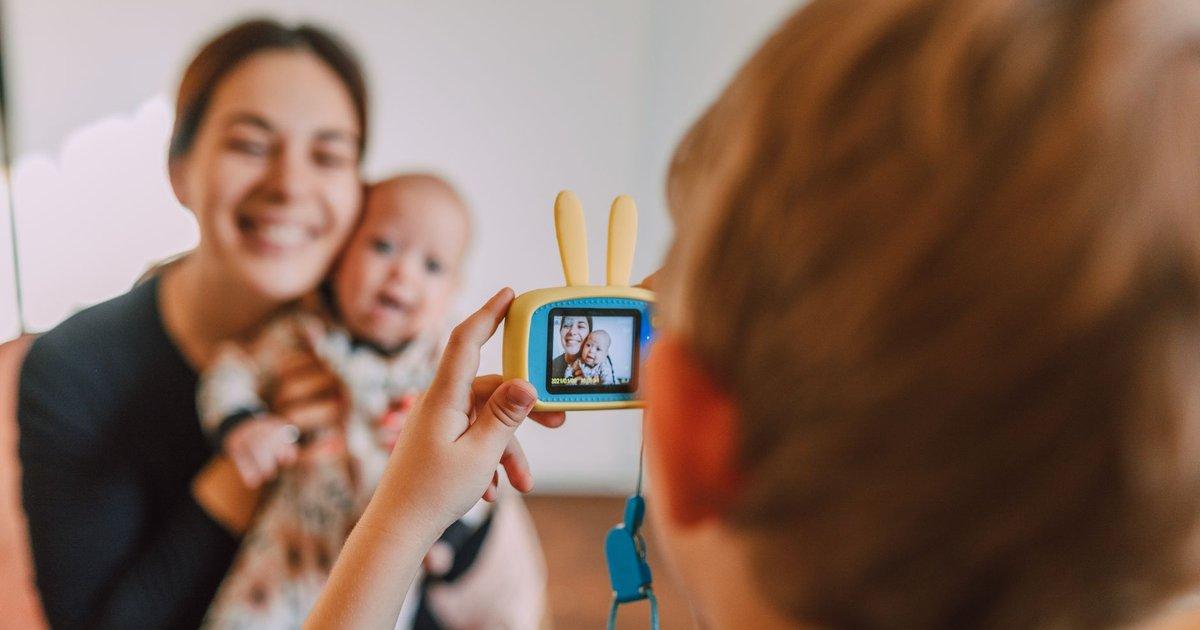
Documenting baby milestones means keeping a simple, ongoing record of your child's development so they can understand their own story later. You don't need a professional camera, a fancy scrapbook, or even consistency. A dated notebook entry, a phone photo with a caption, or a short video clip of your baby's first babble all count as meaningful documentation.
Key Takeaways
- Children who know their early story show stronger identity and emotional security.
- The best documentation method is whichever one you'll actually use consistently.
- Babies develop along wide timelines, so document what your child is doing.
- Include personality quirks and your own feelings alongside standard milestones.
- Physical and digital backup together protects memories for decades.
Why Documenting Baby Milestones Matters More Than You Think
Children benefit emotionally from knowing their early history. Developmental psychology research on narrative identity suggests that kids who hear stories about their younger selves develop a stronger sense of continuity and belonging. When your toddler asks, "What did I do when I was a baby?" your documented record becomes the answer.
For parents, the practice of documenting baby milestones serves a quieter purpose: it helps you notice patterns. According to Rockers (2023) 2, structured developmental monitoring by caregivers improves early detection of delays, even outside clinical settings. You don't need training to be a good observer of your own child. You already are one.
Tracking progress also eases anxiety. When you can look back and see that your baby is gaining new skills, even slowly, that written proof is reassuring on hard days. Extended family members, especially grandparents living far away, also benefit from regular updates that help them feel connected to a growing child.
Milestones Worth Documenting
Not every milestone carries the same weight, and no family needs to capture all of them. Focus on four broad categories: physical development, communication, social and emotional growth, and personality.
Physical milestones include rolling, sitting unsupported, crawling, pulling to stand, and walking. According to Schneider (2023) 3, babies reach walking through many different motor pathways, meaning your baby's route to mobility is genuinely unique. That makes documenting how they moved, not just when, especially interesting.
Communication milestones cover first coos, consonant sounds, babbling strings, and recognizable words. Social milestones include the first real smile, recognizing caregivers by sight, responding to their name, and playing alongside other children.
Then there's personality. The way your baby lights up at a specific song, their stubborn refusal of peas, the face they make when concentrating. These details feel ordinary now, but in five years you won't remember them without a record.
Simple Documentation Methods That Stick
The best system is whichever one you'll actually maintain. Most parents combine two or three low-effort methods rather than relying on a single elaborate one.
Method | Best For | Time Required |
|---|---|---|
Dated notebook | Quick written snapshots | 2 minutes per entry |
Phone photos with captions | Visual record with context | 1 minute per photo |
Monthly milestone cards | Tracking physical growth over time | 5 minutes per month |
Short video clips | Capturing sounds and movement | 30 seconds to record |
Private blog or app | Organized, searchable, shareable | 5-10 minutes per entry |
A notebook in the diaper bag works if you're a jotter. A dedicated photo album on your phone works if you're visual. Some parents keep a running note on their phone and transfer it weekly. The format matters far less than the habit.
If you want something more structured, milestone card sets (printed cards with "Today I..." prompts) give you a simple photo prop. Place the card next to your baby, snap a photo, and you have a dated visual record.
Making Documentation Feel Natural, Not Stressful
Perfectionism is the biggest enemy of consistent documentation. Parents who try to maintain a daily journal with polished writing and professional photos almost always burn out within weeks. A more sustainable rhythm is weekly or even monthly.
Pick one primary method and treat everything else as a bonus. If you write a notebook entry this week, great. If you also took a video, even better. But don't set a standard so high that missing one day makes you abandon the whole project.
Include the mundane details: how many naps your baby takes, what sounds they repeat during meals, which toy they carry everywhere. These "boring" specifics are exactly what you'll forget first, and they're often the details that bring a memory to life years later.
Involving a partner or co-parent doubles your coverage. Shared notes apps, a group text thread, or a whiteboard on the fridge all create low-barrier ways for two caregivers to contribute observations.
What to Include Beyond the Standard Milestones
Pediatrician checklists cover developmental benchmarks, but the richest documentation includes what makes your baby distinctly themselves.
Note their temperament. Are they cautious or bold? Do they warm up slowly to new people or dive in? How do they react to loud noises, new foods, or unexpected changes in routine? These observations form a portrait of your child's early personality that no growth chart captures.
Record your own feelings, too. A short line like, "Today you crawled for the first time and I cried in the kitchen," becomes something your child will treasure as a teenager. Research in narrative identity formation shows that children who understand their parents' emotional experiences develop richer self-concepts.
If your child has siblings, document the interactions. The first time an older sibling made the baby laugh, or the baby reached for their brother's hand. For families navigating transitions like first day of preschool anxiety, these sibling moments often provide comfort and continuity.
Developmental Concerns vs. Normal Variation
One of the benefits of documenting baby milestones is that your record becomes useful medical information if concerns arise. According to Nair (2014) 1, structured grading of motor milestones helps clinicians identify children who may benefit from developmental therapy earlier than unstructured observation allows.
Normal developmental ranges are wide. Babies walk anywhere from 9 to 18 months. First words can appear between 6 and 24 months depending on language exposure and individual variation. Schneider (2023) 3 found that infants follow many distinct motor pathways to reach the same milestone, reinforcing that comparison between babies is rarely useful.
Contact your pediatrician if you notice: loss of skills your baby previously had, multiple missed milestones across different categories, or a persistent gut feeling that something isn't right. One delayed milestone in isolation is almost always normal variation. Premature babies follow adjusted developmental timelines for the first two to three years, so use their corrected age when tracking progress.
Your documented record, with dates and observations, gives your pediatrician far more useful information than a worried summary from memory.
Preserving Memories for the Long Term
Digital photos vanish when phones break or cloud subscriptions lapse. Paper survives floods better than hard drives, and hard drives survive house fires better than paper. The safest approach uses both.
For physical storage, keep a dedicated box or memory book with handwritten notes, printed photos, and small keepsakes like hospital bracelets or first shoes. This doesn't need to be a Pinterest-worthy scrapbook. A shoebox with dated items is perfectly effective.
For digital backup, organize photos and videos into monthly folders on cloud storage. Services like Google Photos and iCloud both offer automatic backup, but confirm it's actually running. Many parents discover months too late that auto-backup was turned off.
Some families create a kindergarten classroom memory book tradition that extends beyond preschool, compiling a simple annual summary each year. Writing a short letter to your baby on their birthday, even just a few paragraphs about who they are right now, creates a time capsule that grows more valuable every year.
Creating a One-Year Milestone Summary
Around your baby's first birthday, set aside thirty minutes to review whatever you've collected. Pull together 10 to 12 photos that show physical growth, skim your notes for moments that still make you smile, and write a brief summary of who your baby has become.
This doesn't need to be elaborate. A single page with a few photos, a list of milestones reached, favorite foods, beloved toys, and a paragraph of your reflections creates a complete snapshot of year one. Print it and add it to the memory box.
Some parents find that personalized story books make a meaningful first-birthday keepsake, because kids love seeing their own name and details reflected in a story. A birthday adventure book personalized with your child's name can become a yearly reading tradition, giving them a tangible connection to each birthday as they grow.
This annual review also helps you see how far you've both come. The exhaustion of the newborn weeks fades. The first giggle stays.
Get practical parenting tips delivered weekly
Evidence-based guidance for the moments that matter. No spam, unsubscribe anytime.
Frequently Asked Questions
Keep reading

Kindy Graduation Gifts That Actually Mean Something to Kids
Find meaningful kindergarten graduation gifts kids actually remember. Expert tips on keepsakes, experiences, and budgets from $20–$150.
8 min read

Celebrating Reading Milestones: Why Recognition Matters for Emerging Readers
Learn why celebrating reading progress builds confidence and resilience. Discover evidence-based strategies for recognizing your child's reading achievements.
7 min read

Planning a Romantic Surprise: What Actually Works
Learn the proven frameworks and personal touches that make romantic surprises meaningful. Avoid 5 common mistakes and use realistic ideas that busy couples
10 min read
Get weekly parenting tips backed by research
Evidence-based guidance for the moments that matter. No spam, unsubscribe anytime.